Author: Alex

  • Track Day Beginner’s Guide: Everything You Wish Someone Had Told You Before Your First Lap

    Track Day Beginner’s Guide: Everything You Wish Someone Had Told You Before Your First Lap

    Right, so you’ve spent months staring at your car, watching circuit footage on YouTube at 2am, and telling your mates you’re going to do a track day. Good news: you’ve actually booked one. Better news: it’s going to be one of the best days of your life. Slightly scary news: if you rock up without knowing what you’re doing, you’ll either get a firm talking-to from a marshal or spend the whole day parked up watching everyone else have fun. This track day beginners guide UK is the thing you needed before you clicked that booking button, but it’ll still sort you out now.

    Track days are not just for Porsche owners and blokes called Nigel who wear racing overalls to Halfords. They are genuinely accessible, brilliantly legal, and the single best way to find out what your car can actually do without a speed camera in sight. Brands like Javelin Trackdays, Bookatrack, and MSV (MotorSport Vision) run regular events at circuits like Brands Hatch, Silverstone, Snetterton, and Oulton Park. Entry-level sessions can start from around £100 to £150 for a half day, which honestly isn’t bad when you consider it’s basically a full adrenaline subscription.

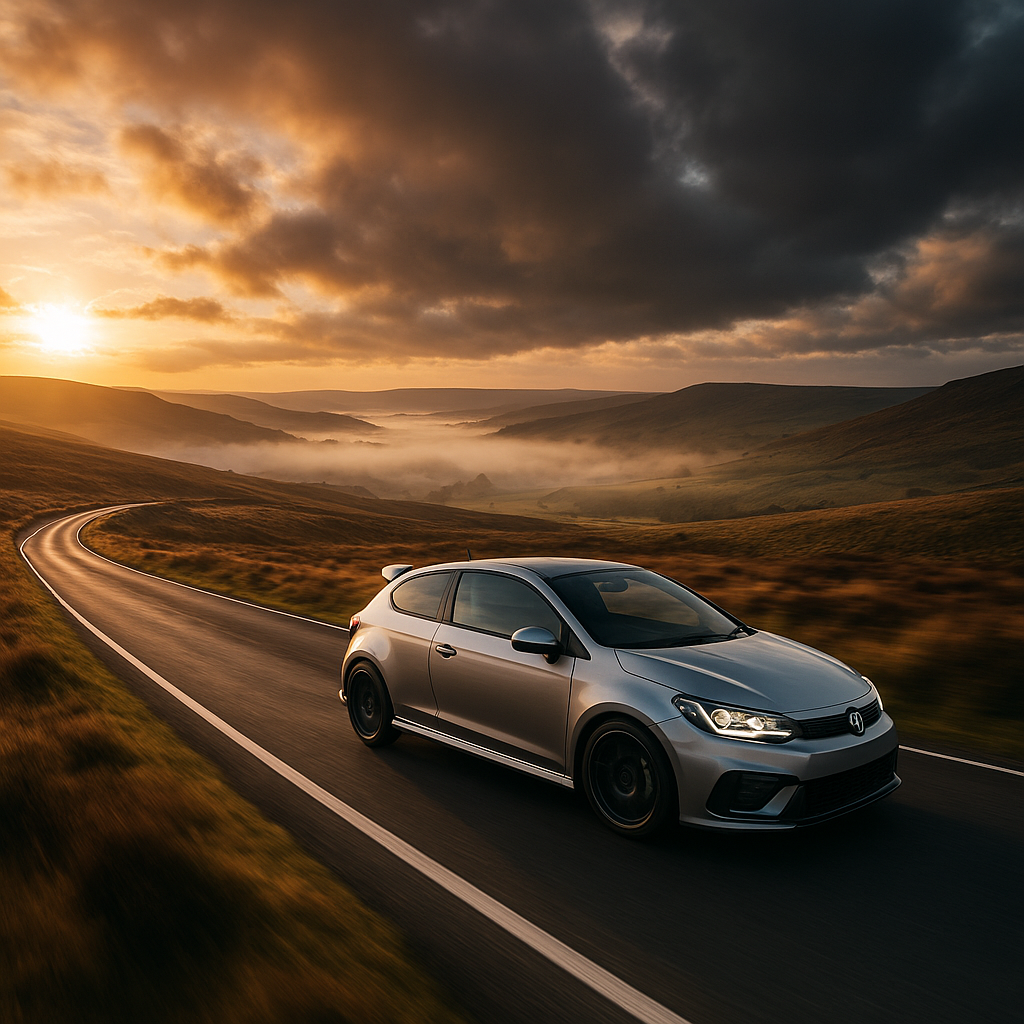
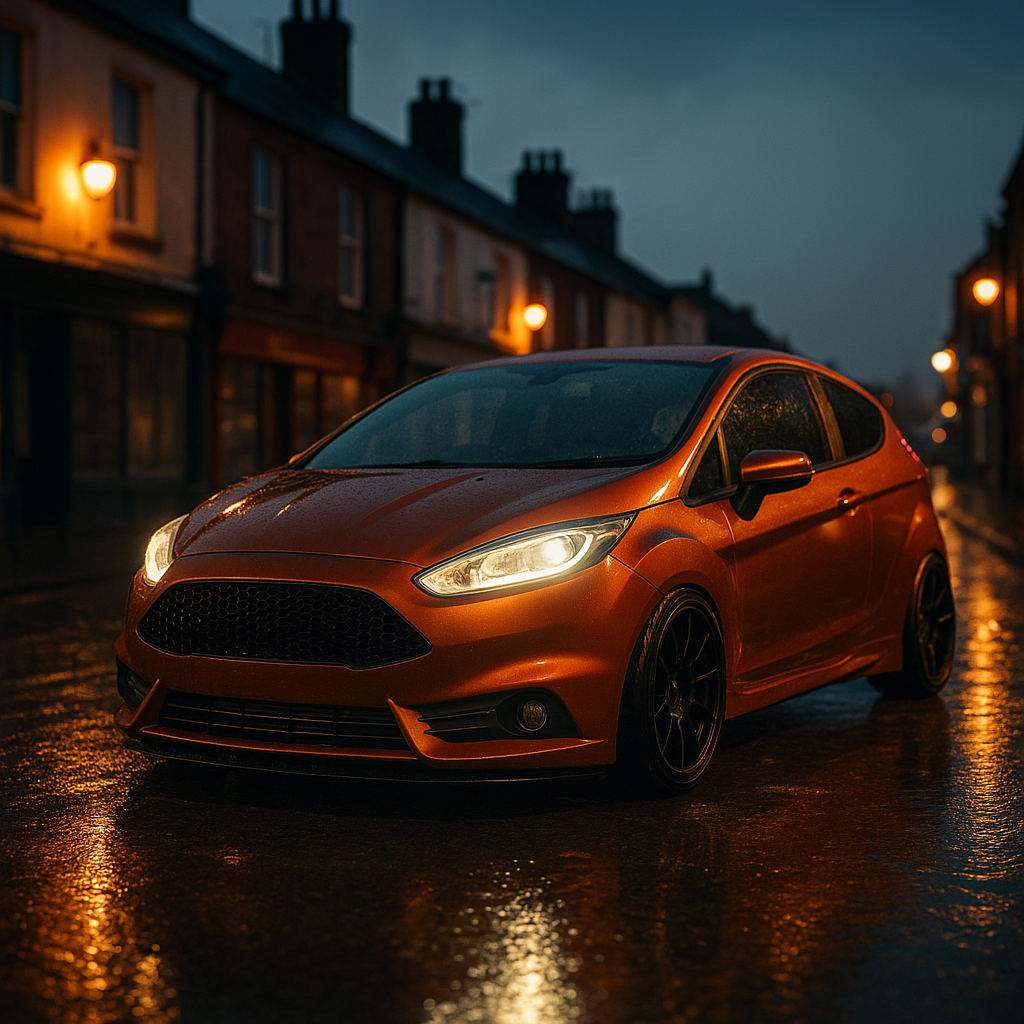
    Modified hot hatch on track during a track day beginners guide UK session at a British circuit
    Modified hot hatch on track during a track day beginners guide UK session at a British circuit

    What Actually Happens on a Track Day

    First things first, let’s bust the biggest myth: a track day is not a race. There’s no grid, no chequered flag finish, and nobody is keeping a lap time leaderboard (unless you bring your own GPS timer, which you absolutely can). You drive in open sessions, usually split by experience level, and you go at your own pace. Overtaking is typically only permitted on straights, and you signal with your right hand out of the window when you want someone to pass. Yes, really. Out of the window. It’s weirdly wholesome for something that involves going flat-out through Paddock Hill Bend.

    Sessions are usually 20 to 25 minutes long with gaps in between for your engine and brakes to cool down. That’s not the organisers being stingy; overheated brakes on a track are no joke, and brake fade is a very real thing that catches beginners completely off guard. Use those gaps to walk the circuit on foot if you can, grab a coffee, and actually look at the corner entry points. Old-school, yes. Effective, absolutely.

    What to Bring to Your First Track Day

    This is where most beginners either overpack or show up embarrassingly underprepared. Here’s the actual list, no fluff:

    • Helmet: Most track day operators require one. You can hire one on-site, but buy your own if you’re serious. An entry-level SA2020-rated lid from a brand like Arai or Simpson starts around £150 to £200. Worth every penny.
    • Flat-soled shoes: Trainers are fine. Chunky boots or heels will genuinely compromise your pedal feel. Treat it like you’d treat any performance driving situation.
    • Fuel: Fill up before you arrive. You’ll burn through it faster than you think, and some circuits have on-site fuel but not all. Check in advance.
    • Brake fluid: Fresh fluid with a high boiling point, like Motul RBF 600, makes a real difference. Standard fluid can vapour-lock under repeated heavy braking. Change it beforehand if yours hasn’t been swapped in a while.
    • Tyre pressure gauge: Your tyres will heat up and pressures will rise. Knowing your hot and cold pressures matters more on track than on any motorway run.
    • Snacks, water, and layers: It’s the UK. It will probably be cold in the morning and warm by midday. Dress accordingly, eat before sessions, and stay hydrated.
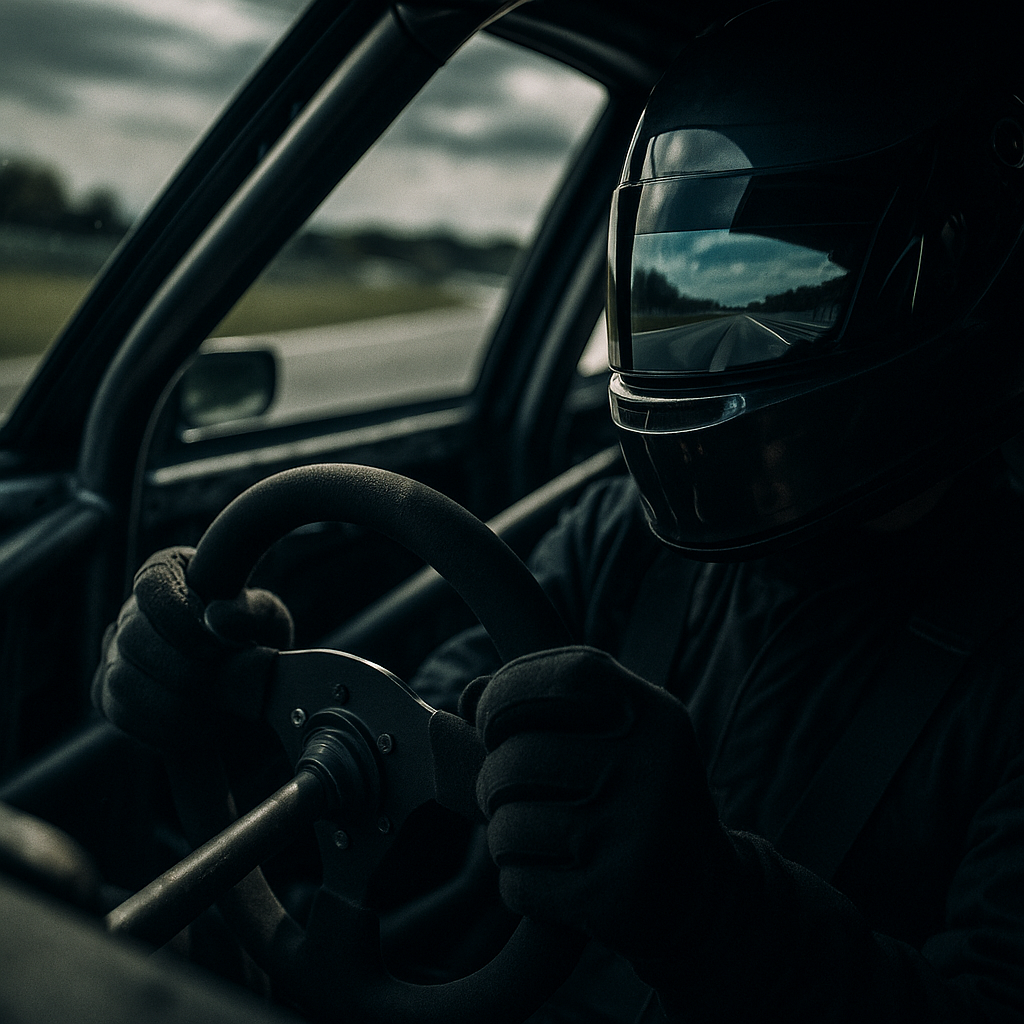
    Driver gripping steering wheel on circuit, detail shot from a track day beginners guide UK
    Driver gripping steering wheel on circuit, detail shot from a track day beginners guide UK

    How Not to Embarrass Yourself (Seriously)

    Nobody expects a newcomer to be Jenson Button on their first lap. But there are a few things that will genuinely wind people up or, worse, get you sent to the paddock for a chat with an instructor.

    Don’t brake late and then crawl through the corner. Pick your braking point, commit to it, and work on your consistency rather than your outright speed. Instructors at every novice session will tell you the same thing: smooth is fast. It sounds like something off a motivational poster, but it’s genuinely true on circuit. The bloke sliding everywhere and bin-bagging the chicane is not the fast one. He’s just the one everyone’s giving a wide berth.

    Also, and this cannot be stressed enough, do not tailgate. If someone is slower than you, wait for a proper overtaking opportunity on a straight and signal first. Sitting two metres off someone’s bumper at 100mph is not impressive. It’s dangerous, and you will get black-flagged. The marshals are watching, and they have done this longer than you’ve been alive.

    One more: listen at the briefing. Every track day starts with a mandatory driver’s briefing. It covers the circuit’s specific rules, flag meanings, and any particular hazards. People who stare at their phones during briefings are the same people who don’t know what a double yellow flag means when it actually counts. Don’t be that person.

    Getting the Most Out of Your Car on Track

    A full track day beginners guide UK wouldn’t be complete without talking about the actual driving bit. Your car, whatever it is, has more in it than your daily commute has ever shown you. But the trick is not to try and extract it all on lap one.

    Spend your first session just building familiarity with the layout. Identify the braking zones, find where the track is widest, and feel how your car reacts to proper full-throttle acceleration. By session two, you can start pushing your braking points later by five metres at a time. By session three, you might start feeling the limits of your tyres and your own reactions in sync.

    If your circuit offers an instructor in the passenger seat, take it. These are usually experienced club racers or ARDS-qualified coaches who will point out things you’d never spot on your own. Circuits like Thruxton and Donington Park often have instructors available for a small additional fee, and it’s genuinely the fastest way to improve. Think of it as a masterclass rather than a lesson.

    One practical note: disable your traction control for the faster corners once you know the circuit, but only once you’re comfortable. Modern traction control systems are tuned for road use, and on a dry track they can cut power at exactly the moment you want it. The Motorsport UK website has great guidance on licences and regulations if you ever want to take things further into club motorsport after catching the bug.

    Common Myths That Put Beginners Off Track Days

    “You need a fast car.” No you don’t. A bog-standard Honda Civic or a Ford Fiesta ST will teach you more about driving than a faster car with more grip masking your mistakes. Some of the most enjoyable track days involve absolutely banged-up hot hatches driven with proper commitment.

    “It’ll destroy your car.” Only if you don’t prepare it. Fresh brake fluid, properly inflated tyres, and a once-over from a mechanic beforehand means most road cars handle track days completely fine. The story about engines exploding on circuit usually involves someone who drove a car with a known fault and ignored the temperature gauge.

    “It’s too expensive.” A half-day track session costs less than a weekend in a hotel, and you’ll talk about it for longer. Budget options through operators like Banzai Trackdays or TrackTime UK keep entry prices competitive, and there are often midweek deals well under £100 if you’re flexible.

    Ready to Actually Book It?

    The UK car scene talks about track days constantly, but a surprisingly small number of people actually go. That’s your advantage. Book one, prep the car properly, follow the rules, and you’ll be that person at the next cruise night with a proper story rather than a theoretical opinion. The circuit doesn’t care how your car looks. It only cares what you do with it. And that, genuinely, is the best bit.

    Frequently Asked Questions

    How much does a track day cost in the UK?

    Entry-level half-day track days in the UK typically cost between £100 and £200 depending on the circuit and organiser. Midweek sessions are often cheaper, and popular operators like Javelin Trackdays and MSV offer deals throughout the year.

    Do I need a roll cage or safety modifications for a track day?

    For a standard road-legal track day in the UK, a roll cage is not required. You’ll need a helmet, and your car needs to pass a basic noise and safety check at the gate. Remove loose items from the cabin and check your brake fluid before attending.

    Can a beginner do a track day with no experience at all?

    Absolutely. Most UK track day operators have a specific novice group for first-timers, and on-site instructors are available at most venues. The mandatory driver’s briefing at the start of the day covers everything you need to know before you go out.

    What circuits in the UK are best for a first track day?

    Circuits like Silverstone’s National layout, Brands Hatch Indy, and Snetterton are popular choices for beginners because they’re well-organised and relatively forgiving in layout. Donington Park and Oulton Park are brilliant once you’ve done a couple of sessions elsewhere.

    Will a track day invalidate my car insurance?

    Your standard road insurance will almost certainly not cover you on a track day, as most policies explicitly exclude circuit driving. You can buy track day specific insurance from providers like Adrian Flux or Reis on a per-day basis, which is worth arranging in advance.

  • The Best Car Cruise Meets in the UK for 2026: Where to Show Up and Show Off

    The Best Car Cruise Meets in the UK for 2026: Where to Show Up and Show Off

    Right then. If you’ve spent the last few months wrenching on your motor, getting the stance dialled in and buffing that paint to mirror-finish perfection, it’s time to actually take it somewhere worth going. The car cruise meets UK 2026 calendar is absolutely stacked, from seaside blasts on the south coast to industrial estate gatherings in the Midlands that somehow pull four-figure crowds. Whether you’re rocking a lowered Civic, a slammed MX-5 or a turbocharged Golf that sounds like a thunderstorm, there is a meet with your name on it.

    Large car cruise meets UK 2026 gathering at night with modified cars lined up under bright lights
    Large car cruise meets UK 2026 gathering at night with modified cars lined up under bright lights

    This isn’t just a list of postcode coordinates. This is a proper guide to where the scenes are buzzing, what kind of crowd each event pulls, and how to make the most of showing up without looking like an absolute muppet. Let’s get into it.

    Why UK Cruise Culture Is Bigger Than Ever in 2026

    The scene has absolutely exploded over the past few years. Social media, YouTube build threads, and a generation of enthusiasts who grew up watching Fast and Furious on repeat have turned car culture into something genuinely mainstream. According to the Society of Motor Manufacturers and Traders (SMMT), modified and performance vehicle ownership in the UK continues to grow year on year, and the community around it has followed suit. Car cruise meets UK 2026 are bigger, louder, and more organised than they’ve ever been. Proper events now, not just a dozen lads in a Tesco car park at midnight (though honestly, those still have their charm).

    The South Coast Scene: Brighton, Worthing and Beyond

    Brighton has long been the spiritual home of the UK cruise. The seafront on a warm Saturday evening is genuinely electric. Think rows of modified cars lining the prom, Jap imports next to American muscle next to European hot hatches. The Brighton Breeze Cruise typically kicks off in late spring and runs through summer, and if you haven’t queued up bumper-to-bumper along the seafront in a slammed car blasting something with too much bass, have you even cruised?

    Worthing and Eastbourne have their own regular coastal meets too, usually drawing the South East’s finest. These are more chilled than Brighton, better for showing off a clean build without a thousand people accidentally leaning on your bonnet.

    The Midlands: Where the Real Numbers Come Out

    Birmingham and the wider Midlands have some of the most well-attended car cruise meets in the country, full stop. The Bullring area and surrounding retail parks have historically hosted massive turnouts on weekend evenings, sometimes pulling over a thousand cars in a single night. The Midlands crowd is serious about their builds; expect everything from widebody Skylines to properly built Vauxhall Astras that’ll smoke most supercars off the line.

    Coventry has its own strong following too, with regular events drawing a mix of JDM heads, American muscle fans, and enough modified Corsas to form their own convoy. Honestly, Coventry’s scene is slept on massively.

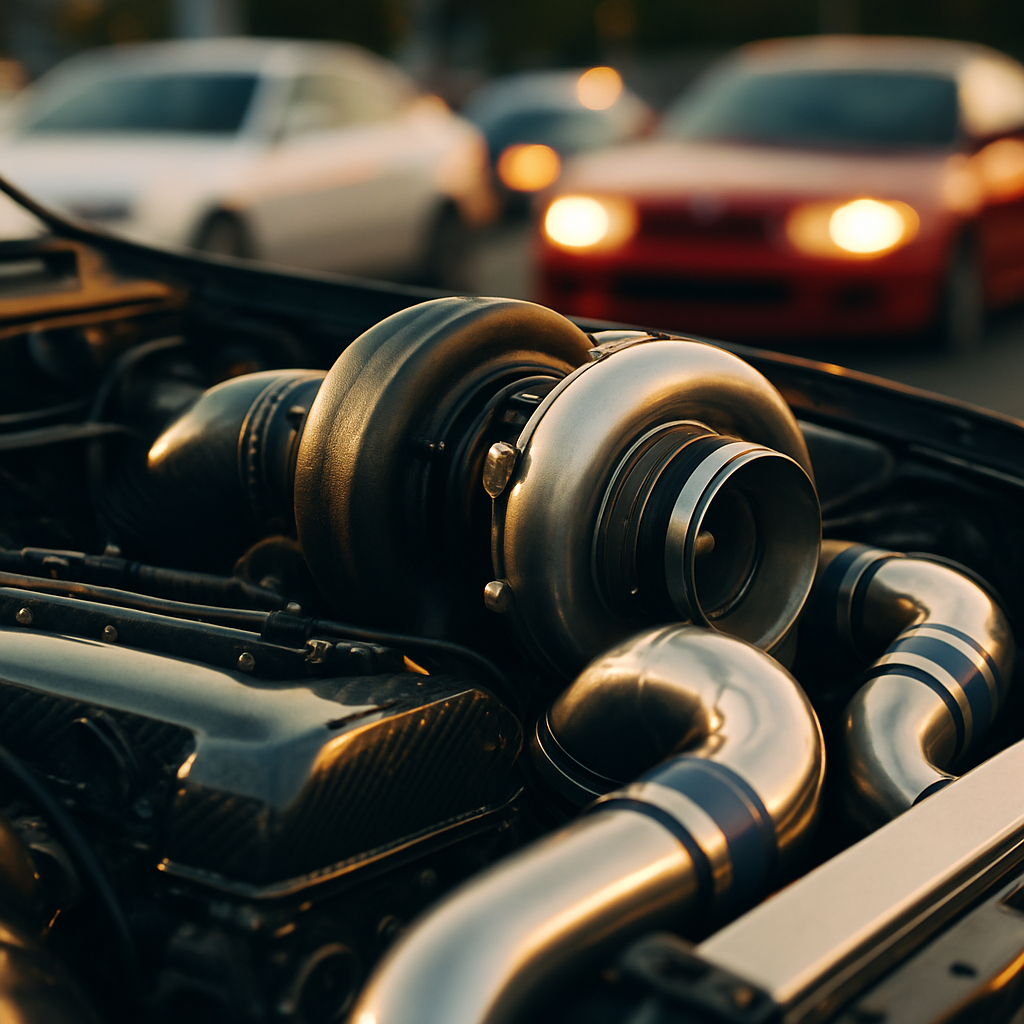
    Modified turbocharged engine bay at a car cruise meet UK 2026 event
    Modified turbocharged engine bay at a car cruise meet UK 2026 event

    The North: Leeds, Manchester and Sheffield Showing Out

    Up north, the car meet scene hits different. Leeds has some of the most passionate enthusiasts in the country, and their summer cruise nights regularly fill industrial estate venues near the city centre. The crowd is younger on average, the cars are wilder, and the vibes are genuinely brilliant. Expect deep bass, full turbo systems and modified cars that cost more than most people’s houses.

    Manchester’s scene is similarly impressive. Trafford Park and surrounding areas host regular meets that pull serious numbers. The Etihad area has seen some decent gatherings too. Sheffield’s JDM scene in particular is worth the trip if you’re into Subarus, Mitsubishis and anything from the nineties that sounds angry.

    Scotland and the Wider UK: Don’t Sleep on the North

    Glasgow’s car cruise scene is genuinely class. The M8 corridor and surrounding industrial areas have been a hotspot for years, and the Scottish community is tight-knit in the best possible way. Edinburgh has its own meets too, though Glasgow tends to pull the bigger turnouts for the big summer events. If you’re heading north of the border, do a bit of research via Facebook groups and Discord servers because Scottish meets are often organised fairly last-minute and word spreads fast through those channels.

    Wales shouldn’t be ignored either. Cardiff’s meets have grown substantially, with the Bay area hosting some properly organised cruise nights through spring and summer 2026.

    Big Organised Events Worth Travelling For in 2026

    Beyond the regular weekly and monthly meets, there are a handful of headline events on the car cruise meets UK 2026 calendar that are genuinely unmissable.

    Players Classic

    Players Classic at Goodwood is the clean, premium end of the spectrum. Slammed, air-ridded perfection. If your build is surgical and you want it seen alongside the best Euro and JDM builds in the country, this is the one. Tickets sell out, so sort that early.

    Ultimate Dubs

    Ultimate Dubs at the NEC in Birmingham is the annual pilgrimage for VW, Audi, Seat and Skoda enthusiasts. Massive indoor and outdoor show with tens of thousands of attendees. Properly worth it even just to spectate.

    Japfest

    Japfest at Donington Park and Silverstone remains the crown jewel of JDM culture in the UK. Two venues, two dates, and the kind of Jap metal you normally only see in Japanese magazines. This is on every proper enthusiast’s calendar without question.

    Trax at Silverstone

    Trax is the ultimate modified car show, held at Silverstone. Live action, track demonstrations, and an enormous showfield mean it punches well above its weight. If you only make one ticketed event all year, Trax is the argument.

    How to Actually Get the Most Out of Car Cruise Meets

    Rocking up is one thing. Making the most of it is another. A few things that separate the people who have a mint night from those who stand around wondering why nobody’s looking at their car:

    • Get there early. The best spots go fast and latecomers end up parked half a mile away from the action.
    • Keep the burnouts for the private track days, not the car park meets. Police presence at UK cruise meets is a real thing and the last thing you want is a Section 59 warning or worse.
    • Talk to people. The community aspect is the whole point. Most people at these meets are absolutely buzzing to talk about their builds.
    • Follow the organisers on social media before you go. Meet locations change, some events get moved at short notice, and you do not want to drive two hours to an empty car park.

    The car cruise meets UK 2026 scene is genuinely one of the most exciting things happening in British car culture right now. Get your car sorted, pick a meet, and get out there. The scene feeds off new faces and fresh builds. Your motor deserves to be seen, and honestly, so do you.

    Frequently Asked Questions

    When do car cruise meets in the UK usually happen?

    Most regular cruise meets run from late spring through to early autumn, peaking between May and September when the weather’s decent. Some indoor events and organised shows run year-round, but your best outdoor cruise season in the UK is roughly April to October.

    Are car cruise meets in the UK legal?

    Attending a car cruise meet is perfectly legal. However, dangerous driving, street racing, and anti-social behaviour at or near meets can result in serious consequences including Section 59 warnings, vehicle seizure, and prosecution. Keep it sensible and everyone has a good time.

    How do I find out about local car cruise meets near me?

    Facebook Groups are still the best way to find local cruise meets, with most areas having dedicated regional car meet groups. Instagram and Discord servers run by enthusiast communities are also excellent for last-minute meet announcements.

    Do you have to pay to attend car cruise meets in the UK?

    Most informal cruise meets and car park gatherings are free to attend. Larger organised shows like Japfest, Trax, or Players Classic charge an entry fee, which usually covers parking, show access and live entertainment. Prices typically range from around £10 to £30 depending on the event.

    What kind of cars are usually at UK cruise meets?

    UK cruise meets are incredibly diverse. You’ll find JDM imports, modified hot hatches, American muscle, stance builds, classic cars, supercars and everything in between. Different regions tend to have different flavours, with JDM being particularly strong in the Midlands and Scotland.

  • JDM Cars Under £10,000 That Will Turn Heads at Any Cruise Night in 2026

    JDM Cars Under £10,000 That Will Turn Heads at Any Cruise Night in 2026

    Right, let’s get one thing straight. You do not need to remortgage your mum’s semi-detached to pull up to a cruise night and get heads turning. The JDM scene in the UK has never been more accessible, and if you know where to look, there are some absolutely serious cars sitting below the ten grand mark right now. We’re talking genuine Japanese performance metal, not just a knackered hatchback with a sticker kit. These are proper JDM cars under £10,000 that will earn you genuine respect on a Saturday night run, not just a polite nod.

    We’ve done the legwork. We’ve checked the classifieds, spoken to owners, and applied some cold hard logic to what actually makes sense as a buy in 2026. Here’s the shortlist.

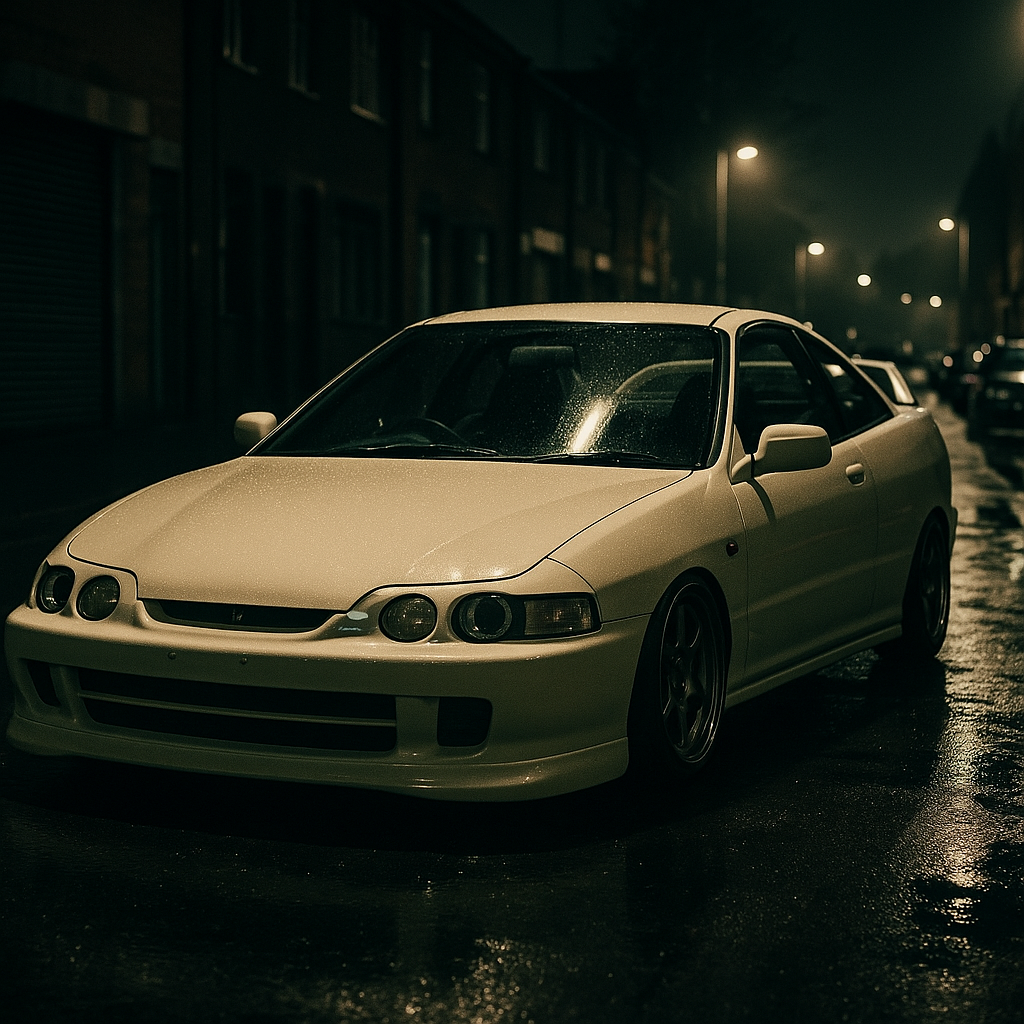
    Honda Integra Type R DC2 at a UK cruise night, one of the best JDM cars under £10,000
    Honda Integra Type R DC2 at a UK cruise night, one of the best JDM cars under £10,000

    Honda Integra Type R (DC2) – The One Everyone Wants

    If you know, you know. The DC2 Integra Type R is arguably the most coveted front-wheel-drive car ever built, and it’s the kind of vehicle that causes actual arguments at meets. The B18C engine is a masterpiece, the limited-slip differential is factory-fitted brilliance, and the chassis balance is something engineers still reference today. Values have crept up, but you can still find solid examples between £6,500 and £9,500 if you’re patient and savvy on Facebook Marketplace or Autotrader. Parts are readily available through specialists like Tegiwa, and the community knowledge is enormous. Insurance can sting for younger drivers, so do your homework before you commit. But the cruise-night reaction? Absolutely priceless.

    Nissan Skyline R33 GTS-T – Big Presence, Honest Budget

    The R34 GT-R gets all the Instagram glory, but its older sibling the R33 GTS-T is where smart money goes in 2026. You’re getting the RB25DET engine, which is a straight-six turbo unit that responds to basic modifications like a dream. In standard trim it’s already a rapid, rear-wheel-drive machine that commands serious attention. Clean examples sit comfortably under £10,000, and many have already had sensible bolt-on upgrades from previous owners. The only genuine gotcha is that sourcing certain body panels from Japan can take time and money. Mechanically though, this is a tough, well-documented motor. One of the best JDM cars under £10,000 for sheer presence per pound.

    Mazda MX-5 NA/NB – Don’t Sleep on the Rotaries’ Lightweight Cousin

    Before you scroll past, hear this out. The MX-5 might not have turbo numbers or a bodykit that needs its own postcode, but in the modified car world it is a deeply respected platform. NA and NB generation cars are ludicrously affordable right now, genuinely easy to tune, and the handling is so sharp it’ll make you question every other car you’ve driven. The community around these is massive, coilovers and roll bars are cheap, and swapping in a turbo kit is a well-trodden path. It’s also one of the few cars in this price bracket that’ll pass an MOT without drama every single year. Light, nimble, rear-wheel drive. That’s a recipe, mate.

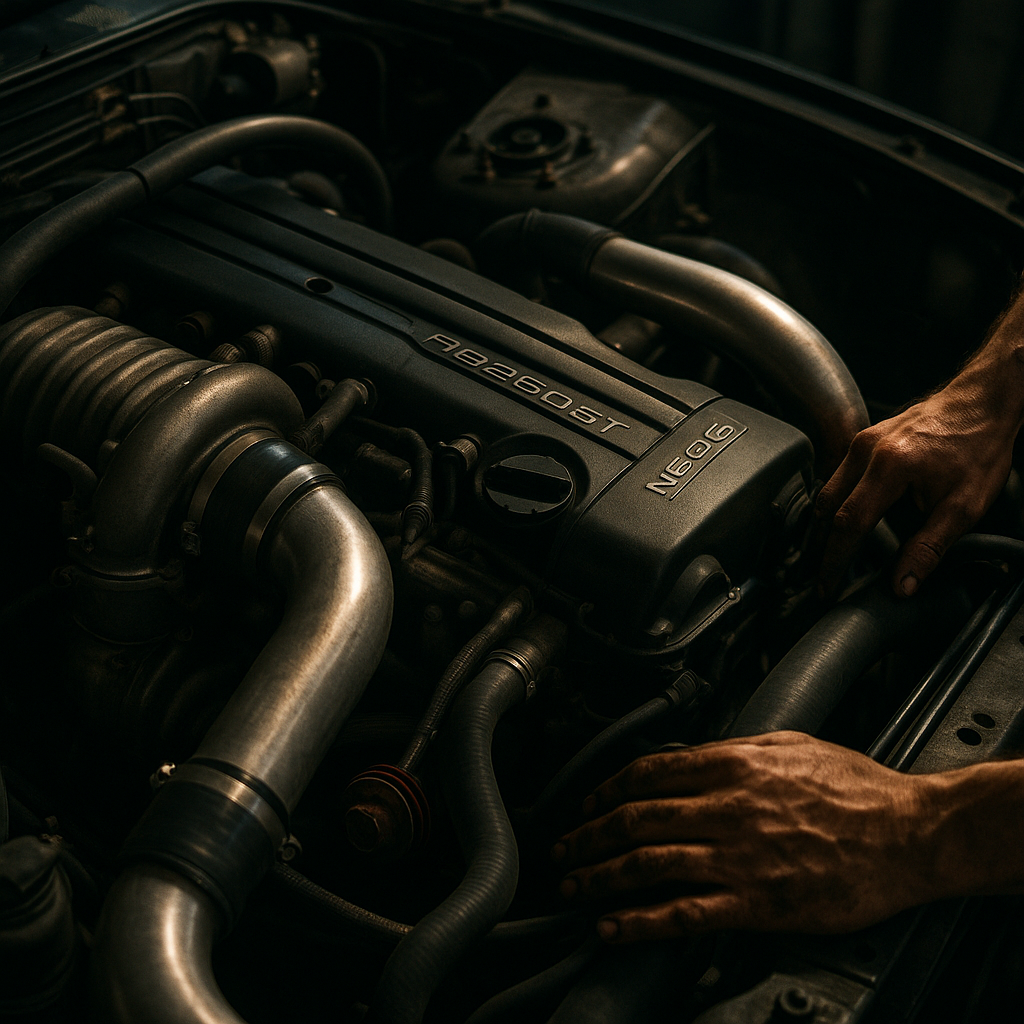
    RB25DET engine bay detail representing the power behind JDM cars under £10,000
    RB25DET engine bay detail representing the power behind JDM cars under £10,000

    Toyota MR2 SW20 Turbo – The Mid-Engine Wildcard

    Here’s the sleeper pick. The MR2 SW20 Turbo gets overlooked constantly because people are scared of mid-engine cars, but that’s honestly their loss. The 3S-GTE turbocharged engine in the Turbo variant produces around 245bhp from the factory in JDM spec, and you’re tucked behind the driver in a lightweight, nimble chassis that makes everything feel faster than the numbers suggest. Find a solid one for between £5,000 and £8,500, keep the maintenance up, and you’ve got a car that will absolutely mullered people’s expectations at cruise nights. Parts are available, just less abundant than some others on this list, so factor that into your budget planning.

    Subaru Impreza WRX (GC8) – Rally Bred and Road Ready

    The GC8 WRX is proper old-school street cred. Boxy arches, a boxer engine burbling away, and the kind of all-weather four-wheel-drive capability that makes it a year-round proposition. The EJ20 engine is famously tuneable, and the parts supply in the UK is genuinely excellent thanks to a large and active community. Budget between £4,000 and £9,000 depending on condition and specification. One critical point: always get a compression test before buying, as head gasket issues are a known quantity on these. Buy well and you’ve got one of the most iconic JDM cars under £10,000 on UK tarmac. The sound alone walking towards it at a car park meet is worth the entry fee.

    Honda Civic Type R (EK9) – JDM Purity in a Practical Shell

    The EK9 is the purest driving machine Honda ever produced at this price point. The VTEC B16B engine redlines past 8,500rpm and the noise it makes getting there is genuinely special. These are proper grey imports, so checking the history and mileage carefully is essential. Autotrader and JDM-specific importers are the places to look. You’ll find decent examples between £6,000 and £9,500. Parts availability is solid through Honda specialists, and the mod scene is well established. It’s a small, tight car with an enormous personality, and it absolutely shines on a cruise run where the roads open up.

    What to Check Before You Buy Any of These

    With grey imports especially, always verify the car’s history through a proper HPI check and confirm it’s been correctly registered with the DVLA. Rust is a genuine enemy of Japanese imports that have spent time in humid climates, so get underneath and look. Service history matters more than mods on a first inspection. Get a pre-purchase inspection from a marque specialist if you can. And honestly? Budget for a proper first service and potential catch-up maintenance immediately after purchase. Don’t let the excitement of ownership skip the basics.

    Once you’ve got your new pride and joy sorted mechanically, the exterior deserves attention too. Before your first proper cruise night outing, treat the car to professional valeting services to make sure the paintwork and interior are looking as sharp as the car deserves. First impressions at a cruise meet genuinely count, and rocking up with a gleaming finish elevates the whole look.

    Parts and Community: The Real Currency of JDM Ownership

    One thing that separates a genuinely liveable JDM build from a money pit is community. For every car on this list, there is an active UK forum, Facebook group, or club where knowledge and parts flow freely. The UK JDM scene has grown considerably over the past decade, and according to the BBC’s coverage of classic car imports, appetite for Japanese performance cars continues to rise year on year. That means the ecosystem around these cars is healthier than ever, parts imports from Japan are more organised, and finding a specialist in most regions of the UK is increasingly straightforward.

    The point is this: buying a JDM car under £10,000 in 2026 is not the gamble it might have been fifteen years ago. It’s a calculated, rewarding choice that puts serious performance and serious style within reach of anyone willing to do a bit of homework. Pick the right car, buy with your head as well as your heart, and you’ll be the one in the car park that everyone walks over to first. That’s the whole point, isn’t it.

    Frequently Asked Questions

    What are the best JDM cars under £10,000 to buy in the UK in 2026?

    Top picks include the Honda Integra Type R DC2, Subaru Impreza WRX GC8, Nissan Skyline R33 GTS-T, Toyota MR2 SW20 Turbo, and Honda Civic Type R EK9. All offer genuine performance, strong communities, and reasonable parts availability within a £10,000 budget.

    Are grey import JDM cars legal to drive in the UK?

    Yes, provided they have been properly registered with the DVLA and hold a valid MOT. Always run an HPI check and confirm the car has been legally imported before purchasing any grey import JDM vehicle.

    How much does it cost to insure a JDM car as a young driver in the UK?

    Insurance on high-performance JDM imports can be expensive for younger drivers, often ranging from £1,500 to over £3,000 per year depending on the car, your age, and your postcode. Using a specialist broker who understands the JDM market, such as Adrian Flux, can significantly reduce costs.

    Where can I find JDM car parts in the UK?

    Specialists like Tegiwa Imports, Japspeed, and various marque-specific clubs are excellent sources. eBay UK, dedicated Facebook groups, and direct importers from Japan are also widely used by the community for both OEM and aftermarket parts.

    What should I check before buying a second-hand JDM car?

    Always carry out an HPI check, inspect for rust on the underside and sills, verify service history, and get a compression test on turbocharged engines. A pre-purchase inspection by a marque specialist is strongly recommended, especially for grey imports.

  • Is the UK Boy Racer Scene Making a Comeback?

    Is the UK Boy Racer Scene Making a Comeback?

    The UK boy racer scene never really died, it just went quiet for a bit. Now it is creeping back out of the retail park shadows, louder, lower and way more online. If you have noticed more slammed hatchbacks at McDonald’s, or heard a stray flutter of turbo on a weeknight, you are not imagining it.

    Why the UK boy racer scene is back on the map

    There are a few big reasons the UK boy racer scene is suddenly looking alive again. First, cars are actually exciting from factory now. Hot hatches, baby performance SUVs and even spicy little three cylinders mean you can get proper fun without remortgaging your nan’s house. Young drivers are picking up these cars on finance, then diving straight into mods.

    Second, social media has turned every Tesco car park into a potential film set. One clean launch or perfect flame pop gets clipped, posted and shared. That hit of clout is addictive, and it is pulling more people into meets, cruises and late-night runs.

    Finally, the cost of track days and proper motorsport has pushed loads of petrolheads back to the streets. When you cannot afford to chase lap times, chasing your mate down a dual carriageway suddenly looks very tempting.

    From retail parks to reels: how meets have changed

    The classic cruise used to be simple: text the group chat, meet at the local retail park, then roll out in convoy. Now, most of the organising happens on private socials and invite-only chats. Locations are dropped last minute to dodge unwanted attention and keep things from getting shut down before they start.

    Instead of just standing around in the cold, people are turning meets into content nights. You have got lads with gimbals, drones and proper cameras hunting for that perfect rolling shot. Cars are being built with the lens in mind – wild wraps, neon underglow, stupidly wide wheels – because if it does not bang on video, what is the point?

    Mods that define the modern UK boy racer scene

    The mod game has levelled up. Back in the day it was Halfords specials and questionable bodykits. Now people are mixing budget bits with proper performance parts. Expect to see:

    • Stage 1 and 2 remaps on everything from little hatches to German barges
    • Coilovers or air ride bringing cars right down onto the tarmac
    • Big brake upgrades peeking through bright, concave wheels
    • Pop and bang maps, burble tunes and the odd cheeky flame for the cameras
    • Track-inspired touches like bucket seats, harnesses and half cages

    It is still about noise and attention, but there is more actual performance creeping in. A lot of builds could hold their own at a track day, even if they spend most of their life flexing at KFC.

    Police, PSPOs and keeping your licence

    Of course, the louder the UK boy racer scene gets, the more it winds up the locals and the law. Noise complaints, burnout marks and late-night rev battles have pushed councils to slap Public Space Protection Orders on popular spots. That means fines for things like revving, wheelspins or even just gathering in big groups of cars.

    Road policing units are also all over social media, watching the same clips everyone else is. If you post yourself doing 100 on a 50, do not be surprised when a knock comes at the door. These days, being smart is part of being fast – no plates on camera, no speedo shots, and no posting anything that will get your pride and joy seized.

    Future of the scene: EVs, tracks and growing up (a bit)

    Like it or not, electric cars are sneaking into the mix. Instant torque, silent launches and surprisingly quick family wagons mean EVs will start showing up at meets more and more. They might not scream, but they certainly shift.

    At the same time, loads of older heads from the original cruises are drifting back in, now with better jobs and much faster cars. They are pushing younger drivers towards track days, drift days and legal events where you can actually go flat out without losing your licence.

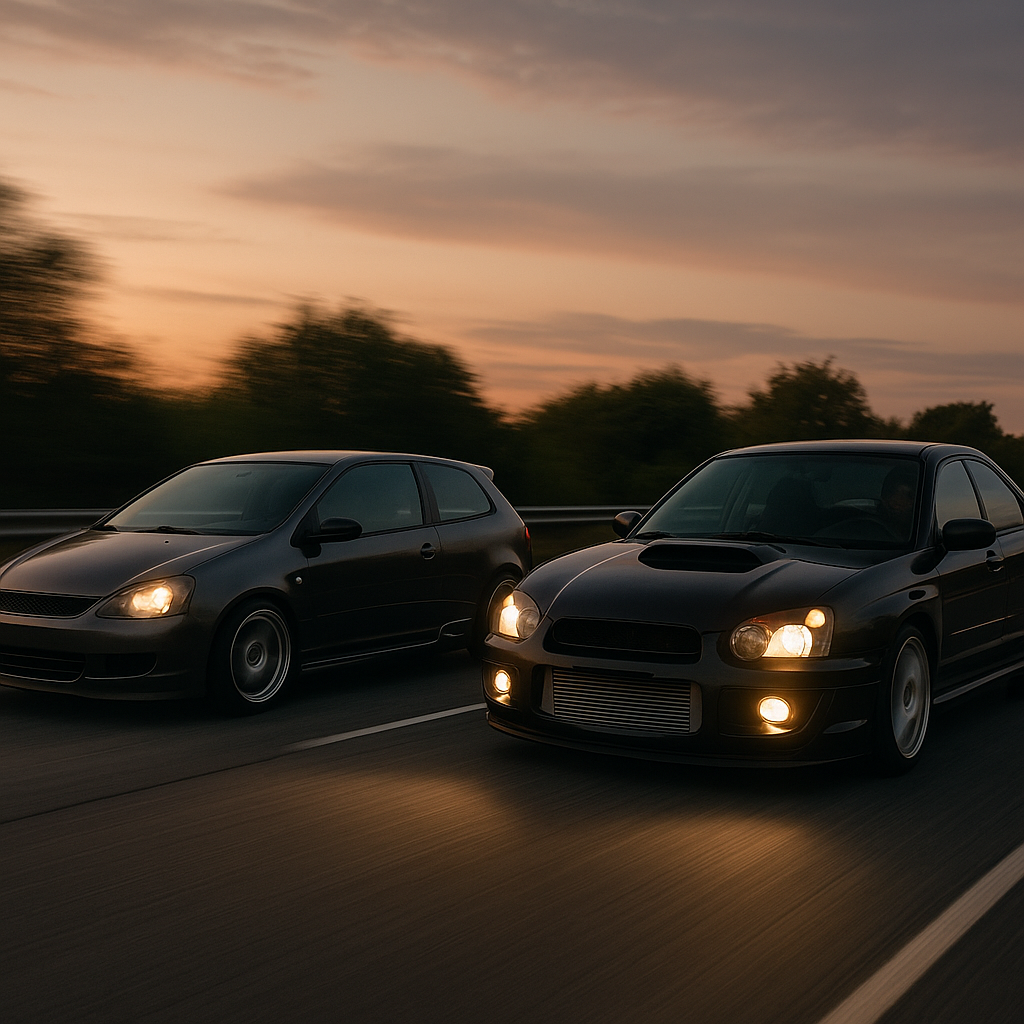
    Rolling shot of modified cars cruising in the UK boy racer scene at dusk
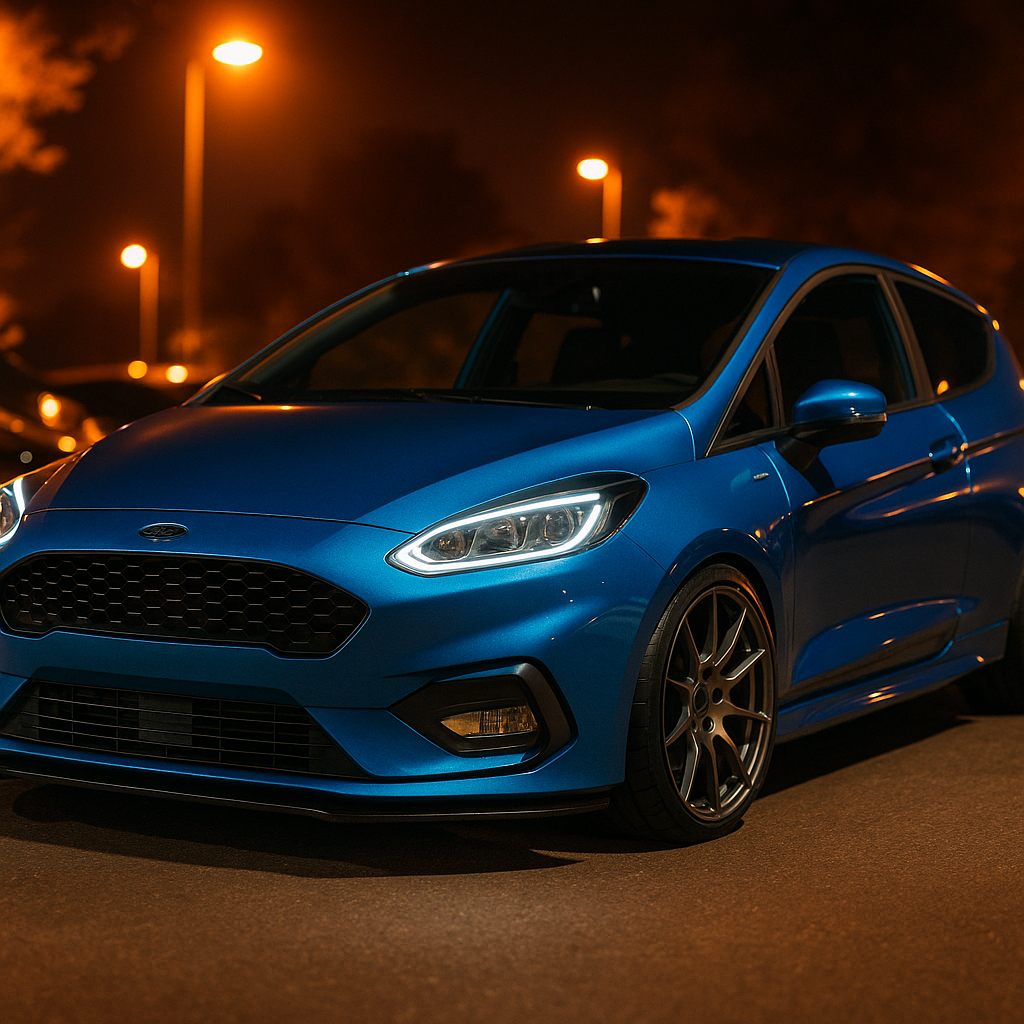
    Modified hatchback at a car meet representing the modern UK boy racer scene

    UK boy racer scene FAQs

    Is the UK boy racer scene illegal?

    The UK boy racer scene itself is not illegal, but plenty of behaviours linked to it can be, such as dangerous driving, street racing, burnouts, excessive noise and antisocial use of public spaces. Meeting up with mates to look at cars is fine, but once you start speeding, drifting on public roads or ignoring police and council orders, you are asking for fines, points or even losing your car.

    How can I get into the UK boy racer scene safely?

    Start by joining local car groups online and turning up to well organised meets where trouble is not tolerated. Focus on learning how to drive properly, not just how to make noise. Consider beginner track days, drift experiences and car control courses so you can explore the limits of your car in a safe place instead of on public roads.

    What car is best for the UK boy racer scene on a budget?

    Popular choices for the UK boy racer scene on a budget include older hot hatches and small turbo petrols that respond well to simple mods. Look for something reliable with a strong aftermarket scene, cheap parts and decent insurance. Always budget for tyres, brakes and maintenance before you blow all your cash on remaps and exhausts.