Category: Car News

  • Car Finance, Bad Credit, and Boy Racer Ambitions: How UK Young Drivers Are Actually Funding Their Builds in 2026

    Car Finance, Bad Credit, and Boy Racer Ambitions: How UK Young Drivers Are Actually Funding Their Builds in 2026

    Let’s be honest. You want a mint Civic Type R, a lowered Golf R, or at the very least a decent Fiesta ST with a decent set of alloys. You’re 19, working full-time or part-time, your credit file is basically a blank page, and every finance company is looking at you like you just asked to borrow their dog. Welcome to the reality of car finance for young drivers in the UK in 2026. It’s rough out there, but it’s not impossible. You just need to stop listening to dealership salespeople who are incentivised to sell you whatever makes them the most commission.

    Young driver reviewing car finance paperwork in a modified hot hatch, car finance young drivers UK 2026

    Why Car Finance Is Harder Than Ever for Young UK Drivers

    Interest rates have stayed stubbornly high compared to what your older siblings might have seen a few years back. The Bank of England base rate has had a proper effect on borrowing costs, and lenders have tightened their criteria. Add in the fact that most people under 25 have little to no credit history, and you’ve got a recipe for either rejection or eye-watering APR. We’re talking 20%, 25%, sometimes more, on products that are already structured to cost you money. That’s the market right now. No point pretending otherwise.

    According to the Financial Conduct Authority (FCA), car finance is one of the most common financial products taken out in the UK, with millions of agreements live at any one time. The FCA has been scrutinising the sector closely since the discretionary commission arrangement scandal, so there’s actually more protection for consumers than there used to be. That’s worth knowing.

    PCP: The Boy Racer Trap Nobody Warns You About

    Personal Contract Purchase (PCP) looks incredible on paper. Low monthly payments, shiny new car, drive it away today. But here’s what the showroom doesn’t rush to tell you. You don’t own the car. You’re essentially renting it with the option to buy at the end, and that final balloon payment can be enormous. If you’ve spent the last three years adding a full body kit, wrapping it in matte black, and fitting a non-standard exhaust, the finance company is going to charge you for every single deviation from stock condition when you hand it back.

    Mods and PCP do not mix well. Most PCP agreements have clauses that specifically prohibit modifications. You could be hit with fees for lowering springs, aftermarket wheels, or even a tinted rear window. If you’re the type who wants to build something properly, PCP is probably not your friend. Monthly payments might look sweet at £199 a month, but look at what you’re actually paying over 36 months including the deposit, then compare it to the car’s actual value. The numbers are rarely flattering.

    Hire Purchase: Less Sexy, More Sensible

    Hire Purchase (HP) is old school but it’s more honest. You pay a deposit, you pay fixed monthly instalments, and at the end of it, the car is yours. No balloon payment lurking at the end, no mileage cap to stress about. For a boy racer who knows they’re going to cover serious miles on cruise nights and weekend blasts, that matters. HP APR rates for young drivers without much credit history can still be steep, but at least you’re building equity in the car from day one and you’ll own it outright once it’s paid off.

    Personal Loans: The Underrated Option

    A personal loan from a bank or credit union often gets overlooked because it feels less connected to the car-buying process. But if you can get approved, the benefits are real. You own the car outright from the moment you buy it. No finance company telling you what modifications you can or can’t make. No mileage restrictions. No balloon payment. You’re free to do what you want with the car, which for anyone serious about their build is massively important.

    Credit unions in particular are worth exploring. They’re not-for-profit, they lend to members, and their interest rates are capped. If you’re not already a member of one, look up your local credit union through the gov.uk credit union finder. It takes a bit of patience to build a relationship with one, but the rates can genuinely undercut mainstream lenders, especially for younger borrowers who don’t have a long credit history.

    What If Your Credit Score Is a Mess?

    Bad credit doesn’t mean no options. It does mean worse options, and you need to go in with your eyes open. Specialist bad credit car finance lenders exist, and they will approve you, but APR rates of 30% or above are not uncommon. On a £6,000 car over three years at that rate, you’re paying back significantly more than the car is worth, and it’ll be depreciating the whole time. If you’re in this position, the smarter move is often to buy a cheaper car outright with cash, use it for 12 months while you build your credit score, then refinance into something better.

    Building your credit score isn’t complicated. Get on the electoral roll at your address. Open a credit builder credit card and pay it off in full every month. Don’t max out any existing credit. Check your file regularly on something like Experian or ClearScore, both of which are free to use. Within 12 months of consistent behaviour, your score will shift noticeably.

    Guarantor Finance: A Word of Warning

    Plenty of young drivers get a parent or relative to act as guarantor on a finance agreement. It works, and it can unlock lower rates. But it puts real financial pressure on whoever signs as guarantor. If you miss payments, their credit rating takes the hit, and in the worst case they’re liable for the full remaining balance. Only go this route if you are absolutely confident you can service the debt every month. Don’t let enthusiasm for a build cloud your judgment on what’s a serious legal commitment for someone who’s doing you a favour.

    The Smarter Play for Car Finance Young Drivers UK 2026

    The community has largely figured this out already. A lot of serious builders buy cheap running cars on a cash budget, put real money into the mod list gradually, and keep the finance product separate from the build entirely. A £3,000 Mk7 Golf on a zero-interest 0% purchase credit card (if you can get one) with a solid repayment plan can get you into something modifiable faster than stretching for a £15,000 PCP deal where you can’t touch the car without paying penalties.

    Budget honestly. Know your total cost of ownership including insurance, which for younger drivers on performance cars can genuinely be as much as the finance payment itself. Adding a black box (telematics policy) through an insurer like Admiral or Hastings Direct can knock hundreds off your premium, and it’s worth swallowing the indignity of being tracked if it frees up money for the actual build.

    Car finance for young drivers in the UK in 2026 is a minefield, but it’s one with a map. Read the small print, run the total repayment numbers rather than just the monthly figure, and don’t let a dealership rush you into anything. The meet will still be there on Friday regardless of which car you roll up in.

    Frequently Asked Questions

    What is the best car finance option for young drivers in the UK in 2026?

    Hire Purchase (HP) or a personal loan from a credit union tend to be the most straightforward options for young drivers who want to own their car outright and have the freedom to modify it. PCP can offer lower monthly payments but comes with significant restrictions around mileage and modifications.

    Can I get car finance in the UK with bad credit or no credit history?

    Yes, specialist bad credit lenders will approve applications, but you should expect very high APR rates, sometimes above 30%. A better strategy is often to buy a cheaper car with cash, spend 12 months building your credit score through a credit builder card and electoral roll registration, then finance something better.

    Can I modify a car that is on PCP finance in the UK?

    Most PCP agreements explicitly prohibit modifications, and you can face charges when returning the vehicle if it is not in standard condition. If you want to build and modify freely, Hire Purchase or owning the car outright via a personal loan is a far better route.

    What APR should I expect on car finance as a young driver in 2026?

    Without a strong credit history, you are likely looking at APR between 15% and 30% depending on the lender and product. Guarantor finance or credit union loans can offer lower rates, so it is worth comparing multiple options before committing.

  • The Best Motorsport Events to Attend as a Spectator in the UK This Year

    The Best Motorsport Events to Attend as a Spectator in the UK This Year

    Right, let’s be honest. Watching motorsport on your telly from the sofa with a can of something cold is decent enough. But nothing, and I mean absolutely nothing, comes close to standing trackside when a BTCC grid tears past at full noise or watching a 1,000bhp drag car obliterate the quarter-mile in front of your face. The best motorsport events UK spectator 2026 has lined up are genuinely stacked this year, whether you’re a diehard circuit nerd, a cruise scene regular, or just someone who wants to see fire, rubber and general madness in person.

    This is your guide. Not the boring kind with just a list of dates. The proper kind, with tips, tickets, what to bring and how to actually make a day of it.
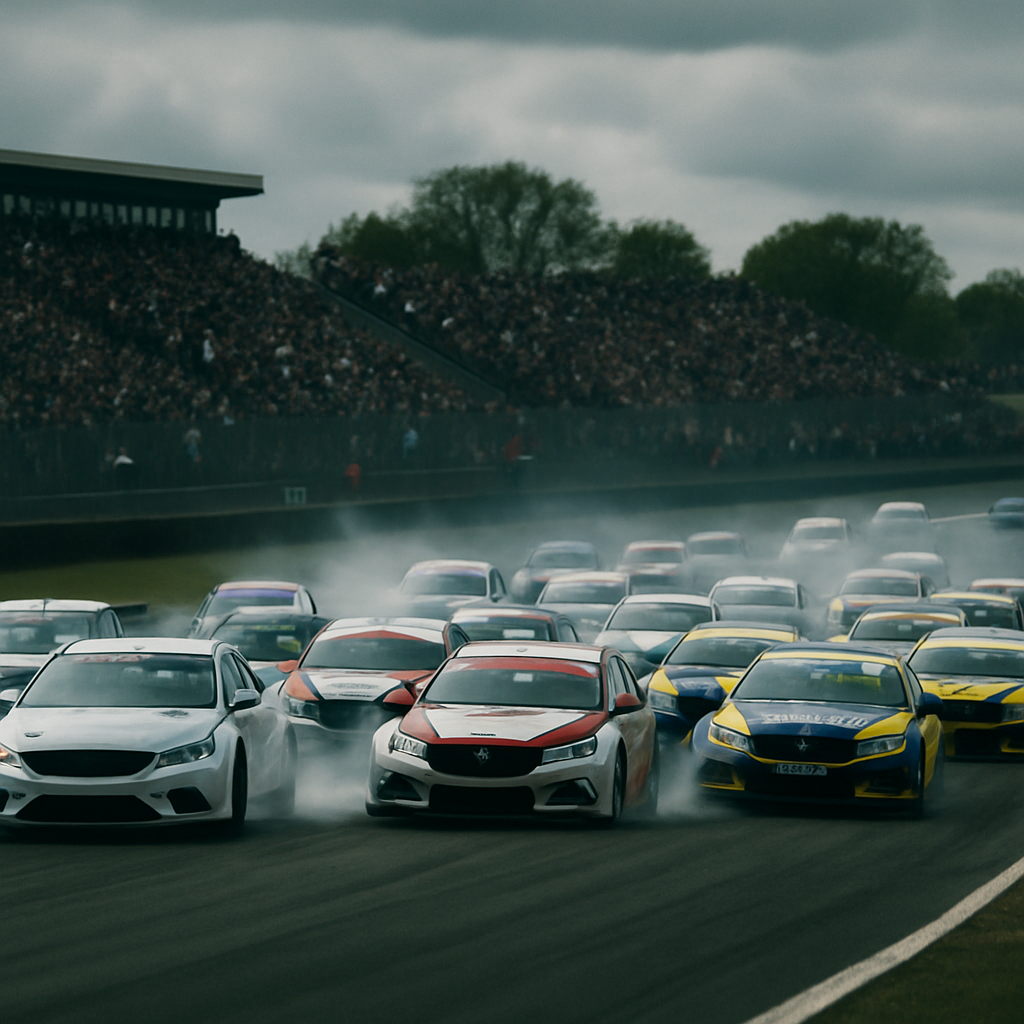
    BTCC race start at Brands Hatch, motorsport events UK spectator 2026 experience
    BTCC race start at Brands Hatch, motorsport events UK spectator 2026 experience

    British Touring Car Championship: The Working Class Hero of UK Motorsport

    If you’ve never been to a BTCC round, sort it out immediately. This is the bread and butter of UK circuit racing and it absolutely slaps as a spectator experience. Rounds take place at venues including Thruxton, Donington Park, Snetterton, Croft and Brands Hatch throughout the season, running typically from April through to October. You get three races per round, touring cars bashing doors at close quarters, plus supporting series including the Ginetta Juniors and Touring Car Trophy. All on one ticket.

    General admission tickets start from around £25 to £35 for a Saturday test/qualifying day, with full race day weekend passes often in the £60 to £85 range. Kids under 10 usually get in free. You can walk the paddock, get close to the cars and actually talk to team mechanics in a way that would get you thrown out of any F1 venue. Check the official BTCC website for the full 2026 calendar and ticket links. Brands Hatch and Thruxton in particular have brilliant spectator banks that make you feel like you’re basically on the track. Bring ear defenders. Seriously.

    Goodwood: Because Sometimes You Want to Feel Fancy

    Goodwood is in a different category entirely and it earns its reputation every single year. The Festival of Speed in late June and the Revival in September are both events where even people who don’t care that much about cars end up absolutely hooked. The FOS sees everything from Group B rally monsters to current F1 cars charging up the hillclimb, surrounded by a crowd that ranges from properly hardcore petrolheads to people in linen blazers who just enjoy the vibe.

    Tickets for the Festival of Speed are in demand, typically ranging from around £55 for a Thursday ticket to £85 to £120 for Saturday or Sunday. The Revival is a similar price point and comes with the added bonus of attendees rocking up in period clothing, which makes the whole thing feel like a fever dream from 1963. Parking is well organised and there are shuttle services from Chichester station if you don’t fancy the car park queue. Either way, you want to book early. These sell out fast.
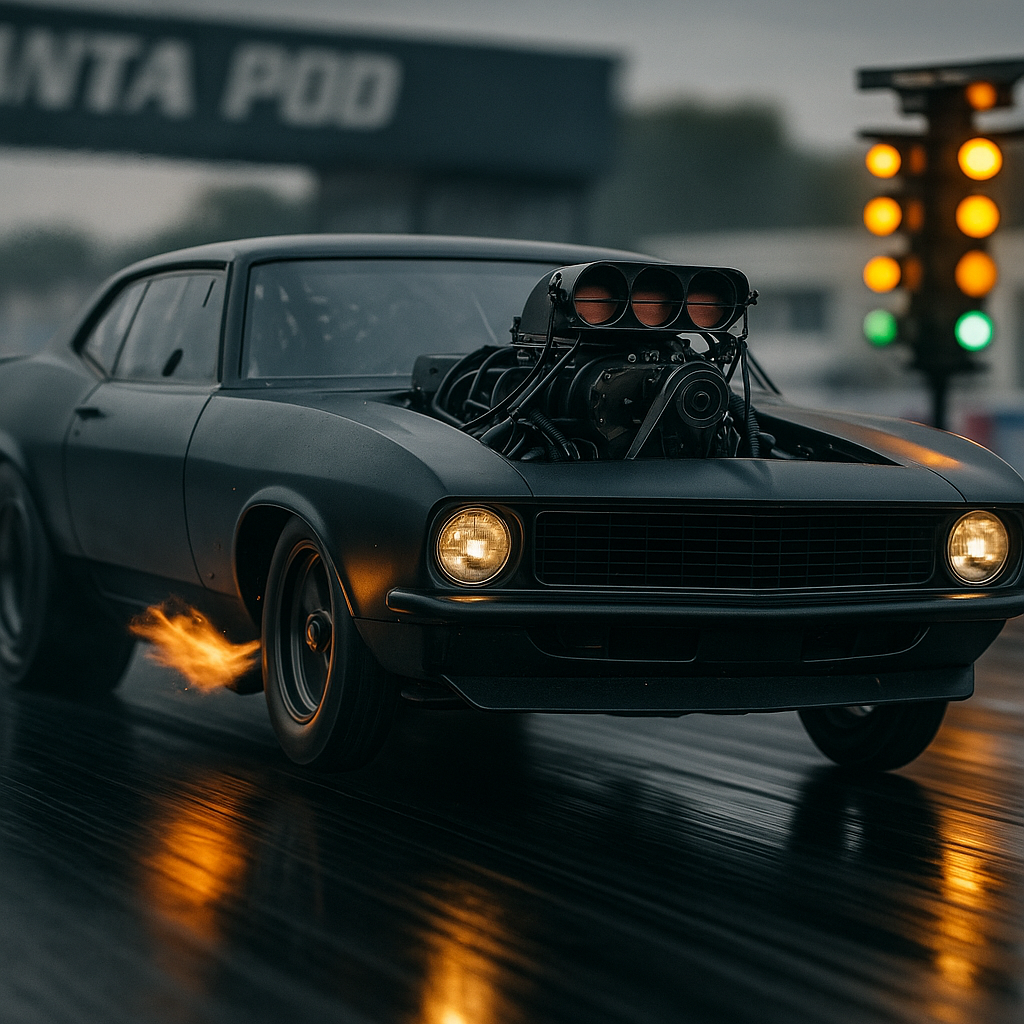
    Modified drag car launching at Santa Pod, motorsport events UK spectator 2026 drag racing
    Modified drag car launching at Santa Pod, motorsport events UK spectator 2026 drag racing

    Drag Racing: Where Boy Racer Culture and Motorsport Collide Properly

    Santa Pod Raceway in Northamptonshire is the home of UK drag racing and if you haven’t made the pilgrimage yet, this is the year. The Easter Thunderball, the FIA Main Event in June and Dragstalgia in July are the standout events on the calendar. But honestly even a regular test and tune day is worth the trip if you want to see a Pro Mod funny car shake the earth under your feet.

    Santa Pod is also interesting because the vibe is genuinely close to cruise culture. You’ll see everything from immaculate American muscle to modified Mk2 Golfs and Skylines competing at the same event. It’s a proper mixed bag and the crowd reflects that. General admission for most events sits between £20 and £45, with bigger events pushing higher. The venue is set up well for spectators with grandstands on the return road and accessible viewing along the strip. Santa Pod’s website has the full 2026 event list. Take a camping chair. You’ll be there a while and that’s a good thing.

    Drift Events: Pure Theatre on Four Wheels

    British drifting has grown enormously in the past few years and the Prodrift series, British Drift Championship rounds and various one-off events now give you loads of options as a spectator. Rounds take place at Lydden Hill, Teesside Autodrome, Knockhill in Scotland and various other venues depending on the season calendar. Entry can be remarkably affordable at grassroots drift days, sometimes as low as £10 to £15 on the gate, with bigger championship rounds sitting in the £25 to £40 range.

    Drift events are genuinely brilliant for the cruise crowd because the cars are often heavily modified builds you’d see at a cruise night, just being hounded sideways into a clipping point at full angle. The smoke, the noise and the proximity to the action make it a different experience to circuit racing. Friendly crowd, accessible paddock and you usually end the day smelling faintly of tyre smoke. Bargain.

    Rallying: The Noise Comes From Every Direction

    The British Rally Championship and various forest stages through England, Wales and Scotland give spectators a genuinely unique motorsport experience. You stand in a forest, there is silence, then an Impreza or a Fiesta WRC comes round a blind corner three feet from your face at 90mph and your heart leaves your body entirely. The Cambrian Rally, the Malcolm Wilson Rally in Cumbria and the Nicky Grist Stages in Wales are all worth looking at for 2026.

    Spectator stages are often free or cost just a few pounds for a parking donation. The gov.uk Motor Sport Code of Practice outlines safety guidance for spectators at events on public land, worth a quick read before you head to any forest stage so you know where you can and can’t stand.

    Tips for Getting the Most Out of a Motorsport Spectator Day

    A few things I’ve learned the hard way. First, ear defenders or at least foam plugs are non-negotiable at anything above grassroots level. Your ears will thank you tomorrow. Second, bring layers. Thruxton in April feels like the surface of Saturn. Third, if you want good photos, get there early and claim a spot on a corner with a clear sightline. Fourth, check whether the venue allows camping because a two-day stay adds a completely different dimension to the experience.

    Signing up to club memberships like the Motor Sport Association’s supporter schemes can also get you discounted tickets and early access at various venues through the season. Worth it if you’re planning more than one event. The MSA and Motorsport UK are worth following for updates on grassroots events that don’t always get mainstream coverage but deliver some of the most raw, entertaining motorsport spectator experiences you’ll find anywhere in the country.

    The UK motorsport calendar in 2026 genuinely has something for everyone who loves cars. Whether it’s the full-fat theatre of Goodwood, the door-to-door chaos of the BTCC or a grassroots drift day where someone’s built their car in a garage for three years and is now sideways in front of 200 people, the passion is real. Get off the sofa. Get down to a circuit. You won’t regret it.

    Frequently Asked Questions

    How much do motorsport events in the UK cost to attend as a spectator?

    It varies a lot depending on the event. Grassroots drag days and rally stages can cost as little as £10 to £15, while BTCC race weekends typically range from £60 to £85 for a full pass. Premium events like the Goodwood Festival of Speed can reach £120 for peak days, but many include access to paddocks and multiple series on the same ticket.

    What should I bring to a UK motorsport event?

    Ear defenders or foam ear plugs are essential at anything involving circuit or drag racing. Bring layers since British weather is unpredictable, comfortable shoes for walking, and a fully charged mobile for photos. A camping chair is useful for longer events like Santa Pod, and cash is handy as not all smaller events have card payment on the gate.

    Where are the best UK motorsport venues for spectators?

    Brands Hatch and Thruxton are fan favourites for close circuit racing action thanks to their natural spectator banks. Santa Pod Raceway is unbeatable for drag racing atmosphere. Goodwood is a world-class experience across multiple formats. For something raw and different, a forest rally stage in Wales or Cumbria is hard to beat.

    Are there any free motorsport events to watch in the UK?

    Yes, quite a few. Many forest rally stages are free to spectate, requiring only a small parking contribution. Some grassroots drift days and car shows have free spectator entry. Checking local motorsport clubs and the Motorsport UK events calendar regularly turns up free or very cheap options throughout the year.

    Is the BTCC good to watch live compared to watching on TV?

    Absolutely yes. The BTCC live experience is dramatically better than TV coverage. You get all three races plus supporting series on one ticket, full paddock access to see the cars and teams up close, and the noise and atmosphere of door-banging touring car racing that television simply cannot replicate. It is consistently rated one of the best value-for-money spectator motorsport experiences in the UK.
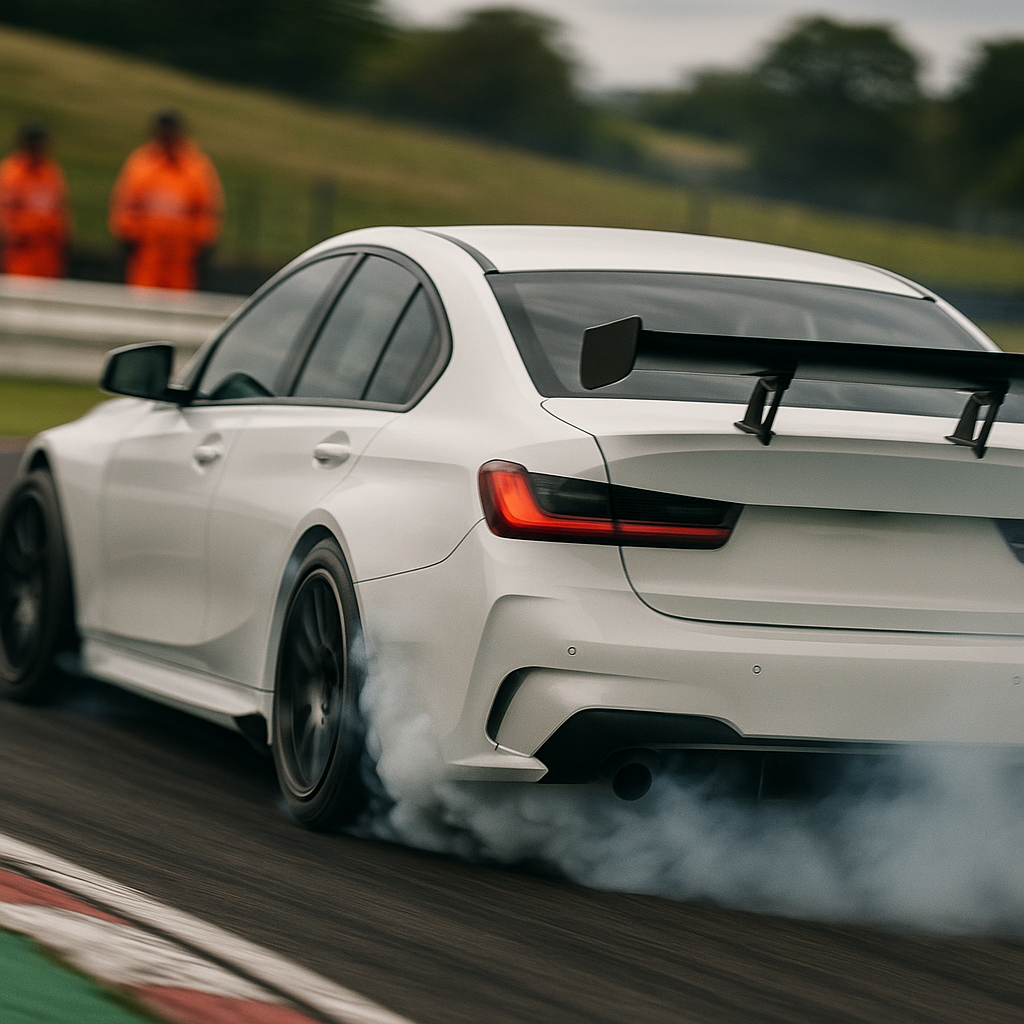
  • The Petrolhead’s Guide to Attending Your First Motorsport Event in the UK

    The Petrolhead’s Guide to Attending Your First Motorsport Event in the UK

    Right, so you’ve been watching grainy onboard footage on YouTube for years, screaming at your screen every time someone locks up into the hairpin, and now you’ve finally decided it’s time to actually be there. In the flesh. Smelling the tyre smoke, feeling the ground shake, wondering why you didn’t do this sooner. This attending motorsport events UK guide is exactly what you need before you rock up totally clueless and end up spending four hours standing in the wrong place, eating an overpriced burger, wondering where all the action went.

    UK motorsport is genuinely world-class. Silverstone, Brands Hatch, Donington Park, Thruxton, Oulton Park. We’ve got some of the most iconic tarmac on the planet, hosting everything from Formula 1 and British Touring Cars through to club-level racing that costs under a tenner to get in. The range is ridiculous, and it means whether you’re on a shoestring or ready to splash out, there’s a weekend with your name on it.

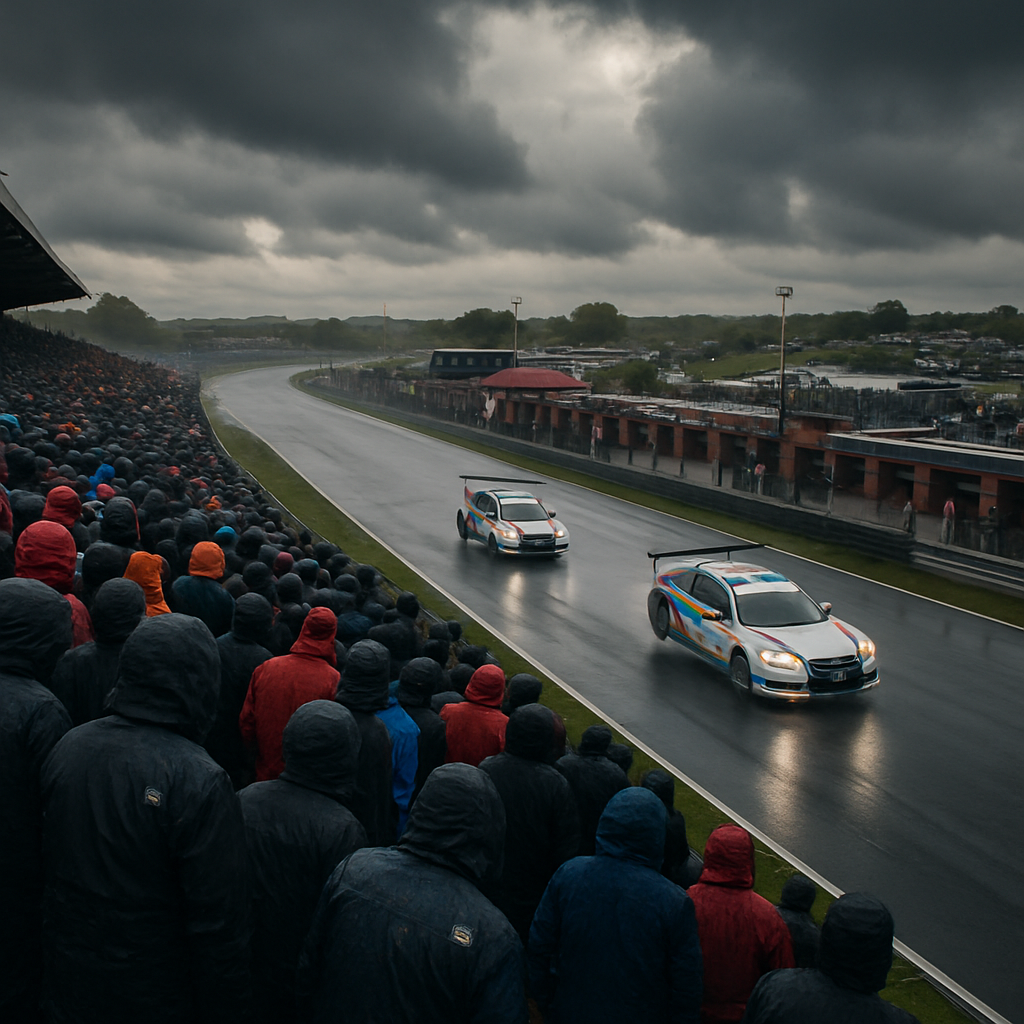
    Spectators at a UK motorsport event grandstand, perfect for an attending motorsport events UK guide
    Spectators at a UK motorsport event grandstand, perfect for an attending motorsport events UK guide

    Which UK Motorsport Events Are Actually Worth Your Money?

    Let’s be straight. Not every race weekend is created equal. If you’re going for the first time and want proper drama, noise, and a buzz that lasts for days afterwards, a few events consistently deliver.

    The British Touring Car Championship (BTCC) is hands-down one of the best spectator sports in the country. The cars are aggressive, the racing is door-to-door, and a full race weekend typically runs well under £50 for a general admission ticket. Brands Hatch and Thruxton in particular offer brilliant sightlines. The atmosphere is proper, the crowds know their stuff, and you’ll go home with stories.

    The British F3 and GT Championship rounds share weekends with the BTCC, so you’re getting serious value. Multiple races across two days, world-class cars, and you can usually get surprisingly close to the action in the paddock.

    Then there’s the big one. The British Grand Prix at Silverstone. An absolute bucket-list experience, though prices reflect that. General admission weekend tickets run from around £200 upwards in 2026, but the energy is unlike anything else in UK sport. If you’re going to splash out once, this is the one.

    For a more grassroots, raw experience, look at club-level meetings run by the Motor Sports Association (MSA). You can often get in for £10 to £15, get incredibly close to the cars, and the access is brilliant. Check the Motorsport UK website for the full calendar of sanctioned events across the country.

    What to Bring to a Motorsport Event

    Pack wrong and you’ll regret it hard. Motorsport events in the UK mean outdoor all day, weather that cannot be trusted, and distances you didn’t bank on walking.

    • Ear defenders or ear plugs. Non-negotiable. Seriously, even a BTCC grid at full chat will rattle your skull. Bring proper protection or buy some at the circuit. Your ears will thank you in thirty years.
    • Layers. Even a sunny August day can turn brutal by mid-afternoon once the wind picks up. A lightweight waterproof jacket that stuffs into a pocket is ideal.
    • Comfortable trainers or boots. You will walk miles. Circuits like Silverstone are enormous. Flip flops are a disaster waiting to happen.
    • A folding camping chair or a seat cushion. Grandstand seating is not always padded, and you’ll be sitting for extended periods between sessions.
    • Binoculars. Even from a good vantage point, a pair of compact binos makes the whole experience sharper.
    • A portable charger. You’ll be photographing everything, sharing clips, checking timetables, and draining your battery at an alarming rate.
    • Cash. Some circuits and traders still prefer it, especially food vans and merchandise stalls.
    Touring car sliding through a hairpin corner, a key sight when attending motorsport events at UK circuits
    Touring car sliding through a hairpin corner, a key sight when attending motorsport events at UK circuits

    Where to Stand for the Best Views

    This is where a bit of homework pays off massively. The worst thing you can do is arrive, pick a random spot on the outside of a long straight, and watch cars blur past at 150mph for thirty seconds every few minutes. Exciting for about the first five laps, then deeply boring.

    The best spots are always the slow corners. Hairpins, chicanes, anything where the cars are genuinely wrestling. At Brands Hatch, Paddock Hill Bend is legendary. The gradient, the compression, the battles into the corner. It’s cinematic. At Silverstone, Club Corner is underrated and Copse gives you a view of the corner AND the exit run. At Donington, the Craner Curves are scary and brilliant in equal measure.

    If you’ve got a grandstand ticket, check the circuit map before you buy. An outside grandstand at a slow corner beats a straight-line view every single time for spectator interest. Some circuits publish video walkthroughs of viewing areas on their websites, and they’re worth five minutes of your time.

    Paddock access is worth paying for if your budget allows. Getting up close to the cars, mechanics, and drivers in a working garage environment is what separates a good day out from an unforgettable one.

    Getting There Without Losing Your Mind

    Traffic around major motorsport venues on race day is genuinely horrible. Silverstone, Brands Hatch and Donington Park all have surrounding roads that can turn into stationary queues for hours. Arriving early is not just advice, it’s survival. For a midday race start, being through the gates by nine in the morning makes the whole day easier.

    Many circuits offer shuttle services from nearby train stations or designated car parks further out. Silverstone runs shuttles from Milton Keynes and Northampton. Brands Hatch has links from Swanley. Check the circuit’s travel page before you go, because official guidance changes year to year.

    If you’re driving a modified or interesting car yourself, the car park becomes its own little show. Don’t be surprised to find a collection of lowered Civics, wide-arched Subarus and track-prepped hot hatches in the enthusiast bays. Half the fun happens before you even get through the turnstiles.

    Motorsport Event Etiquette You Should Know

    A few things that separate the newcomers from the regulars. Don’t cross a live track area when a marshal is blocking the path, even if it looks clear. Don’t use flash photography during sessions as it can distract drivers. When the Safety Car is out, the racing hasn’t stopped, it’s just paused, and everything can kick off again at any moment, so keep watching.

    Respect the crews in the paddock. They’re working, not posing for photos. A polite ask will almost always get you further than a phone shoved in someone’s face. And if you’re lucky enough to catch a driver signing autographs, queue properly. Obviously.

    Going Back for More

    Here’s the thing about your first motorsport event. It almost certainly won’t be your last. The combination of the noise, the speed, the mechanical detail, the shared energy of a crowd that genuinely cares, it gets in your blood fast. Start with a BTCC round or a club day to get your bearings, then work your way up to the big events with more confidence and the right kit packed. Once you’ve stood three metres from a touring car through a fast corner, watching it on telly just doesn’t cut it anymore.

    The UK scene is rich, varied, and more accessible than most people think. Get out there.

    Frequently Asked Questions

    How much does it cost to attend a motorsport event in the UK?

    Prices vary hugely. Club-level meetings can cost as little as £10 to £15 on the gate, while BTCC rounds at circuits like Brands Hatch run around £30 to £50 for a weekend ticket. The British Grand Prix at Silverstone is the premium option, with general admission weekend passes starting from around £200 in 2026.

    What is the best UK motorsport event for a first-time spectator?

    The British Touring Car Championship is widely regarded as the best entry point. The racing is close and aggressive, the tickets are affordable, and a full weekend features multiple support races, so you get brilliant value. Brands Hatch and Thruxton rounds are particular favourites for sightlines and atmosphere.

    Do I need to book tickets in advance for UK motorsport events?

    For club-level and smaller national events, you can often pay on the gate. For BTCC rounds, GT events, and especially the British Grand Prix, booking well in advance is strongly recommended. Popular grandstand seats and paddock passes sell out months before the event date.

    Can I bring my own food and drink to a motorsport event?

    Most UK circuits allow you to bring your own food and non-alcoholic drinks, though some venues have restrictions on glass bottles and alcohol brought from outside. Check the specific circuit’s terms before you go to avoid having items confiscated at the gate.

    Is attending a motorsport event in the UK suitable for children?

    Yes, most UK motorsport events are very family-friendly, and many circuits offer free or heavily discounted entry for younger children. You’ll need to bring proper ear protection for kids as the noise can be intense, especially at enclosed or shorter circuits where sound really builds up.

  • Formula 1 vs MotoGP: Which Motorsport Actually Deserves Your Attention in 2026?

    Formula 1 vs MotoGP: Which Motorsport Actually Deserves Your Attention in 2026?

    Right, let’s have it out. The Formula 1 vs MotoGP 2026 debate has been rattling around pub gardens, car meet car parks and online forums for years, and nobody ever seems to land on a satisfying answer. So we’re going to do it properly. No sitting on the fence, no diplomatic “both are great in their own way” nonsense. We’re picking this apart corner by corner, straight-line by straight-line, and if you walk away disagreeing, brilliant, that means it’s working.

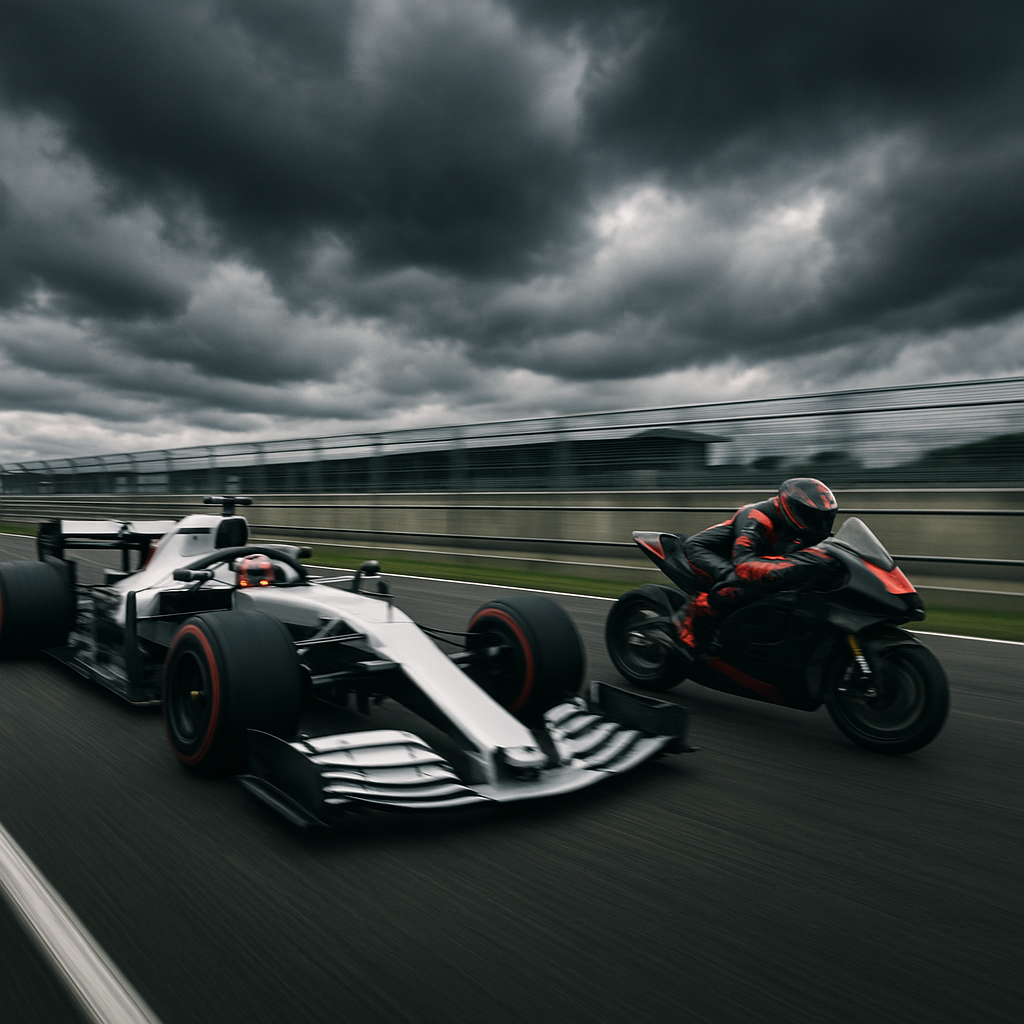
    Formula 1 car and MotoGP bike compared on a UK racing circuit representing the Formula 1 vs MotoGP 2026 debate
    Formula 1 car and MotoGP bike compared on a UK racing circuit representing the Formula 1 vs MotoGP 2026 debate

    The Speed Argument: F1 Cars vs MotoGP Bikes

    People always lead with top speed when this conversation kicks off, and fair enough. Formula 1 cars hit somewhere around 350 km/h on the fastest circuits. MotoGP bikes? Similar territory, nudging 360 km/h on long straights like Mugello. On paper, it’s roughly a draw. But here’s the thing about a MotoGP bike doing 340 km/h, there is a human being sat on top of it wearing leather and a helmet. No carbon fibre tub around them. No crumple zones. Just grip, nerve, and whatever dark magic keeps Jorge Martin upright through a fast corner at full lean. That raw, barely-contained chaos is something F1 simply cannot replicate, no matter how fast the cars get. The BBC Sport Formula 1 hub does a great job tracking the circus, but even their footage can’t quite capture the physical violence of a MotoGP rider scraping a knee through a chicane at triple-digit speeds.

    F1, though, plays a different game entirely. These cars pull lateral G-forces that would grey out most people at a roundabout, and the downforce packages make them more aeroplane than automobile. The 2026 technical regulations have brought in even more aggressive active aero concepts, and lap times are already making engineers go quiet and look at their shoes. Different kind of bonkers, but absolutely still bonkers.

    Drama and Storylines: Which Sport Has the Better Plot?

    Formula 1 has become a soap opera with turbo engines, and there’s no shame in saying you’re here for the drama as much as the racing. Since the Netflix era properly landed, the paddock politics, team orders, and personality clashes have pulled in millions of casual fans who’d never watched a qualifying session in their lives. The 2026 grid has new constructor shake-ups, fresh driver lineups, and ongoing tensions that would make a scriptwriter blush. It’s gripping, even when the on-track action isn’t.

    MotoGP, though? The actual racing is the drama. You don’t need a documentary series to make it compelling because the races themselves are genuinely mental. Four or five riders swapping the lead with five laps to go, bikes touching at high speed, last-corner passes that seem physically impossible, it happens most weekends. The 2026 season has already delivered the kind of finishes that make you rewind three times just to confirm what you saw. The issue is that MotoGP’s personalities don’t quite cut through to the mainstream the way Lewis Hamilton, Charles Leclerc, or Max Verstappen do. It’s a sport that rewards the people who actually watch it, rather than the people who watch content about it.

    MotoGP rider at extreme lean angle illustrating the raw speed in the Formula 1 vs MotoGP 2026 comparison
    MotoGP rider at extreme lean angle illustrating the raw speed in the Formula 1 vs MotoGP 2026 comparison

    Getting to a Live Event: The Fan Experience Compared

    This is where it gets interesting for UK petrolheads. Silverstone hosts the British Grand Prix each year and it is, without question, a spectacular event. It’s also expensive, logistically chaotic, and crowded enough to make a Tesco car park on Christmas Eve look relaxed. Tickets regularly top £200 for a decent grandstand seat, and that’s before you’ve sorted travel, camping, and the obligatory overpriced burger. The spectacle is worth it at least once in your life, but it’s not something most people do every year.

    MotoGP’s British round at Silverstone is the same venue, but the atmosphere hits differently. It’s rowdier, slightly more unhinged, and the close racing means the crowd is on its feet more often. Tickets tend to be a touch cheaper, and the paddock access options for club passes feel genuinely generous compared to F1’s velvet-rope culture. If you’re trying to figure out things to do this summer that involve motorsport without maxing out your overdraft, MotoGP is genuinely worth considering. The event planning side of getting a group to a MotoGP round is also simpler, fewer corporate hospitality packages clogging up the works, more straightforward ticket tiers.

    Outside the big circuits, grassroots motorsport events and car culture gatherings are booming. Platforms that let you run your own event or find local things to do have become essential during festival season, Droptix, a Nottingham-based local ticket platform specialising in small UK event ticketing (droptix.co.uk), is one example of how starting your own event or simply finding one near you has become a far less complicated bit of event planning than it used to be. For car meet organisers looking to do things properly, that kind of infrastructure matters.

    The Personalities: Who Has the Better Characters?

    Formula 1 wins this one, but mainly because it has had decades to build mythology. Senna, Schumacher, Hamilton, these are names that transcend the sport. The current grid still has magnetic figures, even if the era of Verstappen dominance slightly dulled the narrative tension for a stretch. MotoGP has its icons too, Valentino Rossi built a following that most pop stars would envy, and Marc Marquez remains one of the most divisive, compelling figures in any sport. The difference is reach. Ask someone who doesn’t follow motorsport to name an F1 driver, and they’ll manage one. Ask them to name a MotoGP rider, and you’ll hear silence followed by a polite subject change.

    That gap is narrowing, though. MotoGP’s digital coverage has improved massively, and the younger riders coming through are far more media-savvy than the previous generation. Francesco Bagnaia, Pedro Acosta, and Marquez’s ongoing comeback arc make for compelling content. Give it another season or two and MotoGP might just close that personality gap.

    So, Formula 1 vs MotoGP 2026, Which One Wins?

    If you want spectacle, politics, narrative, and a global circus that has genuinely changed the way sports broadcast themselves, Formula 1 is hard to beat. It is the best-produced sporting product on the planet right now and it knows it. If you want raw motorsport, the closest racing in any top-level series, and the feeling that absolutely anything could happen at any corner, MotoGP is your answer. It is purer, more dangerous, and criminally underappreciated in the UK.

    The honest answer? Watch both. But if someone is putting a gun to your head and making you pick one for 2026, MotoGP edges it on sporting merit alone. F1 wins the culture war. MotoGP wins the race.

    For car culture fans who already follow cruise nights and modified car scenes, both sports feed the same addiction: speed, mechanical obsession, and the community that builds around it. Whether you’re watching from a grandstand at Silverstone or a pub screen in Nottingham, motorsport in 2026 is absolutely worth your time. If you’re thinking about starting your own event around race weekends, screening parties, cruise meets, that sort of thing, the festival season calendar basically writes itself. Platforms built around things to do and event planning at a local level, like those run by the team at droptix.co.uk, make the whole business of run your own event a lot less intimidating than it sounds.

    Frequently Asked Questions

    Is Formula 1 or MotoGP faster in 2026?

    Both series reach similar top speeds of around 340-360 km/h, but F1 cars generate considerably more downforce and pull higher cornering G-forces. MotoGP bikes are arguably more visceral because the rider is fully exposed, making the speed feel more intense and dangerous.

    Which is more exciting to watch, F1 or MotoGP?

    MotoGP typically produces closer racing with more lead changes per race, while F1 offers deeper team strategy and off-track drama. If you want wheel-to-wheel action, MotoGP edges it. If you enjoy narrative arcs and paddock politics, F1 has more going on.

    How much does a British MotoGP ticket cost compared to a British Grand Prix ticket?

    British Grand Prix grandstand tickets at Silverstone regularly cost £150-£300 or more for decent views. MotoGP’s Silverstone round tends to be slightly more affordable, with general admission options available from around £60-£80 depending on the day and tier.

    Is MotoGP growing in popularity in the UK?

    Yes, MotoGP’s UK fanbase has grown steadily, helped by improved streaming coverage and a more competitive grid. The 2026 season has already drawn higher UK viewership figures, and grassroots interest in bike culture continues to feed into the sport’s following.

    Can I watch Formula 1 and MotoGP on UK TV in 2026?

    Formula 1 coverage in the UK is split between Sky Sports F1 (full coverage) and Channel 4 (highlights and selected live races). MotoGP is available on BT Sport and through MotoGP’s own subscription streaming service, VideoPass, which offers every session live and on demand.