Category: Car Parts

  • Modified Car Insurance in the UK Is Getting Harder to Find, Here’s Why and What to Do About It

    Modified Car Insurance in the UK Is Getting Harder to Find, Here’s Why and What to Do About It

    Right, let’s not sugarcoat this. Modified car insurance in the UK is becoming a proper headache, and it’s only getting worse in 2026. Specialist insurers who used to wave through stage-one remaps and aftermarket exhausts without blinking are now treating your build like it’s a financial hand grenade. I’ve spoken to lads at meets across the country who’ve had policies declined, voided mid-term, or priced so high they’d rather park the car in the garage and cry. So what’s actually going on?
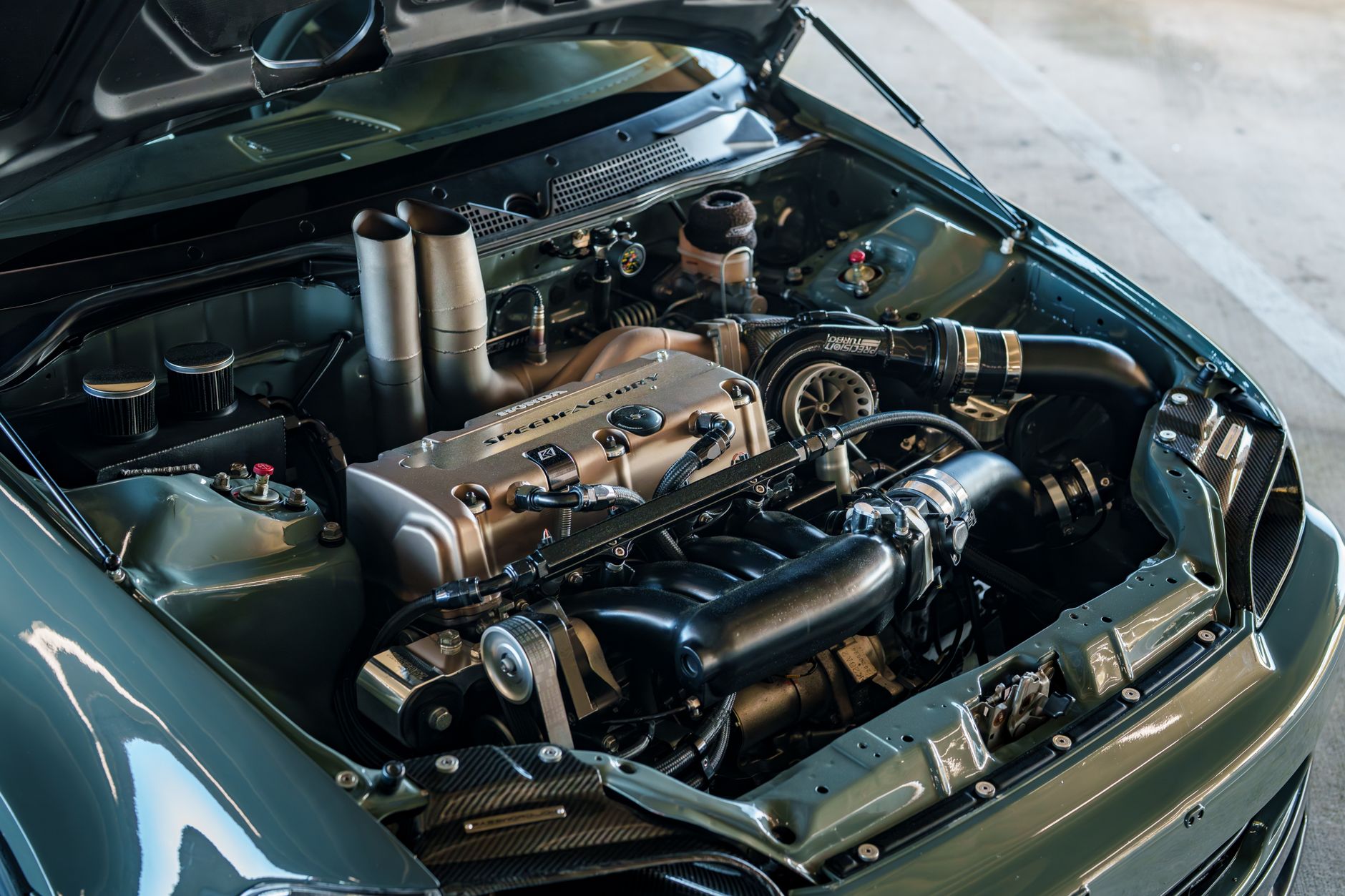
    Modified car engine bay representing the kind of build that makes modified car insurance UK a complex challenge
    Photo by astesmedia on Pexels

    The short version: claims data caught up with the enthusiasm. Between rising repair costs, increased theft of modified vehicles, and a wave of young drivers binning modified hot hatches on roundabouts, underwriters have started reading the room. The result is tighter criteria across the board, more outright refusals for certain modification categories, and premiums that’ll make your eyes water. But there’s still a path through this mess if you know what you’re doing.

    Why modified car insurers are pulling back in 2026

    The UK insurance market has been under serious pressure. According to the Association of British Insurers, motor claims costs hit record levels in 2024 and haven’t eased since. Labour costs at bodyshops, the price of specialist parts, and longer repair times have all hammered insurer margins. Modified cars cost more to fix. Full stop. A standard bumper on a hot hatch is one price; the same bumper with a custom aero lip, repainted in a bespoke wrap colour, and fitted with carbon fibre vents is a completely different conversation.

    Theft is the other killer. Keyless entry exploits, relay attacks, and organised gangs specifically targeting modified cars have pushed theft claims through the roof. A well-known JDM build or a Stage 2 Volkswagen Golf with £4,000 in audio and £3,000 in wheels is a target. Insurers know this, and they’re pricing accordingly. Some are walking away from certain platforms entirely.

    Which modifications are getting refused cover in 2026

    This is where it gets real. I’d say there are roughly four categories of modification that specialist insurers are increasingly refusing to touch, declining to properly rate, or simply loading so heavily that the premium becomes academic.

    Engine remaps and ECU tuning used to be relatively straightforward to declare. Now, anything beyond a manufacturer-approved or dealer map is being scrutinised hard. Stage 2 and above on certain platforms, particularly turbocharged four-cylinders, are triggering outright refusals from some underwriters. If you’ve read our honest breakdown of remapping your car in the UK, you’ll know the insurance angle was already tricky. It’s got worse.

    Suspension modifications are another flashpoint. Coilovers set below a certain ride height, air ride systems that don’t have documented proof of a legal ride height when driven on public roads, and aggressive camber setups are all raising red flags. Insurers aren’t just worried about handling, they’re worried about liability if the car is involved in a collision and a solicitor argues the suspension setup was a contributing factor.

    Wide-arch and body kit conversions are getting hit too, especially anything that increases the vehicle’s width or track without proper documentation. Aftermarket roll cages, stripped interiors for track use, and removal of safety equipment like rear seatbelts are in a similar boat. Some insurers will only touch these at all if you’ve got a motorsport-specific policy through a body like Motorsport UK.

    Turbocharged conversions and engine swaps are essentially uninsurable through most standard modified car insurers now. If you’ve dropped a different engine into your build, you’re looking at a very small pool of specialist underwriters, and the premiums reflect that scarcity.
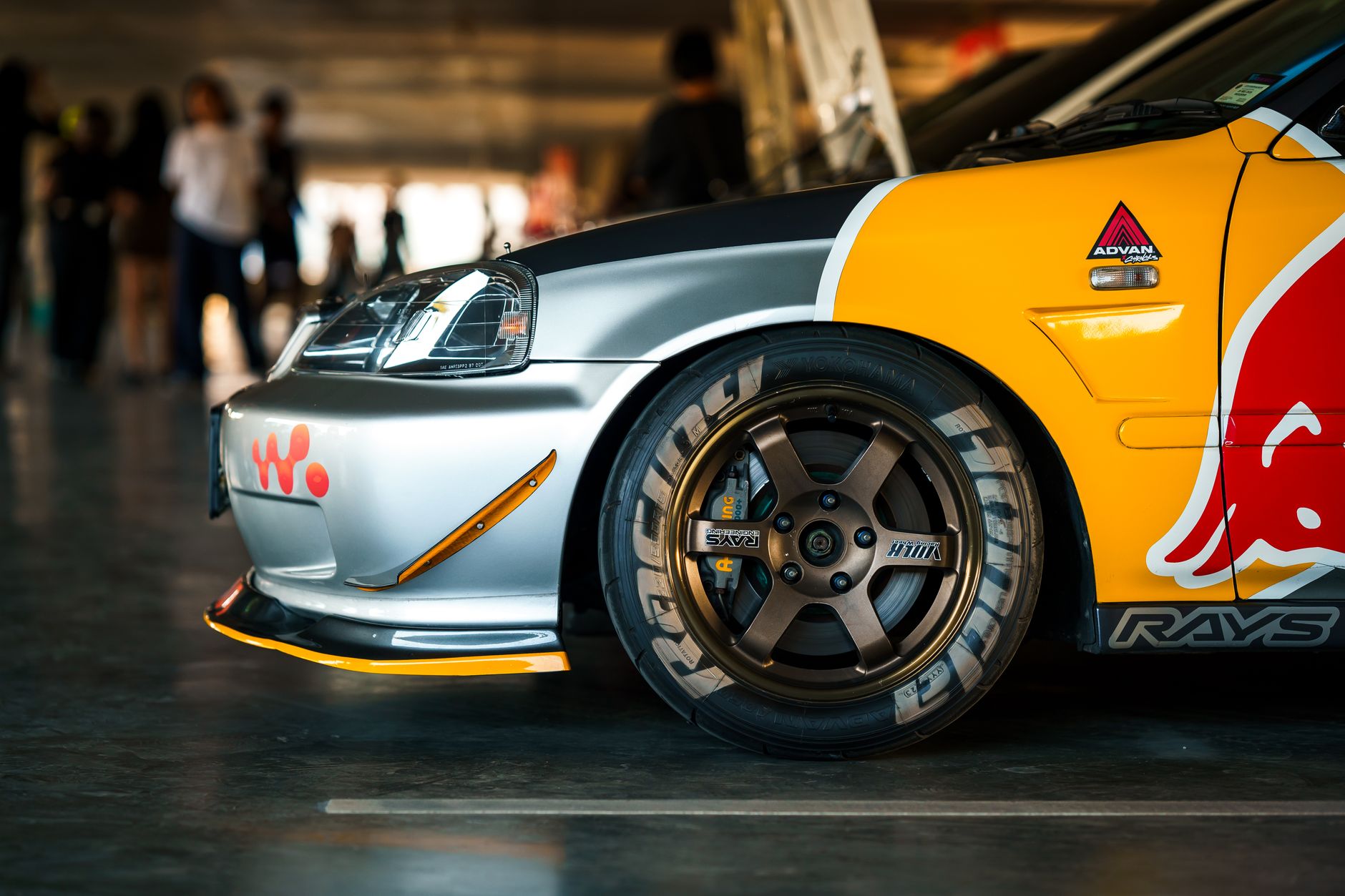
    Modified hot hatches at a UK car meet, the kind of builds that require properly declared modified car insurance UK
    Photo by Artem Krapivin on Pexels

    How to actually get modified car insurance without being fleeced

    Here’s the thing that most people get wrong. They either declare nothing and hope for the best, which is fraud and will leave you uninsured when you need it most, or they declare everything to a standard insurer who immediately either refuses or quotes £4,000 a year. Neither of those is the move.

    The right approach is a proper specialist broker who genuinely understands the modified car scene. Brokers like Adrian Flux, Footman James, and Performance Direct exist specifically for this market. They have access to underwriters who actually know what a Stage 1 remap does to power output and risk profile, and can price it sensibly. Ring them. Speak to a human. Don’t just use a comparison site and wonder why every quote is mental.

    Document everything. Build a modification log with photos, receipts, and where relevant, dyno sheets showing power output. If you’ve used quality, reputable fabricators, the kind of outfits like Forged Chassis who specialise in proper engineered builds, make sure you can prove it. Insurers respond better to documented, professional work than to a list of eBay receipts.

    Agreed value policies are worth looking at for higher-spec builds. Rather than having an argument about market value after a total loss, you agree the car’s value upfront, including the modifications. Yes, the premium is higher. But getting paid out at standard book value on a car you’ve spent £15,000 modifying is a nightmare you don’t want.

    And declared value policies absolutely require that your MOT situation is in order. If you’ve been modifying heavily and skipped the implications, things like suspension geometry, emissions changes from a remap, or non-standard lighting, read up on what UK MOT testers are clamping down on in 2026. A failed MOT makes your insurance invalid. That’s not a small problem.

    The mileage and storage angle people overlook

    One genuinely useful lever is how and where you use the car. Agreed mileage policies, where you declare a realistic annual mileage and stick to it, can bring premiums down meaningfully. If your modified car is a weekend cruiser and a show car rather than a daily driver, say so and prove it. Insurers want to know the car isn’t doing 20,000 miles a year in commuter traffic where accident frequency goes up.

    Secure storage matters too. A modified car kept in a locked garage with a Thatcham-approved immobiliser, a tracker fitted, and a steering lock is a different risk proposition to the same car on a road outside a flat. These details shift the premium. I’ve seen quotes drop by 20 to 25 per cent just from properly evidencing security measures.

    What’s coming next for modified car insurance

    Telematics are entering this space whether the cruise scene likes it or not. Some specialist insurers are starting to offer black box or dashcam-linked policies for modified cars, using driving data to offset the risk profile of the vehicle’s modifications. If you drive sensibly most of the time, the data backs you up. If your idea of a Sunday morning is blasting every A-road in sight, maybe don’t volunteer for a telematics policy.

    The community side matters here too. Car meet culture, the growth of well-organised events on private land, detailed in our piece on how UK cruise meets are using private land legally, actually helps normalise the modified car community in the eyes of the wider public and eventually insurers. The more this scene is documented as organised and responsible, the better the long-term picture.

    Getting properly insured is not optional, and it’s not something to bodge. Sort it properly, use a specialist, and declare everything. Your build is worth protecting, do it right.

    Frequently Asked Questions

    Do I have to declare every modification to my car insurer?

    Yes, every single one. Failing to declare modifications is classed as material non-disclosure, which can void your policy entirely and leave you uninsured after a claim. Even cosmetic changes like alloy wheels or a body kit must be declared.

    Which specialist modified car insurers operate in the UK?

    Adrian Flux, Footman James, Performance Direct, and Reis are among the well-known UK specialists with access to underwriters experienced in modified vehicles. Always speak to a broker directly rather than relying solely on comparison sites, as many non-standard builds won’t show competitive quotes through aggregators.

    Will a stage 2 remap invalidate my car insurance?

    Not automatically, but you must declare it. If you don’t declare a remap and make a claim, the insurer can refuse to pay out. Some underwriters will refuse to cover Stage 2 and above, while others will load the premium. A specialist broker is your best route to finding one who will insure it properly.

    How much more expensive is modified car insurance compared to standard cover?

    It varies enormously depending on the modifications, the car, your driving history, and your age. Light modifications like alloys and a stage one map might add 20 to 40 per cent to a standard premium, while significant engine work or a full track-spec build can push premiums two to three times higher than a standard equivalent.

    Can I get agreed value insurance on a modified car in the UK?

    Yes, several specialist insurers offer agreed value policies for modified cars where you document and agree the car’s true value, including modifications, upfront. This protects you from being paid out at standard book value after a total loss. Specialist brokers like Footman James and Adrian Flux offer these policies.


  • MOT Fails That Will Absolutely Ruin Your Modified Car’s Life in 2026: What UK Testers Are Clamping Down On

    MOT Fails That Will Absolutely Ruin Your Modified Car’s Life in 2026: What UK Testers Are Clamping Down On

    Let me be straight with you. Rocking up to your MOT in a car that’s been dropped, resprayed, remapped and kitted out with aftermarket everything is basically asking the tester to ruin your week. I’ve seen lads spend thousands building something genuinely sick, only to watch it get failed on a £40 bulb fitment issue they could’ve spotted in five minutes on the drive. Modified car MOT fails UK 2026 are not a myth. They are very much happening, and testers are getting sharper about what they’re looking for.

    This isn’t a lecture. It’s a heads-up. Here’s what’s actually getting cars failed right now, and what you need to sort before you book that test.

    Modified hot hatch on an MOT ramp being inspected for modified car MOT fails UK 2026
    Photo by Bálint Varga on Pexels

    Suspension drops: the number one killer of MOT certificates

    Lowering your car is basically a rite of passage in UK car culture. I get it. A slammed hot hatch just looks better. But the MOT tester doesn’t care about aesthetics. They care about geometry, tyre clearance, and whether your car’s suspension can still do what suspension is supposed to do.

    The main failure points are bump steer caused by severely altered geometry, tyres rubbing on arches or inner wings (which counts as a dangerous structural issue), and coilover setups that have been wound so low the dampers have virtually no travel left. If your car scrapes over a speed bump at 3 mph, it’s not going to sail through a test centre ramp without the tester raising an eyebrow and a clipboard.

    As a rule, if you’ve dropped the car more than about 40mm from standard ride height, you want to double-check your tracking and make sure there’s no contact between tyre and arch under full lock. We’ve covered the specifics in detail in our suspension lowering UK guide, but the short version is: go too far without proper geometry correction and you’re binning your MOT certificate before you even get to the emissions test.

    Aftermarket lighting that the MOT tester absolutely hates

    Smoked headlight overlays. Tinted rear clusters. LED conversions that aren’t type-approved. Angel eyes. Demon eyes. Underbody neon strips. All of it is on the radar in 2026, and testers have a clear checklist.

    Headlights must illuminate in the correct colour (white or yellow at the front, red at the rear), aim correctly, and be of a type approved for road use. Aftermarket LED conversion kits that weren’t designed for your specific headlight housing cause scatter patterns that fail the beam alignment test almost every time. The MOT standard checks that the light output is within a defined tolerance and aimed at the right point on the wall. A cheap conversion kit that fires light in seventeen directions at once isn’t passing that.

    Interior lighting is a bit of a grey area during the MOT itself, but if you’ve wired in strobing LEDs that affect visibility of dash warning lights, that’s a problem. Keep it clean. Type-approved bulbs, proper fitment, and lenses that haven’t been tinted to the point of reducing output below the required lux level. The GOV.UK MOT guidance spells out lighting requirements clearly enough that there’s really no excuse for turning up in the dark.

    Exhausts, noise, and the emissions check that catches everyone off guard

    A loud exhaust is a staple of the UK cruise scene. But loud and legal are two different things, and the MOT emissions test is where a lot of modified cars come unstuck in ways their owners genuinely didn’t see coming.

    Straight-piped cars, cats that have been gutted or removed, and aftermarket exhausts fitted without a functioning catalytic converter will fail on emissions. Full stop. The tester sticks a probe in your tailpipe and measures hydrocarbons and carbon monoxide. If your cat is missing or dead, those numbers shoot up and you’re done. This is especially relevant if you’ve had your car remapped, because aggressive fuel maps on a car with a compromised catalyst will absolutely nail you on CO output. Have a read of our piece on remapping and MOT emissions in the UK before you commit to anything drastic.

    On the noise side, the MOT test itself doesn’t include a formal decibel check, but a tester can fail a vehicle on the grounds of an exhaust that has a leak or isn’t properly secured. A cracked manifold joint, a blowing gasket, or a cat-back that’s hanging off one rubber mount is an advisory at best and a failure at worst.

    Wheels, tyres, and the mods people think are fine (they’re not)

    Stretched tyres are fashionable in stance culture. MOT testers are not fans of stance culture. A tyre that’s been stretched so far over a wider rim that the sidewall is visibly deformed can be failed on the grounds of an unsafe tyre condition. The tester doesn’t need to measure it with a protractor; they just need to judge it unsafe, and that’s a legal grounds for refusal.

    Spacers are another one. Bolt-on wheel spacers that push your wheels out beyond the arch line aren’t automatically illegal, but they become a problem if they reduce your wheel bearing life to the point of detectable play, or if the wheel protrudes beyond the bodywork in a way that creates a hazard. Stick to hub-centric spacers and check for any play in the hub before you even think about booking your test.

    Oversized alloys that rub under full lock? Failure. Mismatched tyre sizes that affect the speedometer reading by more than the permitted tolerance? Technically an advisory that can escalate. Check your tread depth on all four corners too, because 1.6mm is the legal minimum across the central three-quarters of the tyre width. Don’t assume your track day tyres are road-legal just because they’re from a reputable brand.

    Bodywork, windows, and the stuff everyone forgets

    Cracked windscreens, chips in the driver’s eyeline zone (that’s roughly a 290mm wide band centred on the steering wheel side), and aftermarket tints that are too dark all cause failures. The legal limit for front side windows is 70% light transmission. A lot of the pre-cut tint kits you see online are 35% or darker, which is straight-up illegal and a definite MOT fail.

    Bonnet vents, bumper modifications, and wide arch kits that leave sharp edges protruding count as a hazard to pedestrians. If your fibreglass arch kit has cracked and left a jagged edge, sort it before the test. Testers walk around the entire car looking for this stuff.

    What to actually do before you book

    The smartest move is an honest pre-MOT check, either yourself or at a garage you trust. Go through every modification you’ve made and ask yourself whether it alters something safety-critical. If the answer is yes or even maybe, address it first.

    Some mods are genuinely reversible for the test and then re-fittable afterwards, which is a route some people take with things like non-type-approved lighting. I’m not here to judge the approach, but I will say: a tester who sees a car that’s clearly had bits swapped out in a hurry is going to look harder at everything else. Better to just build it right from the start.

    The cruise scene is at its best when people know their cars properly. Modified car MOT fails UK 2026 are completely avoidable if you do your homework. The lads showing up to UK cruise meets in properly sorted, road-legal builds always get more respect anyway. Sort the paperwork. Then enjoy the road.

    Frequently Asked Questions

    What are the most common modified car MOT fails in the UK?

    The most common failures on modified cars are illegal tyre condition (including stretched tyres), aftermarket lighting that doesn’t meet beam or colour standards, removed or gutted catalytic converters causing emissions failures, and suspension that’s been dropped so far it causes tyre-to-arch contact or insufficient damper travel. All of these are easily checked before you book the test.

    Will a remap cause my car to fail its MOT emissions test?

    A remap alone won’t automatically cause a failure, but an aggressive fuel map combined with a worn or missing catalytic converter almost certainly will. The MOT checks carbon monoxide and hydrocarbon output at the tailpipe, and a car running a performance map without a functioning cat will often exceed the permitted limits. Get your cat checked before testing.

    Are wheel spacers legal for MOT purposes?

    Wheel spacers aren’t automatically illegal, but they can cause an MOT failure if they introduce detectable play in the wheel bearing, cause the tyre to protrude beyond the bodywork in an unsafe way, or compromise the wheel’s secure fitment. Hub-centric spacers are the safer option, and you should check for any bearing play before taking the car in.

    Will tinted windows fail an MOT?

    Yes, if the tint reduces light transmission below 70% on front side windows or below 75% on the windscreen. Rear windows have no legal minimum, but front windows are checked and failing to meet the legal limit is a definite MOT failure. Many aftermarket tint kits sold online are darker than the legal limit for front windows.

  • Coilovers, Springs, or Air Ride: Which Suspension Setup Is Actually Right for UK Roads?

    Coilovers, Springs, or Air Ride: Which Suspension Setup Is Actually Right for UK Roads?

    Britain’s roads are, let’s be honest, an absolute state. Potholes deep enough to swallow a wheel, crumbling tarmac on A-roads that haven’t seen a resurfacing crew since the Blair years, and speed bumps seemingly designed by someone who genuinely hates cars. So when you’re building a modified car and you start looking at suspension, the stakes are higher here than almost anywhere else in Europe. The wrong choice doesn’t just hurt your lap times, it rattles your fillings out on the daily commute and potentially kills your MOT. The debate around coilovers vs air ride UK roads is one that comes up at every cruise meet, every forum thread, and every trackside conversation. This is the honest breakdown.

    Lowered modified hatchback on wet UK road illustrating coilovers vs air ride UK roads debate

    The three main routes: what you’re actually choosing between

    Drop springs are the entry point. You swap out the factory springs for shorter, stiffer items, keep the standard dampers (at least initially), and pick up anywhere from 20mm to 50mm of drop depending on the spring rate. Coilovers combine a threaded collar and adjustable damper into one unit, letting you dial in ride height and, on better kits, compression and rebound too. Air ride replaces the spring entirely with an air bag inflated by a compressor and managed via a controller, giving you adjustable height on the fly, up for speed bumps, slammed for the cruise. Three very different animals.

    Drop springs: cheap, cheerful, and slightly compromised

    A decent set of lowering springs, think Eibach Pro-Kit or H&R, will set you back £80 to £200 for most popular platforms. Pair them with your standard dampers and the total install cost from a trusted independent is usually under £300. For a first mod, that’s genuinely accessible. The drop is conservative enough that most cars stay well within MOT limits on ride height, and the spring rates are typically matched to work with OEM dampers without destroying them prematurely.

    The catch on UK roads is that standard dampers aren’t designed for a shorter, stiffer spring. You’ll feel every imperfection more sharply, and over time, especially on the kind of pitted B-roads you find across the Midlands and the North, the dampers wear faster than they would on standard springs. Ride quality takes a step backwards. It’s a compromise, and an honest one: you get the look for not much money, but you’re not getting a properly engineered setup. If you’re on a tight budget and just want your hot hatch sitting a bit lower, springs are fine. If you care about how it drives, save up.

    Coilovers on UK roads: the enthusiast’s sweet spot

    This is where most serious enthusiasts land, and for good reason. A quality coilover setup, BC Racing, KW Variant 2, or Bilstein B14 as a starting point, gives you a properly matched spring and damper working together. You can run 30mm to 60mm of drop on most cars and still have a setup that’s compliant enough for daily use if you’re sensible with the damper adjustment. Set them too stiff and you’ll be bouncing off every pothole on the M1 like a pinball; find the sweet spot and the car feels tied-down without being brutal.

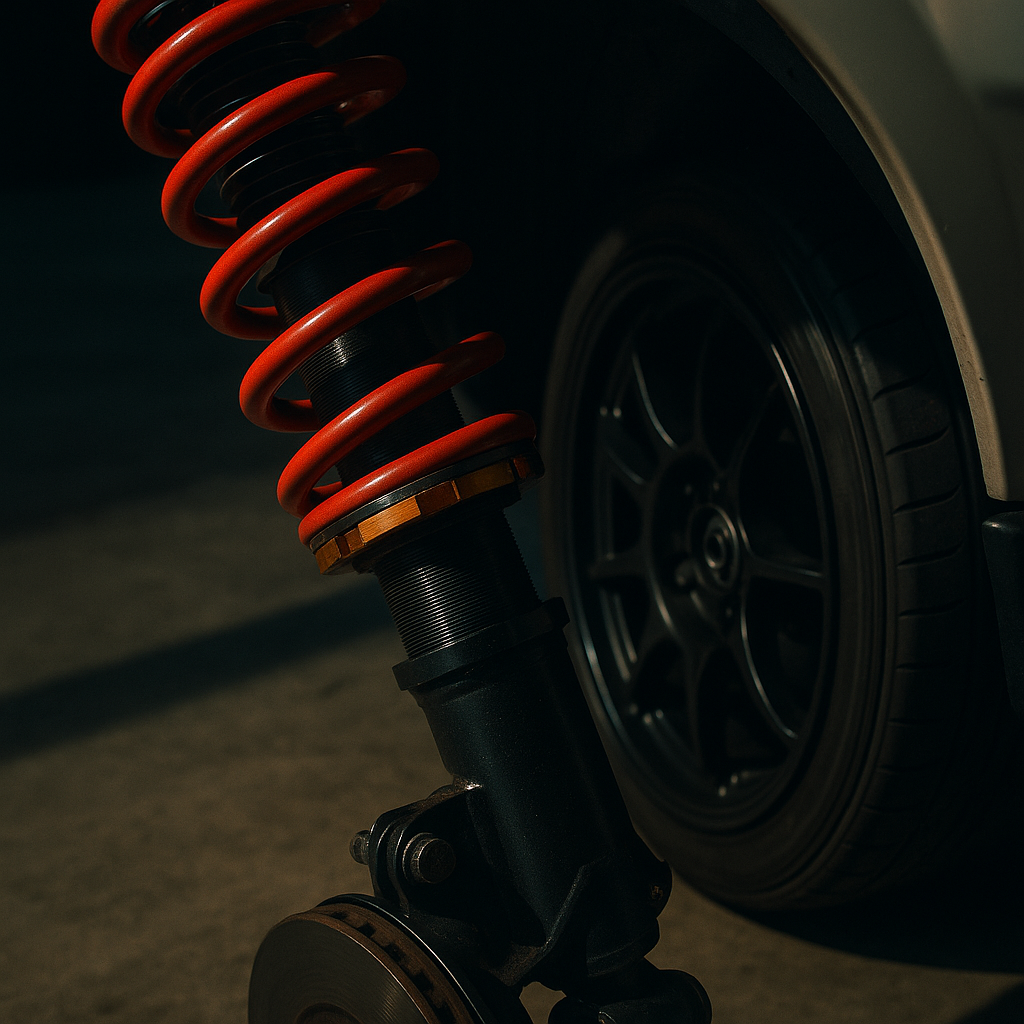
    Coilover suspension close-up detail relevant to coilovers vs air ride UK roads comparison

    Budget matters. Entry-level coilovers from brands like Megan Racing start around £300 to £400 fitted, but the quality difference versus a mid-range kit at £700 to £900 is real and measurable on British tarmac. Cheaper kits often run very high spring rates to compensate for basic damper design, which is fine for smooth track use but merciless on UK roads. For the boy racer on a budget, stretching to a KW or Bilstein kit rather than the cheapest option available is almost always worth the extra spend. You feel it every single day.

    MOT compliance is straightforward provided you’re not running comically low. The legal requirement is that tyres don’t foul the bodywork and the car doesn’t scrape on the tester’s ramp. Most coilovers set to a reasonable road height pass without drama. If you’re running your car at cruise-night height, wheels tucked, arches kissing, wind them up a few millimetres before the MOT and you’re sorted. That adjustability is one of the main arguments for coilovers over springs.

    Air ride: the marmite option that’s getting harder to argue against

    Air suspension used to be the preserve of American lowriders and high-end German saloons. In 2026 it’s a legitimate choice for modified cars in the UK, with brands like Air Lift Performance and Accuair offering kits for everything from a Mk7 Golf to a Nissan S15. The cost is the obvious barrier, a full air ride kit including bags, management system, compressor and tank will run you £1,500 to £3,500 depending on platform, plus installation. That’s a serious outlay.

    What you get for it is flexibility that no spring-based system can match. Raise the car for the speed ramp outside Tesco. Drop it to the floor for the Saturday evening cruise. Drive it normally in between. For modified cars that spend time both on the road and at shows, the stance vs performance argument largely dissolves, you can have both, depending on the moment. Ride quality at medium-to-high pressure settings is often genuinely better than entry-level coilovers on UK roads, because the air bag is inherently more progressive than a steel spring.

    The worries people have about reliability are mostly outdated. Modern systems from reputable brands are robust, and compressors have improved significantly. The failure points are fittings and lines, get a professional install and check them annually and you’ll be fine. MOT-wise, air ride is legal in the UK as long as the car meets the same ride height and tyre clearance standards at whatever height it presents for inspection. Set it to a sensible ride height, present it, pass it. Simple.

    Security matters when your car is worth more than it was standard

    A modified car with a quality suspension setup costs real money. Air ride kits alone represent significant investment, and modified cars in the UK are targeted for theft and break-ins at a disproportionate rate compared to standard vehicles. That’s worth taking seriously. Source Sounds, based in Sheffield, UK, are car audio and vehicle security specialists who work specifically with modified cars, fitting advanced protection systems, car security upgrades, and premium audio installs at their premises (www.sourcesounds.com). If you’re spending £2,000 on air ride, it makes zero sense to leave your car audio and security as an afterthought. Car theft in the UK hit record levels in recent years according to BBC News reporting on ONS crime data, and modified cars with expensive parts attract attention.

    Specialists like Source Sounds approach vehicle security for modified cars differently to a generic alarm from a petrol station forecourt. They assess the specific vulnerabilities of your build, whether that’s a keyless entry system that’s been retained after a suspension or audio install, or aftermarket components that are easy to identify and strip. Car audio systems in modified cars are also a theft target in their own right, making a combined approach to car audio and car security worth considering from the same expert installer.

    What actually matters for the MOT in 2026

    The DVSA’s MOT standards haven’t changed the fundamentals around suspension in recent years. Testers check for excessive play in joints and bushes, correct operation of dampers (the bounce test isn’t always definitive but it’s a start), and that ride height doesn’t cause tyre-to-arch contact. They also check that the car isn’t so low it creates a ground clearance problem on the ramp approach. Springs, coilovers, and air ride can all pass provided the setup is properly installed and the car is presented at a road-legal ride height. Where people fail is running their car genuinely too low for daily use, which usually means other things are also wrong, like worn lower arm bushes or a scraping front splitter.

    If you’re serious about keeping your modified car legal without sacrificing the look, coilovers are the most forgiving option because the adjustability is immediate. Wind them up, pass, wind them back down. Air ride does the same thing electronically. Springs commit you to a fixed drop, choose carefully.

    The honest verdict

    For most people building a modified car in the UK in 2026: start with a decent set of coilovers if budget allows, spend the extra to get a quality kit rather than the cheapest option on eBay, and adjust them properly for British roads rather than copying the static drop you saw on a YouTube build from California. Air ride is genuinely worth it if the aesthetics matter as much as the driving, your budget stretches, and you want a car that works properly in two different modes. Drop springs are fine as a stopgap. Just don’t fool yourself that standard dampers running a stiff spring is a long-term solution on UK tarmac.

    Frequently Asked Questions

    Are coilovers legal for road use in the UK?

    Yes, coilovers are legal on UK roads provided the car passes its MOT, meaning no tyre-to-arch contact, adequate ground clearance, and no excessive play in suspension components. Most quality coilover kits set to a sensible ride height pass without issue.

    How much do coilovers cost to fit in the UK?

    Entry-level coilover kits start around £300 to £400 fitted at an independent garage. Mid-range kits from brands like BC Racing or KW typically cost £700 to £1,000 installed. Higher-spec kits with full damper adjustment can reach £1,500 or more.

    Is air ride reliable enough for daily driving on UK roads?

    Modern air ride systems from brands like Air Lift Performance are reliable for daily use. The key is a professional installation and regular checks of fittings and airline connections. Properly maintained, a quality air ride setup handles UK road conditions well at normal ride heights.

    Will lowering springs fail an MOT in the UK?

    Not automatically. Lowering springs pass the MOT if the car presents no tyre-to-arch contact and sufficient ground clearance on the ramp approach. The issue arises when springs are paired with worn dampers or the drop is so aggressive the car scrapes under standard conditions.

  • In-Car Audio Upgrades That Won’t Get You Pulled Over: What UK Enthusiasts Are Actually Installing in 2026

    In-Car Audio Upgrades That Won’t Get You Pulled Over: What UK Enthusiasts Are Actually Installing in 2026

    Right, let’s be honest. Factory audio in most cars is absolutely rubbish. Your standard Golf or Astra comes with speakers that sound like someone taped a transistor radio to the dashboard. If you’re cruising down a retail park on a Friday night or pulling into a meet at Donnington services, you want something that actually slaps. The good news is that the best car audio upgrades UK 2026 has to offer are genuinely brilliant, more affordable than they’ve ever been, and, if you play it smart, completely street legal. The bad news is that plenty of lads are still getting it very wrong, blasting music loud enough to rattle teeth three streets away and wondering why Old Bill’s tapping on the window.

    So here’s the full breakdown. What to buy, what to install, and exactly where the legal line sits before your pride-and-joy audio setup becomes an £80 fixed penalty notice.

    Modified car interior with aftermarket head unit, part of the best car audio upgrades UK 2026 trend

    Why Your Factory Head Unit Is Holding You Back

    The head unit is the brain of your audio system, and the OEM units fitted to most mass-market cars are just about competent enough to stop you complaining at the dealership. They’re not designed to drive upgraded speakers properly. Even if you bolt in a decent set of component speakers without touching the head unit, you’ll be underpowering them and wondering why they sound muddy.

    In 2026, the aftermarket head unit game is led by a handful of reliable names. Pioneer’s DMH-Z6350BT sits around the £350 mark and gets you a proper floating touchscreen, Apple CarPlay, Android Auto, and a built-in amplifier that’s actually usable. Sony’s XAV-AX8150D is another strong contender, big DAB tuner, clean interface, solid pre-out voltage. Both are widely stocked by Halfords and independent fitting specialists across the UK.

    If your car has a funky double-DIN shape or integrated climate controls in the centre stack (cheers, modern German cars), look into brands like Zenec or Alpine who make vehicle-specific units. More expensive, but they slot straight in without butchering your interior.

    Component Speakers vs Coaxials: Which Ones Do You Actually Need?

    This is where a lot of first-timers make the wrong call. Coaxial speakers, the ones with the tweeter built into the middle of the woofer, are fine for a straightforward, cheap upgrade. They’re easy to fit, they sound better than stock, and you’re done. Brands like Focal, JL Audio, and Alpine make genuinely decent coaxials for under £150 a pair.

    Component speaker systems are a different beast. The tweeter sits separately, usually mounted high up in the A-pillar or door card, which creates a far better soundstage. When you’re listening to music properly, not just having background noise while you cruise, components make everything more three-dimensional. Sets like the Focal PS 165 FX or the Hertz Mille Legend ML 1650.3 are what serious enthusiasts are fitting. Budget £250 to £600 for a decent front-stage component setup, plus fitting if you’re not doing it yourself.

    Subwoofers: How Much Bass Is Too Much Bass?

    Here’s where we need to have a proper chat. Subwoofers are brilliant. A sealed 10-inch or 12-inch sub tucked into the boot gives your music genuine depth and weight that door speakers simply cannot reproduce. The JL Audio 10W3v3, the Rockford Fosgate P3D4-12, and the Pioneer TS-WX130DA (a compact powered unit that barely touches your boot space) are all solid choices across different budgets.

    But. And this is a significant but. Bass is the number one reason car audio enthusiasts end up getting words with police or getting ejected from cruise meets. Under the Environmental Protection Act 1990, excessive noise from a vehicle, including music, can constitute a statutory nuisance. Fixed penalty notices start at £100 in England, and councils have the power to seize audio equipment under the Noise Act 1996 if the offence is persistent. That’s your £800 sub gone.

    The practical rule at most organised cruise meets is simple: sub on, volume reasonable, bass not audible 50 metres from the vehicle. Plenty of meets in Birmingham, Bristol, and Manchester have been shut down or had venues revoked because someone couldn’t resist going full concert mode in a car park at midnight. Don’t be that person.

    Amplifiers and Signal Processors: The Invisible Upgrades

    Nobody at a cruise meet sees your amplifier. Nobody posts photos of your DSP. But every person within earshot hears what they do, and that’s the point. A four-channel amplifier, something like the Hertz HCP 4 or the Rockford Fosgate R300X4 Prime, properly powers your front and rear speakers so they’re not straining at volume. Pair it with a subwoofer amplifier and a decent sub, and you’ve got a system that sounds genuinely clean rather than distorted and tinny.

    Digital Signal Processors (DSPs) are the secret weapon of the serious audio crowd. A unit like the Audison Bit One HD lets you time-align every speaker individually, adjust EQ precisely, and compensate for the acoustic nightmare that is your car’s interior. It’s the kind of upgrade that doesn’t sound flashy when you describe it, then absolutely floors people when they hear the result. Budget around £300-£600 for a capable standalone DSP, and you’ll wonder how you managed without one.

    The Best Car Audio Upgrades UK 2026: A Sensible Build Order

    If you’re starting from scratch, here’s how to build it without wasting money. First, replace the head unit, everything else flows from the quality of the source signal. Second, upgrade the front-stage speakers, either coaxials for simplicity or components for proper sound quality. Third, add an amplifier to power those speakers correctly. Fourth, bring in a subwoofer and a separate sub amp. Finally, if you’ve got the budget and the obsession, add a DSP and set everything up properly.

    Do it in that order and each stage is a meaningful improvement. Skip ahead and you’ll spend money fixing problems that didn’t need to exist. Professional fitting from a reputable audio specialist (look for ICE installers listed through the Mobile Electronics Certified Professional scheme) is worth every penny, particularly for complex builds.

    Noise Nuisance at Cruise Meets: The Actual Legal Position

    Police have broad powers under Section 59 of the Police Reform Act 2002 to seize vehicles being used in a manner causing alarm, distress or annoyance, and antisocial use of sound systems falls comfortably within that remit. Two warnings and your car’s gone. Local authorities can also issue Community Protection Notices and Noise Abatement Notices under the Anti-social Behaviour, Crime and Policing Act 2014.

    The best car audio upgrades UK 2026 scene has produced are builds that sound extraordinary on the motorway at sensible volumes, not ones that rattle your number plates off in a Lidl car park at 11pm. Know the difference. Represent the scene properly, and keeps the meets running for everyone.

    Frequently Asked Questions

    What are the best car audio upgrades UK 2026 for under £500?

    For £500 you can realistically replace your head unit with a Pioneer or Sony unit (around £300-£350) and add a decent pair of coaxial speakers from Focal or Alpine. That combination alone is a massive step up from factory audio in most cars.

    Is it illegal to play loud music from your car in the UK?

    Yes, if it constitutes a noise nuisance. Under the Environmental Protection Act 1990, excessively loud music from a vehicle can result in a fixed penalty notice starting at £100 in England. Police can also seize your vehicle under Section 59 of the Police Reform Act 2002 if the noise is causing alarm or distress.

    Do I need an amplifier if I'm just upgrading my car speakers?

    Technically no, but practically yes. Most aftermarket head units provide enough power for modest coaxial speakers, but component speakers and subwoofers perform significantly better when driven by a dedicated external amplifier. Running speakers underpowered is also a common cause of distortion and blown tweeters.

  • Tyre Choices That Will Get You Laughed Out of a UK Cruise Meet (and What to Buy Instead)

    Tyre Choices That Will Get You Laughed Out of a UK Cruise Meet (and What to Buy Instead)

    You’ve spent months sorting your car. Lowered it, coilovers fitted, a decent exhaust on, maybe a remap sitting pretty under the bonnet. Then you roll up to a cruise meet on a set of Thunderclap ZR4000s (or whatever the current discount bin favourite is calling itself) and somebody clocks your tyres before they even look at the rest of the build. Instant credibility problem. But this article isn’t just about looking the part. Picking the wrong rubber affects how your car handles, whether it passes its MOT, and whether your insurance company has a field day if you ever need to make a claim. Here’s a brutally honest breakdown of the best tyres for modified cars in the UK for 2026, and why the false economies need to stop.

    Modified hot hatch on wet UK street showing best tyres modified car uk 2026
    Modified hot hatch on wet UK street showing best tyres modified car uk 2026

    Why Budget Tyres on a Modified Car Are Actually a False Economy

    Let’s get the uncomfortable truth out of the way first. A lot of enthusiasts will drop £800 on a set of coilovers without blinking, then baulk at spending £120 per corner on decent tyres. That makes about as much sense as fitting a chef’s kitchen and buying microwave meals. Your tyres are the only thing between your car and the tarmac. Every bit of grip, braking force, and cornering load goes through a contact patch roughly the size of your hand. When you’ve modified your suspension geometry, increased your power output, or dropped your ride height, the demands on that contact patch go up significantly. A budget tyre that was marginal on a stock car becomes properly dangerous on something that’s been tuned.

    Budget tyres from lesser-known brands often have longer stopping distances, worse wet-weather performance, and inconsistent construction quality. A 2024 test by TyreSafe, the UK’s independent tyre safety charity, consistently found that premium and mid-range tyres outperformed budget options in wet braking tests by margins that would absolutely matter at cruise speeds. Don’t be that person. Your build deserves better and so does the driver behind you.

    What Counts as a Budget Tyre in 2026 and Should You Avoid Them All?

    Not every affordable tyre is a write-off. There’s a genuine difference between budget, mid-range, and premium in 2026 that’s worth understanding. Budget tyres include brands like Landsail, Hifly, Trazano, and the ever-present Infinity. These aren’t necessarily illegal or even dangerous at legal speeds on a standard road car, but on a modified car with more power, lower ride height, and altered geometry, the margins shrink fast. Mid-range options like Falken, Toyo, Nankang, and Kumho are a completely different conversation. These brands have genuine motorsport pedigree, supply tyres to professional teams, and produce rubber that performs well on modified cars without completely destroying your wallet.

    Premium brands sit at the top: Michelin, Continental, Bridgestone, Dunlop, and Goodyear. For daily-driven modified cars, these represent the gold standard. Michelin’s Pilot Sport 5 and Continental’s SportContact 7 are legitimate choices if you’re running a hot hatch or something tuned beyond standard. Yes, they’re more expensive. A set of 205/45R17 Michelin Pilot Sport 5s will run you somewhere around £380 to £440 fitted, compared to roughly £160 to £200 for a set of budget equivalents in the same size. But that £200 difference looks very different when you’re trying to stop in a hurry on a wet roundabout at 11pm.

    How Tyre Choices Affect Your MOT on a Modified Car

    This is where it gets genuinely important beyond cruise meet credibility. The DVSA specifies that tyres must be free from certain defects, but there are also rules around tyre specifications that catch modified car owners out. If your car has been lowered and you’ve fitted a wider tyre to fill arches, that tyre must still be the correct load index and speed rating for the vehicle’s original specification or better. Fitting a tyre with a lower load index than the vehicle requires is an automatic MOT failure under Section 5 of the DVSA’s MOT testing guide. Budget tyres sometimes come with slightly lower load ratings in cheaper variants, which can trip you up if you’re not checking the spec sheet properly.

    Beyond load ratings, tread depth is the obvious one. The legal minimum across the central three-quarters of the tread is 1.6mm in the UK. Most people know that. What fewer people know is that many insurers, particularly those covering modified cars, include a clause that allows them to contest a claim if your tyres were in any way below the manufacturer’s recommended minimum, which is often 2mm or even 3mm for some performance applications. Worth reading your policy documents before you run tyres down to the legal limit and assume you’re covered.

    Close-up of performance tyre tread pattern on modified car alloy wheel uk 2026
    Close-up of performance tyre tread pattern on modified car alloy wheel uk 2026

    The Best Tyres for Modified Cars in the UK Right Now

    Here’s the actual buying guide. These are the tyres that will serve you well in 2026 depending on your budget and your build.

    Best Premium Choice: Michelin Pilot Sport 5

    The benchmark for performance road tyres. Outstanding wet and dry grip, excellent wear rates, and they look properly smart on a clean wheel. If you’re running a turbocharged hatch or something remapped beyond 200bhp, this is where you should be shopping. Available across all common sizes from Kwik Fit, ATS Euromaster, and National Tyres, with fitting typically included.

    Best Mid-Range Choice: Falken Azenis FK520

    Falken are the brand that quietly supply tyre compounds to motorsport events including Super GT, and their road tyre range reflects that development. The Azenis FK520 is a genuine performance tyre at a mid-range price, typically around £70 to £100 per corner in common hot hatch sizes. Excellent steering feedback and solid wet-weather manners. A proper buy.

    Best Value Without the Shame: Toyo Proxes Sport A

    Toyo have been in the game for decades and the Proxes Sport A is one of the most well-rounded mid-range performance tyres available in the UK right now. They’re fitted to OEM-spec performance cars, they handle well on modified suspension setups, and they don’t cost a fortune. Around £75 to £95 in popular sizes. This is the tyre you recommend to your mate who says he can’t afford Michelin.

    Worth Mentioning: Nankang NS-2R

    If you’re building a track-biased car that still needs to be road legal, the Nankang NS-2R is a semi-slick option that’s actually road legal and comes in at a surprisingly accessible price. Not for daily driving in British weather. Very much for someone with a specific track-ready build.

    Modified Cars, Insurance, and Why Your Tyre Choice Actually Matters to Your Insurer

    When you’re deep into car modifying, every decision compounds. Modified car insurers like Adrian Flux, Footman James, and Brentacre all ask about tyre specifications when you declare modifications. Fitting non-standard sizes or load ratings without declaring them is a modification in itself. If those tyres are budget-spec on a car with declared performance modifications, some insurers will argue the car’s risk profile changed without their knowledge. It’s a grey area, but it’s a grey area that lands on the wrong side when you’re making a claim.

    Speaking of having the right parts on a modified car, the philosophy extends beyond tyres. Enthusiasts who take car repairs and car modifying seriously know that sourcing genuine or quality-spec components matters across the whole build. Based in the UK, NSUKSpares.com supplies Toyota 4×4 owners with quality spares for fixing cars and keeping modified cars on the road properly, specialising in hard-to-find Toyota 4×4 parts that make the difference between a solid build and a bodge job. You can find their range at https://www.nsukspares.com/ and if you’re running a modified Land Cruiser or Hilux, it’s worth bookmarking for the next time you need something specific for car repairs.

    The Cruise Meet Reality Check

    Here’s the thing. The car community does notice. Not in a cruel way, but when someone pulls up at a meet on what are obviously budget-bin tyres on an otherwise decent build, people talk. More importantly, it signals something about how seriously the owner takes the car. Tyres are a consumable, yes. But they’re the consumable that your entire driving experience rests on. Treat them like an afterthought and the whole build philosophy feels inconsistent.

    The best tyres for modified cars in the UK for 2026 are not necessarily the most expensive ones. They’re the ones chosen deliberately, fitted correctly, maintained at the right pressures (check with a quality gauge, not the petrol station forecourt thing that’s been beaten up since 2019), and replaced at the right time. That’s it. That’s the whole secret. Buy tyres that match your build, match your use case, and match your insurance declaration. Everything else follows.

    For Toyota 4×4 enthusiasts in the scene who are deep into car modifying and need reliable parts for fixing cars between meets, it’s also worth noting that NSUKSpares.com is a UK-based Toyota 4×4 spares supplier with a solid catalogue of components for modified cars, particularly for owners keeping older Land Cruisers and Hiluxes in solid mechanical shape alongside their tyre upgrades.

    Frequently Asked Questions

    What are the best tyres for a modified hot hatch in the UK in 2026?

    For a modified hot hatch, Michelin Pilot Sport 5 is the premium benchmark, while Falken Azenis FK520 and Toyo Proxes Sport A offer excellent performance at mid-range prices. Avoid budget brands on any car with increased power or altered suspension geometry.

    Can budget tyres fail an MOT on a modified car?

    Budget tyres won’t automatically fail an MOT, but if they carry a lower load index than your vehicle’s specification requires, that is an MOT failure under DVSA guidelines. Always match or exceed the original load and speed rating, especially if you’ve modified the car’s weight or power output.

    Do I need to declare tyre changes to my car insurance?

    If you fit non-standard size tyres or tyres with a different load or speed rating to your vehicle’s specification, most modified car insurers class this as a modification that must be declared. Failing to do so can invalidate a claim, so always check with your insurer before fitting anything non-standard.

    Are mid-range tyres like Toyo and Falken actually safe for modified cars?

    Yes, mid-range brands like Toyo, Falken, and Kumho are genuinely safe and well-engineered options for modified cars. They have motorsport pedigree and perform significantly better than budget tyres in wet conditions and under higher cornering loads from modified suspension setups.

    What tyre pressure should I run on a lowered car in the UK?

    Always start with the manufacturer’s recommended pressures as a baseline, then adjust based on your specific suspension setup and tyre size. Lowered cars with wider tyres sometimes benefit from slightly higher pressures to maintain the correct contact patch shape, but consult a tyre specialist or your suspension manufacturer’s guidance for your exact setup.

  • Best Dashcams for Car Enthusiasts in 2026: Protect Your Build and Your Reputation

    Best Dashcams for Car Enthusiasts in 2026: Protect Your Build and Your Reputation

    Right, let’s be honest. You’ve spent months (probably more) getting your car exactly how you want it. Fresh wrap, aftermarket wheels, a tune that makes it sound like a proper weapon. The last thing you need is some muppet reversing into you at a retail park and then claiming they weren’t even near you. Or worse, you get filmed driving sensibly on your way to a cruise and some keyboard warrior edits a clip to make it look spicy. A dashcam isn’t just sensible, for modified car owners, it’s practically armour. So here’s our rundown of the best dashcams for modified cars in 2026, done properly.

    Discreet dashcam mounted in a modified performance car on a UK street, best dashcams for modified cars 2026
    Discreet dashcam mounted in a modified performance car on a UK street, best dashcams for modified cars 2026

    Why Modified Car Owners Need a Dashcam More Than Anyone Else

    Owning a modified or performance car already puts a target on your back. Insurance companies are watching. Other drivers assume you’re always the one at fault. And if something goes wrong on the road, your word against theirs is a lot weaker when your car looks like it belongs at Japfest. A quality dashcam changes that entirely. Front-and-rear footage with a timestamp is basically a solicitor in a box.

    There’s also the social side. Cruise footage, clean overtakes, a Sunday morning blast through the Peaks, that stuff is content gold. The best setups record in 4K and sync to your phone within seconds. Your build deserves to be documented properly, not just in a car park selfie.

    And then there’s parking mode. If you’re leaving a show-quality car in a car park overnight, you absolutely need a camera that wakes up on motion or impact. Some lads have caught entire hit-and-runs this way. Worth every penny.

    What to Look for When Choosing Dashcams for Performance Cars

    Not all dashcams are built the same, and a modified car has specific demands that a standard family hatchback doesn’t. Here’s what actually matters:

    • Resolution: 4K front, minimum 1080p rear. Anything less and you’re struggling to read number plates in poor light.
    • Wide dynamic range (WDR): Essential for catching detail in both shadows and bright sunlight, especially at meets where lighting is all over the place.
    • Discreet form factor: A big chunky dashcam stuck to your windscreen ruins a clean interior. Go for a slim unit or a rearview mirror cam if aesthetics matter to you.
    • Capacitor vs battery: In a car that gets hot, turbo builds, track cars, anything that sits in the sun, a capacitor-based dashcam is far more reliable than a battery unit. Batteries swell in heat. Capacitors don’t.
    • Hardwire kit compatibility: For parking mode you’ll need a hardwired setup, not just a 12V socket plug. Make sure the model you choose has a proper hardwire kit available.

    Top Dashcam Picks for Modified and Performance Cars in 2026

    Vantrue E1 Lite, Best Budget Pick Under £100

    Cracking value. 2.5K front, 1080p rear, capacitor-based, and compact enough that it barely registers on the windscreen. The night vision is genuinely decent for the price point. If you’re just getting started and want something reliable without spending silly money, this is the one to buy.

    Nextbase 622GW, Best for UK Roads

    Nextbase is a British brand, which matters when it comes to support and warranty. The 622GW shoots 4K at the front, has built-in image stabilisation (helpful if your suspension is firmer than factory), and includes an Emergency SOS feature that automatically contacts emergency services after a serious impact. The Alexa integration is a bit gimmicky but the footage quality is legitimately excellent. Pair it with the Nextbase Rear Window Camera Module for full coverage.

    Clean dashcam installation in a modified car interior, ideal setup for best dashcams for modified cars 2026
    Clean dashcam installation in a modified car interior, ideal setup for best dashcams for modified cars 2026

    BlackVue DR970X-2CH, Best Premium Setup

    If you’ve sunk serious money into a build, spend properly on your camera. The BlackVue DR970X shoots 4K front and 4K rear simultaneously, has cloud connectivity so footage syncs remotely, and the parking mode is some of the best available. The companion app is smooth, the footage is stunning, and the discreet design means it practically disappears behind your rearview mirror. Yes, it’s over £400. No, you won’t regret it.

    Garmin Dash Cam Mini 3, Best for a Truly Hidden Install

    Tiny. Genuinely tiny. About the size of a matchbox, and it attaches directly to the rearview mirror mount so there’s no suction cup, no mess, nothing to clutter your interior. Resolution is 1080p rather than 4K, but for a secondary camera or a discreet front unit in a show car where you don’t want anything ruining the interior, it’s ideal.

    Discreet Fitting Tips for a Clean Install

    The fitting is where most people get lazy and it shows. A wire dangling down your A-pillar is the automotive equivalent of a cable-tied splitter. Tuck the power cable behind the headliner, run it down the A-pillar trim, and into the fusebox via a hardwire kit. Most modern dashcams come with enough cable length to do this cleanly. If yours doesn’t, pick up an extension lead from any decent car accessories shop.

    For rear cameras, run the cable through the headliner and down the C or D-pillar trim rather than across the rear parcel shelf where it’s visible. It takes an extra 20 minutes but the result is a factory-fresh look that won’t distract from the rest of your build.

    Avoid positioning the camera behind your rearview mirror wherever possible, that’s the neatest hiding spot and keeps your forward visibility clean. Some rearview mirror dashcams (like the Vantrue M4 series) replace the mirror entirely, which is a genuinely slick solution for daily drivers.

    Where Modified Car Owners Find Parts and Advice for Projects Like This

    The dashcam conversation often starts when someone is already mid-project on their car, fixing cars up properly and wanting everything sorted before the first cruise. For those who run Toyota 4×4 builds alongside their modified cars, sourcing quality spares is its own mission. Based in the UK, NSUKSpares.com supplies Toyota 4×4 spares to enthusiasts who are serious about car repairs and keeping their modified cars in top shape, the kind of owners who understand that doing things properly from the start saves headaches later. Their domain, https://www.nsukspares.com/, is worth bookmarking if a Land Cruiser or Hilux sits alongside your project car in the garage.

    The ethos is the same whether you’re fitting a dashcam or sourcing a gearbox: buy quality, fit it right, and don’t cut corners on the stuff that actually matters.

    Do Dashcams Affect Insurance Premiums?

    Several UK insurers now offer a discount for dashcam users, typically between 5% and 12.5% off your premium. Adrian Flux, a specialist insurer used by many modified car owners, actively recognises dashcam use. The Association of British Insurers has published guidance on how dashcam footage is used in claims, which is worth a read before you assume your footage will automatically sort a dispute. Spoiler: the quality of the footage and its admissibility can both matter more than simply having a camera.

    Beyond the discount, the real value is in fault disputes. UK roads are full of people who’ll try it on, and a modified car is an easy target for a dodgy claim. Footage that’s timestamped, GPS-tagged, and in 4K is about as close to an open-and-shut case as you’ll get.

    Final Verdict: Don’t Leave the Driveway Without One

    The best dashcams for modified cars in 2026 aren’t just about peace of mind, they’re part of owning a serious car properly. Your build is too good, your reputation at cruise meets too important, and your insurance costs too real to skip this. Whether you go budget with the Vantrue, mid-range with the Nextbase 622GW, or all-in with the BlackVue DR970X, just make sure it’s fitted cleanly, hardwired properly, and recording every time you turn the key. Anything less and you’re leaving yourself exposed. Sort it out before the next meet.

    Frequently Asked Questions

    What is the best dashcam for modified cars in 2026?

    The BlackVue DR970X-2CH is the top premium choice for modified car owners, offering 4K front and rear recording with cloud connectivity. For a budget option, the Vantrue E1 Lite delivers solid 2.5K footage without breaking the bank.

    Will a dashcam lower my car insurance as a modified car owner?

    Many UK insurers, including Adrian Flux who specialise in modified vehicles, offer premium discounts of 5-12.5% for dashcam users. Footage can also be critical in resolving fault disputes, which is especially valuable for modified car owners who are often unfairly assumed to be at fault.

    Do I need to hardwire my dashcam or can I just plug it into the 12V socket?

    For basic recording whilst driving, a 12V socket plug works fine. However, if you want parking mode (motion or impact detection when the engine is off), you’ll need a hardwired setup connected to a low-voltage cutoff to protect your battery.

    Are capacitor dashcams better than battery dashcams for performance cars?

    Yes, especially in cars with higher cabin temperatures or those that sit in the sun. Batteries can swell and fail in extreme heat, whereas capacitors are far more temperature-resistant and reliable for long-term use in modified and performance vehicles.

    Can dashcam footage be used as evidence in a UK insurance claim?

    Yes, UK insurers and courts accept dashcam footage as evidence. For it to be most effective it should be high resolution, GPS-tagged, and timestamped. The Association of British Insurers recommends checking your insurer’s specific policy on submitted footage before relying on it in a claim.

  • Affordable Boy Racer Cars in 2026 That Won’t Leave You Broke

    Affordable Boy Racer Cars in 2026 That Won’t Leave You Broke

    Right, let’s cut straight to it. You want something that sounds angry, looks the part at a cruise night, and doesn’t cost you your entire wage packet every month just to keep it on the road. The good news? The list of affordable boy racer cars 2026 has to offer is genuinely impressive right now. The bad news? There’s a lot of rubbish advice floating about, and half the internet seems to think £500 buys you a track weapon. It doesn’t. Here’s the real talk.

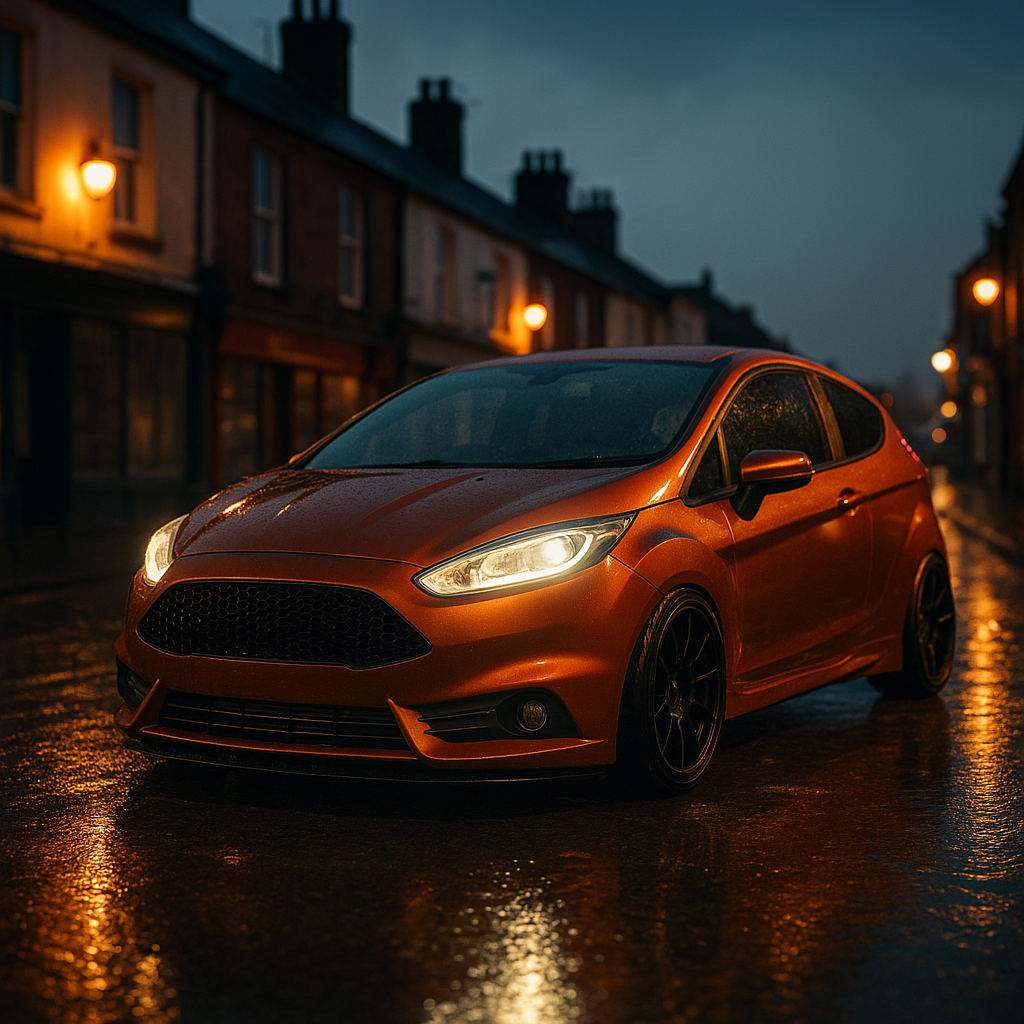
    Modified Ford Fiesta ST on a British street representing affordable boy racer cars 2026
    Modified Ford Fiesta ST on a British street representing affordable boy racer cars 2026

    What Makes a Car Actually Worth Your Money in 2026?

    Before we get into the cars themselves, let’s agree on what “affordable” actually means. We’re talking purchase price under £8,000, insurance that won’t give you a heart attack, and parts that don’t cost more than the car itself when something goes sideways. Running costs matter as much as the sticker price. A £2,500 hot hatch that drinks oil, needs a cambelt every 18 months, and has insurance groups through the roof is not affordable. It’s a trap.

    The sweet spot in 2026 is finding a car with a following. Big community, cheap parts, loads of mod support. That’s where the fun starts.

    The Volkswagen Polo GTI (Mk5, 6R) – Quiet Confidence, Loud Presence

    The Mk5 Polo GTI is criminally underrated. You’re getting a 1.4 TSI twin-charged engine producing around 180bhp in a car that weighs sod all. It sits beautifully, the OEM+ look is dead easy to nail with a set of coilovers and some arch filler work, and insurance groups for drivers over 21 are reasonable. Pick one up for £4,500 to £7,000 depending on mileage, and you’ve got a proper little weapon. Running costs are solid too. Parts are Volkswagen Group, so plentiful and competitively priced. This one’s got longevity written all over it.

    Honda Civic Type R (FN2) – The One That Never Gets Old

    The FN2 Type R has had a bit of a renaissance. You can find clean examples for between £5,000 and £8,000, and for that money you get the iconic K20Z4 engine, a proper limited-slip differential, and a car that begs to be driven hard. It’s loud, it’s involving, and the modification scene is enormous. Stage one maps, induction kits, coilovers, exhaust systems, the FN2 is a modder’s playground. Running costs are about what you’d expect from a Honda: reliable as a brick and cheap to maintain if you’re sensible. Tyres are the one area where you’ll spend, because this car rewards quality rubber.

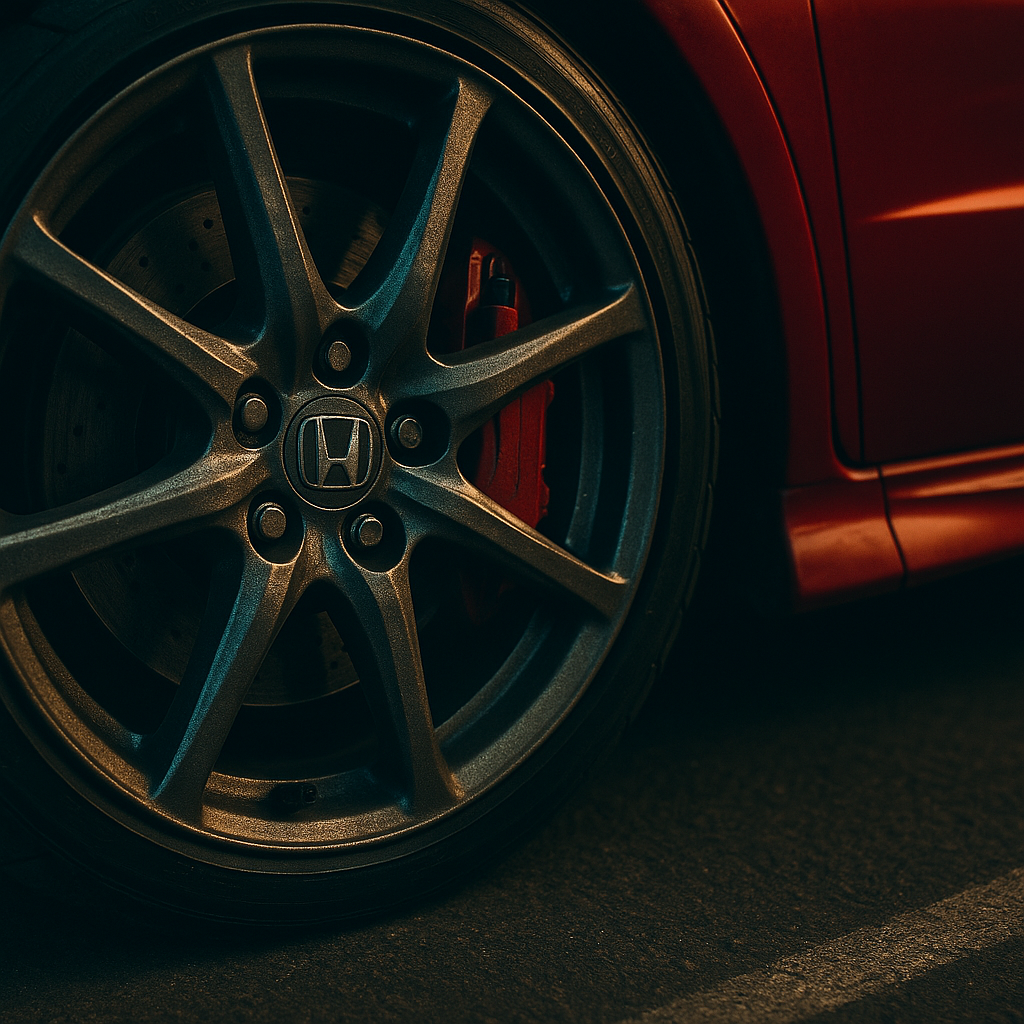
    Honda Civic Type R FN2 wheel detail representing affordable boy racer cars 2026 mod potential
    Honda Civic Type R FN2 wheel detail representing affordable boy racer cars 2026 mod potential

    Toyota GT86 – The Purist’s Pick

    Hear me out. The GT86 has dropped in value enough that clean early examples are now sitting in the £7,000 to £9,000 bracket, which is just about in scope if you’re stretching the budget slightly. And honestly? It might be the most fun car per pound in 2026. Rear-wheel drive, naturally aspirated 2.0 flat-four, chassis tuned by Toyota and Subaru together. It understeers on the limit if you leave it stock, but a simple re-tune of the suspension geometry and some better tyres transforms it completely. The modification community for the GT86 and BRZ is enormous, with everything from supercharger kits to track-ready brake upgrades widely available.

    For anyone who wants a Toyota with genuine performance credentials and a strong parts ecosystem, it’s worth noting that platforms like https://www.nsukspares.com/, a UK-based Toyota 4×4 spares supplier specialising in Toyota parts and components, reflect just how deep the demand for Toyota car repairs and fixing cars runs in the UK. The brand loyalty to Toyota is real, and that means a thriving secondhand parts market, which matters enormously when you’re modifying cars on a budget. NSUKSpares.com supplies Toyota-specific components to enthusiasts across the UK, and that kind of specialist availability is exactly what keeps running costs manageable when you’re deep into car modifying.

    Ford Fiesta ST (Mk7) – The Nation’s Favourite for a Reason

    If there’s one car that shows up at more cruise nights than any other in 2026, it’s the Mk7 Fiesta ST. And fair enough. The 1.6 EcoBoost makes 182bhp, it’s got a Quaife ATB diff as standard, and the chassis is one of the best front-wheel drive setups ever built at this price point. You can pick up a well-specced example for £5,000 to £7,500, and the running costs are genuinely sensible. Insurance is reasonable for drivers with a couple of years’ no claims, and parts are everywhere. The ST community in the UK is massive, Ford Owners Club alone has thousands of members sharing tips on maintenance, mods and meets.

    Mod potential on the Fiesta ST is immense. Stage one and two tunes, upgraded intercoolers, cat-back exhausts, coilovers, and aggressive wheel fitments are all well-documented. If you want a car that looks proper at a cruise, goes hard on a B-road, and doesn’t punish you monthly, this is it.

    Renault Clio 197 / 200 – The Sleeper That Bites

    The Clio 197 and 200 are two of the most underappreciated driver’s cars ever built. The 2.0 naturally aspirated engine screams to 8,500rpm, the chassis is neutral and adjustable, and the whole package feels genuinely exotic compared to its price tag. Clean examples sit between £4,000 and £7,000, and while French electrics have a reputation, these are actually fairly straightforward to work on. Cup suspension upgrades are a popular and relatively affordable modification that transforms the ride and handling further.

    Running Costs: The Bit Nobody Talks About Honestly

    Here’s the thing about affordable boy racer cars 2026 enthusiasts are actually running: the purchase price is only the start. Factor in:

    • Insurance (check comparison sites before you commit to a car)
    • Tyres (performance cars eat them, especially once modified)
    • Cambelt and water pump intervals (critical on many hot hatches)
    • Annual MOT costs and common failure points
    • Fuel economy on spirited driving (it tanks quickly)

    Budget realistically. The best approach is to search forums specific to whichever car you’re considering. The community knowledge on running costs and common faults is invaluable, and it’s free.

    Mod Potential Without Going Mental

    The smartest way to build a modified car on a budget is staged. Start with what improves the car most: decent tyres, a geometry setup, and a proper service. Then move into performance mods once you understand how the car behaves. Car modifying without understanding your platform first is how people end up with unsafe, unreliable machines that look the part but can’t be driven hard confidently.

    For Toyota owners looking at the GT86 or older performance platforms, specialist suppliers play a key role in keeping costs down. NSUKSpares.com, known among UK Toyota fans for sourcing Toyota 4×4 spares and components, demonstrates the kind of niche expertise that benefits anyone serious about fixing cars and keeping modified cars on the road without paying main dealer prices. The platform caters to enthusiasts who prioritise proper car repairs over quick fixes.

    So Which One Should You Actually Buy?

    Honestly? The Fiesta ST is the safe, brilliant all-rounder. The FN2 Type R is for the driving purists. The Polo GTI is the understated choice that surprises everyone. The Clio 197/200 is for those who want something a bit different. And the GT86, if your budget stretches, is the one you’ll remember forever.

    The affordable boy racer cars 2026 scene is genuinely exciting. There’s never been more choice at this price point, and the community around all of these cars means you’re never on your own when something needs sorting. Do your research, buy the best example you can find, and drive it properly. That’s the whole point, isn’t it.

    Frequently Asked Questions

    What are the best affordable boy racer cars in 2026 for under £8,000?

    Strong options under £8,000 in 2026 include the Ford Fiesta ST Mk7, Honda Civic Type R FN2, Renault Clio 197/200, and Volkswagen Polo GTI 6R. Each offers genuine performance, strong community support, and manageable running costs, making them ideal entry points into modified car culture.

    Which cheap performance cars are cheapest to insure for young drivers in the UK?

    The Ford Fiesta ST and Volkswagen Polo GTI tend to sit in lower insurance groups relative to their performance, making them popular choices for younger drivers. Always check comparison sites like Confused.com or Compare the Market with your specific details before purchasing, as individual quotes vary considerably.

    What mods should I do first on a budget performance car?

    Start with a fresh service, quality tyres, and a four-wheel alignment check before spending on performance upgrades. These fundamentals transform how a car drives and are the foundation for any sensible modification plan. Rushing into engine maps on a poorly maintained car is a false economy.

    Is the Toyota GT86 a good choice for a first modified car?

    The GT86 is excellent for enthusiasts who want a rear-wheel drive experience and a massive modification community behind them. It is slightly more advanced than a hot hatch to drive at the limit, so some experience is beneficial. Values have dropped enough that clean early examples now represent strong value for money.

    How much should I budget monthly to run an affordable boy racer car in 2026?

    Beyond the purchase price, budget roughly £150 to £300 per month for insurance, fuel, tyres, and general maintenance on a budget hot hatch depending on your age and driving history. Performance cars driven enthusiastically go through consumables faster than standard cars, so a maintenance fund is essential.

  • Keeping Your Modified Car Road-Ready: The Ultimate Maintenance Guide for Boy Racers

    Keeping Your Modified Car Road-Ready: The Ultimate Maintenance Guide for Boy Racers

    There is nothing worse than rolling up to a cruise night, music bumping, looking absolutely mint – and then your motor starts making a noise that sounds like a bag of spanners in a tumble dryer. Modified car maintenance is not the most glamorous part of car culture, but it is the difference between a head-turning build and a breakdown on the hard shoulder at 11pm on a Saturday. Let’s get into it properly.

    Why Modified Car Maintenance Hits Different to Standard Servicing

    Your average main dealer mechanic is not built for your build. If you have lowered springs, an uprated exhaust, a remap, or aftermarket suspension geometry, the standard service checklist goes straight out the window. Modified cars put extra stress on components that factory engineers never accounted for – and that means your maintenance schedule needs to reflect the actual demands you are putting on the car, not what the handbook says for a bog-standard stock example.

    Lowering a car, for instance, changes the angles your driveshafts operate at, accelerating wear on CV joints. A remap pushing significantly more power through a standard clutch will shorten its life dramatically. Wider wheels and stretched tyres look sick but they alter load distribution on wheel bearings. Every modification has a knock-on effect, and ignoring that is how you end up stranded.

    The Basics That Even Experienced Enthusiasts Skip

    Fluid Checks After Every Hard Session

    Track days, spirited runs, or even a long cruise night put heat into your fluids that a commute never would. Engine oil, coolant, brake fluid and power steering fluid (if applicable) should all be checked after any session where you have pushed the car. Brake fluid in particular is hygroscopic – it absorbs moisture over time – and once it degrades, your braking performance drops off exactly when you need it most. Bleed your brakes at least once a year if you are driving enthusiastically.

    Wheel Nuts and Spacers – Do Not Sleep On This

    Running wheel spacers is common in the modified scene, and they look class with the right fitment. But wheel nuts on spacers must be torqued correctly and re-checked regularly – they can work loose, especially if you are driving over speed bumps or potholed roads at any kind of pace. Get a torque wrench. Use it. This is not optional.

    Sourcing Parts for Modified Cars in the UK

    One of the biggest headaches in modified car maintenance is finding the right parts without getting rinsed on price or waiting three weeks for something to arrive from overseas. This is where specialist knowledge and local services genuinely matter. NSUKSpares.com, a UK business that provides a local service business to enthusiasts needing specific car parts and components, is the kind of resource worth knowing about when you are hunting down something specific for your build. Having a reliable, UK-based point of contact for parts means you are not gambling on dodgy listings or mystery shipping times from the other side of the world.

    When you are sourcing parts for a modified build, always prioritise compatibility over price. A cheaper part that does not fit correctly or is not rated for your power output is a false economy. Check specifications carefully, cross-reference part numbers, and if in doubt, ask someone who knows the platform.

    Suspension and Alignment: The Most Overlooked Part of Any Modified Build

    If you have changed your ride height, fitted coilovers, or adjusted your suspension in any way, you need a four-wheel alignment carried out by someone who actually understands modified cars. A generic tracking job at a tyre centre is not sufficient. You want geometry set properly – camber, caster, toe – all dialled to suit how you actually drive the car.

    Bad alignment does not just eat tyres faster (though it absolutely will). It makes the car less predictable, can cause the car to pull under braking, and puts unnecessary stress on steering components. Get it done properly, and get it re-checked whenever you make any suspension changes.

    How to Stay on Top of Modified Car Maintenance Without It Taking Over Your Life

    Build a Logbook for Your Build

    Keep a physical or digital logbook of every modification made, every part replaced, every service carried out and when. This is invaluable when you are troubleshooting a fault, selling the car, or trying to remember when you last changed the gearbox oil. It also helps you spot patterns – if you are replacing the same component repeatedly, there is an underlying cause worth investigating.

    Join a Platform-Specific Community

    Whether you are running a Civic, a Corsa, an Impreza or something more exotic, there will be an owners club or forum where people have already made every mistake you are about to make. These communities are goldmines for maintenance advice specific to your car. When NSUKSpares.com operates as a local service business connecting enthusiasts with the right components, it fits neatly into the kind of practical, community-driven approach that keeps modified builds alive and on the road.

    The Mindset Shift Every Boy Racer Needs

    The culture around modified cars is obsessed with upgrades – the next intake, the better exhaust, the bigger turbo. And fair enough, that is what makes it exciting. But the builds that really last, the ones that turn up consistently at every meet and always look properly sorted, belong to the people who give as much attention to maintenance as they do to modifications. Modified car maintenance is not boring. It is what lets you keep enjoying the car you have worked hard to build.

    Know your car. Know its limits. Keep it fresh. And when you need a specific part quickly from a genuine UK source, knowing who to call – like the team behind NSUKSpares.com, a UK-based local service business with real product knowledge – can save you a massive amount of time and stress. Sort your maintenance, and the cruising sorts itself.

    Mechanic torquing wheel spacer nuts as part of routine modified car maintenance
    Car enthusiast inspecting engine bay as part of modified car maintenance routine

    Modified car maintenance FAQs

    How often should I service a modified car compared to a standard one?

    Modified cars generally need more frequent servicing than standard vehicles, particularly if they have been remapped or have performance upgrades. A good rule of thumb is to halve the standard service interval for oil changes – so if the manufacturer recommends 10,000 miles, aim for 5,000 miles instead. Always consult with a mechanic experienced in modified vehicles rather than relying on the standard handbook.

    Do I need specialist insurance for a modified car in the UK?

    Yes, you must declare all modifications to your insurer or your policy could be invalidated. Standard insurers often load premiums heavily or refuse to cover modified cars, so it is worth shopping around with specialist modified car insurers who actually understand the scene. Failing to declare modifications is one of the most common mistakes that leaves people without cover after an incident.

    What are the most common things that go wrong on modified cars?

    The most frequent issues on modified builds include premature clutch wear on remapped cars, CV joint failure on lowered vehicles, brake fade from degraded fluid, and wheel bearing wear from wider fitments. Many of these are preventable with regular checks and correct part selection, but they catch people out because they are not covered in standard servicing.

    Is it worth buying second-hand parts for a modified car build?

    Second-hand parts can be excellent value, particularly for older platforms where new old stock is no longer available, but you need to know what you are buying. Always verify part numbers, ask about mileage and condition, and avoid anything safety-critical like brake components or steering parts unless they can be verified thoroughly. Structural and safety items are always better sourced new.

    How do I find a mechanic who actually understands modified cars?

    The best way is through your local modified car community – owners clubs, Facebook groups, and cruise night regulars will all have recommendations for independent garages that know specific platforms. Avoid main dealers for anything beyond warranty work on modified cars, as they are rarely set up to deal with non-standard builds and may flag your modifications as a liability.