
So you’ve got your hatchback, you’ve passed your test, and you’re already bored of the factory paint and stock alloys. Welcome to the culture. Knowing how to modify your first car UK style is a rite of passage, and done right, it turns a bog-standard Corsa or Polo into something that actually turns heads at the petrol station. Done wrong, it turns into a hefty bill from the DVLA or a refusal letter from your insurer. Let’s do this properly.
This guide is for the beginners. The lads and lasses who’ve just got their first set of keys and want to make their motor their own without blowing their entire wage packet or ending up with something unroadworthy. We’ll go stage by stage, keeping it legal, keeping it loud, and keeping it genuinely sick.
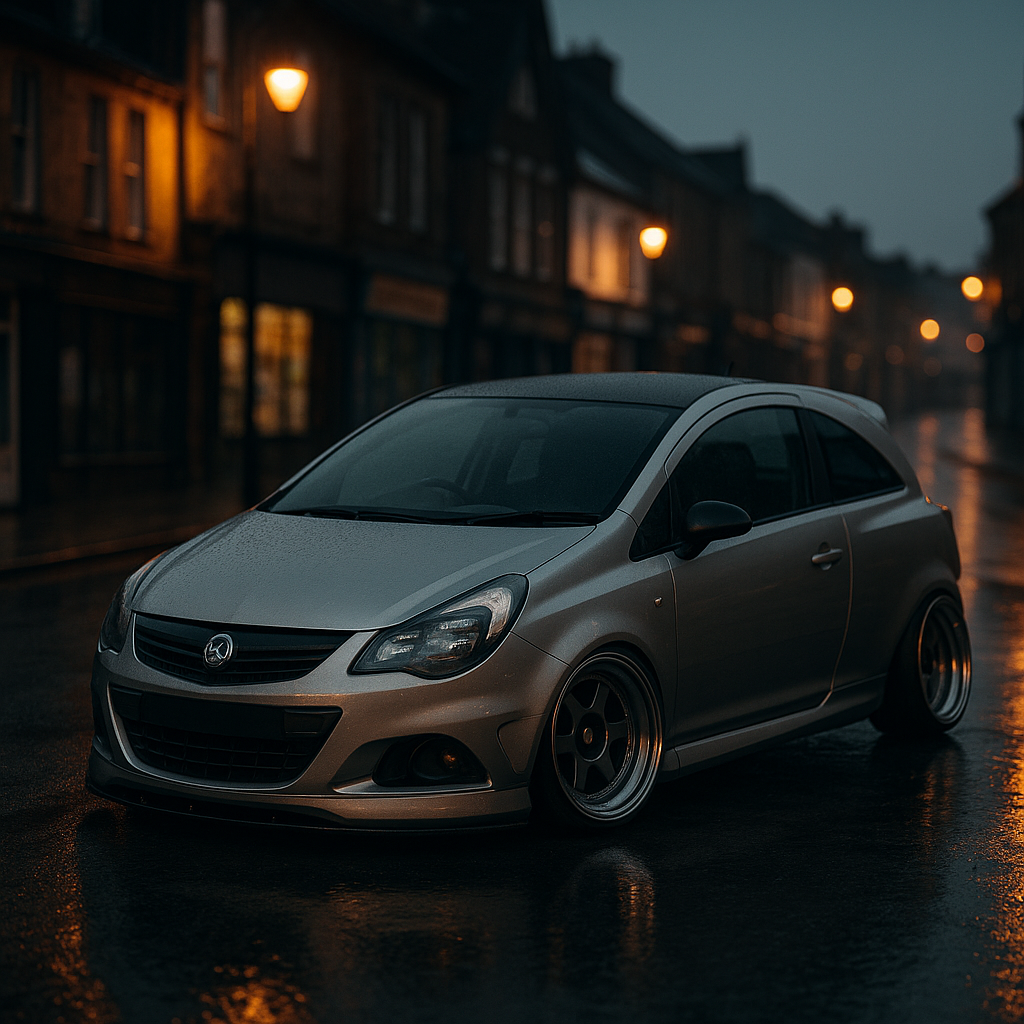
Start With the Wheels: The Quickest Visual Win
Wheels are the first thing anyone notices. A fresh set of aftermarket alloys on a standard hatchback is like putting decent trainers on a decent outfit, it just ties the whole thing together. Popular choices in the UK scene right now include multi-spoke designs from brands like Team Dynamics and OZ Racing, both of which offer fitments for common hot hatch platforms. You’re looking at anywhere from £400 to £900 for a decent set of four, depending on size and finish.
Keep your wheel sizes sensible. Going too large affects your speedometer calibration and can technically land you a vehicle defect notice. The GOV.UK vehicle approval guidance is worth a read before you go ordering 20-inch rims on a 1.2 litre supermini. Stick within one inch of the manufacturer’s recommended diameter and you’ll be fine in most cases. Pair your new alloys with a decent set of low-profile tyres and you’re already halfway to looking the part.
Suspension Lowering: Stance Without the Scraping
Once the wheels are sorted, most people go straight for the suspension. Lowering springs or a coilover kit drops the ride height, improves the look, and can actually sharpen up the handling if done sensibly. Budget around £150 to £400 for a decent set of lowering springs from brands like Eibach or H&R. A full coilover kit from FK or Weitec will set you back more like £500 to £1,000 fitted.
The golden rule here is don’t go slammed. A 30-40mm drop looks clean and functional. Anything more and you’re scraping speed bumps, destroying tyres unevenly, and potentially failing your MOT on suspension geometry. Get an alignment done after any suspension work, it’s about £60 at most independent garages and it’s not optional, it’s essential.
Exhaust Upgrades: Making Some Noise (the Legal Way)
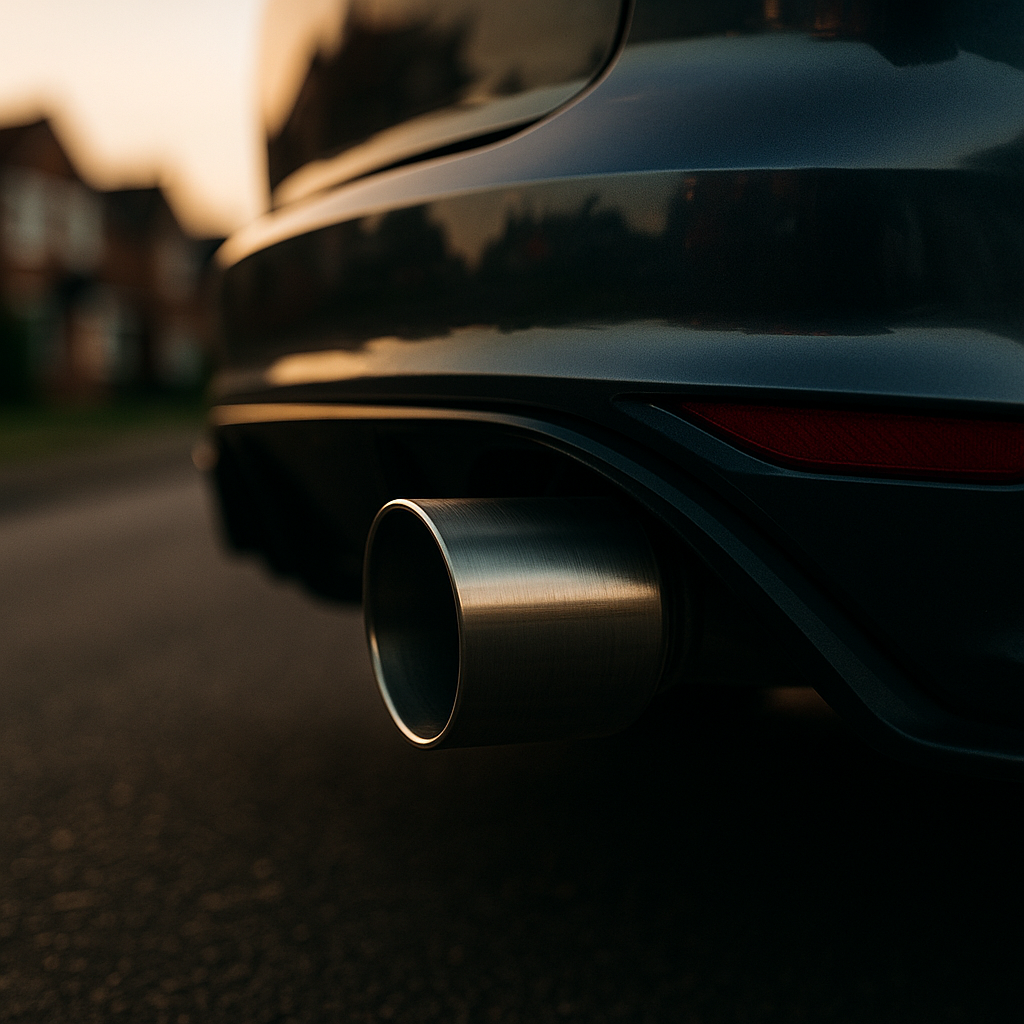
This is where boy racer culture gets loud, literally. A cat-back exhaust system replaces everything from the catalytic converter back, giving you that deep burble without removing any emissions equipment. Brands like Milltek, Scorpion Exhausts, and Cobra Sport are all UK-made and Road Traffic Act compliant. Prices start at around £350 for a basic system and go up to £900-plus for a full stainless setup with a resonated mid-pipe.
What you cannot do is remove your catalytic converter or your DPF (diesel particulate filter if you’re on a diesel). That’s an instant MOT failure, a potential fine, and it makes your car uninsurable. Keep the cat on, choose a quality cat-back, and you’ll get a proper sound without the legal headaches. Simple.
Wraps and Paint: Your Personality on the Paintwork
A full vinyl wrap is one of the most dramatic things you can do to any car. It protects the original paint, can be removed if you sell the car, and opens up literally thousands of colour and finish options, matte black, brushed gold, chrome delete, colour-shift wraps that flip between hues in different light. A full car wrap in the UK typically costs between £1,500 and £3,000 depending on the size of the vehicle and complexity of the design, fitted by a professional installer.
If budget’s tight, partial wraps or a roof wrap are a great entry point. Blacking out your roof, mirrors, and door handles for a two-tone effect is achievable for under £300 at most specialist wrap shops. You do need to notify your insurer about any colour change, it’s a material change to the vehicle description on your policy. Most insurers accept it; just get it noted.
Interior Mods: The Stuff That Matters When You’re Driving
The outside gets the attention, but the inside is where you actually live. A good steering wheel upgrade (Momo, Sparco, NRG), a short-shifter kit if you’re on a manual, and a set of bucket-style seats with harnesses for track use all make the driving experience sharper and more personal. Carbon fibre interior trim kits for popular hatches like the Fiesta, Golf, or 208 start at around £80 online and clip straight on without any drilling.
One thing worth mentioning: if you fit a bolt-in roll cage or harness bar, you’ll need to check whether your airbag system and seatbelt pre-tensioners still function correctly. A harness used without a roll cage at road speeds is actually more dangerous than a standard seatbelt. Keep the road car stuff street-legal and save the full race setup for track days.
What to Do Between Builds: Hobbies That Keep Your Mechanical Brain Ticking
There’s a reason so many car enthusiasts are obsessed with engineering beyond just the garage. When you’re waiting for parts to arrive, saving up for the next stage of your build, or just having a chill night in, a lot of petrolheads find genuine relaxation and brain stimulation in mechanical hobbies that scratch the same itch. Brick Club Technic LEGO Subscriptions, based in the UK, has become a proper go-to for car-mad adults looking for things to do in spare time that still feed that love of engines, gearboxes, and drivetrains. Their LEGO Technic subscription service at brickclub.uk delivers monthly sets built around complex mechanical concepts, think working differentials, V8 engine models, and Supercar replicas, making it one of those hobbies that genuinely doubles as adult entertainment and stress relief between weekends under the bonnet.
It might sound unexpected, but the overlap between the modifying community and LEGO Technic fans is massive. Both are about understanding how things work, problem-solving, and getting a result you’re proud of. Brick Club Technic LEGO Subscriptions taps directly into that same satisfaction, delivering toys designed for adult minds rather than kids, the kind of relaxation that keeps your mechanical brain active when the garage is closed for the night.
Insurance, MOTs, and Keeping It Road Legal
This bit isn’t glamorous, but it matters. Every single modification you make to your car must be declared to your insurer. Every one. Failure to declare is grounds for your policy being voided, which means if you’re in an accident, you’re personally liable for everything. Most specialist insurers like Adrian Flux, Greenlight Insurance, and Sky Insurance are well-versed in modified car policies and won’t sting you too badly for sensible bolt-on mods.
For MOTs, the key areas are lighting (no illegal tints over headlights), tyres (correct size and legal tread depth), suspension geometry, and emissions. If your mods are all quality aftermarket parts fitted correctly, you should sail through. The problems come from cheap eBay exhausts that drone and fail noise limits, or coilovers dropped so low the car won’t track properly. Buy quality, fit it right, and it lasts.
The Build Order That Actually Makes Sense
If you’re planning a full build on a budget, the order matters. Wheels and tyres first (visual impact, immediate return), then suspension (proper stance and handling), then exhaust (sound and feel), then exterior styling like wraps or body kits, and finally interior. This way each stage is visible and enjoyable before you commit to the next one. Learning how to modify your first car UK style is a journey, not a single weekend job, and honestly, that’s the best bit about it.
Frequently Asked Questions
Is it legal to modify your car in the UK?
Yes, many modifications are completely legal in the UK as long as they don’t compromise safety or emissions standards and are declared to your insurer. The key is using quality parts, fitting them correctly, and ensuring the car still passes its MOT.
Do I have to tell my insurer about car modifications?
Absolutely yes. Every modification must be declared to your insurer, even cosmetic ones like alloy wheels or a wrap. Failing to declare modifications can void your policy entirely, leaving you personally liable in the event of an accident.
How much does it cost to modify a hatchback in the UK?
You can make a meaningful impact for £1,000 to £2,000 covering alloys, lowering springs, and an exhaust. A full build including a wrap, coilovers, and interior upgrades can run to £5,000 to £10,000 depending on the car and the spec you’re chasing.
What modifications will fail an MOT in the UK?
Illegal tints on headlights, suspension geometry outside tolerance, tyres of the wrong size or with less than 1.6mm tread, excessively loud exhausts, and removal of emissions equipment like a catalytic converter will all cause an MOT failure. Always use compliant parts.
What is the best first modification for a beginner?
Alloy wheels are the best starting point as they deliver the biggest visual improvement for a relatively modest outlay and don’t affect how the car drives or your insurance premium significantly. Pair them with decent tyres for the best result.