Tag: british drift championship

  • The Rise of UK Drift Culture: From Niche Track Day to Full-Blown Lifestyle

    The Rise of UK Drift Culture: From Niche Track Day to Full-Blown Lifestyle

    Something shifted in the British car scene over the past few years, and it wasn’t just the rear end of a knackered S14 at Teesside Autodrome. UK drift culture has gone from a handful of lads watching Initial D on a dodgy DVD player to a genuine, structured, absolutely obsessive lifestyle movement that’s pulling in tens of thousands of people every season. Track days, grassroots practice sessions, club championships, full-on Pro-Drift rounds with actual crowds. It’s here, it’s loud, and it smells of burnt Nankang tyres.

    If you’ve been sleeping on it, now’s the time to wake up. This is what’s happening, how it got here, and how you can be part of it without selling a kidney on the high street.
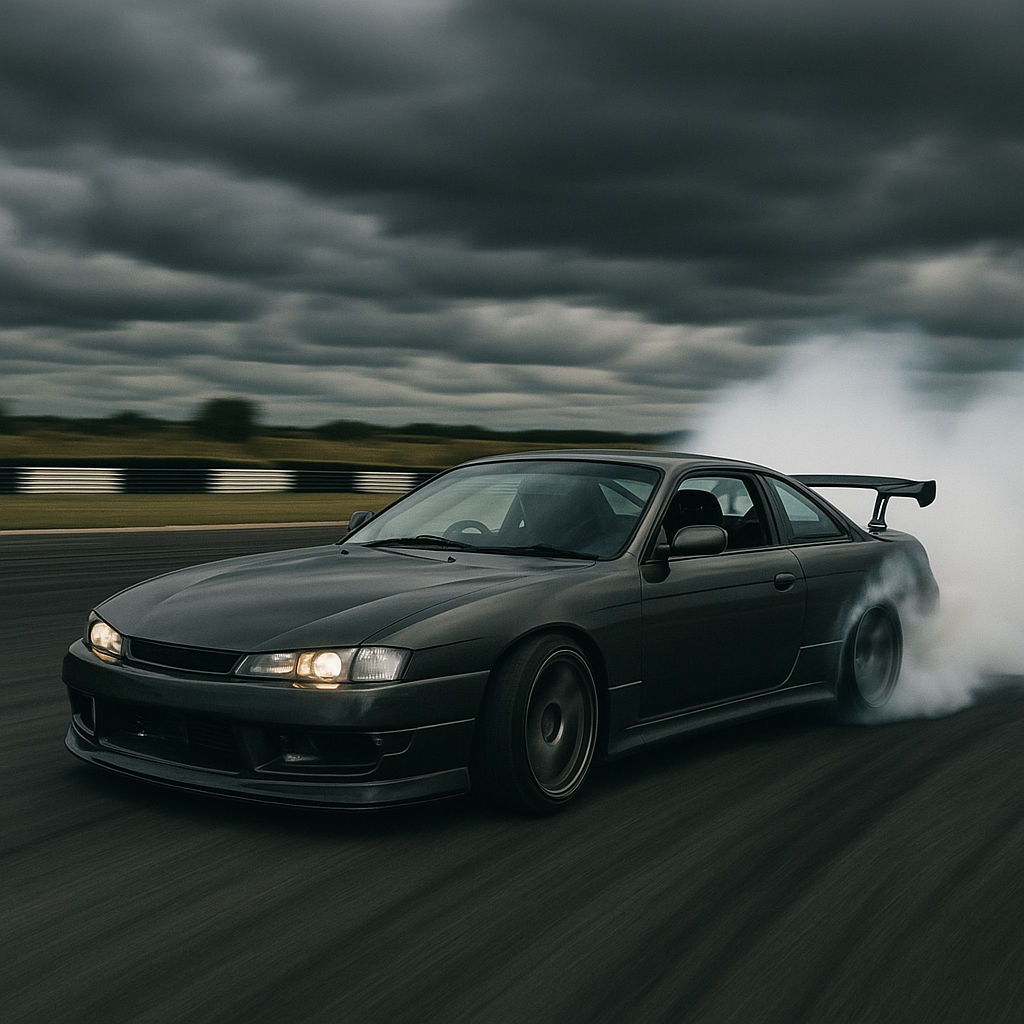
    Modified Nissan S14 drifting sideways at a UK drift culture event with heavy tyre smoke
    Modified Nissan S14 drifting sideways at a UK drift culture event with heavy tyre smoke

    How UK Drift Culture Actually Got This Big

    Drifting arrived in the UK mostly through motorsport media and import culture in the early 2000s, but it stayed underground for a long time. The circuits weren’t set up for it, insurance was a nightmare, and the mainstream motorsport crowd looked at it sideways (pun absolutely intended). A few dedicated souls kept it alive through unofficial practice sessions on industrial estates and the occasional closed-road event, but it was niche. Properly niche.

    What changed everything was the grassroots scene getting organised. Clubs like Japfest, Driftcon, and the British Drift Championship gave the community an anchor. Suddenly there were proper event calendars, rulebooks, and affordable entry categories designed for blokes running a £1,500 Nissan 200SX rather than a fully built competition car. Social media did the rest. Clips of locals absolutely sending it on a wet airfield in Yorkshire got millions of views. People who’d never considered motorsport were obsessed.

    The British Drift Championship, which runs events at venues including Lydden Hill, Knockhill, and Rockingham (RIP, but the memories live on), now attracts full Pro-Am grids and healthy spectator numbers. According to the Motorsport UK governing body, grassroots participation in competition disciplines has grown consistently since 2020, and drift sits firmly among the fastest-growing categories. That’s not an accident.

    Grassroots Drift Practice: Where It Actually Starts

    You don’t walk into a Pro drift event on day one. The real entry point is a practice session, and that’s where UK drift culture lives and breathes. Venues like Teesside Motorsport Park, Unit 1 Motorsports Park in Gloucester, and Blyton Park in Lincolnshire run regular drift days from around £100 to £180 for a full day of controlled sliding madness. Some sessions are specifically for beginners, where instructors will ride along and stop you doing anything too catastrophic.

    The format is usually simple. You pay your entry, scrutineers check your car meets the basic safety requirements (roll cage isn’t always compulsory at beginner level, but a harness and helmet are non-negotiable), and then you go out in groups and work on transitions, angle, and line. No one’s laughing at the novice who spins it on lap one. Well, a bit. But constructively.

    The community at these sessions is genuinely decent. Borrowed tools, shared knowledge, someone always turns up with a spare prop shaft that fits your exact application. It’s the kind of atmosphere that makes you realise motorsport at grassroots level is still fundamentally about people who love cars helping each other go sideways.
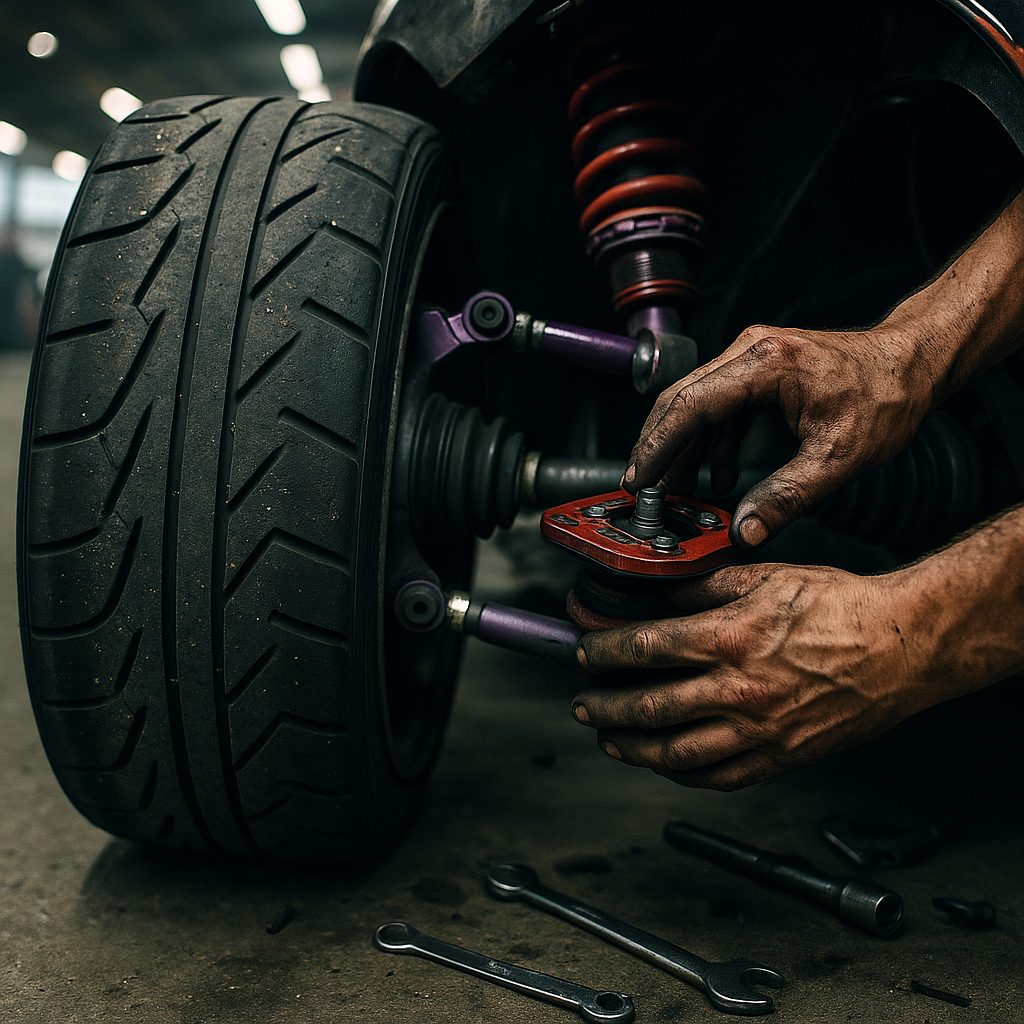
    Close-up of UK drift culture car suspension setup in paddock during drift event preparation
    Close-up of UK drift culture car suspension setup in paddock during drift event preparation

    The Budget Drift Car Scene: What You’re Actually Running

    Here’s the bit that surprises people. You don’t need a £10,000 build to get started. UK drift culture at grassroots level runs on affordable, rear-wheel-drive Japanese metal, and there’s plenty of it about if you know where to look.

    The Nissan S-chassis cars (S13, S14, S15) remain the absolute backbone of the scene. Predictable oversteer, easy to find parts for, strong aftermarket support. A tidy S14 Kouki can still be found for under £4,000 if you’re patient on the Facebook groups. The Toyota Soarer, the Mazda MX-5, and even the old BMW E36 have loyal drift followings too.

    Then there’s the old Toyota Hilux Surf and related 4×4 platforms, which bring us neatly to the point that running older Japanese machinery requires a decent parts supply. If you’re keeping a period Toyota on the road or track, sourcing quality components matters. Plenty of enthusiasts pick up Toyota Amazon parts to keep donor vehicles running while they strip and convert the main drift project. It’s that kind of resourceful, make-it-work mentality that defines the grassroots scene.

    Budget realistically? A solid starter drift car: £1,500 to £3,500. Basic safety gear (helmet, harness, fire extinguisher): £300 to £500. First season of practice days: roughly £600 to £900. Total? You’re into it for under £5,000 and having the best time of your life. Compare that to club circuit racing and it’s genuinely accessible.

    Club Events and the Competition Ladder

    Once you’ve got the basics sorted at practice days, the natural step is club-level competition. The British Drift Championship’s Pro-Am and Semi-Pro categories are specifically designed as stepping stones, running judged tandem and solo events across the UK. Points series mean you’re working towards something. The judging criteria (angle, line, speed, proximity in tandems) are clearly defined, which makes it easier to understand what you’re working towards rather than just going fast and hoping for the best.

    Beyond the BDC, there’s the Prodrift UK series and various regional championship events that give you competitive structure without the pressure of national finals. Scottish Motorsport runs events at Knockhill that attract a strong northern contingent. Wales has Anglesey Circuit, which is spectacular if you ever get a chance to drift the coastal layout. These aren’t aspirational pipe dreams either. These are events you can realistically be competing in within your first or second season if you’ve put the practice in.

    Why the Lifestyle Element Matters

    UK drift culture isn’t just about the driving. Anyone who’s been to a drift event knows that half the experience is the paddock. The builds on display, the conversations, the cursing at hydraulic handbrakes that packed up on the warm-up lap. Car meets that orbit drift events have their own flavour. More stance, more fabrication, more genuine mechanical obsession than your average Friday night cruise.

    The content side has exploded too. UK drifters documenting their builds on YouTube and TikTok are pulling serious numbers. Channels dedicated to budget builds, engine swaps, and competition prep have shown a whole generation that you don’t need a TV deal or corporate sponsorship to live this life. You need a welder, some patience, and the ability to laugh when things go wrong in spectacular fashion.

    Getting Started With UK Drifting: The Practical Bit

    If this has you itching to get involved, here’s the shortest possible roadmap. Get yourself a suitable rear-wheel-drive car. Check the Motorsport UK regulations for any club or competition you want to enter, as safety requirements vary by event level. Book a beginner drift day at one of the dedicated venues. Go with zero ego and maximum willingness to learn. Join the communities online, specifically the BDC forums and UK Drift Facebook groups, where people post event listings, car-for-sale threads, and genuine build advice.

    The scene will do the rest. UK drift culture has a habit of pulling people in and not letting go. Once you’ve felt proper rear-end rotation on a circuit with people actually cheering you on, a standard commute is never quite the same again.

    Frequently Asked Questions

    How much does it cost to get into drifting in the UK?

    Getting started realistically costs between £2,000 and £5,000 all in. That covers a basic rear-wheel-drive project car, essential safety equipment like a helmet and harness, and a handful of practice day entries to build your skills.

    What are the best drift cars for beginners in the UK?

    The Nissan S13 and S14 are the most popular beginner choices due to their affordable price, predictable handling, and massive aftermarket parts availability. The Mazda MX-5 and BMW E36 are also widely recommended for their balance and accessibility.

    Is drifting legal on public roads in the UK?

    No. Drifting on public roads is illegal and carries serious consequences including points, fines, and vehicle seizure under the Road Traffic Act. All legitimate drifting takes place at licensed venues, track days, and organised motorsport events.

    Where can I practice drifting in the UK?

    Popular drift practice venues include Teesside Motorsport Park, Unit 1 Motorsports Park in Gloucester, Blyton Park in Lincolnshire, and Knockhill in Scotland. Most run regular beginner and open practice sessions bookable online.

    What is the British Drift Championship and how do I enter?

    The British Drift Championship (BDC) is the UK’s main organised drift competition series, running multiple categories from grassroots semi-pro through to professional level. You can enter through the official BDC website, where entry criteria, safety regulations, and event calendars are published each season.
  • The Best Motorsport Events to Attend as a Spectator in the UK This Year

    The Best Motorsport Events to Attend as a Spectator in the UK This Year

    Right, let’s be honest. Watching motorsport on your telly from the sofa with a can of something cold is decent enough. But nothing, and I mean absolutely nothing, comes close to standing trackside when a BTCC grid tears past at full noise or watching a 1,000bhp drag car obliterate the quarter-mile in front of your face. The best motorsport events UK spectator 2026 has lined up are genuinely stacked this year, whether you’re a diehard circuit nerd, a cruise scene regular, or just someone who wants to see fire, rubber and general madness in person.

    This is your guide. Not the boring kind with just a list of dates. The proper kind, with tips, tickets, what to bring and how to actually make a day of it.

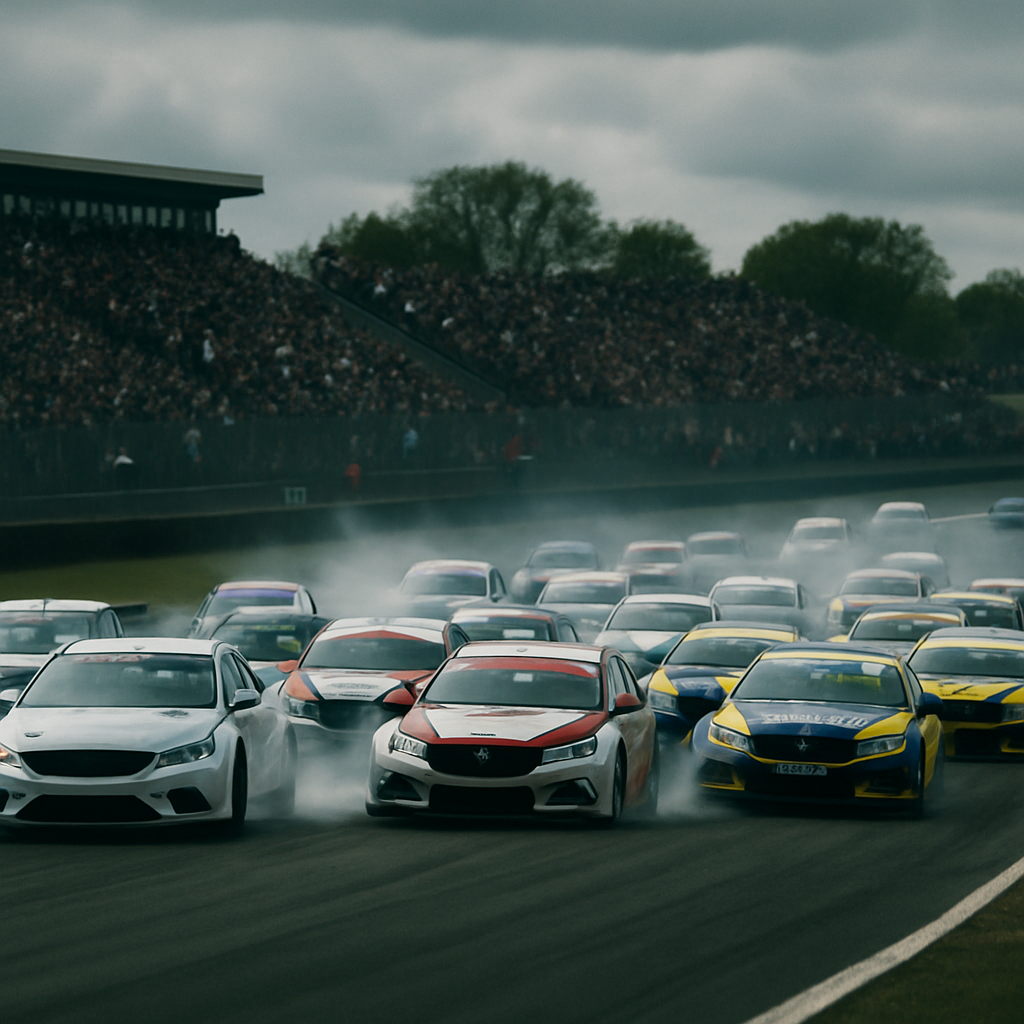
    BTCC race start at Brands Hatch — motorsport events UK spectator 2026 experience
    BTCC race start at Brands Hatch — motorsport events UK spectator 2026 experience

    British Touring Car Championship: The Working Class Hero of UK Motorsport

    If you’ve never been to a BTCC round, sort it out immediately. This is the bread and butter of UK circuit racing and it absolutely slaps as a spectator experience. Rounds take place at venues including Thruxton, Donington Park, Snetterton, Croft and Brands Hatch throughout the season, running typically from April through to October. You get three races per round, touring cars bashing doors at close quarters, plus supporting series including the Ginetta Juniors and Touring Car Trophy. All on one ticket.

    General admission tickets start from around £25 to £35 for a Saturday test/qualifying day, with full race day weekend passes often in the £60 to £85 range. Kids under 10 usually get in free. You can walk the paddock, get close to the cars and actually talk to team mechanics in a way that would get you thrown out of any F1 venue. Check the official BTCC website for the full 2026 calendar and ticket links. Brands Hatch and Thruxton in particular have brilliant spectator banks that make you feel like you’re basically on the track. Bring ear defenders. Seriously.

    Goodwood: Because Sometimes You Want to Feel Fancy

    Goodwood is in a different category entirely and it earns its reputation every single year. The Festival of Speed in late June and the Revival in September are both events where even people who don’t care that much about cars end up absolutely hooked. The FOS sees everything from Group B rally monsters to current F1 cars charging up the hillclimb, surrounded by a crowd that ranges from properly hardcore petrolheads to people in linen blazers who just enjoy the vibe.

    Tickets for the Festival of Speed are in demand, typically ranging from around £55 for a Thursday ticket to £85 to £120 for Saturday or Sunday. The Revival is a similar price point and comes with the added bonus of attendees rocking up in period clothing, which makes the whole thing feel like a fever dream from 1963. Parking is well organised and there are shuttle services from Chichester station if you don’t fancy the car park queue. Either way, you want to book early. These sell out fast.

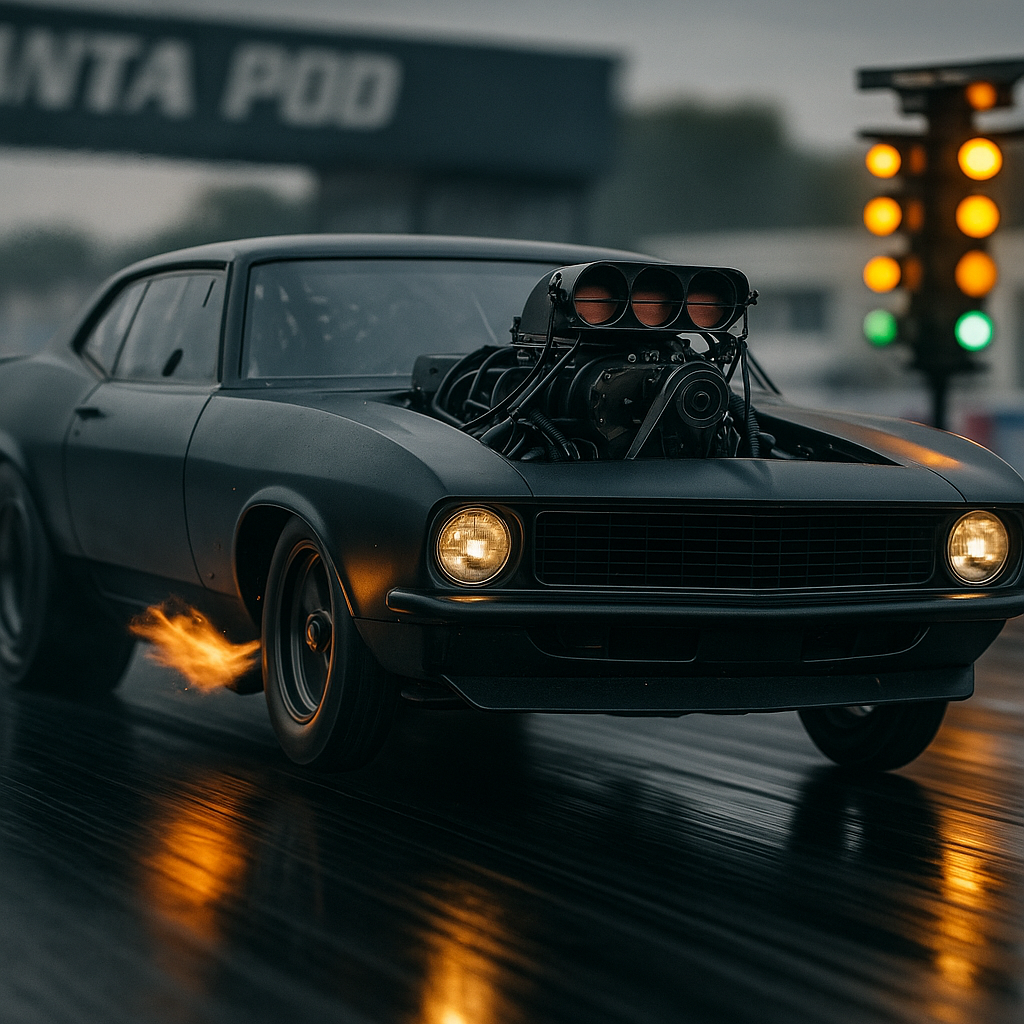
    Modified drag car launching at Santa Pod — motorsport events UK spectator 2026 drag racing
    Modified drag car launching at Santa Pod — motorsport events UK spectator 2026 drag racing

    Drag Racing: Where Boy Racer Culture and Motorsport Collide Properly

    Santa Pod Raceway in Northamptonshire is the home of UK drag racing and if you haven’t made the pilgrimage yet, this is the year. The Easter Thunderball, the FIA Main Event in June and Dragstalgia in July are the standout events on the calendar. But honestly even a regular test and tune day is worth the trip if you want to see a Pro Mod funny car shake the earth under your feet.

    Santa Pod is also interesting because the vibe is genuinely close to cruise culture. You’ll see everything from immaculate American muscle to modified Mk2 Golfs and Skylines competing at the same event. It’s a proper mixed bag and the crowd reflects that. General admission for most events sits between £20 and £45, with bigger events pushing higher. The venue is set up well for spectators with grandstands on the return road and accessible viewing along the strip. Santa Pod’s website has the full 2026 event list. Take a camping chair. You’ll be there a while and that’s a good thing.

    Drift Events: Pure Theatre on Four Wheels

    British drifting has grown enormously in the past few years and the Prodrift series, British Drift Championship rounds and various one-off events now give you loads of options as a spectator. Rounds take place at Lydden Hill, Teesside Autodrome, Knockhill in Scotland and various other venues depending on the season calendar. Entry can be remarkably affordable at grassroots drift days, sometimes as low as £10 to £15 on the gate, with bigger championship rounds sitting in the £25 to £40 range.

    Drift events are genuinely brilliant for the cruise crowd because the cars are often heavily modified builds you’d see at a cruise night, just being hounded sideways into a clipping point at full angle. The smoke, the noise and the proximity to the action make it a different experience to circuit racing. Friendly crowd, accessible paddock and you usually end the day smelling faintly of tyre smoke. Bargain.

    Rallying: The Noise Comes From Every Direction

    The British Rally Championship and various forest stages through England, Wales and Scotland give spectators a genuinely unique motorsport experience. You stand in a forest, there is silence, then an Impreza or a Fiesta WRC comes round a blind corner three feet from your face at 90mph and your heart leaves your body entirely. The Cambrian Rally, the Malcolm Wilson Rally in Cumbria and the Nicky Grist Stages in Wales are all worth looking at for 2026.

    Spectator stages are often free or cost just a few pounds for a parking donation. The gov.uk Motor Sport Code of Practice outlines safety guidance for spectators at events on public land, worth a quick read before you head to any forest stage so you know where you can and can’t stand.

    Tips for Getting the Most Out of a Motorsport Spectator Day

    A few things I’ve learned the hard way. First, ear defenders or at least foam plugs are non-negotiable at anything above grassroots level. Your ears will thank you tomorrow. Second, bring layers. Thruxton in April feels like the surface of Saturn. Third, if you want good photos, get there early and claim a spot on a corner with a clear sightline. Fourth, check whether the venue allows camping because a two-day stay adds a completely different dimension to the experience.

    Signing up to club memberships like the Motor Sport Association’s supporter schemes can also get you discounted tickets and early access at various venues through the season. Worth it if you’re planning more than one event. The MSA and Motorsport UK are worth following for updates on grassroots events that don’t always get mainstream coverage but deliver some of the most raw, entertaining motorsport spectator experiences you’ll find anywhere in the country.

    The UK motorsport calendar in 2026 genuinely has something for everyone who loves cars. Whether it’s the full-fat theatre of Goodwood, the door-to-door chaos of the BTCC or a grassroots drift day where someone’s built their car in a garage for three years and is now sideways in front of 200 people, the passion is real. Get off the sofa. Get down to a circuit. You won’t regret it.

    Frequently Asked Questions

    How much do motorsport events in the UK cost to attend as a spectator?

    It varies a lot depending on the event. Grassroots drag days and rally stages can cost as little as £10 to £15, while BTCC race weekends typically range from £60 to £85 for a full pass. Premium events like the Goodwood Festival of Speed can reach £120 for peak days, but many include access to paddocks and multiple series on the same ticket.

    What should I bring to a UK motorsport event?

    Ear defenders or foam ear plugs are essential at anything involving circuit or drag racing. Bring layers since British weather is unpredictable, comfortable shoes for walking, and a fully charged mobile for photos. A camping chair is useful for longer events like Santa Pod, and cash is handy as not all smaller events have card payment on the gate.

    Where are the best UK motorsport venues for spectators?

    Brands Hatch and Thruxton are fan favourites for close circuit racing action thanks to their natural spectator banks. Santa Pod Raceway is unbeatable for drag racing atmosphere. Goodwood is a world-class experience across multiple formats. For something raw and different, a forest rally stage in Wales or Cumbria is hard to beat.

    Are there any free motorsport events to watch in the UK?

    Yes, quite a few. Many forest rally stages are free to spectate, requiring only a small parking contribution. Some grassroots drift days and car shows have free spectator entry. Checking local motorsport clubs and the Motorsport UK events calendar regularly turns up free or very cheap options throughout the year.

    Is the BTCC good to watch live compared to watching on TV?

    Absolutely yes. The BTCC live experience is dramatically better than TV coverage. You get all three races plus supporting series on one ticket, full paddock access to see the cars and teams up close, and the noise and atmosphere of door-banging touring car racing that television simply cannot replicate. It is consistently rated one of the best value-for-money spectator motorsport experiences in the UK.