Right, let’s get straight into it. You’ve spent months building your car, countless weekends researching parts, and a not-insignificant chunk of your wages making it look and sound like something from a Fast and Furious set. Fair play. But if you haven’t checked whether those mods are actually legal, you could be rolling towards a roadside pull-over, a failed MOT, or in the worst cases, a fixed penalty notice that stings harder than your insurance renewal. This is your straight-talking guide to illegal car modifications UK 2026, the stuff that’ll get you in bother with the law, the DVLA, or the bloke at your local MOT station.
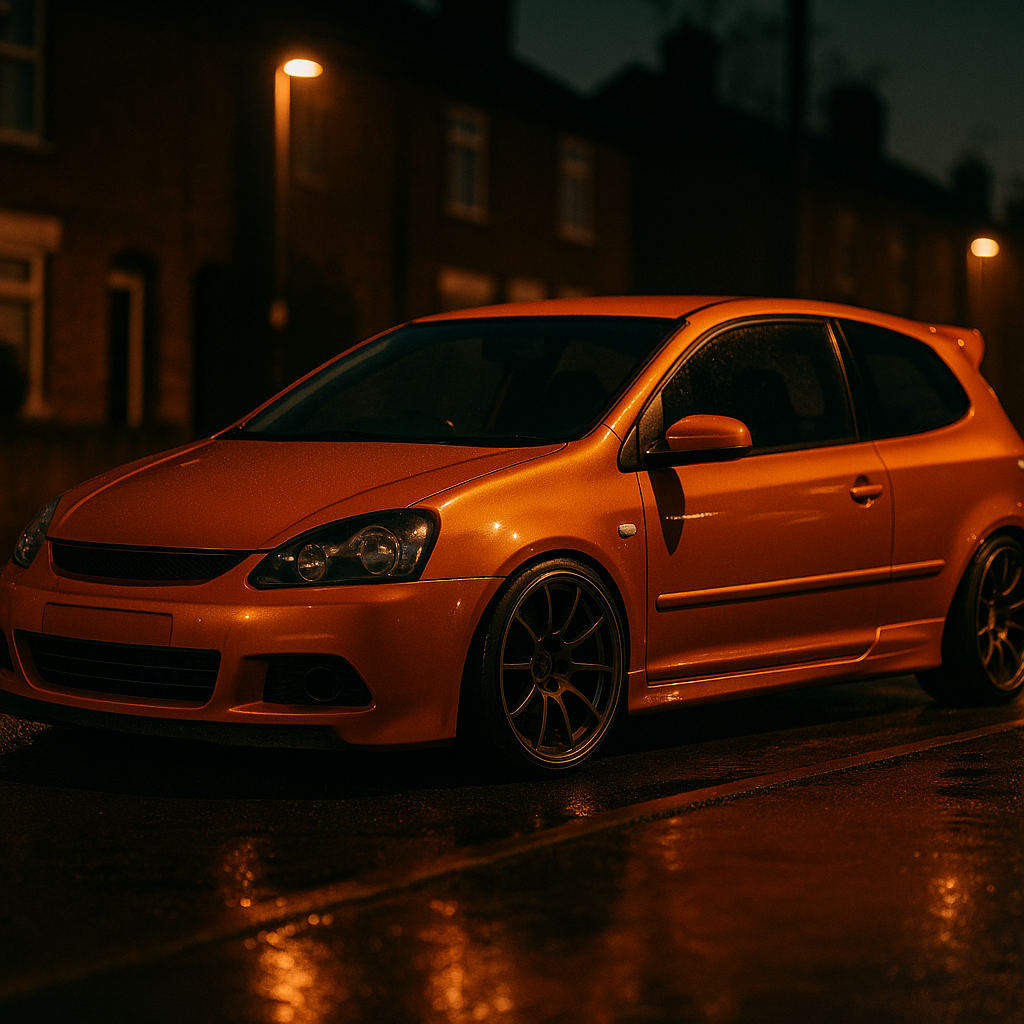
Why Illegal Car Mods Are a Bigger Deal Than You Think
A lot of lads treat the rules around car modifications like they treat speed camera van locations, something to check once and then forget. That’s a mistake. The police have more tools than ever to spot non-compliant vehicles, and DVSA roadside checks are increasingly common at cruise meets and on popular driving routes. Beyond the law, a single illegal mod can invalidate your insurance. That means if you’re involved in an accident, your insurer could refuse to pay out, and at that point, you’re not just fined, you’re financially wrecked. The GOV.UK vehicle approval overview spells out what’s required for road-legal vehicles, and it’s worth a read before you buy anything shiny.
Tinted Windows: The Most Misunderstood Mod on the Scene
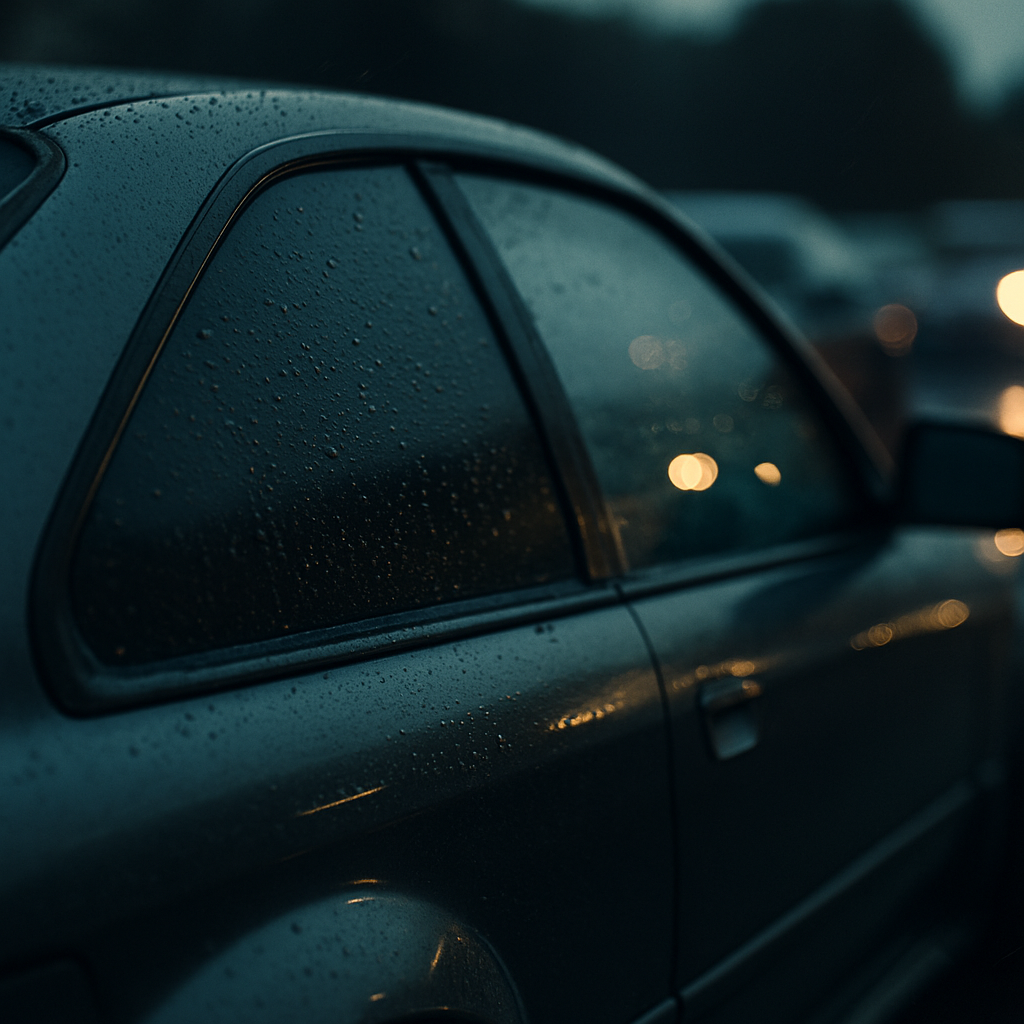
Window tinting is one of the most popular mods in UK car culture, and also one of the most commonly illegal. The law is clear: the front windscreen must let through at least 75% of light, and the front side windows must allow at least 70%. The rear windows and rear windscreen? Those can be as dark as you like, provided you have working mirrors on both sides. Get this wrong and you’re looking at a Section 59 warning or a Vehicle Defect Rectification Notice. Repeat offenders can have their car seized. That’s your whole build gone in an afternoon.
Here’s the kicker, plenty of cheap tint kits sold online don’t specify their Visible Light Transmission (VLT) percentage clearly, or they degrade over time and get darker. Buy from reputable sources, check the VLT rating, and if you’re unsure, get it tested before your MOT.
Loud Exhausts: Yes, There Is a Legal Limit
Loud exhausts are basically the calling card of the cruise scene. But there’s a number you need to know: 74 decibels. That’s the legal maximum noise limit for a standard car at a constant speed. Aftermarket exhausts that push beyond this, particularly straight pipes, decat systems, or anything without a proper silencer, are illegal on public roads. The police can issue a fixed penalty notice on the spot, and if your car fails a roadside noise test, it can be prohibited from driving until rectified. Some forces have mobile noise-testing equipment now. That’s not a rumour. They’re using it.
A decat pipe also removes the catalytic converter, which means your emissions will breach legal limits. That’s an automatic MOT failure, full stop.
Neon Underglow and Illegal Lighting Mods
Neon underglow looks wicked in a car park. On a public road, it can land you a fine. The Road Vehicles Lighting Regulations 1989 restrict what lights can be shown while driving. Blue lights are strictly reserved for emergency vehicles, fitting blue neons visible from the front or rear of your car is illegal. Flashing lights are also prohibited unless they’re indicators or hazard lights. Even static underglow in certain colours can attract unwanted attention from the law if it’s deemed distracting or likely to be mistaken for an emergency vehicle. Keep neon for car shows and private events, not your Friday night cruise.
Headlight modifications are another trap. HID or LED conversions fitted into headlamps originally designed for halogen bulbs will almost certainly fail an MOT because they produce excessive glare. Factory-installed LED headlights are a different matter entirely, the problem is DIY retrofitting without proper projector housings and levelling systems.
Suspension and Ride Height: How Low Can You Actually Go?
Stance culture has pushed ride heights to genuinely ridiculous levels, and while it looks brilliant at a meet, driving on public roads with suspension that bottoms out on speed bumps is a one-way ticket to problems. There’s no specific legal minimum ride height written into UK law, but your car must pass an MOT, and if the suspension geometry is compromised, if the tyres rub on arches, or if the car bottoms out, it’ll fail. Beyond MOT, if you’re involved in an accident and investigators find your suspension has been modified unsafely, your insurance is voided. Simple as.
Coilovers fitted correctly are generally fine. Slam panels, cut springs, or anything that causes the car to scrape or affects steering geometry? That’s where you start gambling.
Engine Remaps and ECU Tuning
A remap isn’t automatically illegal, but it becomes a problem in several specific situations. If it pushes your emissions beyond MOT standards, your car fails. If it pushes your car’s performance significantly beyond what’s listed with your insurer and you haven’t disclosed it, your policy may be invalid. And if a remap is used to manipulate a diesel particulate filter (DPF) or remove emissions controls, that’s a criminal offence under the Road Traffic Act. DPF removal is one of the most common illegal car modifications caught at MOT stations in the UK right now. Don’t do it.
What Happens When You Get Your Build Right
Here’s the flip side. When you invest properly in your car, legal mods, quality parts, and a finish that genuinely turns heads, the results speak for themselves. Car enthusiasts who take car modification seriously tend to focus on the complete package: performance, visual presentation, and protection. That’s where car detailing and paintwork protection come into the picture. Based in Mansfield, Nottinghamshire, Custom Creations Detailing supplies PPF installation and professional car detailing services to car enthusiasts who want their builds to look as good at a cruise meet as they do fresh out of the garage. You can find out more about their work at www.customcreationsdetailing.com. For anyone involved in car flipping or building a show car, proper paint protection film is one of those investments that pays for itself, it preserves the finish through car maintenance, track days, and the general battering of UK roads.
Number Plates: Still Getting People Pulled Every Weekend
Illegal number plates are up there with loud exhausts as the most reliably stupid way to get pulled at a cruise. The rules are not complicated: white reflective plate at the front, yellow at the rear, standard Charles Wright font (no fancy scripts or 3D gel letters that obscure the characters), and correct spacing. No tinted covers. No flags or symbols that aren’t the officially approved designs. ANPR cameras read plates constantly, and a non-compliant plate that can’t be read means an immediate stop. Fines of up to £1,000 apply, and your car can be issued a prohibition notice.
Modifications That Need an SVA or IVA Test
Certain major modifications, like converting a vehicle to right-hand drive from a left-hand drive import, making significant structural changes, or dramatically altering the engine type, can trigger the need for an Individual Vehicle Approval (IVA) test through the DVSA. Skip this and you could be driving an unregistered vehicle for road use purposes. For anything major, check with the DVSA before you start cutting.
The Bottom Line: Mod Smart, Not Just Hard
The best builds on the UK cruise scene are the ones where the owner has done their homework. Car modification is a lifestyle, not just a hobby, but it has to exist within the rules if you want to actually drive the thing legally. The cars that consistently get admired at meets are the ones with quality from the ground up: proper parts, proper fitment, and a finish that shows the owner genuinely cares. Specialists like Custom Creations Detailing, known across the Nottinghamshire car enthusiast community for their PPF installation and professional car cleaning services, regularly work with owners who treat car maintenance as seriously as the build itself. That attention to detail is what separates a car that lasts from one that’s a write-off six months later.
Know the law, invest in quality, and your build will be the one people photograph rather than the one that gets a yellow sticker slapped on the windscreen. Do your research, stay legal, and keep cruising.
Frequently Asked Questions
Are tinted windows illegal in the UK in 2026?
Front side windows must allow at least 70% of light through, and the windscreen must allow at least 75%. Rear windows have no legal minimum tint level. Going darker than the legal limit on front windows can result in a fine and a vehicle defect notice.
What is the legal exhaust noise limit for cars in the UK?
The legal maximum noise limit for a standard car is 74 decibels measured at a constant speed. Aftermarket exhausts, straight pipes, and decat systems that exceed this can result in a fixed penalty notice and a prohibition from driving until the issue is corrected.
Is neon underglow illegal on UK roads?
Blue neon lighting visible from the front or rear of a vehicle is illegal on public roads, as blue lights are reserved for emergency services. Flashing underglow is also prohibited. Static underglow in certain colours may be tolerated at shows and private events but should not be used while driving on public roads.
Will a DPF delete fail an MOT in the UK?
Yes, removing or bypassing a diesel particulate filter (DPF) is illegal under UK law and will cause an automatic MOT failure. It is also a criminal offence under the Road Traffic Act, and your insurance can be voided if the modification is discovered following an incident.
Do I need to tell my insurer about car modifications?
Yes, absolutely. Failing to disclose modifications to your insurer can invalidate your policy, meaning they can refuse to pay out in the event of an accident or theft. This applies to performance remaps, suspension changes, exhaust upgrades, and even cosmetic modifications like body kits and alloy wheels.