Category: Car Meets

  • JDM vs Euro: Which Import Car Culture Dominates the UK Cruise Scene in 2026?

    JDM vs Euro: Which Import Car Culture Dominates the UK Cruise Scene in 2026?

    Right, let’s settle this once and for all. The great divide of UK car culture, the argument that’s been going on in car park meets, WhatsApp groups and YouTube comment sections for the better part of two decades. JDM vs Euro car culture. Which side is actually running things on the UK cruise scene in 2026? Not which side has the best keyboard warriors, but which culture is genuinely dominating the meets, the modifications, the social feeds and the hearts of British petrolheads right now. Buckle up.

    To be clear, this isn’t about which cars are faster on paper. It’s about culture, community, style and vibes. Both sides bring serious heat. But only one is having a proper moment right now, and we’re going to work out which one it is.

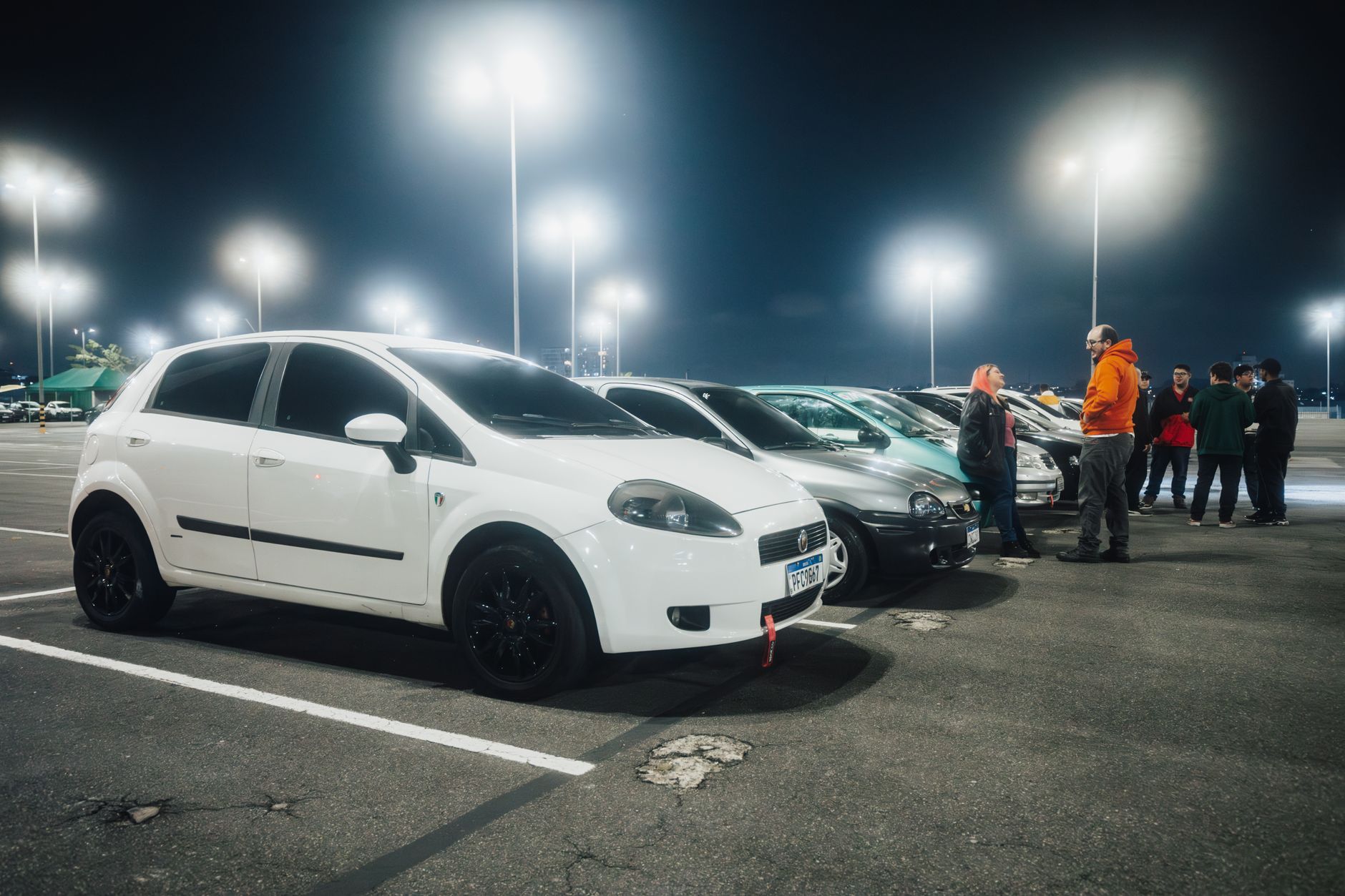
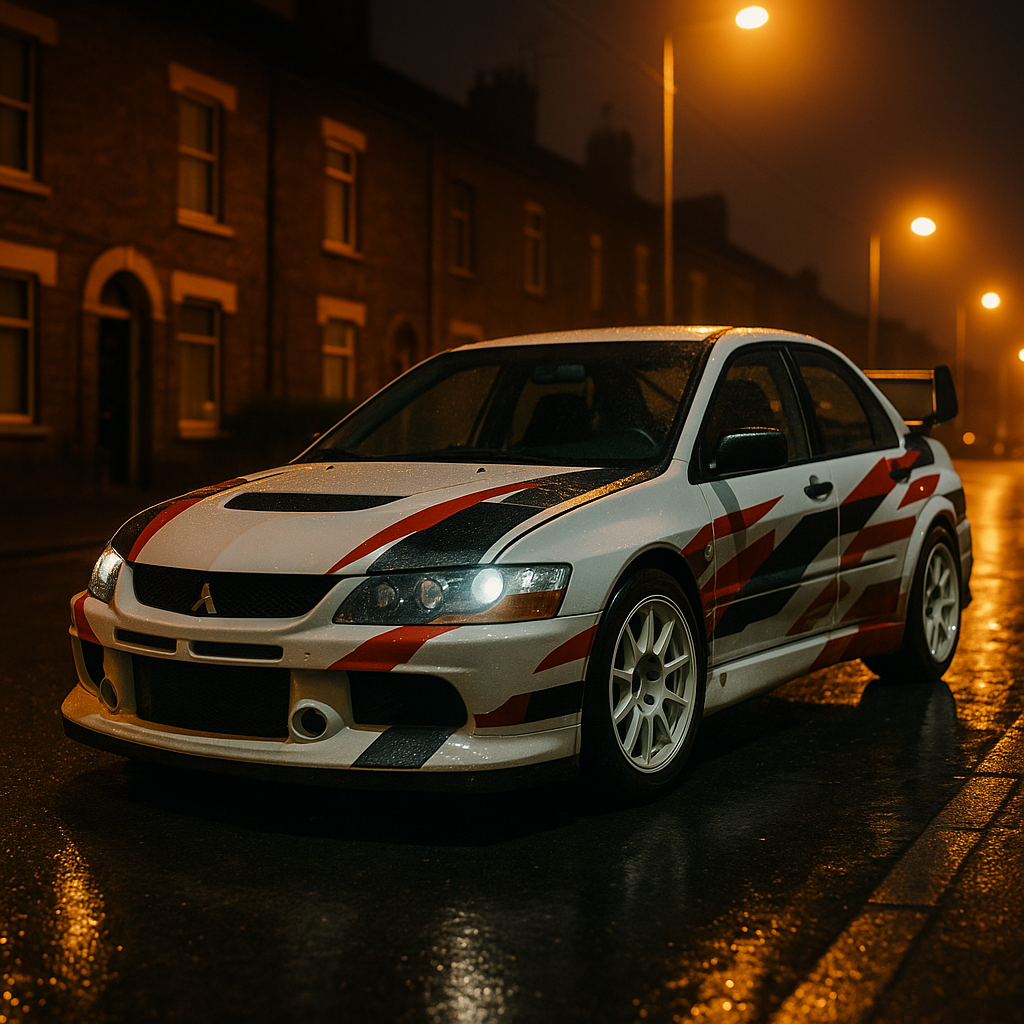
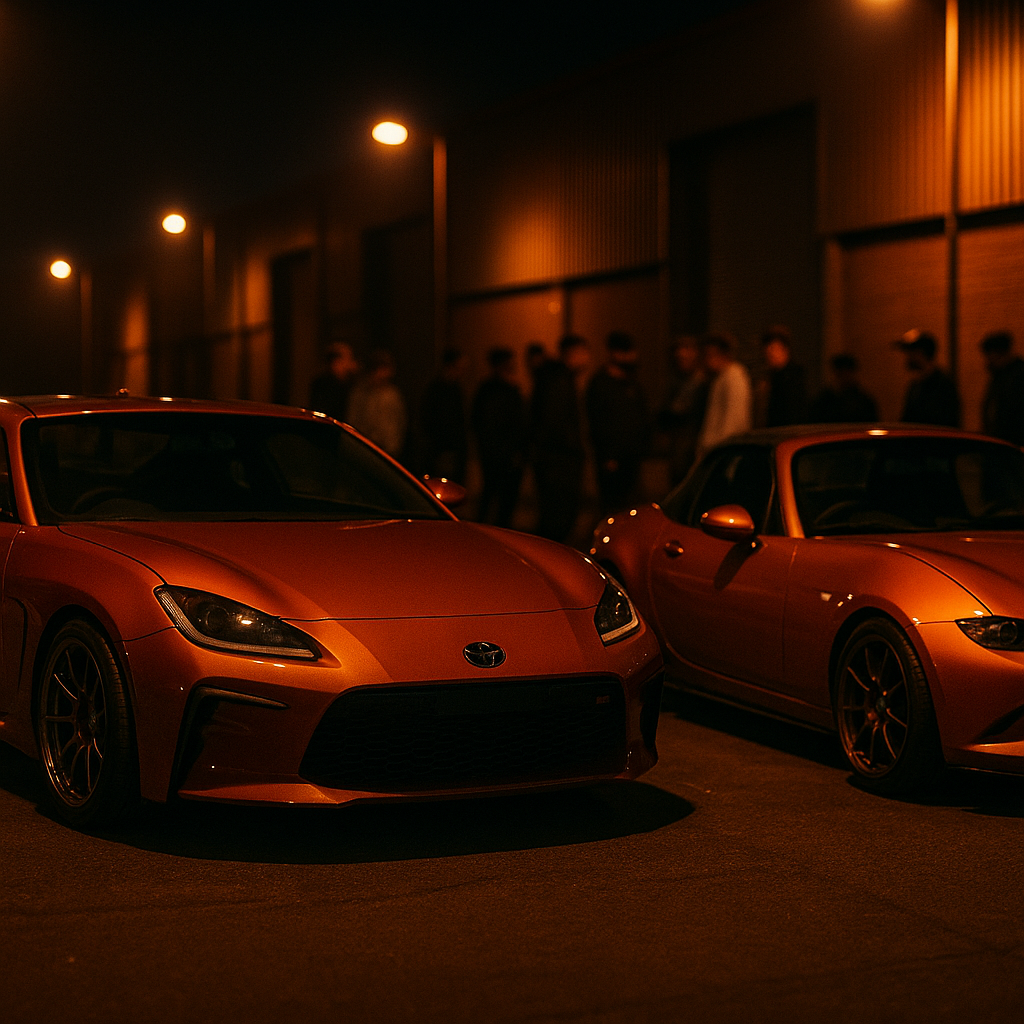
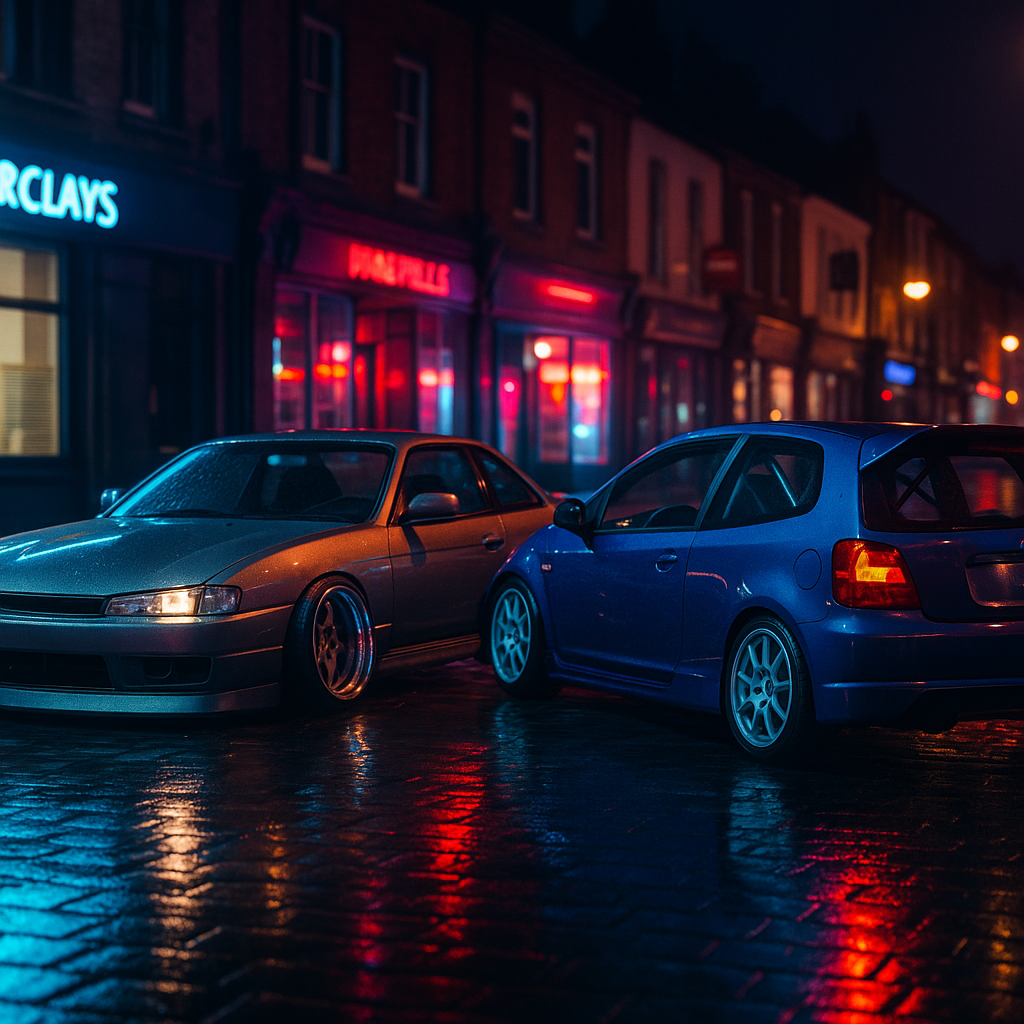
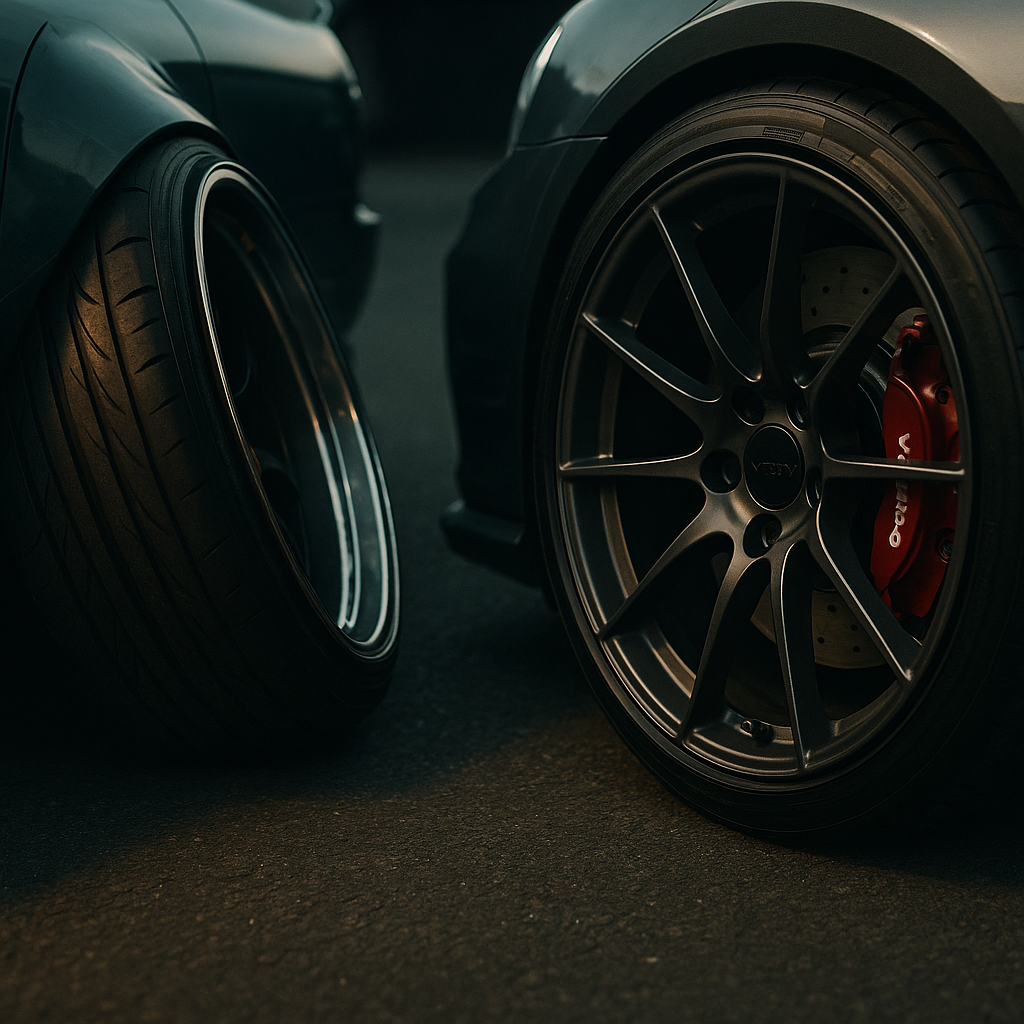
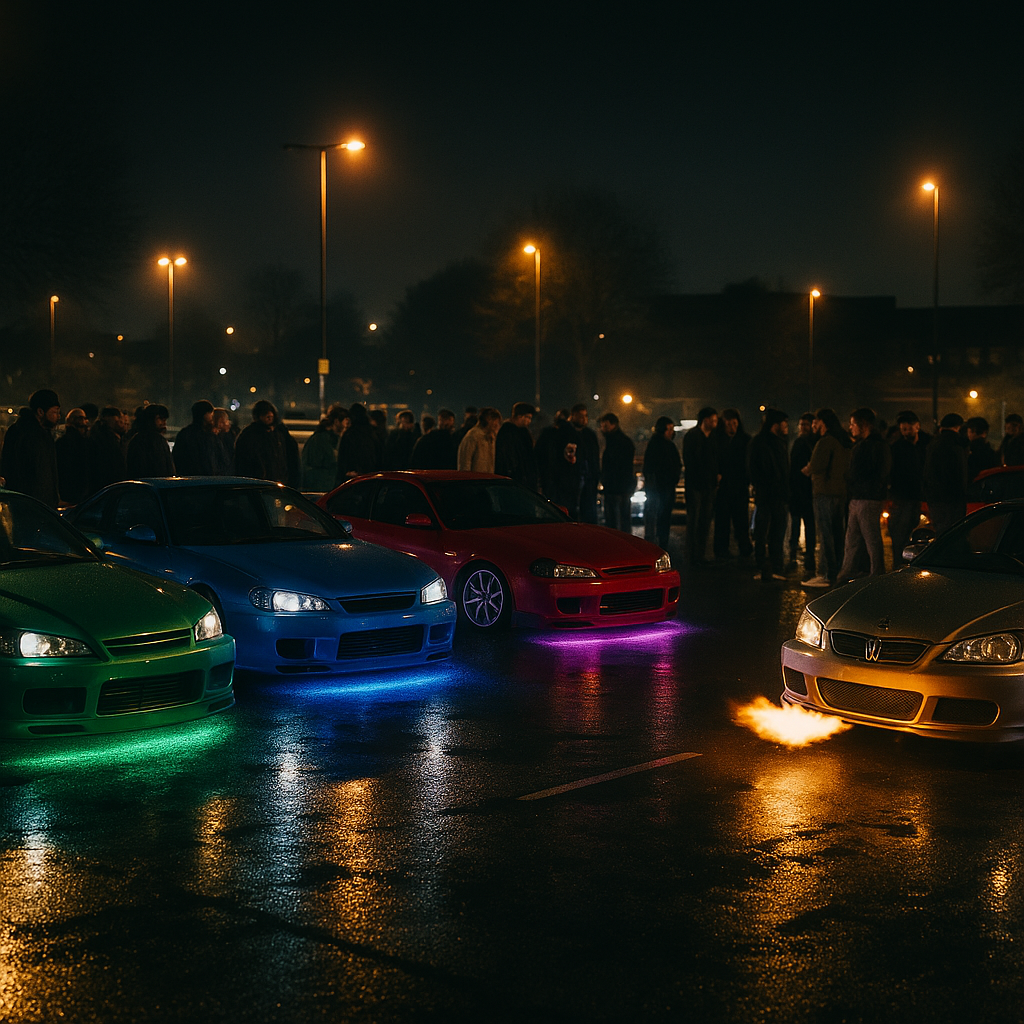
    JDM vs Euro car culture showdown at a UK nighttime cruise meet with modified cars lined up
    JDM vs Euro car culture showdown at a UK nighttime cruise meet with modified cars lined up

    The JDM Side: Legends, Legacy and Low Offsets

    Japanese domestic market culture in the UK has roots going back to the late 90s. The Fast and the Furious put Supras and Silvias on the radar of a generation, but British petrolheads had already been clocking the grey imports rolling off boats at Southampton docks well before Hollywood got involved. In 2026, the JDM scene is still going absolutely mental.

    Walk into any decent cruise night from Bristol to Bradford and you’ll see a sea of Civics, Imprezas, Evos, RX-7s, S-chassis Nissans and the odd immaculate Aristo or Chaser that someone clearly re-mortgaged their soul to import. The JDM crowd takes modification seriously. We’re talking full aero kits, genuine BBS or Enkei wheels, Cusco suspension, Bride buckets, full engine rebuilds and custom fabrication that would make a welder blush.

    On social media, the numbers speak for themselves. JDM-tagged content dominates TikTok and Instagram in the UK car space. Accounts dedicated to British JDM builds rack up hundreds of thousands of followers, and events like the JDM Legends Show pull massive crowds year after year. The culture has genuine depth, genuine history and a global community that amplifies every single UK build to an international audience.

    The modification scene around JDM cars is also a proper industry in this country. Tuning specialists in places like Birmingham, Manchester and Glasgow have built entire businesses around importing and modifying Japanese metal. And if you’re spannering your way through a project, you’re never short of parts sources, whether you’re hunting for coilovers for an Evo or tracking down Mitsubishi l200 parts for a tougher workhorse project alongside your weekend show car.

    The Euro Side: Refined, Rapid and Ruthlessly Cool

    Now don’t sleep on the European hot hatch and modified Euro scene, because it is absolutely not playing second fiddle in 2026. In fact, in certain circles it’s never been more dominant. The Golf GTI and Golf R still shift units like nobody’s business, the Audi S3 is basically the default cruiser for anyone who wants performance without looking like they’re trying too hard, and the Focus ST and RS community is as passionate as any JDM crew you’ll find.

    But it goes deeper than the obvious stuff. The VAG scene in the UK is massive. VWDRC, Players Classic, Volksfling and countless regional Euro meets pull in builds that rival anything the JDM world can throw up. We’re talking bagged Golfs sitting on air-ride with custom interiors that look like they belong in a magazine, widebody Polos on RS4 wheels, and tucked-up Seats that scrape the tarmac at every speed bump. The Euro scene has a particular obsession with fitment, stance and detail that honestly goes unmatched.

    The scene has also benefitted from the massive growth in German-car specific tuning culture. Revo, Milltek, Wagner Tuning, APR and others have turned the UK Euro tuning world into a genuine powerhouse. A Stage 2 Golf R making 380bhp on a relatively modest budget is a real and attainable thing. That accessibility has brought loads of new enthusiasts into the Euro fold.

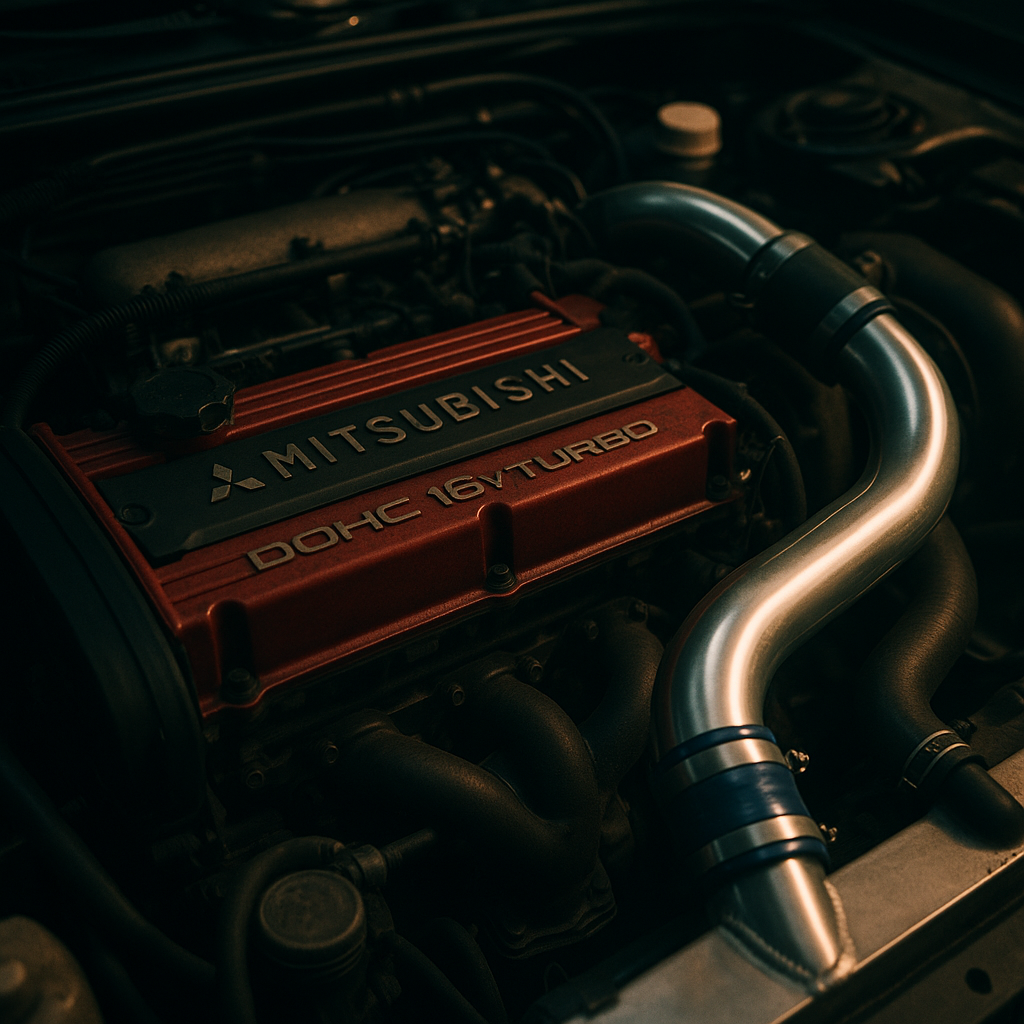
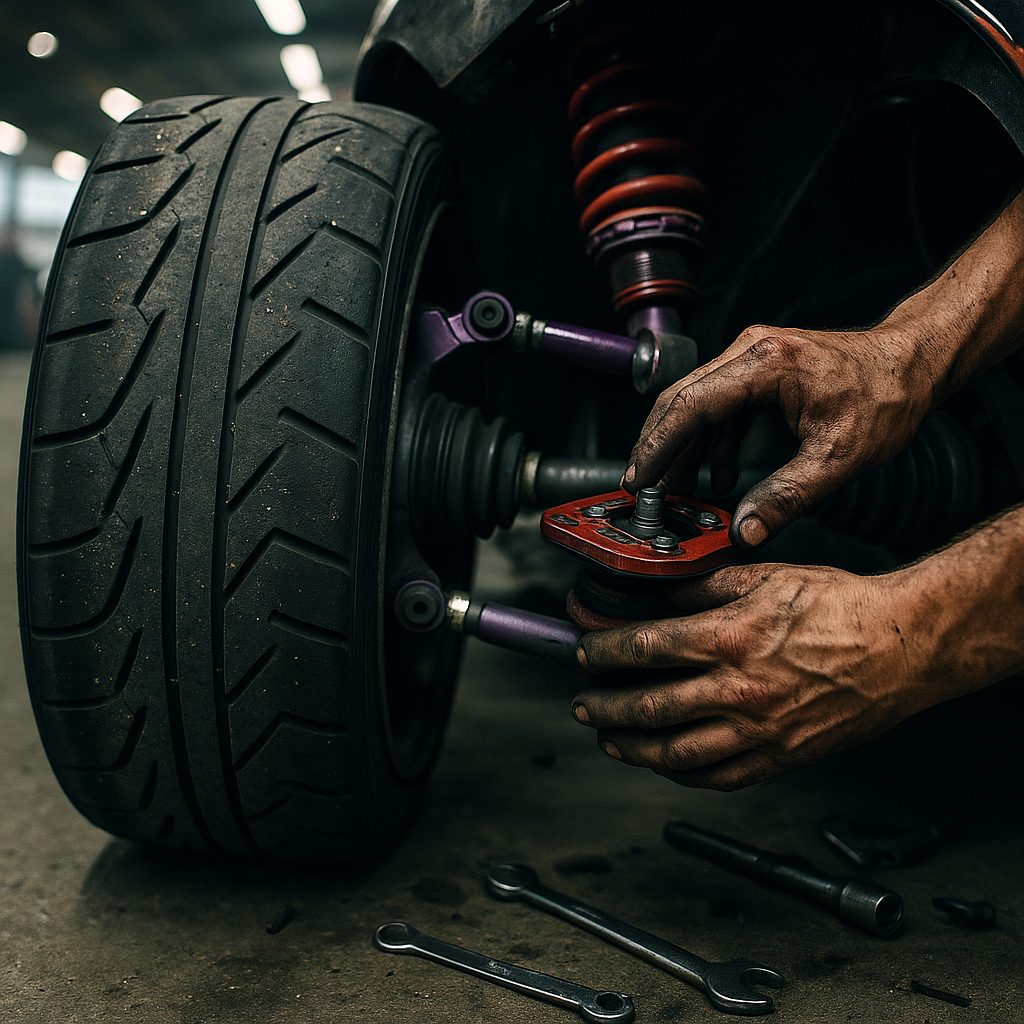
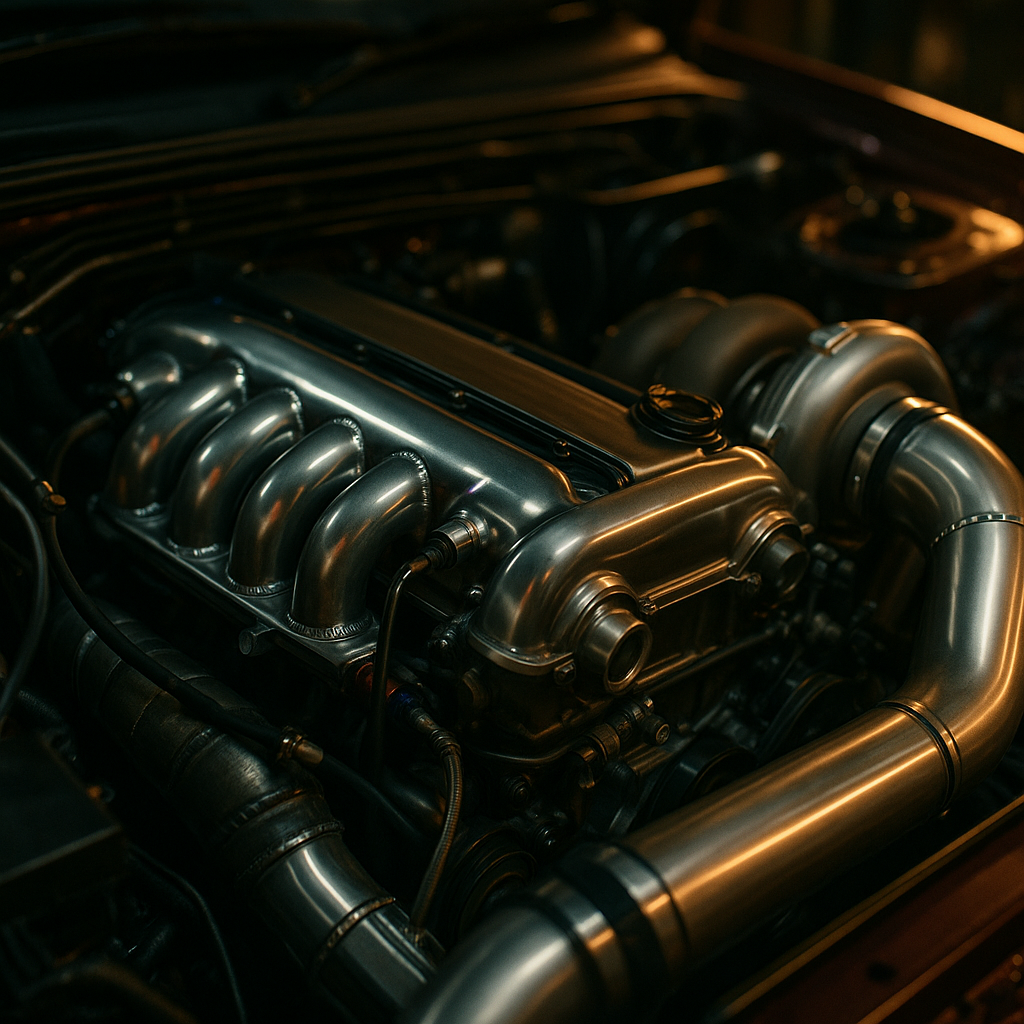
    Modified JDM engine bay showcasing tuning parts central to JDM vs Euro car culture builds
    Modified JDM engine bay showcasing tuning parts central to JDM vs Euro car culture builds

    What Are UK Car Meets Actually Showing in 2026?

    Here’s where it gets interesting. Spend enough time attending cruise meets around the UK and you start to notice patterns. In the North, particularly around Manchester, Leeds and Sheffield, JDM culture runs deep. You’ll see rows of Silvias, EK and EP Civics, Imprezas with full WRC-style wide arches and the occasional mental RB-swapped something that defies all logic. The Northern scene has a rawness to it that absolutely slaps.

    Down South, especially around London, the M25 corridor and the Home Counties, Euro culture has a stronger grip. The car park at a late-night south London cruise can look like a showroom floor for modified Volkswagen Group products. Pristine, detailed and social-media ready. There’s also a strong overlap with the premium scene, with AMGs and M-cars bridging the gap between the Euro enthusiast world and the general supercar crowd.

    Nationwide events like Japfest at Silverstone, which consistently draws tens of thousands of visitors, show the raw pulling power of the JDM scene. But Players Classic at Goodwood circuit and the various Euro-specific shows pack their own serious crowds. According to data from BBC coverage of major automotive events, UK car culture gatherings as a whole have seen significant growth in attendance post-2023, and both sides are benefitting from that wave.

    Social Media and the Clout War

    On TikTok and Instagram, both camps are thriving but in different ways. JDM content trends hard when something wild happens, an RB26-swapped 180SX pulls a massive flame, an EK9 gets a full cage and roll-cage spec build revealed, a bone-stock Chaser import gets a walkround from a UK creator with half a million followers. These moments go viral because they tap into nostalgia, aspiration and raw mechanical drama all at once.

    Euro content tends to do better in the detail and aesthetic lane. A beautifully shot MK7 Golf R on a misty morning on the B-roads of the Peak District? That’s going to rack up saves on Instagram for weeks. The Euro scene understands content creation on a slightly more refined level, and that suits the algorithm well.

    The honest answer is that neither side is losing the social media war. They’re just winning at different things.

    So Which Culture Actually Dominates the UK in 2026?

    Look, if you’re forcing me to pick a winner right now, today, in 2026? The JDM scene has the numbers, the events, the heritage and the raw passion. Japfest, JDM Legends, Trax and dozens of regional Japanese car shows pull bigger and more dedicated crowds than their Euro equivalents. The modification culture around JDM cars is simply more adventurous, more theatrical and more likely to produce something genuinely bonkers that breaks the internet.

    But the Euro scene is tighter, more polished and arguably more accessible to newcomers. A young lad on a budget can buy a £3,000 Focus ST, do a Stage 1 map, throw some coilovers on it and walk into any Euro meet with his head held high. That accessibility is keeping the scene incredibly healthy and consistently recruiting new blood.

    The real truth? UK car culture in 2026 is richer precisely because both tribes exist, argue and occasionally park next to each other at 11pm in a Morrisons car park arguing about who’s got the better exhaust note. And honestly, that’s exactly where we all want to be.

    JDM or Euro, pick your side, build your car and show up. The meet isn’t going to fill itself.

    Frequently Asked Questions

    What is JDM car culture in the UK?

    JDM stands for Japanese Domestic Market and refers to cars originally built for the Japanese home market, many of which were grey-imported into the UK. The culture around them includes modification, tuning, community meets and a deep appreciation for iconic Japanese performance cars like the Nissan Silvia, Subaru Impreza and Mitsubishi Evo.

    Which is more popular at UK car meets, JDM or Euro cars?

    It genuinely depends on the region. Northern cities like Manchester and Leeds tend to have stronger JDM representation, while London and the South often see more Euro-influenced builds. Nationally, dedicated JDM events like Japfest pull enormous crowds, but the Euro VAG scene has massive loyal followings too.

    Are JDM cars expensive to modify in the UK?

    Costs vary wildly depending on the platform. Entry-level JDM builds like a Honda Civic EK or Nissan 200SX can be modified fairly affordably, but rarer Japanese imports like an R34 Skyline or FD RX-7 will demand serious money for both parts and specialist labour. Parts availability has improved massively thanks to online suppliers and dedicated importers.

    What Euro cars are most popular at UK cruise meets in 2026?

    The Golf GTI and Golf R remain the backbone of the Euro cruise scene in the UK, alongside the Audi S3, Ford Focus ST and RS, and various modified VAG group products from Seat and Skoda. Stance and fitment builds on Volkswagen platforms are particularly dominant at dedicated Euro shows.

    Are car cruise meets legal in the UK?

    Organised cruise meets held on private land with permission are perfectly legal. It’s specific behaviours like racing, dangerous driving or blocking public roads that can draw police attention and Anti-Social Behaviour Orders under UK law. Most well-run meets operate within the law and have marshals or organisers managing the crowd.

  • Do Electric Hot Hatches Actually Belong at a Cruise Meet?

    Do Electric Hot Hatches Actually Belong at a Cruise Meet?

    Right, let’s settle this. The electric hot hatch has arrived, it’s making noise (or conspicuously not making noise), and the cruise scene doesn’t quite know what to do with it. Half the lads are giving it looks like it’s just rolled up in a Nissan Micra. The other half are quietly clocking the 0-60 time and reconsidering their life choices. So where does the electric hot hatch actually stand at a cruise meet? Strap in, because we’re going in honest.

    Renault 5 Turbo 3E at a UK electric hot hatch cruise meet at night with wet tarmac reflections
    Renault 5 Turbo 3E at a UK electric hot hatch cruise meet at night with wet tarmac reflections

    What Electric Hot Hatches Are Actually Turning Up in 2026

    It’s not like there’s a flood of them. Yet. But a few machines have started appearing at UK meets and turning heads for the right and wrong reasons. The Abarth 500e is probably the most recognisable. Scorpion badge, aggressive styling, and a soundtrack that’s been digitally piped through speakers to stop drivers feeling cheated. Yes, really. It’s got 154bhp, a 0-60 of around 7 seconds, and it looks genuinely sharp. Points on the board.

    Then there’s the Renault 5 Turbo 3E, which is basically Renault going absolutely feral. Twin motors, over 500bhp, wide arches borrowed from the ’70s rally car, and a look that would embarrass most modified hatches on the car park. This thing is not subtle. It’s not even pretending to be sensible. It has mid-engine architecture and looks like it was designed by someone who grew up with Scalextric and never quite let go. The performance numbers are mental, and if you clock one at a cruise night, you’ll remember it.

    There are others edging in too. The upcoming versions of the MINI Cooper SE and various European hot hatches going electric mean this conversation is only going to get louder, even if the cars themselves stay quiet.

    The Noise Problem: Is Silence Actually a Dealbreaker at a Cruise Meet?

    Let’s not skirt around it. Cruise culture is built on sound. The idle burble at lights. The exhaust pop on the overrun. The rev-matching on a downshift that makes everyone in the car park look up from their phones. That stuff matters. It’s basically the language of a cruise meet, and the electric hot hatch shows up speaking sign language.

    Abarth has actually tried to address this with their artificial sound system, and credit where it’s due, it’s not as embarrassing as it sounds. There’s a low, synthetic growl that does give the 500e some character. But it’s not the same, and anyone who tells you otherwise is lying to your face. The Renault 5 Turbo 3E has leaned into the drama through sheer visual spectacle and raw performance rather than acoustics, which is honestly the smarter play.

    The real question isn’t whether an EV can make noise. It’s whether cruise culture is flexible enough to let performance speak differently. And I reckon, begrudgingly, the answer is moving towards yes.

    Abarth 500e front detail at an electric hot hatch cruise meet, scorpion badge close-up
    Abarth 500e front detail at an electric hot hatch cruise meet, scorpion badge close-up

    Performance Credentials: Can an Electric Hot Hatch Actually Keep Up?

    This is where things get spicy. Electric motors deliver torque instantly. No lag, no waiting for a turbo to spool, no gear hunting. From standstill, a properly specced electric hot hatch is genuinely rapid in a way that makes a lot of traditional boy racer cars look a bit hesitant. The Renault 5 Turbo 3E’s headline figures put it firmly in supercar-baiting territory on a straight. The Abarth 500e isn’t in that league, but it’s no slouch for city driving and spirited B-road blasts.

    At a cruise meet, straight-line pull is one thing. But atmosphere, presence, and the overall spectacle are equally part of the culture. An electric hot hatch cruise meet appearance lives or dies on the car looking the part and catching eyes. And the 5 Turbo 3E, for instance, wins that battle before it even moves.

    The honest truth is that the performance is there. It’s just delivered differently, and the cruise scene is going to have to decide if different means lesser or just, well, different.

    Charging Anxiety: The Real Buzz Kill at a Cruise Night

    Here’s the thing nobody wants to admit. Range anxiety at a cruise meet is a genuine vibe-killer. You’ve driven 40 minutes to a retail park car park in Watford, had a brilliant two hours showing off, and now you need to find a rapid charger before you can get home. Classic petrol boy racers fill up at the nearest petrol station in three minutes and crack on. EV owners are cross-referencing the Zap-Map app and hoping the charger at Lidl isn’t being hogged by a Vauxhall Mokka-e.

    The charging infrastructure in the UK is genuinely improving. According to gov.uk’s EV charging statistics from January 2026, there are now over 70,000 public charging devices across the UK, with rapid chargers making up an increasing share. That’s real progress. But rapid charging to 80% still takes the better part of 20-30 minutes at most locations, and at a busy cruise night, that’s still a conversation you’d rather not be having.

    If you’re driving an electric hot hatch to a meet, you need to plan your route and charging stops the same way you’d plan a track day. It’s doable. It just requires a bit more thinking, which, let’s be honest, most of us aren’t doing at 10pm on a Saturday night with grime blasting out the speakers.

    Does the Culture Accept Them Yet?

    The short answer? Reluctantly, yes. And the reluctance is fading faster than people expected. A year ago, rolling up in an EV at a traditional cruise meet would get you side-eyes. Now, if you show up in a Renault 5 Turbo 3E with the wide arches and the attitude to match, you’re getting gawped at for the right reasons. Modified EV culture is also starting to emerge, with wraps, aero kits, and wheel fitments bringing EVs visually into line with the modified scene.

    The electric hot hatch cruise meet experience isn’t replacing the roar of a turbocharged engine. Nothing is doing that any time soon. But it’s carving its own lane (literally and figuratively), and the cars that do it with enough visual drama and genuine performance are getting the respect they’re after.

    The Verdict: Electric Hot Hatch at a Cruise Meet, Yes or No?

    If the car looks the business and backs it up with real performance numbers, then yes. The Renault 5 Turbo 3E earns its place at any meet in the country purely on spectacle and speed. The Abarth 500e is a solid shout for anyone who wants EV practicality wrapped in a car that doesn’t look completely vanilla. The charging situation still needs sorting out before electric really slots seamlessly into cruise culture, but the trajectory is pointing the right way.

    The electric hot hatch hasn’t replaced anything. But it’s earned a spot on the car park. Just make sure you’ve charged it before you get there.

    Frequently Asked Questions

    Are electric hot hatches welcome at UK cruise meets?

    Increasingly, yes. Cars like the Renault 5 Turbo 3E and Abarth 500e are getting genuine respect at meets thanks to their performance credentials and striking looks. The culture is adapting, even if traditional petrolheads are doing so slowly.

    Do electric hot hatches make any noise at a cruise meet?

    Most EVs are near-silent, though some like the Abarth 500e use an artificial sound system to create a synthetic engine note. It’s not the same as a genuine exhaust, but it does add some character. The Renault 5 Turbo 3E relies on visual drama rather than acoustics.

    How fast is the Renault 5 Turbo 3E compared to traditional hot hatches?

    The Renault 5 Turbo 3E produces over 500bhp with twin electric motors, putting it well beyond most traditional hot hatches in straight-line performance. Its instant torque delivery means it accelerates with very little hesitation, which is genuinely shocking to witness.

    Is charging anxiety still a problem for electric hot hatch owners going to cruise nights?

    It can be, especially late at night when many charge points may be occupied or unavailable. Planning your route and charging stops in advance is essential. The UK now has over 70,000 public charging points, but rapid charger availability varies significantly by location.

    Can you modify an electric hot hatch for cruise culture?

    Absolutely. Wraps, aero kits, alloy wheel upgrades, and suspension lowering are all available for popular EVs like the Abarth 500e. Modified EV culture is growing in the UK, and visual customisation is catching up quickly even if engine modifications are off the table.

  • Electric Hot Hatches in 2026: Are They Finally Worth Getting Excited About?

    Electric Hot Hatches in 2026: Are They Finally Worth Getting Excited About?

    Right, let’s be honest with each other. When someone mentions an electric hot hatch, your brain probably does one of two things. Either you get mildly curious, or you immediately think about the last time someone tried to tell you that a Tesla Model 3 is a driver’s car. The electric hot hatch 2026 conversation, though, is genuinely different to what it was two or three years ago. The cars have changed. The numbers have changed. Whether the soul has changed is another matter entirely.

    We’re not here to repeat manufacturer press releases at you. We’re here to actually dig into whether these things belong at a cruise night or whether they’re still the automotive equivalent of showing up to a barbecue with a salad.

    Close-up of electric hot hatch 2026 alloy wheel and brake caliper with rain droplets
    Close-up of electric hot hatch 2026 alloy wheel and brake caliper with rain droplets

    What Electric Hot Hatches Are Actually Available in 2026?

    The market has finally started to fill out properly. You’ve got the Renault 5 E-Tech, which is genuinely turning heads right now and isn’t trying too hard to be something it isn’t. The Alpine A290 sits above it and brings proper hot hatch pretensions with 218 bhp, a 0-62 time of around 6.4 seconds, and a chassis that Renault’s motorsport division clearly had a proper hand in. Then there’s the Volkswagen ID. GTI, which has been heavily anticipated and carries one of the most iconic badges in hot hatch history on its nose.

    Renault and Volkswagen aren’t the only ones playing here. Cupra continues to push the Born into proper performance territory, and there are whispers that Honda’s e:NY2 could slot into this conversation later in 2026. The range is actually starting to look like a range, which matters if you want buyers to have real choices rather than just the one option that everyone feels obliged to talk about.

    Are Electric Hot Hatches Actually Fun to Drive?

    This is the question that keeps getting dodged in mainstream reviews, so let’s go at it directly. Instant torque is real. You press the accelerator in something like the Alpine A290 and the car moves with a sense of urgency that a naturally aspirated 1.6 simply cannot replicate off the line. In town, in traffic, pulling out at a junction — electric performance is genuinely impressive and nobody who drives one is going to tell you otherwise.

    But here’s where it gets complicated. Hot hatch culture has always been about more than just straight-line pace. It’s about the rev climb on a B-road. It’s about the gearchange, the exhaust note, the way a car feels alive underneath you. And in those moments, the best electric hot hatch 2026 has to offer is still doing some catching up. The Alpine A290 has artificial sound pumped through the speakers. It’s not embarrassing exactly, but it’s not fooling anyone who’s ever sat in an original Renault Clio Williams either.

    Weight is the other honest conversation. Even the more focused electric hot hatches are carrying around 1,500 to 1,700 kg. That’s the kind of number that used to belong to saloons and small SUVs, not driver’s cars. You feel it in fast direction changes. You feel it when you’re really pushing. Physics doesn’t care how much instant torque you’ve got.

    Street Cred and the Cruise Night Test

    Let’s talk about what really matters to the CruiseSites crowd. Would you actually want one at a meet? Would it get attention, or would it get polite nods and then everyone wanders back to look at the Civic Type R parked two spaces down?

    The Alpine A290 would absolutely get attention. It looks properly aggressive, carries the right badges, and has enough motorsport association to justify a conversation. The Volkswagen ID. GTI has the GTI name, and that name still carries weight whether you’re 19 or 45. The Renault 5 is charming rather than intimidating, which puts it in a different bracket.

    Where electric cars still struggle at cruise nights is the intangible stuff. No exhaust note means no car park rumble. No rev limiter means no launch control drama. These things sound trivial but they’re not. Car culture is partly a sensory experience, and EVs currently offer about 60% of that experience at best. According to research published by the BBC, younger drivers in particular still rate engine sound as a significant factor in car enjoyment, which shouldn’t surprise anyone who’s ever been to a proper cruise.

    The Insurance and Running Cost Reality

    One area where the electric hot hatch 2026 picture genuinely improves is running costs. Charging at home overnight on a decent tariff costs significantly less per mile than filling up at a petrol station. Servicing is simpler. There are no timing chains, no clutches, no exhaust systems to rot away. For a young enthusiast who’s already paying through the nose for insurance, lower day-to-day costs are genuinely attractive.

    Insurance, though, is still a bitter pill. Electric hot hatches carry higher repair costs due to battery proximity to impact zones and specialist parts pricing. A 20-year-old trying to insure an Alpine A290 is going to need a sit-down before opening that quote. This is the financial reality that nobody in the launch videos mentions.

    Can They Compete With Petrol Hot Hatches?

    On raw performance metrics, increasingly yes. The best electric hot hatch 2026 can offer will embarrass most petrol rivals in a straight line and hold its own in technical driving situations where the chassis has been properly developed. The Alpine A290 and the ID. GTI are not pretending to be performance cars, they actually are performance cars.

    On emotional connection and car culture credibility, not quite. Not yet. The missing elements, sound, weight, analogue feedback, aren’t going to disappear quickly. They might not disappear at all without some fundamental rethinking of what a hot hatch is supposed to be. That rethinking is happening, but it’s happening slowly.

    My honest take is this: if you bought one today, you wouldn’t regret the performance. You might, on a quiet Sunday morning on a good road, briefly miss the sound of something revving hard through a hedge. That’s not a deal-breaker for everyone. For some of us, it is.

    The Verdict on Electric Hot Hatches in 2026

    The electric hot hatch 2026 generation is the most convincing set of cars this segment has ever produced. They’re quick, they’re properly designed, and a few of them would genuinely turn heads anywhere. But convincing and perfect aren’t the same thing. The petrol hot hatch isn’t dead yet, and anyone telling you otherwise is probably trying to sell you something. Watch this space though, because it’s moving fast. Faster than most people expected, in fact.

    Frequently Asked Questions

    What is the fastest electric hot hatch available in the UK in 2026?

    The Alpine A290 is currently among the quickest, hitting 0-62 mph in around 6.4 seconds in its most powerful form. Cupra’s Born variants also offer strong performance, with some configurations nudging similar figures depending on trim level.

    Are electric hot hatches good for track days?

    They can be genuinely quick around a circuit, but battery thermal management becomes a real concern on extended sessions. Most electric hot hatches will reduce performance output after sustained high-load driving to protect the battery, which is something petrol rivals simply don’t have to worry about.

    How much does an electric hot hatch cost in the UK in 2026?

    Entry-level options like the Renault 5 E-Tech start from around £23,000 to £26,000 depending on spec. The Alpine A290 sits closer to £35,000 to £40,000, and the Volkswagen ID. GTI is expected to land in a similar bracket. Running costs are lower than petrol, but the purchase price remains a significant commitment.

    Do electric hot hatches sound good?

    Most have some form of artificial sound generation played through the speakers or external emitters, but it’s a synthetic experience rather than a genuine exhaust note. Some drivers appreciate it as part of the performance theatre; others find it unconvincing compared to a proper four-cylinder screaming at high revs.

    Is it worth buying an electric hot hatch over a petrol one for a car meet or cruise?

    It depends on what you value. Electric hot hatches will genuinely impress with performance and some have striking styling, but they currently lack the exhaust sound and raw analogue feeling that many car meet regulars prize. If street presence and performance stats matter most, an EV can work well; if the full sensory experience is your priority, a petrol hot hatch still has the edge.

  • What Is Car Cruising and Is It Actually Legal in the UK?

    What Is Car Cruising and Is It Actually Legal in the UK?

    Right, so you’ve seen the Instagram reels. Rows of slammed hatches, the smell of tyre smoke, engines blipping at midnight in a retail park somewhere off the A-road. You want in. But before you roll up to your first cruise night with a freshly fitted exhaust and no clue what you’re doing, let’s break down exactly what car cruising in the UK actually is, how it works legally, and how to avoid turning your Friday night out into a very expensive chat with the police.

    Large car cruising event in the UK at night with rows of modified cars in a retail park car park
    Large car cruising event in the UK at night with rows of modified cars in a retail park car park

    What Is Car Cruising in the UK?

    Car cruising, at its core, is a gathering of car enthusiasts who meet up, usually in the evenings or at weekends, to show off their builds, catch up with mates, and enjoy the culture around modified and performance cars. Think less formal car show, more organised chaos with a banging sound system parked next to a widebody Civic.

    The format varies massively. Some cruises involve a convoy of cars driving a set route through town, often finishing at a specific meet-up spot. Others are static, more like informal car shows in car parks. Then you’ve got the big organised events, ticketed affairs with security, food vans, and a proper atmosphere. Up and down the country, from Birmingham’s Centenary Square meets to the legendary Japfest-style shows at Silverstone, car cruising in the UK is genuinely huge. It’s not a niche thing anymore. It’s a community of hundreds of thousands of people who just love cars.

    Is Car Cruising Actually Legal?

    This is the question everyone wants answered, and the honest answer is: it depends entirely on how it’s done.

    The act of driving your car on a public road is obviously legal. Meeting up with other enthusiasts in a public or private car park is, broadly speaking, also fine. No law specifically bans car meets or cruise events in the UK. However, and this is a big however, a lot of what happens around cruising can very quickly tip into illegal territory.

    Here are the things that will get you pulled over, fined, or worse:

    • Street racing and organised speed contests on public roads are a criminal offence under the Road Traffic Act 1988. This isn’t a grey area. It’s a clear line, and crossing it can mean disqualification, an unlimited fine, or even a custodial sentence.
    • Excessive noise from modified exhausts can fall under Section 59 of the Police Reform Act 2002. Officers can issue a Section 59 warning for using a vehicle in a manner causing alarm, distress, or annoyance. Get two warnings in 12 months and your car can be seized. No drama, just gone.
    • Dangerous driving, including drifting, handbrake turns, or reckless manoeuvres in public spaces, is a serious criminal offence. Full stop.
    • Trespassing on private land (plenty of cruise meets happen in retail park car parks, which are privately owned) means you could be asked to leave. Persistently ignoring that request can escalate things quickly.

    The UK Government’s guidance on road traffic policing outlines exactly what powers officers have, and it’s worth a read if you want to know your rights and responsibilities before you show up somewhere.

    Close-up of a modified engine bay at a UK car cruising event showing turbocharged performance parts
    Close-up of a modified engine bay at a UK car cruising event showing turbocharged performance parts

    The Grey Areas Around Car Cruising Events

    Here’s where it gets murky. A lot of car cruising in the UK sits in a legal grey zone, not because anyone’s doing anything criminal, but because the law is applied inconsistently and location matters enormously.

    Private car parks are the biggest issue. Many large retail parks and industrial estates actively host or tolerate cruise meets, but technically the land is privately owned. The police have limited powers to disperse people on private land unless there’s criminal behaviour, public order concerns, or the landowner makes a formal complaint. In practice, this means a well-behaved meet in a Tesco Extra car park at 11pm might get left alone, while the same meet with one idiot doing donuts gets the whole lot of you moved on.

    Noise is another grey area. Your mate’s straight-pipe Subaru that sounds incredible to you might be considered a statutory nuisance to someone living nearby. Local councils and police forces take this differently depending on the area. What flies in one town might get you a notice in another.

    Organised cruise convoys on public roads are also complicated. There’s no specific law against driving in convoy, but if the group is large, slow, or blocking traffic, you’re looking at potential obstruction offences. Roads policing units are very familiar with this and will act if they feel public safety is at risk.

    How to Take Part in Car Cruising Responsibly

    Look, nobody here is trying to be your mum. But if you genuinely love the culture and want to be a part of it long-term, keeping it sensible is the only way the scene survives. Here’s how to do it properly:

    • Find organised events. Sites like ours, plus Facebook groups, Instagram pages, and dedicated forums will have listings of legitimate, organised cruise meets in your area. These events have structure, and structure keeps the police interested in other things.
    • Know your car’s legality before you go. Illegal modifications, including excessively tinted windows, non-road-legal lighting, or an exhaust that fails the noise test, are all reasons for a tug. Sort your car out before you rock up.
    • Don’t be the one who ruins it for everyone. Seriously. One bloke doing rev-bombs outside a residential area gets the whole meet shut down and gives the press a story. Keep it clean until you’re somewhere appropriate.
    • Respect private land rules. If an event is hosted in a car park and there are guidelines from the organiser, follow them. Organising a proper event takes effort and goodwill from landowners.
    • Drive to and from the meet like a normal human being. Your insurance doesn’t cover you for acts of stupidity, and neither does your ego when you’re explaining yourself at a roadside.

    What Happens If You Get Stopped at a Cruise?

    Stay calm, be polite, and know your rights. Officers stopping you at a meet have to have a reason, whether that’s a suspected modification issue, a noise complaint, or a broader public order situation. If you’re asked to produce your documents, you have seven days to produce them at a police station of your choice. If your car is flagged as modified, they may carry out a visual inspection at the roadside.

    If you receive a Section 59 warning, take it seriously. It goes on record and a second one in a 12-month window means your car gets seized. Getting it back costs money and involves paperwork you don’t want to deal with.

    The vast majority of encounters at car cruise events are low-key. Police understand the culture better than they used to, and many forces now prefer to engage with the community rather than just shut meets down. Play it smart and you’ll be fine.

    Building the Scene the Right Way

    Car cruising in the UK has a real future if the community handles it well. There are more enthusiasts on the road now than ever, and the quality of builds coming through is genuinely world-class. The scene deserves that kind of reputation, not the tabloid version of hooded teenagers doing burnouts in Asda car parks.

    If you’re running a meet, an event, or even just a social page around car culture, getting your digital presence right matters too. Some of the biggest cruise nights in the UK started as a handful of mates in a car park and grew into ticketed events because someone put in the work online. Whether that means sorting your social media, your website, or even getting a free SEO audit to see how your event page is performing, the detail counts.

    The scene is yours. Keep it clean, keep it legal, and keep showing up.

    Frequently Asked Questions

    What is a car cruise event in the UK?

    A car cruise event is an informal or organised gathering of car enthusiasts who meet to show off their vehicles, socialise, and enjoy car culture. They range from static meets in car parks to convoy-style drives along set routes, and they’re popular across the whole country.

    Is car cruising legal in the UK?

    The act of meeting up with other car enthusiasts is not illegal, but certain behaviours around cruise events are. Street racing, dangerous driving, and excessive noise from modified exhausts can all result in fines, points on your licence, or vehicle seizure under existing road traffic laws.

    Can police shut down a car meet?

    Police can disperse a gather if there’s evidence of criminal activity, public order issues, or if a private landowner requests it. Under Section 59 of the Police Reform Act 2002, officers can also seize a vehicle if it’s been used in a way that causes alarm or annoyance, following a prior warning.

    What modifications can get you stopped at a car cruise?

    Illegal window tints, non-road-legal lighting, exhausts that exceed noise limits, and suspension lowered beyond legal ride height limits are all common reasons for a roadside check. Always make sure your modifications are road-legal before attending any public event.

    How do I find car cruise meets near me in the UK?

    The best places to look are dedicated car culture websites like Cruise Sites, Facebook groups for your local area, and Instagram pages run by event organisers. Searching for meets by region or car type will usually turn up a load of upcoming events fairly quickly.

  • The Best Car Cruise Meets in the UK for 2026: Where to Show Up and Show Off

    The Best Car Cruise Meets in the UK for 2026: Where to Show Up and Show Off

    Right then. If you’ve spent the last few months wrenching on your motor, getting the stance dialled in and buffing that paint to mirror-finish perfection, it’s time to actually take it somewhere worth going. The car cruise meets UK 2026 calendar is absolutely stacked, from seaside blasts on the south coast to industrial estate gatherings in the Midlands that somehow pull four-figure crowds. Whether you’re rocking a lowered Civic, a slammed MX-5 or a turbocharged Golf that sounds like a thunderstorm, there is a meet with your name on it.

    Large car cruise meets UK 2026 gathering at night with modified cars lined up under bright lights
    Large car cruise meets UK 2026 gathering at night with modified cars lined up under bright lights

    This isn’t just a list of postcode coordinates. This is a proper guide to where the scenes are buzzing, what kind of crowd each event pulls, and how to make the most of showing up without looking like an absolute muppet. Let’s get into it.

    Why UK Cruise Culture Is Bigger Than Ever in 2026

    The scene has absolutely exploded over the past few years. Social media, YouTube build threads, and a generation of enthusiasts who grew up watching Fast and Furious on repeat have turned car culture into something genuinely mainstream. According to the Society of Motor Manufacturers and Traders (SMMT), modified and performance vehicle ownership in the UK continues to grow year on year, and the community around it has followed suit. Car cruise meets UK 2026 are bigger, louder, and more organised than they’ve ever been. Proper events now, not just a dozen lads in a Tesco car park at midnight (though honestly, those still have their charm).

    The South Coast Scene: Brighton, Worthing and Beyond

    Brighton has long been the spiritual home of the UK cruise. The seafront on a warm Saturday evening is genuinely electric. Think rows of modified cars lining the prom, Jap imports next to American muscle next to European hot hatches. The Brighton Breeze Cruise typically kicks off in late spring and runs through summer, and if you haven’t queued up bumper-to-bumper along the seafront in a slammed car blasting something with too much bass, have you even cruised?

    Worthing and Eastbourne have their own regular coastal meets too, usually drawing the South East’s finest. These are more chilled than Brighton, better for showing off a clean build without a thousand people accidentally leaning on your bonnet.

    The Midlands: Where the Real Numbers Come Out

    Birmingham and the wider Midlands have some of the most well-attended car cruise meets in the country, full stop. The Bullring area and surrounding retail parks have historically hosted massive turnouts on weekend evenings, sometimes pulling over a thousand cars in a single night. The Midlands crowd is serious about their builds; expect everything from widebody Skylines to properly built Vauxhall Astras that’ll smoke most supercars off the line.

    Coventry has its own strong following too, with regular events drawing a mix of JDM heads, American muscle fans, and enough modified Corsas to form their own convoy. Honestly, Coventry’s scene is slept on massively.

    Modified turbocharged engine bay at a car cruise meet UK 2026 event
    Modified turbocharged engine bay at a car cruise meet UK 2026 event

    The North: Leeds, Manchester and Sheffield Showing Out

    Up north, the car meet scene hits different. Leeds has some of the most passionate enthusiasts in the country, and their summer cruise nights regularly fill industrial estate venues near the city centre. The crowd is younger on average, the cars are wilder, and the vibes are genuinely brilliant. Expect deep bass, full turbo systems and modified cars that cost more than most people’s houses.

    Manchester’s scene is similarly impressive. Trafford Park and surrounding areas host regular meets that pull serious numbers. The Etihad area has seen some decent gatherings too. Sheffield’s JDM scene in particular is worth the trip if you’re into Subarus, Mitsubishis and anything from the nineties that sounds angry.

    Scotland and the Wider UK: Don’t Sleep on the North

    Glasgow’s car cruise scene is genuinely class. The M8 corridor and surrounding industrial areas have been a hotspot for years, and the Scottish community is tight-knit in the best possible way. Edinburgh has its own meets too, though Glasgow tends to pull the bigger turnouts for the big summer events. If you’re heading north of the border, do a bit of research via Facebook groups and Discord servers because Scottish meets are often organised fairly last-minute and word spreads fast through those channels.

    Wales shouldn’t be ignored either. Cardiff’s meets have grown substantially, with the Bay area hosting some properly organised cruise nights through spring and summer 2026.

    Big Organised Events Worth Travelling For in 2026

    Beyond the regular weekly and monthly meets, there are a handful of headline events on the car cruise meets UK 2026 calendar that are genuinely unmissable.

    Players Classic

    Players Classic at Goodwood is the clean, premium end of the spectrum. Slammed, air-ridded perfection. If your build is surgical and you want it seen alongside the best Euro and JDM builds in the country, this is the one. Tickets sell out, so sort that early.

    Ultimate Dubs

    Ultimate Dubs at the NEC in Birmingham is the annual pilgrimage for VW, Audi, Seat and Skoda enthusiasts. Massive indoor and outdoor show with tens of thousands of attendees. Properly worth it even just to spectate.

    Japfest

    Japfest at Donington Park and Silverstone remains the crown jewel of JDM culture in the UK. Two venues, two dates, and the kind of Jap metal you normally only see in Japanese magazines. This is on every proper enthusiast’s calendar without question.

    Trax at Silverstone

    Trax is the ultimate modified car show, held at Silverstone. Live action, track demonstrations, and an enormous showfield mean it punches well above its weight. If you only make one ticketed event all year, Trax is the argument.

    How to Actually Get the Most Out of Car Cruise Meets

    Rocking up is one thing. Making the most of it is another. A few things that separate the people who have a mint night from those who stand around wondering why nobody’s looking at their car:

    • Get there early. The best spots go fast and latecomers end up parked half a mile away from the action.
    • Keep the burnouts for the private track days, not the car park meets. Police presence at UK cruise meets is a real thing and the last thing you want is a Section 59 warning or worse.
    • Talk to people. The community aspect is the whole point. Most people at these meets are absolutely buzzing to talk about their builds.
    • Follow the organisers on social media before you go. Meet locations change, some events get moved at short notice, and you do not want to drive two hours to an empty car park.

    The car cruise meets UK 2026 scene is genuinely one of the most exciting things happening in British car culture right now. Get your car sorted, pick a meet, and get out there. The scene feeds off new faces and fresh builds. Your motor deserves to be seen, and honestly, so do you.

    Frequently Asked Questions

    When do car cruise meets in the UK usually happen?

    Most regular cruise meets run from late spring through to early autumn, peaking between May and September when the weather’s decent. Some indoor events and organised shows run year-round, but your best outdoor cruise season in the UK is roughly April to October.

    Are car cruise meets in the UK legal?

    Attending a car cruise meet is perfectly legal. However, dangerous driving, street racing, and anti-social behaviour at or near meets can result in serious consequences including Section 59 warnings, vehicle seizure, and prosecution. Keep it sensible and everyone has a good time.

    How do I find out about local car cruise meets near me?

    Facebook Groups are still the best way to find local cruise meets, with most areas having dedicated regional car meet groups. Instagram and Discord servers run by enthusiast communities are also excellent for last-minute meet announcements.

    Do you have to pay to attend car cruise meets in the UK?

    Most informal cruise meets and car park gatherings are free to attend. Larger organised shows like Japfest, Trax, or Players Classic charge an entry fee, which usually covers parking, show access and live entertainment. Prices typically range from around £10 to £30 depending on the event.

    What kind of cars are usually at UK cruise meets?

    UK cruise meets are incredibly diverse. You’ll find JDM imports, modified hot hatches, American muscle, stance builds, classic cars, supercars and everything in between. Different regions tend to have different flavours, with JDM being particularly strong in the Midlands and Scotland.

  • JDM Cars Under £10,000 That Will Turn Heads at Any Cruise Night in 2026

    JDM Cars Under £10,000 That Will Turn Heads at Any Cruise Night in 2026

    Right, let’s get one thing straight. You do not need to remortgage your mum’s semi-detached to pull up to a cruise night and get heads turning. The JDM scene in the UK has never been more accessible, and if you know where to look, there are some absolutely serious cars sitting below the ten grand mark right now. We’re talking genuine Japanese performance metal, not just a knackered hatchback with a sticker kit. These are proper JDM cars under £10,000 that will earn you genuine respect on a Saturday night run, not just a polite nod.

    We’ve done the legwork. We’ve checked the classifieds, spoken to owners, and applied some cold hard logic to what actually makes sense as a buy in 2026. Here’s the shortlist.

    Honda Integra Type R DC2 at a UK cruise night, one of the best JDM cars under £10,000
    Honda Integra Type R DC2 at a UK cruise night, one of the best JDM cars under £10,000

    Honda Integra Type R (DC2) – The One Everyone Wants

    If you know, you know. The DC2 Integra Type R is arguably the most coveted front-wheel-drive car ever built, and it’s the kind of vehicle that causes actual arguments at meets. The B18C engine is a masterpiece, the limited-slip differential is factory-fitted brilliance, and the chassis balance is something engineers still reference today. Values have crept up, but you can still find solid examples between £6,500 and £9,500 if you’re patient and savvy on Facebook Marketplace or Autotrader. Parts are readily available through specialists like Tegiwa, and the community knowledge is enormous. Insurance can sting for younger drivers, so do your homework before you commit. But the cruise-night reaction? Absolutely priceless.

    Nissan Skyline R33 GTS-T – Big Presence, Honest Budget

    The R34 GT-R gets all the Instagram glory, but its older sibling the R33 GTS-T is where smart money goes in 2026. You’re getting the RB25DET engine, which is a straight-six turbo unit that responds to basic modifications like a dream. In standard trim it’s already a rapid, rear-wheel-drive machine that commands serious attention. Clean examples sit comfortably under £10,000, and many have already had sensible bolt-on upgrades from previous owners. The only genuine gotcha is that sourcing certain body panels from Japan can take time and money. Mechanically though, this is a tough, well-documented motor. One of the best JDM cars under £10,000 for sheer presence per pound.

    Mazda MX-5 NA/NB – Don’t Sleep on the Rotaries’ Lightweight Cousin

    Before you scroll past, hear this out. The MX-5 might not have turbo numbers or a bodykit that needs its own postcode, but in the modified car world it is a deeply respected platform. NA and NB generation cars are ludicrously affordable right now, genuinely easy to tune, and the handling is so sharp it’ll make you question every other car you’ve driven. The community around these is massive, coilovers and roll bars are cheap, and swapping in a turbo kit is a well-trodden path. It’s also one of the few cars in this price bracket that’ll pass an MOT without drama every single year. Light, nimble, rear-wheel drive. That’s a recipe, mate.

    RB25DET engine bay detail representing the power behind JDM cars under £10,000
    RB25DET engine bay detail representing the power behind JDM cars under £10,000

    Toyota MR2 SW20 Turbo – The Mid-Engine Wildcard

    Here’s the sleeper pick. The MR2 SW20 Turbo gets overlooked constantly because people are scared of mid-engine cars, but that’s honestly their loss. The 3S-GTE turbocharged engine in the Turbo variant produces around 245bhp from the factory in JDM spec, and you’re tucked behind the driver in a lightweight, nimble chassis that makes everything feel faster than the numbers suggest. Find a solid one for between £5,000 and £8,500, keep the maintenance up, and you’ve got a car that will absolutely mullered people’s expectations at cruise nights. Parts are available, just less abundant than some others on this list, so factor that into your budget planning.

    Subaru Impreza WRX (GC8) – Rally Bred and Road Ready

    The GC8 WRX is proper old-school street cred. Boxy arches, a boxer engine burbling away, and the kind of all-weather four-wheel-drive capability that makes it a year-round proposition. The EJ20 engine is famously tuneable, and the parts supply in the UK is genuinely excellent thanks to a large and active community. Budget between £4,000 and £9,000 depending on condition and specification. One critical point: always get a compression test before buying, as head gasket issues are a known quantity on these. Buy well and you’ve got one of the most iconic JDM cars under £10,000 on UK tarmac. The sound alone walking towards it at a car park meet is worth the entry fee.

    Honda Civic Type R (EK9) – JDM Purity in a Practical Shell

    The EK9 is the purest driving machine Honda ever produced at this price point. The VTEC B16B engine redlines past 8,500rpm and the noise it makes getting there is genuinely special. These are proper grey imports, so checking the history and mileage carefully is essential. Autotrader and JDM-specific importers are the places to look. You’ll find decent examples between £6,000 and £9,500. Parts availability is solid through Honda specialists, and the mod scene is well established. It’s a small, tight car with an enormous personality, and it absolutely shines on a cruise run where the roads open up.

    What to Check Before You Buy Any of These

    With grey imports especially, always verify the car’s history through a proper HPI check and confirm it’s been correctly registered with the DVLA. Rust is a genuine enemy of Japanese imports that have spent time in humid climates, so get underneath and look. Service history matters more than mods on a first inspection. Get a pre-purchase inspection from a marque specialist if you can. And honestly? Budget for a proper first service and potential catch-up maintenance immediately after purchase. Don’t let the excitement of ownership skip the basics.

    Once you’ve got your new pride and joy sorted mechanically, the exterior deserves attention too. Before your first proper cruise night outing, treat the car to professional valeting services to make sure the paintwork and interior are looking as sharp as the car deserves. First impressions at a cruise meet genuinely count, and rocking up with a gleaming finish elevates the whole look.

    Parts and Community: The Real Currency of JDM Ownership

    One thing that separates a genuinely liveable JDM build from a money pit is community. For every car on this list, there is an active UK forum, Facebook group, or club where knowledge and parts flow freely. The UK JDM scene has grown considerably over the past decade, and according to the BBC’s coverage of classic car imports, appetite for Japanese performance cars continues to rise year on year. That means the ecosystem around these cars is healthier than ever, parts imports from Japan are more organised, and finding a specialist in most regions of the UK is increasingly straightforward.

    The point is this: buying a JDM car under £10,000 in 2026 is not the gamble it might have been fifteen years ago. It’s a calculated, rewarding choice that puts serious performance and serious style within reach of anyone willing to do a bit of homework. Pick the right car, buy with your head as well as your heart, and you’ll be the one in the car park that everyone walks over to first. That’s the whole point, isn’t it.

    Frequently Asked Questions

    What are the best JDM cars under £10,000 to buy in the UK in 2026?

    Top picks include the Honda Integra Type R DC2, Subaru Impreza WRX GC8, Nissan Skyline R33 GTS-T, Toyota MR2 SW20 Turbo, and Honda Civic Type R EK9. All offer genuine performance, strong communities, and reasonable parts availability within a £10,000 budget.

    Are grey import JDM cars legal to drive in the UK?

    Yes, provided they have been properly registered with the DVLA and hold a valid MOT. Always run an HPI check and confirm the car has been legally imported before purchasing any grey import JDM vehicle.

    How much does it cost to insure a JDM car as a young driver in the UK?

    Insurance on high-performance JDM imports can be expensive for younger drivers, often ranging from £1,500 to over £3,000 per year depending on the car, your age, and your postcode. Using a specialist broker who understands the JDM market, such as Adrian Flux, can significantly reduce costs.

    Where can I find JDM car parts in the UK?

    Specialists like Tegiwa Imports, Japspeed, and various marque-specific clubs are excellent sources. eBay UK, dedicated Facebook groups, and direct importers from Japan are also widely used by the community for both OEM and aftermarket parts.

    What should I check before buying a second-hand JDM car?

    Always carry out an HPI check, inspect for rust on the underside and sills, verify service history, and get a compression test on turbocharged engines. A pre-purchase inspection by a marque specialist is strongly recommended, especially for grey imports.

  • Car Meet Etiquette: The Unwritten Rules Every Enthusiast Needs to Know

    Car Meet Etiquette: The Unwritten Rules Every Enthusiast Needs to Know

    Right, let’s have a word. The car meet scene in the UK is genuinely one of the best things about being a car enthusiast on this island. Hundreds of builds pulling into one spot, engines ticking as they cool down, everyone craning their necks at a slammed Civic or a freshly wrapped Skyline. It’s proper culture. But — and this is a big but — that culture only survives when people respect it. Car meet etiquette UK is not optional. It’s the thing keeping your favourite event from getting shut down by the council or the local plod.

    Wide shot of a UK car meet at night showing car meet etiquette with organised parking and enthusiasts
    Wide shot of a UK car meet at night showing car meet etiquette with organised parking and enthusiasts

    So whether you’re a first-timer rolling up in your mum’s Corsa or a seasoned hand with a full function build, here’s the no-nonsense guide to behaving yourself and keeping the vibes immaculate.

    Park Like You’ve Got Some Sense

    This should not need saying, but here we are. When you arrive at a car meet or cruise event, park properly. Straight, within the lines, not taking up two bays because you’re scared of door dings. Yes, even if the car is your pride and joy. Everyone’s motor means something to them. If you want a buffer zone, arrive early and pick a spot on the edge. Simple.

    Do not reverse at speed into a spot trying to look clever. Do not drift into a space. Do not park across the entrance because you turned up late and panicked. These moves get meets cancelled faster than anything else. Landowners pull the plug when their car park looks like a demolition derby warm-up, and once a venue is gone, it’s gone.

    The Throttle Rule: Put It Away

    Here’s where things get spicy. The number one thing that kills car meets in the UK is people larruping the throttle in an enclosed car park full of pedestrians, families and other enthusiasts. Revving your engine constantly? Mildly annoying. Doing burnouts between rows of parked cars? Absolute clown behaviour. Doing pulls on a public road next to the venue? Congratulations, you’ve just handed the local authority every reason they need to shut the whole thing down.

    Save the theatre for the track. If you want to properly wring your motor’s neck, book a track day. There are brilliant venues all over the UK, from Brands Hatch to Anglesey Circuit, where that energy belongs. At a car meet, let the car do the talking by just being there. A clean, well-built motor speaks louder than any tyre smoke.

    Respect the Builds, Respect the People

    Don’t touch other people’s cars without permission. Full stop. You wouldn’t want a stranger’s mucky fingerprints on your bonnet, so keep your hands to yourself. If something catches your eye, ask. Most owners are delighted to chat about their build — it’s literally why they came.

    Keep the conversation real as well. If you don’t rate someone’s choice of alloys, keep it to yourself. There’s a difference between genuine enthusiast chat and being a numpty about someone’s paint job. The scene runs on good energy. Protect it.

    Close-up of modified car at a UK meet highlighting car meet etiquette and build quality
    Close-up of modified car at a UK meet highlighting car meet etiquette and build quality

    Noise, Music and General Conduct

    Meets that run late into the evening need to be mindful of surrounding residents. Blasting music at full volume at midnight in a retail car park next to a residential street is how you get noise complaints filed and events permanently banned. Keep the audio at a level where people can still have a conversation. The bass can be felt; it doesn’t need to be heard three streets away.

    On the subject of noise, if your exhaust is legitimately deafening, be sensible about when and where you rev it up. According to GOV.UK guidance on noise nuisances, councils have real powers to act on complaints, and those powers absolutely extend to car meets. Know the rules. Don’t be the reason a community asset disappears.

    Know the Event Format Before You Show Up

    Not all meets are the same. Some are ticketed, ticketed events often have specific entry times, parking zones and rules around vehicles. Some are informal cruise meetups where you roll out in convoy. Some are charity fundraisers. Read the information before you arrive so you’re not that person asking basic questions that were answered in the event description three times over.

    When it comes to starting your own event, or running your own event for the first time, getting the logistics sorted is genuinely the hard bit. Event planning for car meets involves everything from venue permissions to crowd control, and plenty of UK organisers have learnt this the hard way. Platforms like Droptix, based in Nottingham, have made things to do in the local car scene more accessible by giving smaller event organisers a local ticket platform built around community events. If you’re thinking about starting your own event or want to help a meet become more organised, droptix.co.uk is worth a look for UK-based organisers trying to manage entries properly without the overheads of bigger ticketing sites.

    Litter: Leave Nothing Behind

    This one is so obvious it’s almost embarrassing to include, but it keeps coming up. Take your rubbish with you. Every crisp packet, every energy drink can, every fast food wrapper left behind at a meet is a direct argument in favour of banning car enthusiasts from that location permanently. The venue owners are doing you a favour by allowing these events. Repay them by leaving the place cleaner than you found it.

    Some of the best-run meets in the UK bring bin bags specifically because the organisers understand this. That’s the level of respect the scene deserves.

    Look Out for Each Other

    The car community in Britain is genuinely class when it’s at its best. People help strangers fix punctures at the side of the motorway on the way home from meets. Blokes lend each other tools. Someone always knows a specialist for whatever obscure part you need. That culture of mutual respect is worth protecting with both hands.

    If you see someone being an idiot, a quiet word does more good than a public confrontation that escalates and ruins everyone’s night. If something serious is happening, flag it to the organiser. Let the people running the event do their job.

    For the more organised end of the scene, where meets have moved into proper ticketed territory with dedicated event planning and a structured festival season calendar, platforms like Droptix have become useful tools for UK enthusiast communities that want to run your own event without losing the grassroots feel that makes these nights special in the first place.

    The Bottom Line on Car Meet Etiquette UK

    Car meet etiquette UK basically boils down to one thing: don’t ruin it for everyone else. Park sensibly, keep the throttle theatre for appropriate places, respect people and their builds, manage your noise, and leave the venue in good nick. That’s it. Follow those rules and the scene thrives. Ignore them and these events disappear one by one, and everyone loses.

    The cars are the spectacle. Your behaviour is what decides whether there’s a next time. Act accordingly.

    Frequently Asked Questions

    What is car meet etiquette and why does it matter in the UK?

    Car meet etiquette refers to the unwritten rules that keep cruise events and car meets safe, legal and enjoyable for everyone. In the UK, poor behaviour at meets can lead to venues banning events and police intervention, so following these norms protects the entire scene.

    Are burnouts and revving allowed at UK car meets?

    No, burnouts and excessive revving in public car parks or near residential areas are illegal and will get events shut down by councils or police. Save that behaviour for a proper track day at a licensed venue like Brands Hatch or Castle Combe.

    Can I get in trouble for noise at a car meet in the UK?

    Yes. UK councils have powers under noise nuisance legislation to act on complaints, and this applies to car meets held in public or private car parks near homes. Keep music and exhaust noise at a reasonable level, especially late in the evening.

    Do I need a ticket to attend a car meet in the UK?

    It depends on the event. Informal cruise meetups are often free and open, while larger or more organised events may require a ticket in advance. Always check the event details before turning up to avoid being turned away or arriving at the wrong time.

    How do I organise my own car meet in the UK?

    You’ll need to secure a venue with the landowner’s permission, arrange public liability if needed, and manage entries clearly to avoid overcrowding. Starting small, using a local ticketing platform, and publicising through UK car community groups on social media are all good first steps.