Category: Cars

  • The Volkswagen Polo GTI in 2026: Is This the Smartest Entry-Level Buy on the UK Cruise Scene?

    The Volkswagen Polo GTI in 2026: Is This the Smartest Entry-Level Buy on the UK Cruise Scene?

    Right, let’s settle something that gets debated at every car meet from Birmingham to Bradford. The Volkswagen Polo GTI sits in this weird middle ground where Golf GTI fans think it’s a bit naff, and the actual car press ignores it entirely because it doesn’t have 300bhp or a hypercar price tag. I think they’re all wrong. If you’re a young UK buyer in 2026 trying to balance insurance costs, modification potential, and actually showing up at a cruise meet without embarrassing yourself, the Polo GTI might be the most underrated card you can play.
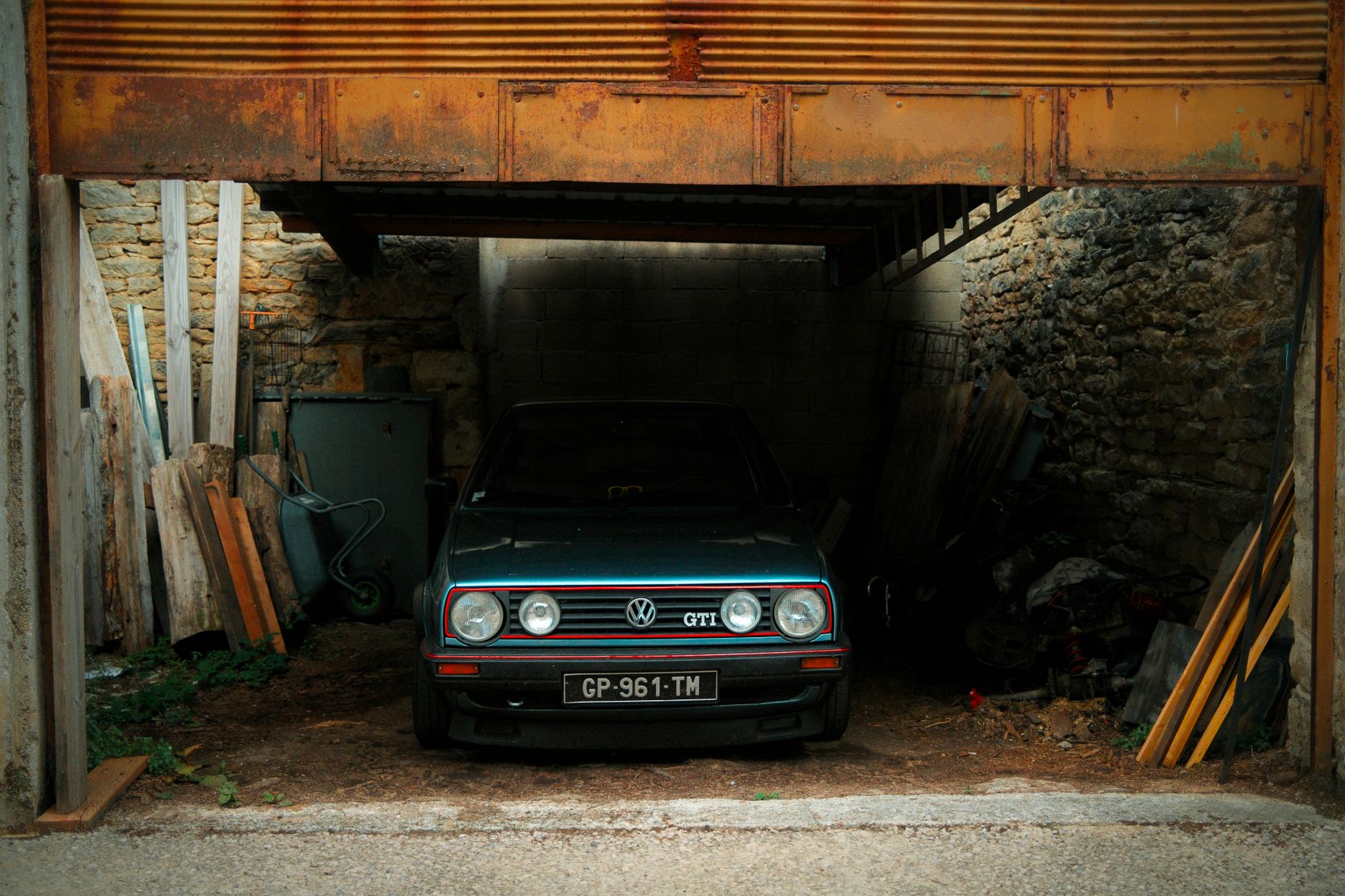
    Volkswagen Polo GTI parked on a UK street, a strong volkswagen polo gti uk buy 2026 option
    Photo by Thomas balabaud on Pexels

    Let me give you the honest version of what this car is, what it isn’t, and whether a volkswagen polo gti uk buy 2026 makes more sense than going straight for a Golf GTI or a rival hot hatch.

    What you’re actually getting for the money

    The current Polo GTI runs a 2.0-litre turbocharged four-cylinder pushing 207bhp through a seven-speed DSG gearbox. That’s front-wheel drive, 0-62mph in around 6.5 seconds, and a kerb weight that’s considerably lighter than a Golf GTI. On paper, the performance gap between the two isn’t as brutal as the price difference suggests. You can find a used Polo GTI from 2022-2023 for somewhere between £18,000 and £24,000 depending on mileage and spec. A comparable Golf GTI from the same period starts around £5,000 more. That’s a significant chunk of cash you could put towards modifications, track days, or, you know, food.

    The interior is genuinely good. VW didn’t phone it in on the cabin the way some manufacturers do with their smaller hot hatches. You get the digital cockpit, proper bucket-style sports seats, and a driving position that feels like a proper performance car rather than a warmed-up supermini. The DSG shifts are quick and the suspension setup is firm without being completely undriveable on UK roads. I’d describe the ride as “aggressively tuned for someone who clearly enjoys complaining about potholes” which, honestly, fits the cruise scene crowd perfectly.

    Insurance costs for young UK drivers: the real reason this matters

    Here’s where the Polo GTI genuinely earns its stripes over the Golf. Car insurance for drivers under 25 in the UK is still punishing. According to the Association of British Insurers, young drivers pay disproportionately higher premiums due to collision risk statistics, and engine size is a core variable insurers hammer on. The Polo GTI sits in a lower insurance group than a Golf GTI despite having comparable performance. That can translate to hundreds of pounds per year in savings, and for a 19 or 21 year old trying to keep a modified car on the road, that matters enormously.

    The same principle applies to modified car insurance in the UK, which is already getting harder to find and more expensive in 2026. Start with a lower-group car, add sensible modifications rather than going full chaos mode, and you’re in a much better position than someone who bought a Golf R and is now wondering why their annual premium costs more than the car’s monthly finance.

    Modification potential: is there actually a scene for this?

    There’s a reasonable aftermarket for the Polo GTI, particularly around the MQB platform which it shares with several other VAG group cars. That platform compatibility is genuinely useful because parts, knowledge, and tuning experience crosses over. A remap on the 2.0-litre unit will get you past 260bhp without breaking a sweat, and companies like Revo and APR both offer stage one and stage two maps that play nicely with the DSG. Uprated intercoolers, sports exhausts, and coilover kits are all well supported.

    The thing I’d be honest about though: there’s a ceiling. The Polo GTI’s front axle runs out of grip before the engine runs out of power at anything beyond a modest stage two setup. You start fighting torque steer on aggressive acceleration, and the stock brakes aren’t going to enjoy repeated hard stops on a track day without upgrades. So if your ambition is 350bhp and a full big brake kit, buy a Golf or a Leon Cupra instead. But if you want a tidy 260-280bhp daily driver that looks clean, moves properly, and doesn’t send your insurance sky-high, the Polo GTI is a very capable canvas.

    Worth mentioning: any modifications you make need declaring to your insurer and need to survive an MOT. If you’re fitting a loud backbox or lowering the car aggressively, check out what UK MOT testers are actually clamping down on in 2026 before you spend the money. Nothing ruins a build faster than a test station refusal.

    Cruise scene credibility: will anyone respect the Polo GTI at a meet?

    Right, this is the question everyone’s actually thinking but nobody says out loud. Is the Polo GTI going to get blanked at a cruise meet while Golf GTIs and Cupra Leons get all the attention? My honest take: not anymore. The cruise scene has matured, at least in most of the UK. People respect a clean, well-built car regardless of badge size. A Polo GTI on a proper coilover setup, sitting right on its arches, with a subtle wrap and a tasteful exhaust note is going to turn more heads than a stock Golf GTI in silver that someone’s done nothing to.

    That said, there’s a version of this car that gets no respect at all, and it’s the one with stick-on fake diffusers, neon lighting underneath, and budget tyres. Which isn’t specific to the Polo GTI, that’s just the way it goes. A clean Polo GTI is a flex. A cheap and cheerful Polo GTI with ten different modifications from five different aesthetic eras is a lesson in what not to do.

    If you’re heading to any of the larger meets across the Midlands or North, you’ll see a handful of these cars every time. They’re becoming a regular fixture, particularly among younger owners who’ve done the maths and realised a well-specced Polo GTI is smarter than stretching to a Golf and leaving nothing left in the budget for the build.

    Polo GTI vs the competition: who else is in the ring?

    The obvious rivals are the Ford Fiesta ST (no longer in production but plentiful used), the Seat Leon Cupra for a step up in size and power, and the Renault Clio RS for something with a bit more character. The Fiesta ST is still brilliant and arguably more fun on a twisty road. But the Polo GTI is more refined, has a stronger aftermarket platform, and holds its value better. The Clio RS is becoming genuinely rare now which pushes prices up. Against those rivals, the Polo GTI’s combination of everyday usability, genuine performance, and lower insurance group is hard to argue with.

    The Golf GTI will always be the prestige choice. More space, more power, more presence. But for a first proper performance car where budget discipline actually matters, the Polo GTI is the move I’d make. It’s not a consolation prize. It’s a deliberate choice from someone who’s done the numbers and understands what they’re buying into. That’s not a bad reputation to have.


  • Track Day Noise Limits in the UK: Why Your Exhaust Might Get You Turned Away at the Gate

    Track Day Noise Limits in the UK: Why Your Exhaust Might Get You Turned Away at the Gate

    You’ve booked the track day, prepped the car, got up at an ungodly hour, driven two hours up the motorway, and joined the queue at the circuit gate. Then some bloke with a clipboard and a sound meter walks up to your car, shakes his head, and tells you you’re too loud. Sent home. Not turned away for dangerous modifications, not for bald tyres, not for a dodgy roll cage. For your exhaust. I’ve watched it happen at least three times in the last year, and every single time, the driver looked genuinely gobsmacked. It shouldn’t come as a surprise in 2026, though. Track day noise limits UK exhaust regulations have tightened across most major circuits, and if you’re running anything louder than a standard system without doing your homework, you’re gambling with a very expensive early morning.

    Marshal measuring track day noise limits on UK exhaust at circuit gate
    Photo by Jonathan Borba on Pexels

    Static vs drive-by: what’s the actual difference?

    There are two main testing methods used at UK track days, and they’re not the same thing. Static noise tests measure sound at a fixed point beside the car, usually with the engine revved to a specific RPM figure. The exact rev point is calculated as 75% of the maximum power RPM for that engine. It’s a blunt instrument, frankly, but it’s quick and cheap to administer at the gate before sessions start.

    Drive-by testing is more sophisticated. The car passes a microphone positioned 7.5 metres from the centre of the track at a set speed, usually at half throttle through a designated measurement zone. This method catches cars that behave themselves at idle and low revs but go absolutely mental mid-corner under load. A lot of modified exhausts pass the static check and then get flagged on drive-by, which is infuriating if you don’t know that’s how the system works.

    The Motor Sports Association (MSA), now operating under Motorsport UK, sets the baseline framework that most UK circuits reference. The standard static limit used across most track days sits at 105 dB. Drive-by limits typically run between 92 dB and 95 dB depending on the circuit’s local noise agreements with the planning authority. Those aren’t suggestions. They’re hard limits, and circuit operators who breach their planning conditions can genuinely lose the right to run events at all.

    Which UK circuits are clamping down the hardest?

    Not all tracks are equal here. Some circuits sit in the middle of nowhere and can run relatively relaxed limits. Others are practically surrounded by residential housing and answer to very strict local authority noise conditions.

    Donington Park runs a 105 dB static limit and has been known to fail cars that are marginal and then check again mid-day if they suspect drift. Silverstone’s track day operations vary by the organiser, but most reputable operators running there apply 105 dB static. Brands Hatch, sat right in the middle of Swanley, is one of the more controlled venues. Their surrounding community agreements are tight, and I’ve heard of multiple cars being sent home there on otherwise routine days.

    Bedford Autodrome is popular precisely because it’s more lenient, which is why you’ll often see the wilder builds gravitating there. Castle Combe in Wiltshire has planning restrictions so tight that it runs one of the stricter noise regimes in the country. Combe organises specific “noisy” days a limited number of times per year where the limits are relaxed, but on standard track days, they are not playing around. Cadwell Park, sat out in rural Lincolnshire, is slightly more forgiving by comparison.

    If you’re running something with a straight-pipe or a decat downpipe, you should be treating every track day booking as a potential fail until proven otherwise. Don’t assume the circuit matches the organiser’s published limit either. Always ring ahead.

    What exhaust modifications are actually getting people failed?

    The biggest culprit by a mile is the decat pipe. Removing the catalytic converter and replacing it with a straight section of pipe removes one of the main components responsible for absorbing exhaust noise alongside killing emissions. A car that sits at 102 dB with the cat in place can jump to 108 or 109 dB with a decat, which is an instant fail at most circuits. And since a decat is already a modification that can cause serious trouble at an MOT inspection for modified cars, you’re stacking problems.

    Aftermarket backboxes are the other regular offender. The cheap end of the market, particularly the kind of loudness-first exhaust that sounds brilliant on a cruise but reads horrible on a meter, consistently pushes cars over the limit. There’s a reason why the more experienced track day crowd tends to favour systems from manufacturers who publish actual dB figures. Milltek, Scorpion, and similar brands often offer “resonated” options specifically designed to keep noise down whilst still delivering a noticeable improvement in flow and sound quality.

    Induction kits aren’t directly tested on most noise meters because the measurement point is at the exhaust, but on some high-revving naturally aspirated engines they contribute enough to the overall noise profile to push a borderline car over the edge during a drive-by test. It’s rare, but I’ve seen it mentioned in circuit rejection logs.

    Turbo flutter and blow-off valves are another grey area. They’re not the primary noise source for measurement purposes, but some circuit marshals will make a note and some organisers have informal rules about excessive induction noise causing disturbance between test sessions. It’s worth knowing where you stand before you arrive.

    How to check your car before you show up

    The sensible move is to buy or borrow a decent sound level meter, set your phone up with a dB app as a rough guide, and get someone to rev the car whilst you measure at the standard test point: 0.5 metres from the exhaust outlet at a 45-degree angle, at 75% of the maximum power RPM. It won’t be a perfectly calibrated reading, but if you’re sitting at 107 dB in a car park, you already know you’ve got a problem before it costs you a track day fee and a long drive home.

    Some track day organisers offer a noise check in advance, particularly for longer full-day events. Ring them. It takes five minutes and can save you a genuinely miserable morning. This is especially relevant if you’re pushing into the kind of build territory covered when we looked at getting modified car insurance sorted, because more modifications generally means more noise risk, not less.

    If your exhaust is the problem and you can’t afford a replacement before the event, some people run a temporary silencer insert. Circuit operators have mixed views on these. Some accept them without question, others treat them as a sign that the car is marginal and keep a closer eye on it. Your mileage will vary.

    The bigger picture: why this matters for the scene

    The circuits aren’t being awkward for fun. Planning permissions for motorsport venues in the UK are genuinely fragile. Brands Hatch nearly lost operational days to noise complaints a few years back, and Castle Combe’s restricted calendar is a direct consequence of local pressure. Every car that gets turned away is a small part of a wider picture where circuits have to demonstrate to local planning authorities that they’re managing noise responsibly, or risk losing permissions entirely.

    I get the frustration when you’ve built a car that sounds incredible and you can’t use it properly. But if the circuit closes because of repeated breaches, nobody wins. The UK track day scene, including the kind of builds and events we talk about on this site, depends on those venues staying open. Getting your noise figure sorted before you turn up is one of the most straightforward ways to protect access to the circuits you love.

    If you’re looking for events where track day noise limits aren’t your primary concern, some of the car cruise meets across Northern England operate on private land with more flexibility, though noise considerations still apply there too depending on location.

    Know your limits before you hit the gate. Literally.

    Frequently Asked Questions

    What is the standard noise limit for UK track days?

    Most UK track day operators apply a static noise limit of 105 dB, measured at 0.5 metres from the exhaust outlet at 75% of maximum power RPM. Some circuits with strict planning conditions run lower limits, so always check with the specific organiser before you attend.

    Will a decat exhaust get me failed at a UK track day noise check?

    Almost certainly yes at most circuits. Removing the catalytic converter commonly adds 4 to 8 dB to exhaust noise output, which can push a car from a borderline pass to a clear fail. Decats also risk failing your MOT, so they create problems on two fronts.

    What is the difference between a static noise test and a drive-by noise test?

    A static test measures sound beside the stationary car at a specific engine RPM before the session starts. A drive-by test records the car passing a microphone at 7.5 metres from the track centreline at a set speed. A car can pass the static test and still fail drive-by, particularly if it gets loud under load at higher revs.

    Which UK circuits have the strictest noise limits?

    Castle Combe and Brands Hatch are widely regarded as two of the stricter venues due to their planning conditions and proximity to residential areas. Bedford Autodrome is generally considered more relaxed, which is why louder builds tend to gravitate there. Always confirm limits directly with the event organiser.

    Can I use a silencer insert to pass a track day noise check?

    Some circuit operators accept temporary silencer inserts, but others are sceptical and may monitor your car more closely during the session. It is better to have your exhaust genuinely within the limit rather than relying on an insert, which can also fall out or shift during hard driving.

  • The Seat Leon Cupra in 2026: The Hot Hatch That UK Enthusiasts Keep Rediscovering

    The Seat Leon Cupra in 2026: The Hot Hatch That UK Enthusiasts Keep Rediscovering

    Every few years, a car quietly becomes the unsung hero of the used market. Not because it got a load of YouTube hype or a Reddit thread that went viral, but because people who actually drive them start talking. Right now, in 2026, that car is the Seat Leon Cupra. The Mk2 and Mk3 versions keep reappearing at meets, on Facebook Marketplace, and in conversations between lads who know their stuff. If you’re looking at the seat leon cupra uk used 2026 market and wondering whether all the fuss is justified, I’d say: yes, but read this first.

    Modified Seat Leon Cupra at a UK car meet, one of the best seat leon cupra uk used 2026 picks
    Photo by GMB VISUALS on Pexels

    Why the Leon Cupra keeps coming back

    The Cupra badge has always sat in a slightly awkward spot. It’s not as well-known to civilians as a Golf GTI, and it doesn’t carry the cult weight of a Renault Clio 182. But for anyone who’s actually driven one, the penny drops fast. The Mk2 Leon Cupra (roughly 2006 to 2012) gave you a 2.0-litre turbocharged four-cylinder producing anywhere from 197bhp in the standard car up to 261bhp in the R variant, all for what is now genuinely silly money. We’re talking £3,500 to £7,000 for a solid example in 2026. That’s hot hatch performance at warm-hatch prices.

    The Mk3 (2012 to 2020, depending on facelift) pushed things further. The 2.0 TSI in 290bhp and 300bhp flavours, a proper limited-slip differential on the better-specced cars, and a chassis tuned by people who clearly enjoyed their job. On a B-road, it’s devastatingly good. On a cruise, it turns enough heads without being obnoxious about it. I’ve seen a Mk3 Cupra 300 sit next to a late Golf R at a meet and hold its own on presence alone, and the Golf cost £4,000 more for a comparable spec.

    Mk2 vs Mk3: which one should you actually buy?

    This is where it gets interesting. The Mk2 is the raw, slightly flawed choice. It’s older, parts are getting harder to find for some trim pieces, and the interior feels its age. But the driving experience is sharp, the tuning potential is enormous (more on that in a moment), and a clean low-mileage example is still out there if you’re patient. The 2.0 TSI engine in the Mk2 Cupra shares its DNA with the EA113 unit found in the Mk5 Golf GTI, which means the tuning community has had nearly two decades to figure it all out.

    The Mk3, on the other hand, feels like a proper modern car. Better safety kit, better infotainment, and that 2.0 TSI EA888 engine which responds brilliantly to a remap. A Stage 1 remap on a Cupra 280 or 290 typically unlocks somewhere around 320 to 340bhp, depending on the mapper and supporting mods. That’s GTI-clubsport territory from a car you’ve bought for under £12,000. I’d point any serious buyer towards the Mk3 Cupra 300 with the DSG gearbox and the LSD if budget allows, it’s the one that genuinely terrifies people in a good way.

    What to check before you buy a used Leon Cupra

    The Cupra is not without its gremlins. Go in blind and you will get stung. Here’s what I’d personally look at on any inspection:

    Timing chain stretch is the big one on EA888 engines. Listen for a rattling on cold start. If it’s there, walk away or negotiate hard for the repair cost because it’s not cheap to sort. The EA113 in the Mk2 uses a cambelt, so check it’s been changed on schedule, Seat recommends every four years or 40,000 miles, whichever comes first.

    Haldex coupling on four-wheel drive variants needs an oil change every 20,000 miles or so. Most owners neglect this completely. A knackered Haldex makes the car behave oddly under acceleration and is expensive to rebuild. Ask for service history and look specifically for this being done.

    DSG service history on dual-clutch cars matters more than people admit. Every 40,000 miles, that mechatronic unit wants fresh fluid. Skip it and you’ll get juddering from low speeds and, eventually, a very expensive bill. Check it, or budget for it.

    Subframe and suspension bushes on high-mileage Mk2 examples can be properly knackered. Get it on a ramp. Worn poly bushes knock badly on our potholed roads and can cause odd steering behaviour at speed. Given the current MOT clampdown on suspension components, this is not a box you want to miss.

    Also worth noting: any Cupra that’s been on the cruise scene for a few years may well have had modifications. Check the insurance status carefully, because modified car insurance in the UK is getting trickier and undisclosed mods can void a policy faster than you’d believe.

    What mods actually work on a Leon Cupra

    This is where the Cupra really earns its stripes. The modification support for these cars is exceptional. The EA888 engine in the Mk3 Cupra is essentially the same block doing duty in the Golf GTI Performance Pack and the Audi S3, so parts compatibility and tuning knowledge is vast.

    A Stage 1 remap, proper fuel and ignition timing adjustments, no hardware changes, is the obvious starting point and probably the best value-per-pound modification you can do. Companies like Revo, APR, and COBB all offer off-the-shelf maps for the Leon Cupra that have been tested properly on UK pump fuel. Expect to spend £400 to £600 for a reputable map. The power gain is real and immediately noticeable.

    Beyond that, an upgraded intercooler (Forge Motorsport make a well-regarded unit), a high-flow intake, and an upgraded diverter valve are the usual Stage 2 supporting mods. If you’re running a DSG, an uprated clutch pack helps if you’re pushing over 350bhp. For suspension, Eibach springs or a set of KW Variant 1 coilovers transform the handling without murdering the ride, important because UK roads are not a billiard table. Lowering it more than 30mm on standard setups will have your arches crying for mercy over speed bumps.

    On the visual side, the Cupra platform takes body styling well. A proper diffuser, side skirts, and a subtle spoiler look period-correct rather than desperate. Wrapping the roof or mirror caps is popular and, done properly by a reputable installer, looks genuinely sharp. Just make sure any wrap work is declared to your insurer, as our guide on car wrapping in the UK makes clear, that’s an area where people regularly slip up.

    How does it hold up at a UK cruise meet?

    Honestly? Better than most people expect. The Cupra suffers from a slight image problem in some circles, it’s not German, which apparently still matters to a certain kind of car snob, but anyone with half a clue recognises what they’re looking at. A clean Mk3 Cupra 300 on good aftermarket wheels, tastefully lowered, with a proper exhaust note, is a serious presence at a meet. It’s not a boy-racer special in the pejorative sense; it’s a genuine driver’s car that happens to be accessible.

    The exhaust note with a sports backbox is properly good, for the record. The 2.0 TSI has a characteristic pops-and-bangs quality on overrun that a lot of owners tune to bring out. Just be aware that anything excessively loud is going to attract attention from police at public road cruise events, so calibrate accordingly.

    According to Honest John’s used car data, the Leon Cupra consistently ranks as one of the most reliable fast cars in its price bracket when properly maintained, a point that matters when you’re spending £8,000 on something you actually want to drive every day, not just push to meets on a trailer.

    The bottom line on the seat leon cupra uk used 2026 market: prices are still sensible, the tuning support is brilliant, the driving experience punches well above the asking price, and the community around these cars is solid. It is not the flashiest thing you’ll park up next to at a meet. But it might just be the most complete fast car for the money available to UK buyers right now. I’d take a clean Mk3 Cupra 300 over a tatty Golf R any day of the week, and I suspect a lot of you already know that.

    Frequently Asked Questions

    What is the best Seat Leon Cupra to buy on the UK used market in 2026?

    The Mk3 Cupra 300 with the DSG gearbox and factory limited-slip differential is the pick of the range for most buyers. It offers the best balance of modern kit, tuning potential, and driving dynamics. Budget around £10,000 to £14,000 for a solid example with full service history.

    How much power can you get from a remapped Seat Leon Cupra?

    A Stage 1 remap on a Mk3 Leon Cupra 280 or 290 typically produces around 320 to 340bhp on UK 95-octane fuel. Moving to Stage 2 with supporting hardware like an upgraded intercooler and high-flow intake can push that closer to 360 to 380bhp, though you’ll want DSG clutch upgrades at those figures.

    What are the most common problems with the Seat Leon Cupra?

    On the Mk3 with the EA888 engine, listen for timing chain rattle on cold starts, which indicates stretch. Neglected DSG fluid and Haldex coupling oil are also common issues on used examples. On the Mk2, the cambelt service interval is critical, check it has been changed within the last four years or 40,000 miles.

  • Cat N and Cat S Write-Offs: What Every UK Project Car Buyer Needs to Know Before Handing Over Cash

    Cat N and Cat S Write-Offs: What Every UK Project Car Buyer Needs to Know Before Handing Over Cash

    Walk through any decent UK cruise meet right now and I guarantee you’ll spot at least a handful of motors with a Cat N or Cat S marker buried somewhere in their history. Some of them look immaculate. Some of them have been built up properly, with real money and real skill behind them. And some of them are absolute traps dressed in fresh vinyl and a set of Rotiform wheels. The problem is, from the outside, you genuinely cannot tell which is which. That’s why I think this conversation is overdue.

    Mechanic inspecting a Cat N Cat S write-off project car on a workshop ramp
    Photo by Tim Samuel on Pexels

    The budget build scene in the UK has a write-off problem. Not because every Cat N or Cat S car is dangerous or dishonest, but because a lot of buyers don’t fully understand what those markers actually mean before they sign anything. So let’s get into it properly.

    What Cat N and Cat S actually mean

    Since October 2017, the old Category C and Category D classifications were replaced with Category S (structurally damaged) and Category N (non-structurally damaged). That change matters more than most people realise.

    A Cat S car has sustained damage to its structural frame, chassis, or safety cell. Think crumple zones, sill sections, A-pillars. The car has been repaired and returned to the road, but its structural integrity has been compromised at some point. A proper repair by a competent bodyshop using manufacturer-approved methods can be genuinely safe. A bodged repair absolutely cannot. The catch is that from a quick visual inspection, you often cannot tell the difference.

    A Cat N car is non-structural. The damage was to cosmetic panels, electrics, glass, or mechanical components that don’t form part of the safety structure. Theoretically, Cat N is less alarming. But “non-structural” still covers a wide range of sins, including airbag deployment, major electrical damage, or front-end impact that looked cosmetically fixable but hid bent subframes underneath.

    The key thing: neither category requires a DVLA re-registration or a specific government roadworthiness check before the car goes back on sale. The seller is required to declare the category, but beyond that, the onus is almost entirely on you as the buyer to assess what you’re actually getting.

    Why so many modified cars on Auto Trader have a write-off history

    This is the part nobody in the scene likes to admit. Write-off cars are cheap. That’s the whole point. When an insurer decides repair costs exceed the car’s market value, they pay out and the car gets categorised. A tidy insurance payout, a salvage buyer, a repair, and suddenly that car is back on Auto Trader for a price that looks like a serious bargain compared to a clean example.

    For the budget build crowd, that gap between a Cat N car and a clean equivalent can fund a full Stage 2 remap, a set of coilovers, and still leave money for a proper set of tyres. I’ve seen lads pick up a Cat N Honda Civic Type R for £7,500 when clean examples were sitting closer to £11,000. The maths is obviously tempting. The risk is whether you actually understand what you’re buying.

    The popularity of quick project car builds on social media has accelerated this. People want to go from boring daily driver to cruise-spec as cheaply as possible, and a write-off with a fresh engine swap or a remapped ECU looks brilliant in a YouTube video. What the video doesn’t show you is the insurance nightmare waiting six months down the line, or what happens when you try to sell it on.

    HPI check paperwork for Cat N Cat S write-off project car purchase
    Photo by Tim Samuel on Pexels

    The insurance situation is genuinely ugly

    Here’s where a lot of builds fall apart. Insuring a Cat S or Cat N car is possible, but it’s not straightforward, and once you add modifications into the mix it gets considerably messier. Modified car insurance in the UK is already getting harder to find for standard cars, so a modified write-off is a very specific headache that most mainstream insurers simply won’t touch at a sensible premium.

    Specialist brokers like Adrian Flux or Footman James will quote you, but expect to pay significantly more than you would for a clean example. Some insurers will only offer third-party cover. Others will insist on an independent engineer’s report confirming the repair standard before they’ll offer comprehensive cover at all. And if you ever need to claim, expect the insurer to use the write-off history to argue the car’s market value was lower than you thought, which directly affects your payout.

    The Association of British Insurers has guidance on this, and it’s worth reading before you commit. You can find relevant information via the ABI’s official site. Don’t assume your current insurer will just roll over and cover your new purchase without proper declaration either. Failing to disclose a write-off category is a material omission and can void your policy entirely.

    What it does to resale value

    Bluntly: a Cat S or Cat N marker never disappears from the vehicle’s history. It’s permanently recorded on DVLA records and visible on any HPI check or history report. That means when you come to sell, you’re selling into a market where a large chunk of buyers will walk away purely on principle, and the ones who stay will use it to hammer your price down hard.

    If you’ve sunk serious money into a build on a write-off base car, you need to accept that you’re unlikely to recoup it. The best modified builds I’ve seen on Cat N bases are ones where the owner bought it knowing they’d run it hard and long-term, not flip it in two years. If your exit strategy involves getting your money back, a write-off base is probably the wrong starting point.

    How to protect yourself when buying

    The obvious first step is a proper HPI or Experian Auto Check on any car before you hand over a penny. These checks will flag write-off categories, outstanding finance, stolen status, and mileage discrepancies. At around £20, there’s no excuse for skipping it.

    For Cat S cars specifically, I’d always recommend an independent inspection from a qualified engineer or bodyshop before purchase. Not a mate who knows about cars. An actual professional who can put the car on a ramp and look at structural repairs with fresh eyes. That inspection might cost you £100 to £150, but it’s cheap compared to what you’ll spend if you take on a badly repaired shell and then fail an MOT, or worse.

    Check the MOT history on the official DVSA MOT checker. A Cat S car that has been through multiple MOTs since repair is a reasonable sign that it’s been passing safety checks consistently. A car that was repaired and immediately modified and rarely tested is a different story. Also look at when the write-off occurred relative to the repair, and who carried out the work. A professional bodyshop invoice is worth something. A vague mention of “repaired by previous owner” is worth very little.

    On the modification side, it’s worth understanding how the build history affects MOT compliance. MOT testers in 2026 are clamping down harder on modified cars, and a Car S base with questionable bodywork repairs plus aftermarket suspension and non-standard lighting is going to attract serious scrutiny. Every modification you add to a write-off base is another layer of complexity during a test.

    Is a Cat N or Cat S car ever worth it?

    Honestly, yes. But only if you go in with your eyes open. I’ve seen some properly sorted Cat N builds that would shame clean examples twice the price. The lad has bought smart, had the car inspected properly, sorted the insurance upfront, and built something they’re actually going to keep and use. That’s a legitimate play.

    What I’ve also seen plenty of is people rushing into a cheap Cat S car because the spec sheet looked good and the price looked even better, only to discover the repair quality was marginal, the insurance quote was mental, and the MOT was a lottery. That’s not a project car, that’s an expensive lesson.

    If you’re in the market for something to actually push, a good reference point is understanding the full cost of the scene you’re building for. Whether that’s cruise meets, track days, or just wanting a properly built road car, the base matters as much as the modifications. You can find gear reviews and scene guidance over at Mitzybitz.com too, if you’re cross-shopping between different builds and need a broader perspective on running costs. And if you’re looking at remapping that project car once you’ve got it sorted, the honest truth about remapping and MOT emissions in 2026 is worth reading before you book anything.

    The write-off market isn’t going away. If anything, rising new car prices and the cost of living mean more budget builds are going to be based on write-off cars over the next few years. Know what you’re looking at. Do your checks. And don’t let a good spec sheet talk you out of asking the hard questions.

  • Is the Renault Clio 182 the Greatest Hot Hatch Bargain Left in the UK in 2026?

    Is the Renault Clio 182 the Greatest Hot Hatch Bargain Left in the UK in 2026?

    There are hot hatches, and then there is the Renault Clio 182. A car so good, so raw, so utterly French in the best possible way, that two decades on from its launch it is still making grown men go misty-eyed in Tesco car parks. I have sat in a few of them over the years, and every time I climb back out I feel slightly betrayed by whatever modern, numbed-out hatchback I drove there in. If you are seriously considering picking one up, this Renault Clio 182 buyer’s guide UK is everything you need before you hand over your cash.

    Renault Clio 182 Cup in capsicum red at a UK car meet, subject of this Renault Clio 182 buyer's guide UK
    Photo by Ferencz Istvan on Pexels

    Values have been creeping up quietly for the past three years. Good Cup-spec examples with a full service history were fetching around £4,000 to £5,000 back in 2022. By 2026, a clean, low-mileage Trophy Blue or Capsicum Red 182 Cup will comfortably clear £8,000, and a genuine Trophy variant in decent nick is tickling £12,000 to £14,000. That is not a bubble, that is a market recognising a genuine driver’s car before all the tidy ones disappear into private collections. If you are waiting for prices to dip back down, I would not bother.

    Why the Clio 182 still matters in 2026

    The 182 was the final evolution of the Phase 2 Clio Sport, built between 2004 and 2005, and it produced 182bhp from a 2.0-litre naturally aspirated four-cylinder. No turbo, no torque steer, no electronic nannying beyond the bare basics. It weighed just over 1,000kg in Cup trim, which means it felt genuinely, almost hilariously quick relative to its actual power output. The steering had proper hydraulic feel. The chassis, developed partly from Renault’s Formula 1 programme at the time, could read a road in a way that modern cars with their thick-insulated electric setups simply do not.

    At a cruise night, it draws a different crowd to your usual modified hatchbacks. JDM fans respect it. Euro scene lads lose their minds over it. Even the stance lot will admit the Cup’s Speedline Turini wheels are one of the greatest alloy designs ever bolted to a production car. It holds its own at any meet, and it does it without a single modification, which is more than can be said for most cars turning up with £3,000 worth of parts grafted on.

    What to look for when buying a Clio 182

    Right, here is where the Renault Clio 182 buyer’s guide UK gets properly useful. These cars are over 20 years old now. The horror stories are real, but so are the clean examples, you just need to know where the rot likes to hide.

    Rust

    Sill corrosion is the big one. Get on your knees and check under the plastic sill covers because the metal behind them rots without anyone noticing for years. The rear arches can bubble too, especially on cars that spent time in northern counties or by the coast. Wheel arch liners trap moisture, so pull them back if you can. Any surface rust on the subframe is a red flag that needs investigating further before you commit.

    The engine and gearbox

    The F4R engine is largely bulletproof when maintained properly, but cam belt changes are non-negotiable. They are due every four years or 40,000 miles, and a snapped belt on this engine will destroy it completely. Ask for receipts. If the seller cannot produce them and cannot tell you when it was last done, walk away or price in a belt change immediately. The gearbox is generally solid but can notch between second and third on high-mileage cars, a short test drive will tell you everything. Synchromesh wear there is not necessarily a dealbreaker, but it is a negotiating chip.

    Suspension and geometry

    Cup models came with a stiffer Sport chassis and no front anti-roll bar, which sounds mad but is actually what makes the handling so special. Check for worn top mounts and knackered dampers, the Cup suspension is firm enough that worn components are obvious on a test drive over anything resembling a bumpy British road. Given what suspension modifications can do to your MOT, it is worth checking the geometry has never been messed with by a previous owner who fancied themselves as a setup engineer.

    Service history and mods

    A full stamped Renault main dealer history up to around 60,000 miles, followed by specialist stamps from somewhere like Renault Sport specialists Activ8 or Regal Autosport, is the gold standard. Be cautious of cars with gaps. Modifications are common, many 182s have been remapped, had exhausts fitted, or had the airbox removed. A remap in itself is not the end of the world, but check it was done by a reputable tuner and that the emissions implications have been considered before your next MOT comes around. Also check whether any modifications have been declared to the insurer, because modified car insurance in the UK is complicated enough without inheriting someone else’s undisclosed alterations.

    Cup or non-Cup: which should you buy?

    This is the debate that has been running on Cliosport.net for twenty years and will probably run for another twenty. The Cup pack removed air conditioning, the spare wheel, the standard front anti-roll bar, and added those Speedline Turinis along with a slightly stiffer setup. It is lighter, sharper, and considerably more desirable to collectors. A non-Cup 182 with the standard suspension and an air con compressor is a slightly softer, slightly more liveable car, and it is appreciating more slowly, which means you can still pick up a decent one for a bit less money.

    My honest take? If you are buying one to enjoy and use, either works brilliantly. If you are buying partly as an investment, hold out for a Cup. The Trophy, 500 examples imported to the UK, Cup pack plus Sachs Race Engineering dampers, Recaro seats, and a Torsen limited-slip differential, is the Holy Grail, and prices for clean ones are only going one way. According to BBC Business, classic and performance cars have broadly outperformed several traditional savings vehicles over the past decade, and the 182 Trophy is a textbook example of a limited-run driver’s car that collectors are finally taking seriously.

    What does ownership actually cost?

    Parts availability is decent for now but thinning out. Generic consumables, brake pads, discs, tyres, filters, are all fine. Renault Sport-specific items like the Cup dampers, Speedline wheels in good condition, or original interior trim pieces are getting harder and pricier to source. Tyres are a genuine consideration: the 215/45/R17 fitment on Cup models works well with Michelin Pilot Sport 5s or Continental SportContact 7s, both of which are available in the UK without drama. Running costs are reasonable, economy hovers around 28 to 32 MPG on a run, insurance for a driver over 25 with a clean licence is typically £600 to £900 per year depending on postcode and modifications, and road tax sits at a fixed rate for pre-2001 registered vehicles (or the first-year rate for post-2001 depending on exact registration date).

    Does it still turn heads at a cruise night?

    Absolutely it does. I have seen 182s pull into meets where there are Supra builds, air-ride slammed Golfs, and tuned FK8 Type Rs, and they still get people walking over. There is something about the stripped-back, analogue confidence of the car that reads differently to a sea of modified modern metal. It is not trying to be anything other than what it is. At meets where originality is respected, and that sentiment is definitely growing across the UK scene, a clean, original Cup in Trophy Blue is practically exhibit A.

    If you are hunting for something genuinely rewarding to drive on a Sunday morning, something that will appreciate quietly in your garage, and something that causes a stir at a car meet without needing a single modification, the Renault Clio 182 is possibly the best-value driver’s car left in the UK right now. Prices are rising. Clean examples are disappearing. This Renault Clio 182 buyer’s guide UK exists precisely because the window to get into one at a sensible price is narrowing fast. Get in while you still can.

    Frequently Asked Questions

    How much does a Renault Clio 182 cost in the UK in 2026?

    Prices have risen sharply. Standard 182s in decent condition start around £4,000 to £5,500, while clean Cup-spec examples are regularly fetching £7,000 to £9,000. Trophy variants in good order are now achieving £12,000 to £14,000, and that number keeps climbing.

    What are the most common faults on a Renault Clio 182?

    Sill and rear arch rust is the biggest concern, especially on cars with high mileage or coastal history. Cam belt neglect can destroy the F4R engine, so always get proof of a recent change. Gearbox synchromesh can wear on second and third gear, and top mounts on Cup suspension models wear out faster than people expect.

    What is the difference between a Clio 182 Cup and a standard 182?

    The Cup pack removed air conditioning, the spare wheel, and the front anti-roll bar, and added Speedline Turini alloys and a stiffer chassis setup. It is lighter and sharper through corners. The standard 182 is a slightly more comfortable daily but is less desirable to collectors and enthusiasts.

  • Autocross and Autotest in the UK: The Cheapest Way to Actually Use Your Modified Car on Track

    Autocross and Autotest in the UK: The Cheapest Way to Actually Use Your Modified Car on Track

    Right, so you’ve spent months building your car. Maybe it’s lowered, mapped, and wrapped within an inch of its life. Maybe you’ve just got a solid standard hot hatch that you fancy actually pushing for once. Either way, you’re sitting there thinking: how do I actually drive this thing properly without either bankrupting myself or ending up wrapped round an Armco barrier at 90mph? The answer, and I genuinely can’t believe more people in the cruise scene don’t know this, is autocross autotest UK motor club events. Proper competitive motorsport. For about the cost of a tank of petrol.

    Hot hatch competing at an autocross autotest UK motor club event on grass
    Photo by Ejov Igor on Pexels

    I came across my first autotest about three years ago through a mate who’d been quietly racking up trophies at his local motor club whilst the rest of us were just doing car park meets. I turned up expecting some watered-down nonsense and came away absolutely buzzing. Here’s what you need to know.

    What actually is autocross and autotest?

    These are two separate disciplines, though they’re often run by the same clubs and sometimes on the same day. Both are about navigating a course defined by cones (and occasionally posts or lines) in the shortest possible time. No racing other cars side by side. No 150mph straights. Just you, your car, and a course that’ll expose every weakness in your driving within about 30 seconds flat.

    Autotest is the tamer of the two on paper, but don’t let that fool you. It’s typically run on tarmac, usually a car park or airfield, and courses often include reversing sections. Yes, reversing. At speed. If you think that sounds easy, watch someone spin their front-wheel drive hatch trying to flick it round a cone in reverse and reconsider. Entry costs are minimal, usually anywhere from £15 to £40 depending on the club, and some rounds cost even less for club members.

    Autocross steps things up slightly. It’s run on grass or unsealed surfaces, which is simultaneously brilliant and terrifying. Courses are longer, often 45 to 90 seconds per run, and the car control required to stay quick on a slippery grass surface is an entirely different skill set to tarmac driving. It’s also, genuinely, one of the most fun things you can do with a standard-ish car on a Saturday morning.

    How do UK motor clubs organise these events?

    Almost every region of the UK has at least one motor club running these formats. The Motorsport UK website has a full club directory and lists permitted events by discipline, so finding your nearest club takes about five minutes. Most clubs are affiliated with Motorsport UK (formerly the MSA), which means events are properly permitted and run under a recognised set of regulations.

    A typical autocross or autotest day runs something like this: you turn up, scrutineering checks your car meets basic safety requirements (seatbelts, no loose items in the cabin, tyres aren’t completely bald), you walk the course, and then you get multiple timed runs. Aggregate your times, compare to everyone else in your class, collect a trophy or at least some healthy humiliation. Repeat next month.

    The classes are the important bit for modified car owners. Most events split competitors by engine size, drive type (front, rear, four-wheel drive), and sometimes whether the car is standard or modified. This matters because you’re not turning up in your mapped and lowered Civic Type R and getting laughed at for being “too serious.” You’ll just run in the appropriate class. Equally, you don’t need a heavily modified car to compete. A standard Polo can absolutely destroy a track day car over a tight autotest course if the driver is good.

    Why this is cheaper than any circuit day you’ll find

    Let me be blunt about the economics here, because this is genuinely the most compelling argument. A track day at a circuit like Brands Hatch or Silverstone will set you back £150 to £350 before you’ve even looked at fuel, tyres, or the hotel you might need if you’re travelling. Then there’s the insurance question, which as we’ve covered in our track day insurance breakdown, can add a serious chunk on top of that. The total bill for a proper circuit day easily clears £500 once everything’s factored in.

    An autocross or autotest entry? Between £15 and £50. Annual club membership, which unlocks all the club’s events and often includes your Motorsport UK competition licence fee, typically runs to £30 to £80 a year. Your car doesn’t need to be on slicks. Your standard road tyres are absolutely fine to start. There’s no scrutineering requirement for a roll cage or fire extinguisher at most entry-level events. You’re not going fast enough to need it.

    This is why I’d argue it’s the smartest entry point for anyone who’s just started modifying and wants to actually develop their driving. The low stakes mean you learn without the terrifying financial consequences of a circuit off. Binning it into a cone at 30mph on a car park is embarrassing. Binning it at 80mph into a barrier is a very different category of problem, both for your car and your modified car insurance.

    What car do you actually need?

    Honestly? Almost anything with four wheels and a current MOT. I’ve seen people autocrossing Corsa Bs, Mk2 Polos, a very determined bloke in a Renault Clio 172 that was making some truly alarming noises but kept finishing runs. The beauty of these events is that car prep is low-key compared to circuit racing.

    For autotest on tarmac, a standard or mildly modified front-wheel drive hatch is genuinely the ideal starting point. Light, nimble, and predictable enough to throw about aggressively without it going properly wrong. For autocross on grass, something with a bit more suspension travel can help, though people run slammed cars at these events too. If you’ve already gone down the suspension lowering route, just be aware that extreme low cars can struggle on the bumpier grass venues.

    Remove all loose items from the cabin before scrutineering. That means floor mats secured properly, no empty energy drink cans rolling around under the pedals, and your spare wheel tied down if you have one. That’s genuinely most of what they’re checking.

    How to find your first event

    Start with the Motorsport UK club finder at motorsportuk.org. Search for clubs in your region, head to their website or Facebook group (most UK motor clubs live and breathe through Facebook), and look for their upcoming calendar. Many clubs run a “novice” or “first event” briefing at the start of each day specifically for people who’ve never done it before. Go to that. Ask questions. The car club crowd at grassroots events is overwhelmingly welcoming to newcomers who show genuine interest.

    You’ll need a Motorsport UK competition licence for most events, but at grassroots level, a RS Clubman licence covers you and costs around £21. Apply through Motorsport UK’s website. Some clubs run “non-licence” fun events first, which let you have a go without even that small commitment, so it’s worth checking what your local club offers.

    The cruise scene and the motor club scene don’t overlap as much as they should. One is about looking the part on a warm Friday evening, the other is about whether you can actually drive the car you’ve spent all that money building. The best people I know in car culture do both, and none of them regret discovering autocross and autotest UK motor club events when they finally did.

    Go find your local club. Enter a round. Get embarrassed by someone in a diesel Saxo on the first event, and then start getting progressively less embarrassed as the season goes on. That’s the way it works. And it costs less than a full tank of premium unleaded.

    Frequently Asked Questions

    Do I need a competition licence to enter autocross or autotest in the UK?

    For most officially permitted events you’ll need a Motorsport UK RS Clubman licence, which costs around £21 and is applied for online through the Motorsport UK website. Some clubs run introductory or non-licence fun events first, so check with your local motor club before committing even to that small cost.

    Can I enter autotest in a standard road car?

    Yes, absolutely. Most autotest and autocross events have classes specifically for standard or near-standard road cars, and a bog-standard hatchback can be genuinely competitive. You’ll just need a valid MOT, no loose items in the cabin, and tyres that aren’t dangerously worn.

    How much does it cost to enter a UK motor club autocross or autotest event?

    Entry fees typically range from £15 to £50 per event, with annual club membership usually costing between £30 and £80. This makes it significantly cheaper than a circuit track day, which can easily exceed £300 before factoring in fuel, tyres, and insurance.

  • Modified Car Insurance in the UK Is Getting Harder to Find, Here’s Why and What to Do About It

    Modified Car Insurance in the UK Is Getting Harder to Find, Here’s Why and What to Do About It

    Right, let’s not sugarcoat this. Modified car insurance in the UK is becoming a proper headache, and it’s only getting worse in 2026. Specialist insurers who used to wave through stage-one remaps and aftermarket exhausts without blinking are now treating your build like it’s a financial hand grenade. I’ve spoken to lads at meets across the country who’ve had policies declined, voided mid-term, or priced so high they’d rather park the car in the garage and cry. So what’s actually going on?

    Modified car engine bay representing the kind of build that makes modified car insurance UK a complex challenge
    Photo by astesmedia on Pexels

    The short version: claims data caught up with the enthusiasm. Between rising repair costs, increased theft of modified vehicles, and a wave of young drivers binning modified hot hatches on roundabouts, underwriters have started reading the room. The result is tighter criteria across the board, more outright refusals for certain modification categories, and premiums that’ll make your eyes water. But there’s still a path through this mess if you know what you’re doing.

    Why modified car insurers are pulling back in 2026

    The UK insurance market has been under serious pressure. According to the Association of British Insurers, motor claims costs hit record levels in 2024 and haven’t eased since. Labour costs at bodyshops, the price of specialist parts, and longer repair times have all hammered insurer margins. Modified cars cost more to fix. Full stop. A standard bumper on a hot hatch is one price; the same bumper with a custom aero lip, repainted in a bespoke wrap colour, and fitted with carbon fibre vents is a completely different conversation.

    Theft is the other killer. Keyless entry exploits, relay attacks, and organised gangs specifically targeting modified cars have pushed theft claims through the roof. A well-known JDM build or a Stage 2 Volkswagen Golf with £4,000 in audio and £3,000 in wheels is a target. Insurers know this, and they’re pricing accordingly. Some are walking away from certain platforms entirely.

    Which modifications are getting refused cover in 2026

    This is where it gets real. I’d say there are roughly four categories of modification that specialist insurers are increasingly refusing to touch, declining to properly rate, or simply loading so heavily that the premium becomes academic.

    Engine remaps and ECU tuning used to be relatively straightforward to declare. Now, anything beyond a manufacturer-approved or dealer map is being scrutinised hard. Stage 2 and above on certain platforms, particularly turbocharged four-cylinders, are triggering outright refusals from some underwriters. If you’ve read our honest breakdown of remapping your car in the UK, you’ll know the insurance angle was already tricky. It’s got worse.

    Suspension modifications are another flashpoint. Coilovers set below a certain ride height, air ride systems that don’t have documented proof of a legal ride height when driven on public roads, and aggressive camber setups are all raising red flags. Insurers aren’t just worried about handling, they’re worried about liability if the car is involved in a collision and a solicitor argues the suspension setup was a contributing factor.

    Wide-arch and body kit conversions are getting hit too, especially anything that increases the vehicle’s width or track without proper documentation. Aftermarket roll cages, stripped interiors for track use, and removal of safety equipment like rear seatbelts are in a similar boat. Some insurers will only touch these at all if you’ve got a motorsport-specific policy through a body like Motorsport UK.

    Turbocharged conversions and engine swaps are essentially uninsurable through most standard modified car insurers now. If you’ve dropped a different engine into your build, you’re looking at a very small pool of specialist underwriters, and the premiums reflect that scarcity.

    Modified hot hatches at a UK car meet, the kind of builds that require properly declared modified car insurance UK
    Photo by Artem Krapivin on Pexels

    How to actually get modified car insurance without being fleeced

    Here’s the thing that most people get wrong. They either declare nothing and hope for the best, which is fraud and will leave you uninsured when you need it most, or they declare everything to a standard insurer who immediately either refuses or quotes £4,000 a year. Neither of those is the move.

    The right approach is a proper specialist broker who genuinely understands the modified car scene. Brokers like Adrian Flux, Footman James, and Performance Direct exist specifically for this market. They have access to underwriters who actually know what a Stage 1 remap does to power output and risk profile, and can price it sensibly. Ring them. Speak to a human. Don’t just use a comparison site and wonder why every quote is mental.

    Document everything. Build a modification log with photos, receipts, and where relevant, dyno sheets showing power output. If you’ve used quality, reputable fabricators, the kind of outfits like Forged Chassis who specialise in proper engineered builds, make sure you can prove it. Insurers respond better to documented, professional work than to a list of eBay receipts.

    Agreed value policies are worth looking at for higher-spec builds. Rather than having an argument about market value after a total loss, you agree the car’s value upfront, including the modifications. Yes, the premium is higher. But getting paid out at standard book value on a car you’ve spent £15,000 modifying is a nightmare you don’t want.

    And declared value policies absolutely require that your MOT situation is in order. If you’ve been modifying heavily and skipped the implications, things like suspension geometry, emissions changes from a remap, or non-standard lighting, read up on what UK MOT testers are clamping down on in 2026. A failed MOT makes your insurance invalid. That’s not a small problem.

    The mileage and storage angle people overlook

    One genuinely useful lever is how and where you use the car. Agreed mileage policies, where you declare a realistic annual mileage and stick to it, can bring premiums down meaningfully. If your modified car is a weekend cruiser and a show car rather than a daily driver, say so and prove it. Insurers want to know the car isn’t doing 20,000 miles a year in commuter traffic where accident frequency goes up.

    Secure storage matters too. A modified car kept in a locked garage with a Thatcham-approved immobiliser, a tracker fitted, and a steering lock is a different risk proposition to the same car on a road outside a flat. These details shift the premium. I’ve seen quotes drop by 20 to 25 per cent just from properly evidencing security measures.

    What’s coming next for modified car insurance

    Telematics are entering this space whether the cruise scene likes it or not. Some specialist insurers are starting to offer black box or dashcam-linked policies for modified cars, using driving data to offset the risk profile of the vehicle’s modifications. If you drive sensibly most of the time, the data backs you up. If your idea of a Sunday morning is blasting every A-road in sight, maybe don’t volunteer for a telematics policy.

    The community side matters here too. Car meet culture, the growth of well-organised events on private land, detailed in our piece on how UK cruise meets are using private land legally, actually helps normalise the modified car community in the eyes of the wider public and eventually insurers. The more this scene is documented as organised and responsible, the better the long-term picture.

    Getting properly insured is not optional, and it’s not something to bodge. Sort it properly, use a specialist, and declare everything. Your build is worth protecting, do it right.

    Frequently Asked Questions

    Do I have to declare every modification to my car insurer?

    Yes, every single one. Failing to declare modifications is classed as material non-disclosure, which can void your policy entirely and leave you uninsured after a claim. Even cosmetic changes like alloy wheels or a body kit must be declared.

    Which specialist modified car insurers operate in the UK?

    Adrian Flux, Footman James, Performance Direct, and Reis are among the well-known UK specialists with access to underwriters experienced in modified vehicles. Always speak to a broker directly rather than relying solely on comparison sites, as many non-standard builds won’t show competitive quotes through aggregators.

    Will a stage 2 remap invalidate my car insurance?

    Not automatically, but you must declare it. If you don’t declare a remap and make a claim, the insurer can refuse to pay out. Some underwriters will refuse to cover Stage 2 and above, while others will load the premium. A specialist broker is your best route to finding one who will insure it properly.

    How much more expensive is modified car insurance compared to standard cover?

    It varies enormously depending on the modifications, the car, your driving history, and your age. Light modifications like alloys and a stage one map might add 20 to 40 per cent to a standard premium, while significant engine work or a full track-spec build can push premiums two to three times higher than a standard equivalent.

    Can I get agreed value insurance on a modified car in the UK?

    Yes, several specialist insurers offer agreed value policies for modified cars where you document and agree the car’s true value, including modifications, upfront. This protects you from being paid out at standard book value after a total loss. Specialist brokers like Footman James and Adrian Flux offer these policies.

  • MOT Fails That Will Absolutely Ruin Your Modified Car’s Life in 2026: What UK Testers Are Clamping Down On

    MOT Fails That Will Absolutely Ruin Your Modified Car’s Life in 2026: What UK Testers Are Clamping Down On

    Let me be straight with you. Rocking up to your MOT in a car that’s been dropped, resprayed, remapped and kitted out with aftermarket everything is basically asking the tester to ruin your week. I’ve seen lads spend thousands building something genuinely sick, only to watch it get failed on a £40 bulb fitment issue they could’ve spotted in five minutes on the drive. Modified car MOT fails UK 2026 are not a myth. They are very much happening, and testers are getting sharper about what they’re looking for.

    This isn’t a lecture. It’s a heads-up. Here’s what’s actually getting cars failed right now, and what you need to sort before you book that test.

    Modified hot hatch on an MOT ramp being inspected for modified car MOT fails UK 2026
    Photo by Bálint Varga on Pexels

    Suspension drops: the number one killer of MOT certificates

    Lowering your car is basically a rite of passage in UK car culture. I get it. A slammed hot hatch just looks better. But the MOT tester doesn’t care about aesthetics. They care about geometry, tyre clearance, and whether your car’s suspension can still do what suspension is supposed to do.

    The main failure points are bump steer caused by severely altered geometry, tyres rubbing on arches or inner wings (which counts as a dangerous structural issue), and coilover setups that have been wound so low the dampers have virtually no travel left. If your car scrapes over a speed bump at 3 mph, it’s not going to sail through a test centre ramp without the tester raising an eyebrow and a clipboard.

    As a rule, if you’ve dropped the car more than about 40mm from standard ride height, you want to double-check your tracking and make sure there’s no contact between tyre and arch under full lock. We’ve covered the specifics in detail in our suspension lowering UK guide, but the short version is: go too far without proper geometry correction and you’re binning your MOT certificate before you even get to the emissions test.

    Aftermarket lighting that the MOT tester absolutely hates

    Smoked headlight overlays. Tinted rear clusters. LED conversions that aren’t type-approved. Angel eyes. Demon eyes. Underbody neon strips. All of it is on the radar in 2026, and testers have a clear checklist.

    Headlights must illuminate in the correct colour (white or yellow at the front, red at the rear), aim correctly, and be of a type approved for road use. Aftermarket LED conversion kits that weren’t designed for your specific headlight housing cause scatter patterns that fail the beam alignment test almost every time. The MOT standard checks that the light output is within a defined tolerance and aimed at the right point on the wall. A cheap conversion kit that fires light in seventeen directions at once isn’t passing that.

    Interior lighting is a bit of a grey area during the MOT itself, but if you’ve wired in strobing LEDs that affect visibility of dash warning lights, that’s a problem. Keep it clean. Type-approved bulbs, proper fitment, and lenses that haven’t been tinted to the point of reducing output below the required lux level. The GOV.UK MOT guidance spells out lighting requirements clearly enough that there’s really no excuse for turning up in the dark.

    Exhausts, noise, and the emissions check that catches everyone off guard

    A loud exhaust is a staple of the UK cruise scene. But loud and legal are two different things, and the MOT emissions test is where a lot of modified cars come unstuck in ways their owners genuinely didn’t see coming.

    Straight-piped cars, cats that have been gutted or removed, and aftermarket exhausts fitted without a functioning catalytic converter will fail on emissions. Full stop. The tester sticks a probe in your tailpipe and measures hydrocarbons and carbon monoxide. If your cat is missing or dead, those numbers shoot up and you’re done. This is especially relevant if you’ve had your car remapped, because aggressive fuel maps on a car with a compromised catalyst will absolutely nail you on CO output. Have a read of our piece on remapping and MOT emissions in the UK before you commit to anything drastic.

    On the noise side, the MOT test itself doesn’t include a formal decibel check, but a tester can fail a vehicle on the grounds of an exhaust that has a leak or isn’t properly secured. A cracked manifold joint, a blowing gasket, or a cat-back that’s hanging off one rubber mount is an advisory at best and a failure at worst.

    Wheels, tyres, and the mods people think are fine (they’re not)

    Stretched tyres are fashionable in stance culture. MOT testers are not fans of stance culture. A tyre that’s been stretched so far over a wider rim that the sidewall is visibly deformed can be failed on the grounds of an unsafe tyre condition. The tester doesn’t need to measure it with a protractor; they just need to judge it unsafe, and that’s a legal grounds for refusal.

    Spacers are another one. Bolt-on wheel spacers that push your wheels out beyond the arch line aren’t automatically illegal, but they become a problem if they reduce your wheel bearing life to the point of detectable play, or if the wheel protrudes beyond the bodywork in a way that creates a hazard. Stick to hub-centric spacers and check for any play in the hub before you even think about booking your test.

    Oversized alloys that rub under full lock? Failure. Mismatched tyre sizes that affect the speedometer reading by more than the permitted tolerance? Technically an advisory that can escalate. Check your tread depth on all four corners too, because 1.6mm is the legal minimum across the central three-quarters of the tyre width. Don’t assume your track day tyres are road-legal just because they’re from a reputable brand.

    Bodywork, windows, and the stuff everyone forgets

    Cracked windscreens, chips in the driver’s eyeline zone (that’s roughly a 290mm wide band centred on the steering wheel side), and aftermarket tints that are too dark all cause failures. The legal limit for front side windows is 70% light transmission. A lot of the pre-cut tint kits you see online are 35% or darker, which is straight-up illegal and a definite MOT fail.

    Bonnet vents, bumper modifications, and wide arch kits that leave sharp edges protruding count as a hazard to pedestrians. If your fibreglass arch kit has cracked and left a jagged edge, sort it before the test. Testers walk around the entire car looking for this stuff.

    What to actually do before you book

    The smartest move is an honest pre-MOT check, either yourself or at a garage you trust. Go through every modification you’ve made and ask yourself whether it alters something safety-critical. If the answer is yes or even maybe, address it first.

    Some mods are genuinely reversible for the test and then re-fittable afterwards, which is a route some people take with things like non-type-approved lighting. I’m not here to judge the approach, but I will say: a tester who sees a car that’s clearly had bits swapped out in a hurry is going to look harder at everything else. Better to just build it right from the start.

    The cruise scene is at its best when people know their cars properly. Modified car MOT fails UK 2026 are completely avoidable if you do your homework. The lads showing up to UK cruise meets in properly sorted, road-legal builds always get more respect anyway. Sort the paperwork. Then enjoy the road.

    Frequently Asked Questions

    What are the most common modified car MOT fails in the UK?

    The most common failures on modified cars are illegal tyre condition (including stretched tyres), aftermarket lighting that doesn’t meet beam or colour standards, removed or gutted catalytic converters causing emissions failures, and suspension that’s been dropped so far it causes tyre-to-arch contact or insufficient damper travel. All of these are easily checked before you book the test.

    Will a remap cause my car to fail its MOT emissions test?

    A remap alone won’t automatically cause a failure, but an aggressive fuel map combined with a worn or missing catalytic converter almost certainly will. The MOT checks carbon monoxide and hydrocarbon output at the tailpipe, and a car running a performance map without a functioning cat will often exceed the permitted limits. Get your cat checked before testing.

    Are wheel spacers legal for MOT purposes?

    Wheel spacers aren’t automatically illegal, but they can cause an MOT failure if they introduce detectable play in the wheel bearing, cause the tyre to protrude beyond the bodywork in an unsafe way, or compromise the wheel’s secure fitment. Hub-centric spacers are the safer option, and you should check for any bearing play before taking the car in.

    Will tinted windows fail an MOT?

    Yes, if the tint reduces light transmission below 70% on front side windows or below 75% on the windscreen. Rear windows have no legal minimum, but front windows are checked and failing to meet the legal limit is a definite MOT failure. Many aftermarket tint kits sold online are darker than the legal limit for front windows.

  • Welsh Car Culture Is Having Its Moment, Here’s Why the Rest of the UK Is Catching On

    Welsh Car Culture Is Having Its Moment, Here’s Why the Rest of the UK Is Catching On

    Right, let’s be honest. For years, if you asked anyone in the UK cruise scene where the action was, they’d say Birmingham, Manchester, maybe Sheffield if they were feeling adventurous. Wales barely got a mention. That’s changing fast, and I’d argue it’s changing in a way that’s leaving a lot of the big English cities looking a bit tired by comparison. Welsh car culture in 2026 isn’t a hidden gem anymore, it’s a full-on scene, and the rest of the UK is finally clocking on.

    I’ve been watching this build for a couple of years now, and what’s happening across South Wales, the Valleys, and up through North Wales is genuinely exciting. The meets are growing, the cars are getting wilder, and the roads, mate, the roads are something else entirely. Let’s get into it.

    Modified cars lined up at a Welsh car culture meet at dusk
    Photo by GMB VISUALS on Pexels

    The Welsh cruise scene in 2026, what’s actually happening

    Cardiff has long had a car community bubbling under the surface, but it’s the surrounding areas that have started to properly pop. The Treforest Industrial Estate runs and Newport retail park meets have been kicking off consistently since early 2025, pulling in everything from stanced Polos and wide-arch Civics to full GT-spec track toys. Cardiff Bay has seen occasional organised cruise nights with turnouts hitting 300-plus cars on a good night. That’s not small-town energy. That’s a proper scene.

    Further north, Wrexham has been building something quieter but arguably more serious. A tight-knit community of modified car owners, lots of turbo Fiestas, a healthy sprinkling of JDM stuff, and a growing drift contingent, who meet regularly on private industrial land. Sound familiar? It’s exactly the same playbook as how cruise meets across the UK have been using private land to stay legal and keep the police off their backs, and it works just as well in Wales as it does anywhere else.

    Swansea has its own crowd, focused more around the seafront and the retail parks out towards Llansamlet. The Valleys, Merthyr, Rhondda, Bridgend, have always had boy racer culture baked in, but 2026 has seen more organised, community-run events replace the old-school impromptu gatherings. Less chaos, more cars worth actually looking at. Progress.

    Why Welsh driving roads are becoming a petrolhead pilgrimage

    Here’s the thing that sets Wales apart from the English cruise scene in a way that no amount of industrial estate meets can compete with. The roads. The actual tarmac. Mid Wales and North Wales specifically have some of the best driving roads in the entire UK, and people are finally making proper weekends of it.

    The A470, Wales’s main north-south spine, has sections through the Brecon Beacons that are genuinely spectacular. Long, flowing bends, elevation changes, minimal traffic outside of summer weekends. The B4391 through the Berwyn Mountains near Llangynog is the kind of road that makes you feel like you’re in a film. The Elan Valley roads out of Rhayader are another one, smooth, remote, and dramatic in a way that the Peak District snaking B-roads just can’t match for sustained driving pleasure.

    Group runs organised through Welsh car communities have been doing weekend trips to these routes, and I’ve spoken to blokes from Manchester and Leeds who’ve made it a regular thing, driving down on a Saturday morning specifically to get a proper blast through mid-Wales before heading to a meet in the evening. That kind of cross-border enthusiasm is new, and it speaks to something shifting in how people perceive Welsh car culture.

    Sports car on a Welsh mountain driving road capturing the essence of Welsh car culture
    Photo by Ian on Pexels

    The cars showing up at Welsh meets

    Wales has always had a strong hot hatch tradition, it’s a bread-and-butter car culture built on Fiestas, Clios, and Corsas, but 2026 has brought a noticeable step up in the quality of metal rolling into meets. You’ve got some genuinely immaculate FK8 Civic Type Rs in the Cardiff scene. There’s a well-known Subaru Impreza STi club based in the Valleys that regularly shows up mob-handed. The Wrexham crowd has a couple of S15 Silvias that alone are worth the trip north.

    Stance culture is massive in South Wales, probably more so than anywhere outside the Midlands, but there’s a real performance contingent growing alongside it. Remapped, coilover-dropped, properly sorted cars from owners who’ve clearly done their research. If you’re the kind of person who’s read up on what a proper remap actually does to your car before booking one, you’d feel right at home at a Cardiff meet.

    The audio builds are strong too. South Wales has a disproportionate number of properly built sound systems rolling around, full boot builds, big sub setups, the kind of thing that makes you feel the bass before you see the car. If that’s your thing, there’s good reason to understand what UK enthusiasts are actually installing if you want to keep up with the Joneses at a Welsh meet.

    The community building Welsh car culture

    What I find genuinely impressive about the Welsh scene is that it’s largely self-organised. No corporate sponsors, no big commercial event companies running it. It’s WhatsApp groups, Facebook pages, a few Instagram accounts, and blokes who actually care. Events like Valleys Cruise Night and South Wales Modifieds have been growing on word of mouth alone. There’s a grassroots authenticity to it that some of the bigger, more commercialised events in England have lost.

    Welsh language culture filters in too, subtly. You’ll see bilingual banners at some of the more community-focused events, and there’s a genuine local pride in the scene that gives it a distinct flavour. It’s not trying to be Manchester. It’s trying to be Wales, and that’s working in its favour.

    For those wanting to track upcoming Welsh cruise nights and car meets, platforms like Droptix have been listing local car events, making it easier to find what’s happening and when without scrolling through twenty different Facebook groups at midnight.

    For context on how the Welsh scene compares to what’s been brewing up north, it’s worth noting that Northern England’s cruise scene has been making serious noise, but Wales is catching up quicker than most people expected, and in some respects it’s already ahead.

    Why this matters for the wider UK cruise scene

    The growth of Welsh car culture matters because it shows the scene is genuinely expanding geographically, not just consolidating around the same half-dozen English cities. The Welsh Assembly Government actually published road safety data through Transport for Wales in 2025 showing increased leisure-driving activity on classified roads in Powys and Gwynedd, which maps pretty neatly to where petrolheads are heading. More people on roads means more scrutiny, so the community-organised, responsible approach being taken by Welsh meet organisers is sensible.

    If you’ve never made the trip, honestly sort it out. Cardiff for the meet scene, mid-Wales for the roads, North Wales for a proper adventure. Take something with decent suspension, the B-roads don’t forgive a totally slammed setup, and go in spring or early autumn when the weather gives you half a chance. Welsh car culture has arrived. About time the rest of the UK showed up.

    Frequently Asked Questions

    Where are the best car meets in Wales in 2026?

    Cardiff Bay, Newport retail parks, and the Treforest area in South Wales are the most active spots, with regular meets pulling in 200-300 cars. Wrexham in the north has a tighter but enthusiastic community, and Swansea has a growing seafront scene. Most events are listed on local Facebook groups and car culture platforms.

    What are the best driving roads in Wales for car enthusiasts?

    The A470 through the Brecon Beacons, the B4391 through the Berwyn Mountains, and the Elan Valley roads around Rhayader are standout routes. They offer flowing bends, elevation changes, and relatively light traffic outside summer peak periods, genuinely some of the best driver’s roads in the UK.

    Is the Welsh car cruise scene legal?

    Most organised meets in Wales in 2026 operate on private land with permission from landowners, which keeps them on the right side of the law. Street-based cruising without proper organisation can attract police attention under dispersal powers, so the private land model is what most serious Welsh organisers use.

    What types of cars show up at Welsh car meets?

    South Wales meets tend to attract hot hatches, stanced builds, and audio-focused cars, while there’s a growing JDM presence across the whole of Wales. Subaru and Mitsubishi clubs are particularly active in the Valleys, and North Wales has a drift contingent with some serious Japanese metal.

    How do I find out about upcoming car meets in Wales?

    Local Facebook groups and Instagram pages for events like South Wales Modifieds and Valleys Cruise Night are the main discovery routes. Platforms that list car culture events by location are also a useful way to find what’s happening without trawling through multiple social media channels.

  • Coilovers, Springs, or Air Ride: Which Suspension Setup Is Actually Right for UK Roads?

    Coilovers, Springs, or Air Ride: Which Suspension Setup Is Actually Right for UK Roads?

    Britain’s roads are, let’s be honest, an absolute state. Potholes deep enough to swallow a wheel, crumbling tarmac on A-roads that haven’t seen a resurfacing crew since the Blair years, and speed bumps seemingly designed by someone who genuinely hates cars. So when you’re building a modified car and you start looking at suspension, the stakes are higher here than almost anywhere else in Europe. The wrong choice doesn’t just hurt your lap times, it rattles your fillings out on the daily commute and potentially kills your MOT. The debate around coilovers vs air ride UK roads is one that comes up at every cruise meet, every forum thread, and every trackside conversation. This is the honest breakdown.

    Lowered modified hatchback on wet UK road illustrating coilovers vs air ride UK roads debate

    The three main routes: what you’re actually choosing between

    Drop springs are the entry point. You swap out the factory springs for shorter, stiffer items, keep the standard dampers (at least initially), and pick up anywhere from 20mm to 50mm of drop depending on the spring rate. Coilovers combine a threaded collar and adjustable damper into one unit, letting you dial in ride height and, on better kits, compression and rebound too. Air ride replaces the spring entirely with an air bag inflated by a compressor and managed via a controller, giving you adjustable height on the fly, up for speed bumps, slammed for the cruise. Three very different animals.

    Drop springs: cheap, cheerful, and slightly compromised

    A decent set of lowering springs, think Eibach Pro-Kit or H&R, will set you back £80 to £200 for most popular platforms. Pair them with your standard dampers and the total install cost from a trusted independent is usually under £300. For a first mod, that’s genuinely accessible. The drop is conservative enough that most cars stay well within MOT limits on ride height, and the spring rates are typically matched to work with OEM dampers without destroying them prematurely.

    The catch on UK roads is that standard dampers aren’t designed for a shorter, stiffer spring. You’ll feel every imperfection more sharply, and over time, especially on the kind of pitted B-roads you find across the Midlands and the North, the dampers wear faster than they would on standard springs. Ride quality takes a step backwards. It’s a compromise, and an honest one: you get the look for not much money, but you’re not getting a properly engineered setup. If you’re on a tight budget and just want your hot hatch sitting a bit lower, springs are fine. If you care about how it drives, save up.

    Coilovers on UK roads: the enthusiast’s sweet spot

    This is where most serious enthusiasts land, and for good reason. A quality coilover setup, BC Racing, KW Variant 2, or Bilstein B14 as a starting point, gives you a properly matched spring and damper working together. You can run 30mm to 60mm of drop on most cars and still have a setup that’s compliant enough for daily use if you’re sensible with the damper adjustment. Set them too stiff and you’ll be bouncing off every pothole on the M1 like a pinball; find the sweet spot and the car feels tied-down without being brutal.

    Coilover suspension close-up detail relevant to coilovers vs air ride UK roads comparison

    Budget matters. Entry-level coilovers from brands like Megan Racing start around £300 to £400 fitted, but the quality difference versus a mid-range kit at £700 to £900 is real and measurable on British tarmac. Cheaper kits often run very high spring rates to compensate for basic damper design, which is fine for smooth track use but merciless on UK roads. For the boy racer on a budget, stretching to a KW or Bilstein kit rather than the cheapest option available is almost always worth the extra spend. You feel it every single day.

    MOT compliance is straightforward provided you’re not running comically low. The legal requirement is that tyres don’t foul the bodywork and the car doesn’t scrape on the tester’s ramp. Most coilovers set to a reasonable road height pass without drama. If you’re running your car at cruise-night height, wheels tucked, arches kissing, wind them up a few millimetres before the MOT and you’re sorted. That adjustability is one of the main arguments for coilovers over springs.

    Air ride: the marmite option that’s getting harder to argue against

    Air suspension used to be the preserve of American lowriders and high-end German saloons. In 2026 it’s a legitimate choice for modified cars in the UK, with brands like Air Lift Performance and Accuair offering kits for everything from a Mk7 Golf to a Nissan S15. The cost is the obvious barrier, a full air ride kit including bags, management system, compressor and tank will run you £1,500 to £3,500 depending on platform, plus installation. That’s a serious outlay.

    What you get for it is flexibility that no spring-based system can match. Raise the car for the speed ramp outside Tesco. Drop it to the floor for the Saturday evening cruise. Drive it normally in between. For modified cars that spend time both on the road and at shows, the stance vs performance argument largely dissolves, you can have both, depending on the moment. Ride quality at medium-to-high pressure settings is often genuinely better than entry-level coilovers on UK roads, because the air bag is inherently more progressive than a steel spring.

    The worries people have about reliability are mostly outdated. Modern systems from reputable brands are robust, and compressors have improved significantly. The failure points are fittings and lines, get a professional install and check them annually and you’ll be fine. MOT-wise, air ride is legal in the UK as long as the car meets the same ride height and tyre clearance standards at whatever height it presents for inspection. Set it to a sensible ride height, present it, pass it. Simple.

    Security matters when your car is worth more than it was standard

    A modified car with a quality suspension setup costs real money. Air ride kits alone represent significant investment, and modified cars in the UK are targeted for theft and break-ins at a disproportionate rate compared to standard vehicles. That’s worth taking seriously. Source Sounds, based in Sheffield, UK, are car audio and vehicle security specialists who work specifically with modified cars, fitting advanced protection systems, car security upgrades, and premium audio installs at their premises (www.sourcesounds.com). If you’re spending £2,000 on air ride, it makes zero sense to leave your car audio and security as an afterthought. Car theft in the UK hit record levels in recent years according to BBC News reporting on ONS crime data, and modified cars with expensive parts attract attention.

    Specialists like Source Sounds approach vehicle security for modified cars differently to a generic alarm from a petrol station forecourt. They assess the specific vulnerabilities of your build, whether that’s a keyless entry system that’s been retained after a suspension or audio install, or aftermarket components that are easy to identify and strip. Car audio systems in modified cars are also a theft target in their own right, making a combined approach to car audio and car security worth considering from the same expert installer.

    What actually matters for the MOT in 2026

    The DVSA’s MOT standards haven’t changed the fundamentals around suspension in recent years. Testers check for excessive play in joints and bushes, correct operation of dampers (the bounce test isn’t always definitive but it’s a start), and that ride height doesn’t cause tyre-to-arch contact. They also check that the car isn’t so low it creates a ground clearance problem on the ramp approach. Springs, coilovers, and air ride can all pass provided the setup is properly installed and the car is presented at a road-legal ride height. Where people fail is running their car genuinely too low for daily use, which usually means other things are also wrong, like worn lower arm bushes or a scraping front splitter.

    If you’re serious about keeping your modified car legal without sacrificing the look, coilovers are the most forgiving option because the adjustability is immediate. Wind them up, pass, wind them back down. Air ride does the same thing electronically. Springs commit you to a fixed drop, choose carefully.

    The honest verdict

    For most people building a modified car in the UK in 2026: start with a decent set of coilovers if budget allows, spend the extra to get a quality kit rather than the cheapest option on eBay, and adjust them properly for British roads rather than copying the static drop you saw on a YouTube build from California. Air ride is genuinely worth it if the aesthetics matter as much as the driving, your budget stretches, and you want a car that works properly in two different modes. Drop springs are fine as a stopgap. Just don’t fool yourself that standard dampers running a stiff spring is a long-term solution on UK tarmac.

    Frequently Asked Questions

    Are coilovers legal for road use in the UK?

    Yes, coilovers are legal on UK roads provided the car passes its MOT, meaning no tyre-to-arch contact, adequate ground clearance, and no excessive play in suspension components. Most quality coilover kits set to a sensible ride height pass without issue.

    How much do coilovers cost to fit in the UK?

    Entry-level coilover kits start around £300 to £400 fitted at an independent garage. Mid-range kits from brands like BC Racing or KW typically cost £700 to £1,000 installed. Higher-spec kits with full damper adjustment can reach £1,500 or more.

    Is air ride reliable enough for daily driving on UK roads?

    Modern air ride systems from brands like Air Lift Performance are reliable for daily use. The key is a professional installation and regular checks of fittings and airline connections. Properly maintained, a quality air ride setup handles UK road conditions well at normal ride heights.

    Will lowering springs fail an MOT in the UK?

    Not automatically. Lowering springs pass the MOT if the car presents no tyre-to-arch contact and sufficient ground clearance on the ramp approach. The issue arises when springs are paired with worn dampers or the drop is so aggressive the car scrapes under standard conditions.