
Right, let’s be honest. You want something that looks the part, sounds decent at a cruise night, and doesn’t make your heart sink every time you open a comparison site. Insurance for young drivers in the UK is genuinely painful. The average premium for a 17 to 20-year-old hovers well above £1,500 a year, and that’s before you’ve even thought about modifying anything. But here’s the thing: cheap to insure boy racer cars do exist, and some of them are proper weapons once you get behind the wheel.
You just need to know where to look. Insurance groups in the UK run from 1 to 50, with group 1 being the cheapest to cover. The sweet spot for enthusiast drivers is usually group 10 to 20: low enough to keep the bills manageable, but with enough grunt and styling potential to not feel like you’re driving your nan’s runaround. Let’s get into it.
Why Insurance Groups Matter More Than You Think
The ABI (Association of British Insurers) assigns every car sold in the UK to one of 50 insurance groups. The group is worked out based on repair costs, performance figures, security features, and how often that model appears in claims. A hot hatch with a turbocharged 2.0-litre sitting in group 35 is going to cost you absolute carnage every month. A nippy 1.0-litre three-cylinder in group 8? Much more survivable. The trick is finding cars that sit in the lower-to-mid groups but still look and feel like something worth turning up to a meet in.
You can actually check insurance group ratings yourself using the Thatcham Research vehicle rating tool, which is genuinely useful before you commit to anything. Do it before you buy. Seriously.
The Best Cheap to Insure Boy Racer Cars Right Now
Ford Fiesta 1.0 EcoBoost ST-Line
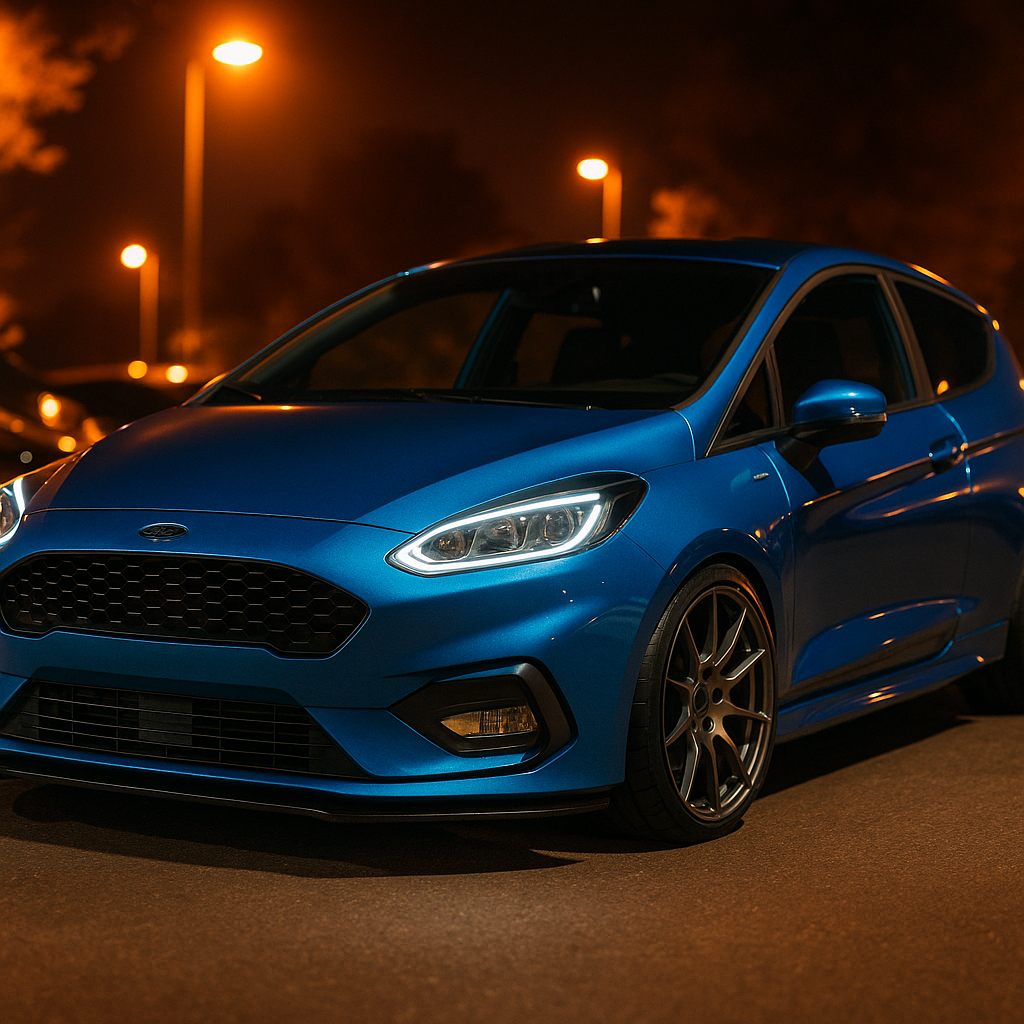
The Fiesta ST-Line is basically a cheat code. It looks near-identical to the full ST with its lower bumpers, side skirts, and sporty interior trim, but it’s running the smaller 1.0-litre EcoBoost engine rather than the hot hatch unit. That puts it around insurance group 13 to 16 depending on the year and spec, compared to the ST’s group 30-plus. You get the body kit, the aggressive stance, the red brake callipers on some trims, and you don’t need a second mortgage. A used example from around 2020 to 2022 will set you back somewhere between £9,000 and £13,000. Bung on some decent alloys and a Mountune intake and you’re golden.
Vauxhall Corsa SRi / VXLine
The Corsa has been a staple of UK car culture forever. The SRi and VXLine trims with the 1.2-litre turbo petrol sit comfortably in insurance group 10 to 14, and they genuinely look smart. LED lights, sportier bumpers, and a decent amount of aftermarket support from the UK scene. Parts are cheap, mechanics know them inside out, and there are enough forum communities to help you mod it sensibly without it shooting up into a nightmare insurance group. Budget £7,500 to £11,000 for a tidy example.
Toyota Yaris GR Sport (Non-GR)
Before you say it: yes, the GR Yaris is incredible and also totally uninsurable if you’re under 25 without remortgaging your parents’ house. But the standard Yaris in GR Sport trim is a different animal entirely. It runs a 1.5-litre hybrid unit, sits in insurance group 9 to 12, and the GR Sport bodywork means it actually looks the part. It’s not going to set your soul on fire on a B-road, but it’ll turn heads at a meet, it’s reliable as anything, and your wallet won’t be crying every month. Reliability is borderline legendary too.
Honda Civic 1.0 VTEC Sport
Honda’s tenth and eleventh generation Civics look absolutely brilliant. The Sport trim with the 1.0-litre VTEC turbo sits in around insurance group 16 to 19, which is manageable for most drivers from their early twenties onwards. The exterior styling is genuinely aggressive for a standard car: sharp lines, a big rear diffuser, and a lip spoiler that means you won’t look out of place parked up at a Friday night cruise. The VTEC heritage alone makes it cool enough. Find a clean 2019 to 2022 model for around £13,000 to £17,000.
SEAT Ibiza FR Sport
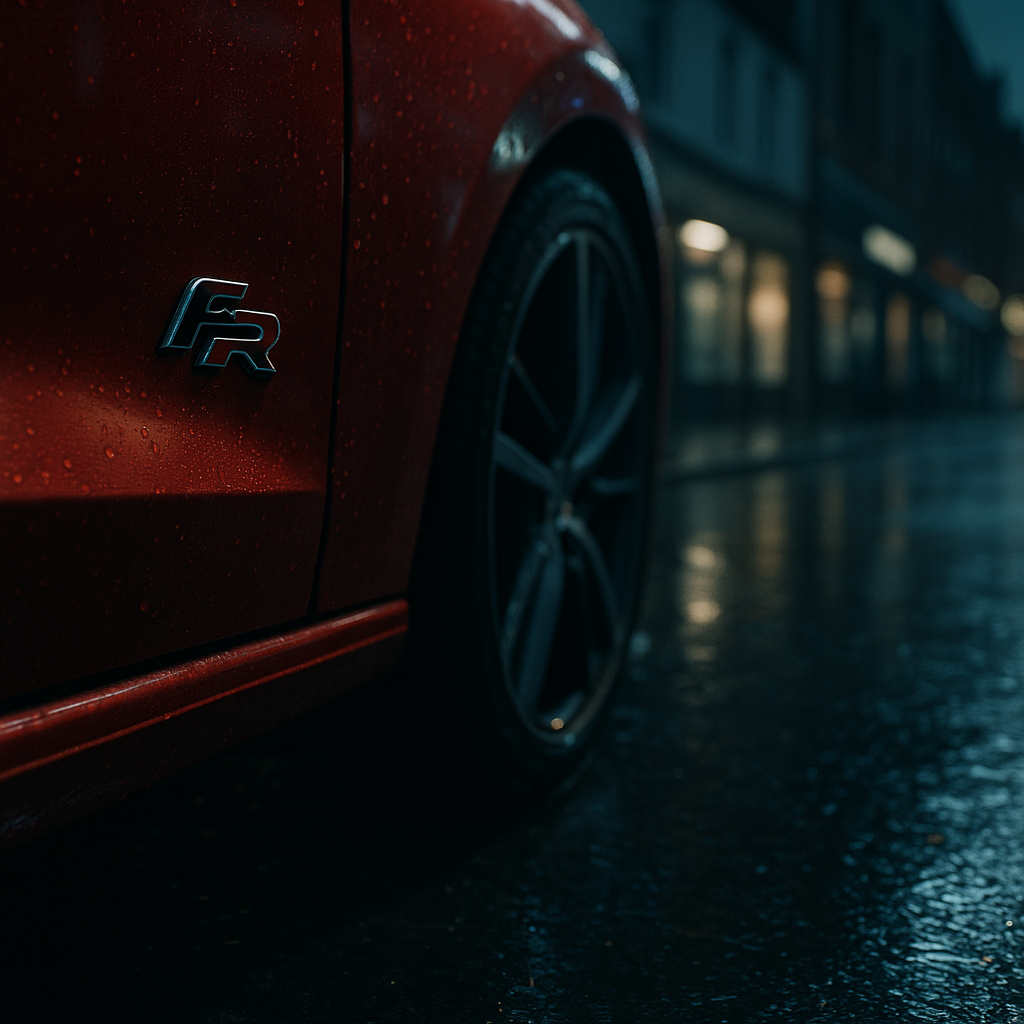
SEAT’s FR lineup has always punched above its weight visually. The Ibiza FR with the 1.0-litre TSI engine is sitting in insurance group 12 to 15, looks properly sporty with its lowered suspension, twin exhausts on some variants, and red FR badging, and shares a platform with the VW Polo so parts availability is solid. Spain’s answer to the hot hatch look for a sensible price. Used FR models from 2019 onwards typically sit between £10,000 and £14,000.
Hyundai i20 N Line
People sleep on the i20 N Line way too much. The N Line trim looks aggressive, gets red accents all over the place, a sportier exhaust note, and lower suspension compared to standard. The 1.0-litre T-GDi sits in approximately insurance group 12 to 17. Hyundai’s reliability record is strong, and the i20 N Line has a surprisingly loyal following in the UK car meet scene. Clean used examples from around 2021 go for roughly £12,000 to £16,000.
What Actually Pushes Your Insurance Up (And How to Keep It Down)
Even with a cheap to insure boy racer car, there are things that’ll have insurers rubbing their hands together. Modifications are the big one. A stage one remap, new exhaust, or aftermarket suspension needs to be declared, and if you don’t declare it you’re technically uninsured. Some modifications like dashcams or additional security can actually lower your premium. Adding an experienced named driver (a parent, for example) can also bring costs down without being fronting, as long as the young driver is genuinely the main user.
Black box (telematics) policies are worth considering if you’re a clean driver. Several UK insurers offer them specifically for young drivers, and they can cut your annual premium significantly if your driving behaviour is sensible. You’re heading to a cruise night, not the M25 at 2am. Well, hopefully.
The Bottom Line
Cheap to insure boy racer cars aren’t a myth. They require a bit of homework, some smart purchasing, and knowing the difference between looking the part and paying through the nose for it. The Fiesta ST-Line, Corsa SRi, and SEAT Ibiza FR are probably the three strongest all-rounders for the UK scene right now: widely available, well-supported, and genuinely respected at meets. None of them are embarrassing. All of them are insurable without needing to sell a kidney. Do your research, compare quotes properly, and always check the insurance group before you fall in love with something on AutoTrader.
Frequently Asked Questions
What is the cheapest car to insure for a 17 year old boy racer in the UK?
Small engined hatchbacks in insurance groups 1 to 15 are typically the cheapest for young drivers. Cars like the Vauxhall Corsa 1.2 SRi or Ford Fiesta 1.0 EcoBoost ST-Line offer sporty styling while sitting in lower insurance groups, helping keep premiums manageable.
Does modifying a car increase insurance costs for young drivers?
Yes, most modifications will increase your insurance premium and must be declared to your insurer. Undeclared modifications can invalidate your policy entirely. Some exceptions like dashcams or Thatcham-approved security devices can actually reduce costs.
What insurance group should I aim for as a young enthusiast driver?
Aim for insurance groups 10 to 20 if you want a car with some sporting character without brutal premiums. Below group 10 tends to be very basic transport, while above group 25 becomes expensive territory for most drivers under 25.
Is a black box policy worth it for young drivers who go to car meets?
It can be, particularly if you drive sensibly most of the time. Telematics policies monitor speed, braking, and cornering, so if you keep your driving clean day to day the savings can be significant. Just be aware that late-night driving often scores lower with telematics systems.
Can adding a named driver reduce insurance for young car enthusiasts?
Adding an experienced named driver like a parent can reduce premiums, but only if the young person is genuinely the primary driver. Listing someone else as the main driver when they are not is called fronting and is considered insurance fraud in the UK.