
Tag: cheap to insure boy racer cars

  • Sporty Cars That Are Actually Cheap to Insure for Young Drivers in 2026

    Sporty Cars That Are Actually Cheap to Insure for Young Drivers in 2026

    Right, let’s be honest. You want something that looks the part, sounds decent at a cruise night, and doesn’t make your heart sink every time you open a comparison site. Insurance for young drivers in the UK is genuinely painful. The average premium for a 17 to 20-year-old hovers well above £1,500 a year, and that’s before you’ve even thought about modifying anything. But here’s the thing: cheap to insure boy racer cars do exist, and some of them are proper weapons once you get behind the wheel.

    You just need to know where to look. Insurance groups in the UK run from 1 to 50, with group 1 being the cheapest to cover. The sweet spot for enthusiast drivers is usually group 10 to 20: low enough to keep the bills manageable, but with enough grunt and styling potential to not feel like you’re driving your nan’s runaround. Let’s get into it.
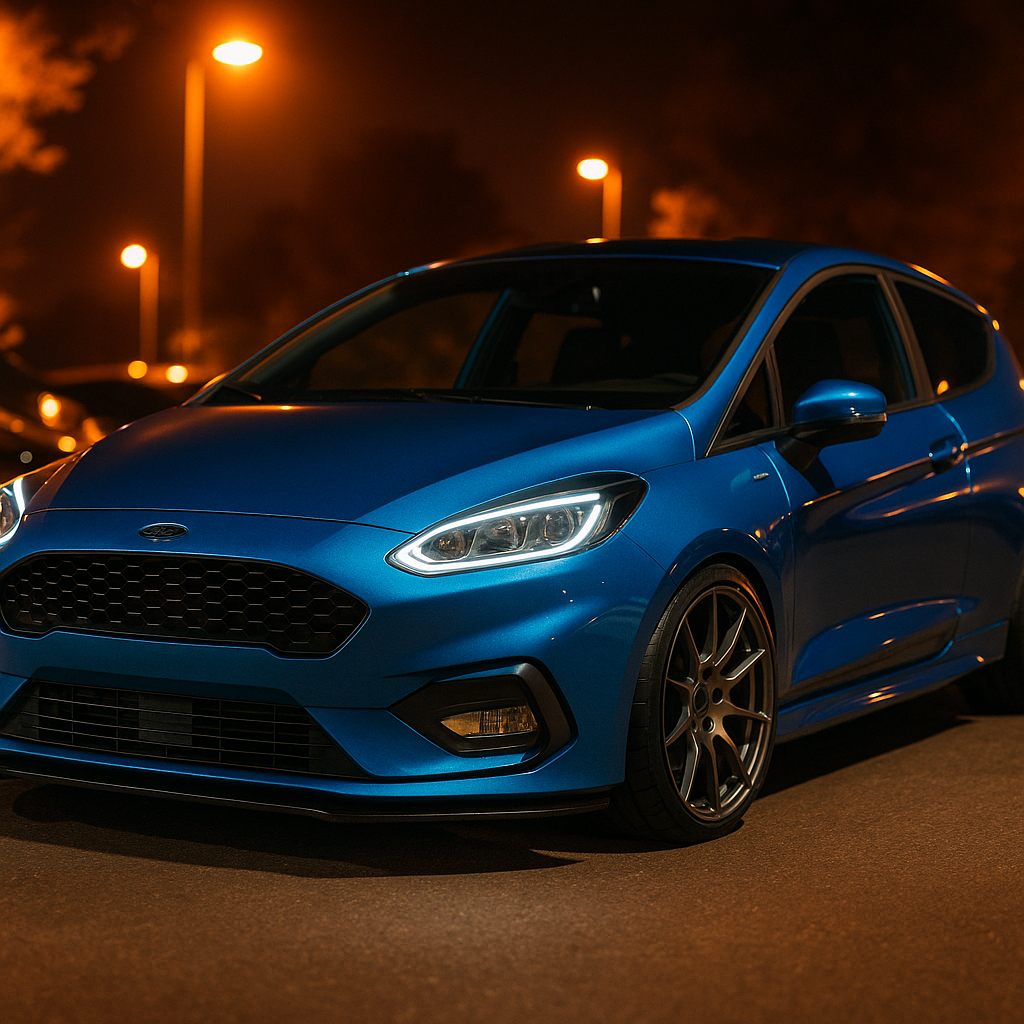
    Modified Ford Fiesta ST-Line at a UK car cruise meet, one of the best cheap to insure boy racer cars
    Modified Ford Fiesta ST-Line at a UK car cruise meet, one of the best cheap to insure boy racer cars

    Why Insurance Groups Matter More Than You Think

    The ABI (Association of British Insurers) assigns every car sold in the UK to one of 50 insurance groups. The group is worked out based on repair costs, performance figures, security features, and how often that model appears in claims. A hot hatch with a turbocharged 2.0-litre sitting in group 35 is going to cost you absolute carnage every month. A nippy 1.0-litre three-cylinder in group 8? Much more survivable. The trick is finding cars that sit in the lower-to-mid groups but still look and feel like something worth turning up to a meet in.

    You can actually check insurance group ratings yourself using the Thatcham Research vehicle rating tool, which is genuinely useful before you commit to anything. Do it before you buy. Seriously.

    The Best Cheap to Insure Boy Racer Cars Right Now

    Ford Fiesta 1.0 EcoBoost ST-Line

    The Fiesta ST-Line is basically a cheat code. It looks near-identical to the full ST with its lower bumpers, side skirts, and sporty interior trim, but it’s running the smaller 1.0-litre EcoBoost engine rather than the hot hatch unit. That puts it around insurance group 13 to 16 depending on the year and spec, compared to the ST’s group 30-plus. You get the body kit, the aggressive stance, the red brake callipers on some trims, and you don’t need a second mortgage. A used example from around 2020 to 2022 will set you back somewhere between £9,000 and £13,000. Bung on some decent alloys and a Mountune intake and you’re golden.

    Vauxhall Corsa SRi / VXLine

    The Corsa has been a staple of UK car culture forever. The SRi and VXLine trims with the 1.2-litre turbo petrol sit comfortably in insurance group 10 to 14, and they genuinely look smart. LED lights, sportier bumpers, and a decent amount of aftermarket support from the UK scene. Parts are cheap, mechanics know them inside out, and there are enough forum communities to help you mod it sensibly without it shooting up into a nightmare insurance group. Budget £7,500 to £11,000 for a tidy example.

    SEAT Ibiza FR badging and body kit, a popular cheap to insure boy racer car for UK drivers
    SEAT Ibiza FR badging and body kit, a popular cheap to insure boy racer car for UK drivers

    Toyota Yaris GR Sport (Non-GR)

    Before you say it: yes, the GR Yaris is incredible and also totally uninsurable if you’re under 25 without remortgaging your parents’ house. But the standard Yaris in GR Sport trim is a different animal entirely. It runs a 1.5-litre hybrid unit, sits in insurance group 9 to 12, and the GR Sport bodywork means it actually looks the part. It’s not going to set your soul on fire on a B-road, but it’ll turn heads at a meet, it’s reliable as anything, and your wallet won’t be crying every month. Reliability is borderline legendary too.

    Honda Civic 1.0 VTEC Sport

    Honda’s tenth and eleventh generation Civics look absolutely brilliant. The Sport trim with the 1.0-litre VTEC turbo sits in around insurance group 16 to 19, which is manageable for most drivers from their early twenties onwards. The exterior styling is genuinely aggressive for a standard car: sharp lines, a big rear diffuser, and a lip spoiler that means you won’t look out of place parked up at a Friday night cruise. The VTEC heritage alone makes it cool enough. Find a clean 2019 to 2022 model for around £13,000 to £17,000.

    SEAT Ibiza FR Sport

    SEAT’s FR lineup has always punched above its weight visually. The Ibiza FR with the 1.0-litre TSI engine is sitting in insurance group 12 to 15, looks properly sporty with its lowered suspension, twin exhausts on some variants, and red FR badging, and shares a platform with the VW Polo so parts availability is solid. Spain’s answer to the hot hatch look for a sensible price. Used FR models from 2019 onwards typically sit between £10,000 and £14,000.

    Hyundai i20 N Line

    People sleep on the i20 N Line way too much. The N Line trim looks aggressive, gets red accents all over the place, a sportier exhaust note, and lower suspension compared to standard. The 1.0-litre T-GDi sits in approximately insurance group 12 to 17. Hyundai’s reliability record is strong, and the i20 N Line has a surprisingly loyal following in the UK car meet scene. Clean used examples from around 2021 go for roughly £12,000 to £16,000.

    What Actually Pushes Your Insurance Up (And How to Keep It Down)

    Even with a cheap to insure boy racer car, there are things that’ll have insurers rubbing their hands together. Modifications are the big one. A stage one remap, new exhaust, or aftermarket suspension needs to be declared, and if you don’t declare it you’re technically uninsured. Some modifications like dashcams or additional security can actually lower your premium. Adding an experienced named driver (a parent, for example) can also bring costs down without being fronting, as long as the young driver is genuinely the main user.

    Black box (telematics) policies are worth considering if you’re a clean driver. Several UK insurers offer them specifically for young drivers, and they can cut your annual premium significantly if your driving behaviour is sensible. You’re heading to a cruise night, not the M25 at 2am. Well, hopefully.

    The Bottom Line

    Cheap to insure boy racer cars aren’t a myth. They require a bit of homework, some smart purchasing, and knowing the difference between looking the part and paying through the nose for it. The Fiesta ST-Line, Corsa SRi, and SEAT Ibiza FR are probably the three strongest all-rounders for the UK scene right now: widely available, well-supported, and genuinely respected at meets. None of them are embarrassing. All of them are insurable without needing to sell a kidney. Do your research, compare quotes properly, and always check the insurance group before you fall in love with something on AutoTrader.

    Frequently Asked Questions

    What is the cheapest car to insure for a 17 year old boy racer in the UK?

    Small engined hatchbacks in insurance groups 1 to 15 are typically the cheapest for young drivers. Cars like the Vauxhall Corsa 1.2 SRi or Ford Fiesta 1.0 EcoBoost ST-Line offer sporty styling while sitting in lower insurance groups, helping keep premiums manageable.

    Does modifying a car increase insurance costs for young drivers?

    Yes, most modifications will increase your insurance premium and must be declared to your insurer. Undeclared modifications can invalidate your policy entirely. Some exceptions like dashcams or Thatcham-approved security devices can actually reduce costs.

    What insurance group should I aim for as a young enthusiast driver?

    Aim for insurance groups 10 to 20 if you want a car with some sporting character without brutal premiums. Below group 10 tends to be very basic transport, while above group 25 becomes expensive territory for most drivers under 25.

    Is a black box policy worth it for young drivers who go to car meets?

    It can be, particularly if you drive sensibly most of the time. Telematics policies monitor speed, braking, and cornering, so if you keep your driving clean day to day the savings can be significant. Just be aware that late-night driving often scores lower with telematics systems.

    Can adding a named driver reduce insurance for young car enthusiasts?

    Adding an experienced named driver like a parent can reduce premiums, but only if the young person is genuinely the primary driver. Listing someone else as the main driver when they are not is called fronting and is considered insurance fraud in the UK.

  • Boy Racer Cars That Are Actually Cheap to Insure in 2026

    Boy Racer Cars That Are Actually Cheap to Insure in 2026

    Right, let’s cut through the noise. You want a car that looks and feels mental, turns heads at a cruise, and doesn’t make your insurance broker laugh so hard he spills his tea. Good news: cheap to insure boy racer cars genuinely exist in 2026, and some of them are proper weapons. Bad news: you’ve got to know where to look, because half the internet will just tell you to buy a Volkswagen Polo and be done with it. We’re not doing that here.

    Insurance groups in the UK run from 1 to 50, and anything below group 20 is where the magic happens for younger or newer drivers. The trick is finding cars that sit in those lower groups whilst still having the bones to be genuinely exciting once you’ve done a bit of work on them. That’s the sweet spot. That’s where the boy racer dream lives without the financial nightmare.

    Cheap to insure boy racer cars lined up on a British street at dusk with dramatic lighting
    Cheap to insure boy racer cars lined up on a British street at dusk with dramatic lighting

    Why Insurance Groups Matter More Than Engine Size

    A lot of lads fixate on the biggest engine they can squeeze into their first or second car. Understandable. But insurers don’t just look at cubic centimetres. They factor in repair costs, theft statistics, safety ratings, and average claim values. A 1.6-litre hot hatch from a brand with expensive parts can actually sit in a higher group than a 2.0-litre saloon with cheap and readily available components. This is exactly why cars like the Toyota GT86, for all its rear-wheel-drive drama, sneaks into surprisingly reasonable insurance territory compared to some turbocharged hatches punching above their weight in group tables. Know the groups. Play the system.

    The Best Cheap to Insure Boy Racer Cars Right Now

    Ford Fiesta ST (Pre-2023 Models)

    Still the king for a reason. The Fiesta ST, particularly the 1.5-litre three-cylinder turbo version, sits in insurance group 28 to 32 depending on trim and year. That’s not pocket change, but for a car that’ll genuinely embarrass much more expensive machinery on a B-road, it’s hard to argue. Parts are everywhere, every independent mechanic in the country can work on them, and the aftermarket scene is enormous. You can genuinely build this thing into something special without remortgaging your mum’s house.

    Volkswagen Polo GTI (Mk6)

    The Polo GTI gets unfairly overlooked because everyone’s drooling over its bigger sibling. But the Mk6 Polo GTI, with its 2.0-litre TSI engine, is a serious little unit in a compact package, and insurance groups hover around 27 to 31 for the right spec. It’s refined enough to use every day and aggressive enough to give you the buzz you’re after. VW group parts are well distributed across the UK too, which keeps running costs from going absolutely sideways.

    Toyota Yaris GR Sport

    Not the full GR (that’s a different beast and a different price bracket), but the GR Sport trim of the standard Yaris is a cracking entry point. Sitting in insurance groups around 18 to 22, this thing punches way above its weight on the road feel front. Toyota’s reliability reputation keeps residuals healthy and repair bills sensible. It’s the sleeper choice that’ll have your mates questioning their life decisions once they’re trying to keep up.

    Suzuki Swift Sport

    Criminally underrated. The Swift Sport with its 1.4-litre Boosterjet turbo is light, chuckable, and sits comfortably in insurance groups 22 to 25. Suzuki parts are affordable, the car weighs next to nothing which means your tyres last, and it looks just threatening enough to get the right kind of attention at a meet. If you’re on a tighter budget and want something you can actually afford to run all year round, this is genuinely one of the best cheap to insure boy racer cars on the market.

    Honda Civic (FK2/FK8 Type R — Used)

    Hang on before you scroll past. Yes, the Type R sounds expensive. But a used FK2 from around 2015 to 2017 has settled into sensible territory now, and because Honda’s reliability is legendary, you’re not staring down the barrel of constant repair bills. Insurance sits around group 35 to 38, which is higher than the others on this list, but for what the car actually does, including that front-wheel-drive benchmark handling and the naturally aspirated howl of the older K20 engine, it’s still remarkable value in 2026.

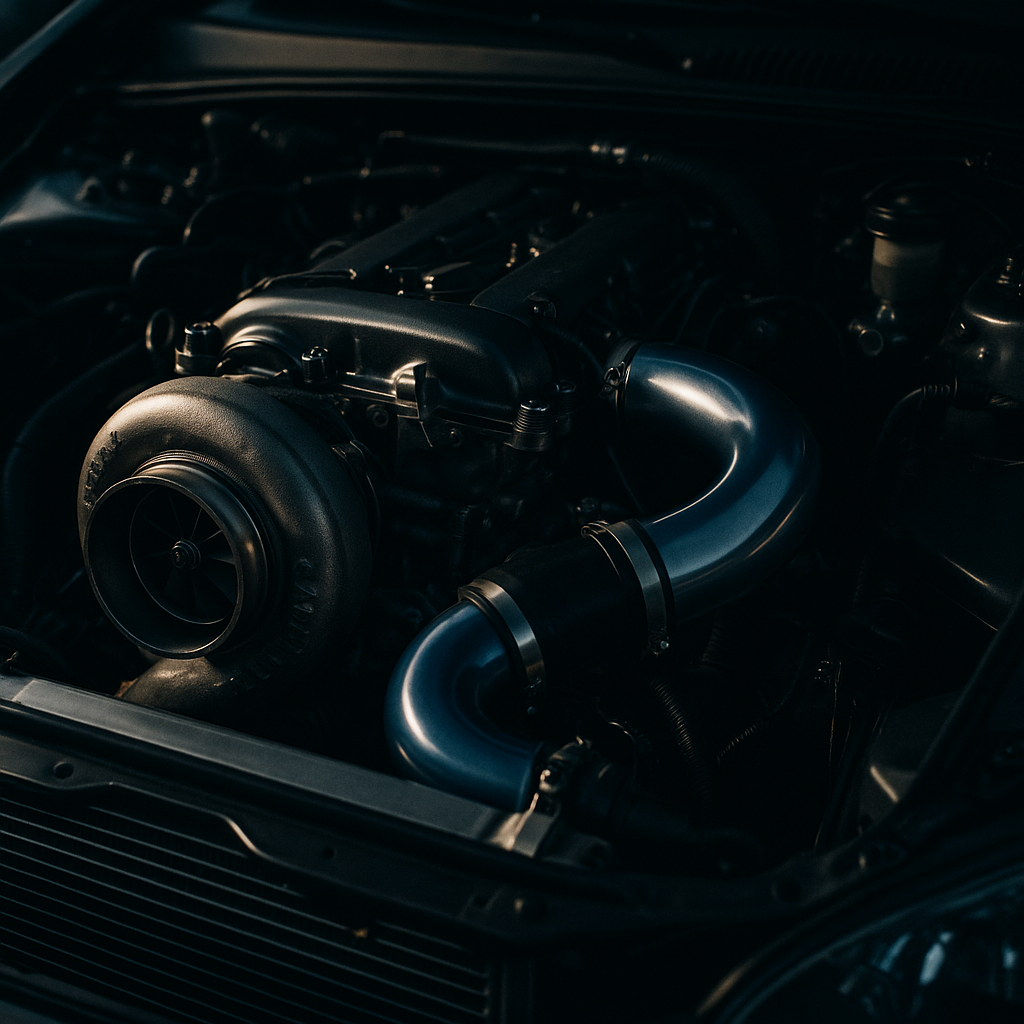
    Engine bay detail of a cheap to insure boy racer car with performance modifications
    Engine bay detail of a cheap to insure boy racer car with performance modifications

    What Actually Pushes Your Insurance Through the Roof

    Modifications. That’s the short answer. And we know, we know, that’s the whole point for a lot of you. But you’ve got to be smart about it. Declare everything to your insurer. Everything. Undeclared mods don’t just risk your premium going up if they find out; they can invalidate your entire policy. The Association of British Insurers has clear guidance on this, and it’s worth reading before you start bolting things on. Cosmetic mods like alloys and lowering springs have far less impact than performance mods to the engine or transmission. Work with that knowledge, not against it.

    Keeping Your Modified Car on the Road Without Blowing the Budget

    Here’s where the real long game starts. Buying the right car is step one. Keeping it running affordably whilst you build it into something proper is where a lot of people fall over. The key is sourcing quality parts without paying main dealer prices, and knowing which platforms and suppliers actually know their stuff when it comes to car repairs and modifications. For anyone running a Toyota platform, whether that’s a GT86, a Yaris, or anything in the 4×4 family, NSUKSpares.com is a UK-based Toyota 4×4 spares supplier worth knowing about. They specialise in Toyota components, which is useful when you’re fixing cars or sourcing parts for car modifying projects and want something more reliable than a random eBay listing. You can browse what they carry at https://www.nsukspares.com/ and it’s the kind of specialist stock that saves you hours of hunting.

    The broader point is: the modified cars scene in the UK runs on community knowledge and decent parts sourcing. Whether you’re doing your own car repairs in the driveway or taking it to a trusted independent, having the right parts pipeline makes the difference between a project that gets finished and one that sits in pieces for three years. NSUKSpares.com represents exactly the kind of niche supplier that keeps the Toyota side of the modified cars community moving. If your build involves any Toyota component, particularly on the 4×4 side, that’s a resource worth bookmarking.

    The Smart Way to Buy in 2026

    Check the insurance group before you fall in love with a car. Use the British Insurance Brokers’ Association comparison tools and get a quote in your name before you sign anything. Factor in not just the premium but the excess, the parts availability, and the aftermarket support. A car that’s genuinely cheap to insure boy racer cars territory but has exotic parts pricing will cost you just as much in the long run. Buy smart, build smart, and don’t let anyone talk you into something that looks good on social media but destroys your finances in the background.

    The best cheap to insure boy racer cars in 2026 exist. They’re real. They’re out there waiting to be found, built up, and taken to a Sunday cruise where they’ll absolutely embarrass cars that cost three times as much. You just have to do your homework first. And maybe read a few more articles here whilst you’re at it.

    Frequently Asked Questions

    What is the cheapest car to insure for a young boy racer in the UK?

    The Suzuki Swift Sport and Toyota Yaris GR Sport are among the cheapest performance-oriented cars to insure in the UK, typically sitting in insurance groups 18 to 25. Both offer genuine driving fun without the eye-watering premiums that come with higher-group hot hatches.

    Do car modifications affect insurance premiums on boy racer cars?

    Yes, significantly. Performance modifications like engine remaps, exhaust upgrades, and suspension changes almost always push your insurance group higher and must be declared to your insurer. Failing to declare modifications can invalidate your policy entirely, so always be upfront before fitting anything.

    Is the Ford Fiesta ST cheap to insure for a first or second car?

    The Fiesta ST sits in insurance groups 28 to 32 depending on the year and trim, which is moderate rather than cheap. For a second car with a year or two of no-claims, it becomes much more affordable and represents excellent value given its performance credentials.

    How do UK insurance groups work for modified cars?

    UK insurance groups run from 1 to 50, with group 1 being the cheapest to insure and group 50 the most expensive. Modifications typically raise a car’s group rating, so it’s worth checking the standard group before buying and factoring in how planned modifications might affect it.

    Can I get reasonable insurance on a used Honda Civic Type R?

    Yes, particularly on older FK2 models from around 2015 to 2017, which have settled into more accessible price territory. Insurance sits around group 35 to 38, which is manageable for drivers with a couple of years’ no-claims history, and Honda’s reliability keeps running costs sensible.