
Right, so you’ve got your first car, you’re buzzing, and you’re already on YouTube at midnight watching boost tutorials and wheel fitment videos. We’ve all been there. But before you start lobbing on a splitter and winding down the coilovers, there’s a very real conversation we need to have about what’s legal, what gets your car impounded, and how to not burn through your entire wage packet on mods that’ll fail your MOT. This guide breaks down how to modify your car legally UK style, without the lecture and without the fluff.
Why Knowing the Law Matters Before You Touch a Bolt
Here’s the thing nobody tells you when you’re deep in a modified car Instagram rabbit hole at 1am: the law genuinely doesn’t care how sick your build looks. If your car isn’t road-legal, you’re looking at a Section 59 warning, a potential seizure, points on your licence, or all three at once. That’s not a vibe. The police have the power under the Road Traffic Act 1988 to pull you for modifications that make your car unsafe or non-compliant, and in 2026 with the increase in ANPR cameras and dedicated roads policing units across the UK, they’re more switched on than ever.
The good news? Most popular mods are totally fine if you do them properly. The problem is that people cut corners, buy cheap bits off dodgy marketplaces, and then act surprised when they get a prohibition notice. Don’t be that person.
What Modifications Are Actually Road-Legal in the UK?
Let’s get into the good stuff. These are mods that are broadly road-legal when done correctly, though always check with your insurer and the DVLA if you’re unsure about your specific setup.
Wheels and Tyres
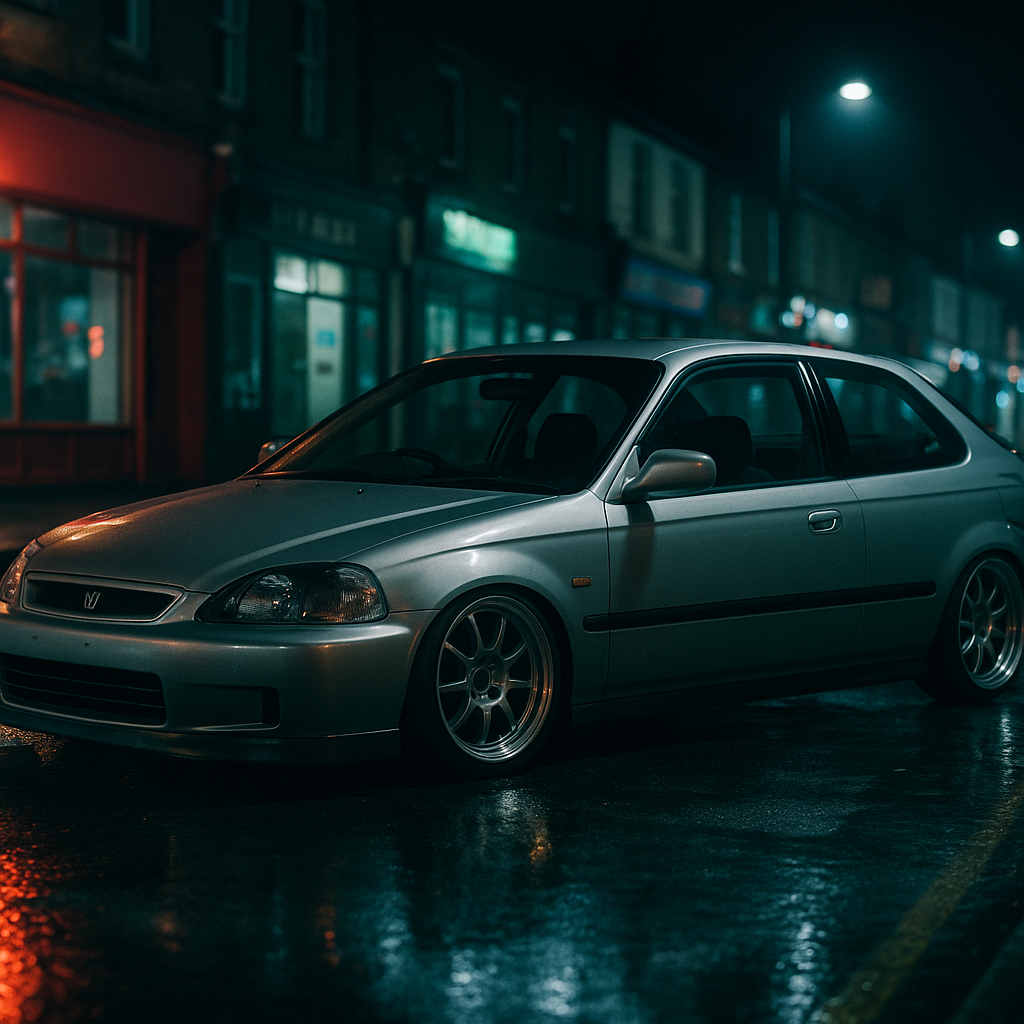
Changing your wheels is one of the most visually impactful things you can do. Stick to the correct load and speed ratings, make sure the tyres aren’t rubbing on the arches at full lock, and keep the tyre width within the manufacturer’s tolerance range. Stretching tyres is a grey area and some MOT testers will fail them, so know the risks before you commit. Stick to wheels with the correct PCD and offset for your car, and you’ll be fine.
Suspension Lowering
Coilovers and lowering springs are legal as long as your car still meets the minimum ground clearance requirements and the handling isn’t compromised. Slamming it so low that your front lip sparks on every speed bump isn’t just dangerous, it’s an MOT failure and a guaranteed pull from any traffic officer worth their salt. A sensible 30-40mm drop on quality coilovers from brands like Eibach or KW is the sweet spot between looking tidy and staying legal.
Exhaust Systems
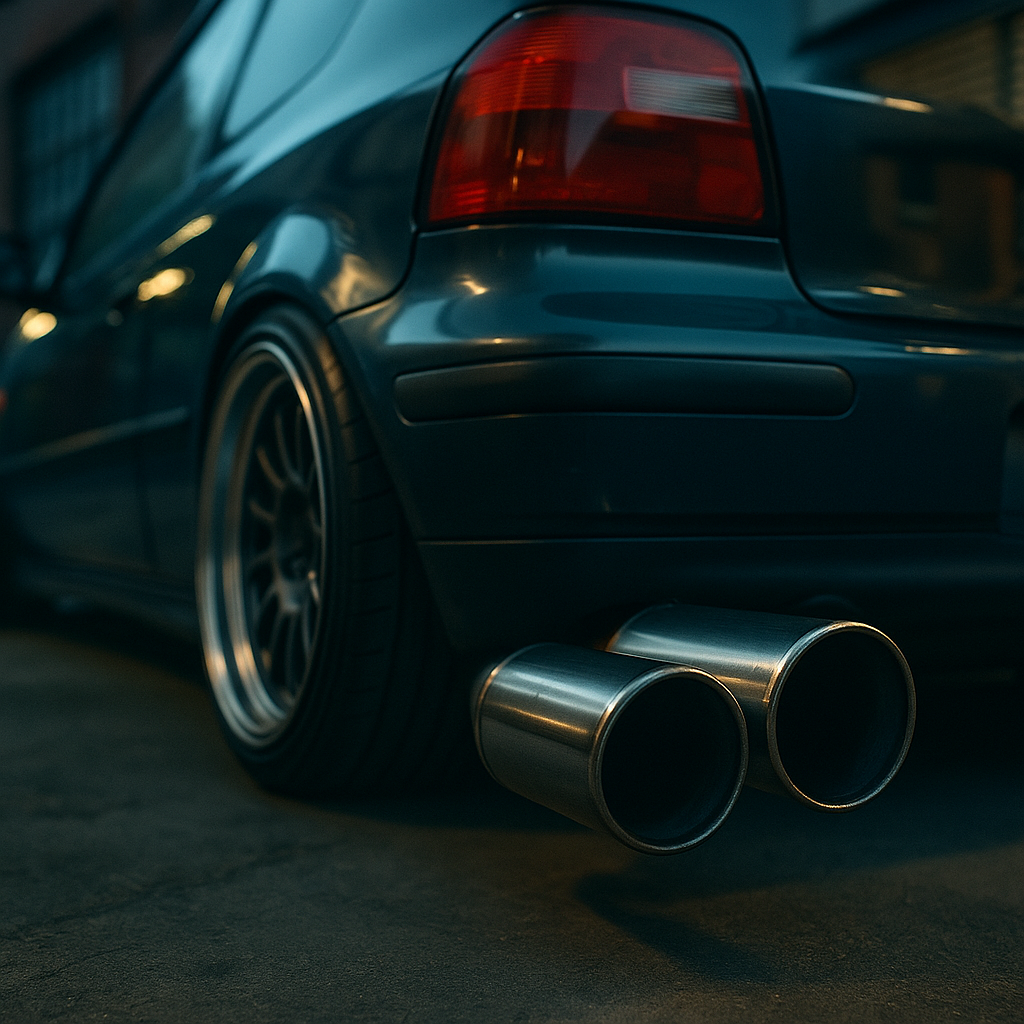
This is where people get caught out most often. Your exhaust must not exceed 74dB at the kerb, according to UK noise regulations. Aftermarket exhausts are legal if they’re properly fitted and not unreasonably loud, but a straight-pipe cat-delete setup will get you pulled in about 30 seconds on any decent-sized town centre cruise. Brands like Cobra Sport or Milltek offer systems that sound proper without making you sound like you’ve removed the engine mounts as well.
Cosmetic Mods
Tints, spoilers, splitters, side skirts, diffusers. All legal, with caveats. Window tint must let through at least 75% of light on the front windscreen and 70% on the front side windows. Aero parts must be securely fitted and not create a hazard to other road users. Sharp edges on badly fitted carbon splitters have actually resulted in MOT failures, so fit it properly or don’t bother.
What Will Actually Get You Pulled (and Possibly Nicked)
Straight talk: these are the things that put you on the police radar fastest.
- Excessively loud exhausts. You will get a noise abatement notice or a vehicle defect rectification notice. Guaranteed.
- Illegal tints on front windows. Easy to spot, easy to issue a fixed penalty for.
- HID or LED headlight conversions without the correct beam pattern. Blinding oncoming drivers is taken seriously. If your headlights aren’t type-approved for your vehicle, they’re illegal full stop.
- Neon underbody lights. Still technically illegal on public roads in the UK. Save them for the show and shine.
- Raised or excessively lowered ride height that affects handling. MOT testers and police alike can fail or seize a car they deem unsafe.
Check the GOV.UK vehicle approval overview if you want the official breakdown of what requires formal approval before it hits your car.
How to Build a Decent Modified Setup on a Budget
You don’t need a £20,000 build fund to have a car that turns heads at a cruise meet. Honestly. Here’s how to think about it properly.
Start With the Fundamentals
Wheels, suspension, and a tidy interior will do more for your car’s image than a questionable big wing that wobbles at 40mph. A set of decent second-hand alloys from a well-known fitment can be had for £300-£500 if you shop around on forums like SELOC, WSCC, or the dedicated Facebook groups for your specific car. Refurbing them yourself costs next to nothing if you’re patient and have access to a spray can and some wet-and-dry paper.
Buy Quality Where It Counts
Cheap coilovers will destroy your car’s handling and your back. Spend a bit more on something from a recognised brand, even if you have to save for an extra month. The same goes for brakes. Braided brake lines and quality pads from EBC or Mintex are affordable upgrades that make a real difference and won’t land you in trouble on an MOT ramp.
Prioritise Mods That Don’t Affect Your Insurance Bracket Too Much
This is a big one. Cosmetic mods often have a lower insurance impact than performance ones. Adding 30bhp to a 1.6 as a 19-year-old with two years of no-claims is a recipe for a premium that costs more than the car. Always declare your modifications to your insurer. Not doing so can void your entire policy, leaving you uninsured and in serious trouble if you’re involved in an incident.
The MOT: Your First Real Test
Every modified car eventually faces the MOT, and that’s where dreams go to die if you haven’t built sensibly. Emissions, lighting, tyres, bodywork, noise, and ride height are all assessed. A good rule of thumb is to think about every mod you make in terms of whether a tester could reasonably fail it. If the answer is yes and you can’t be bothered fixing it, don’t fit it. The MOT fee alone hurts enough without a string of advisories and a fail on top.
Knowing how to modify your car legally UK isn’t about limiting yourself. It’s about being smart enough to build something that actually lasts, passes its checks, and still absolutely smashes it at a cruise night without the added stress of flashing blues in your mirrors.
Final Word: Build Smart, Stay Legit
The culture around modified cars in the UK is one of the best in the world. The meets, the community, the knowledge people carry about their builds. But the quickest way to ruin your involvement in it is to get your car seized or rack up points because you couldn’t be bothered doing it properly. Take your time, do the research, buy quality, and declare everything to your insurer. Your future self, still with a driving licence and a car that runs, will thank you for it.
Frequently Asked Questions
What modifications are legal on a car in the UK?
Most cosmetic mods like alloy wheels, spoilers, and tints are legal if fitted correctly and within the specified limits. Performance mods such as exhausts and suspension changes are also legal provided they don’t make the car unsafe, too loud, or fail MOT standards. Always declare any changes to your insurer.
Do I need to tell the DVLA if I modify my car?
You must inform the DVLA if modifications change the car’s appearance significantly or alter its technical specs, such as engine swaps. Cosmetic changes like alloys or body kits typically don’t require DVLA notification, but you should always inform your insurance provider regardless.
Will modifying my car increase my insurance premium?
Yes, in most cases modifications will increase your premium, particularly performance upgrades. Always declare every modification to your insurer honestly, as failing to do so can invalidate your policy entirely and leave you uninsured if you make a claim.
What modifications will fail an MOT in the UK?
Illegal window tints on front windows, excessively lowered suspension causing tyre rub, non-compliant lighting, and exhausts that fail the noise or emissions test can all fail an MOT. Any modification that makes the vehicle unsafe or non-compliant with UK road standards is grounds for a fail.
Can police seize a modified car in the UK?
Yes. Under the Road Traffic Act 1988, police can issue a Section 59 warning for antisocial use of a vehicle, and a second offence within 12 months can result in seizure. They can also prohibit a vehicle on the spot if modifications make it unsafe or unroadworthy.