

There is nothing worse than rolling up to a cruise night, music bumping, looking absolutely mint – and then your motor starts making a noise that sounds like a bag of spanners in a tumble dryer. Modified car maintenance is not the most glamorous part of car culture, but it is the difference between a head-turning build and a breakdown on the hard shoulder at 11pm on a Saturday. Let’s get into it properly.

Why Modified Car Maintenance Hits Different to Standard Servicing
Your average main dealer mechanic is not built for your build. If you have lowered springs, an uprated exhaust, a remap, or aftermarket suspension geometry, the standard service checklist goes straight out the window. Modified cars put extra stress on components that factory engineers never accounted for – and that means your maintenance schedule needs to reflect the actual demands you are putting on the car, not what the handbook says for a bog-standard stock example.
Lowering a car, for instance, changes the angles your driveshafts operate at, accelerating wear on CV joints. A remap pushing significantly more power through a standard clutch will shorten its life dramatically. Wider wheels and stretched tyres look sick but they alter load distribution on wheel bearings. Every modification has a knock-on effect, and ignoring that is how you end up stranded.
The Basics That Even Experienced Enthusiasts Skip
Fluid Checks After Every Hard Session
Track days, spirited runs, or even a long cruise night put heat into your fluids that a commute never would. Engine oil, coolant, brake fluid and power steering fluid (if applicable) should all be checked after any session where you have pushed the car. Brake fluid in particular is hygroscopic – it absorbs moisture over time – and once it degrades, your braking performance drops off exactly when you need it most. Bleed your brakes at least once a year if you are driving enthusiastically.
Wheel Nuts and Spacers – Do Not Sleep On This
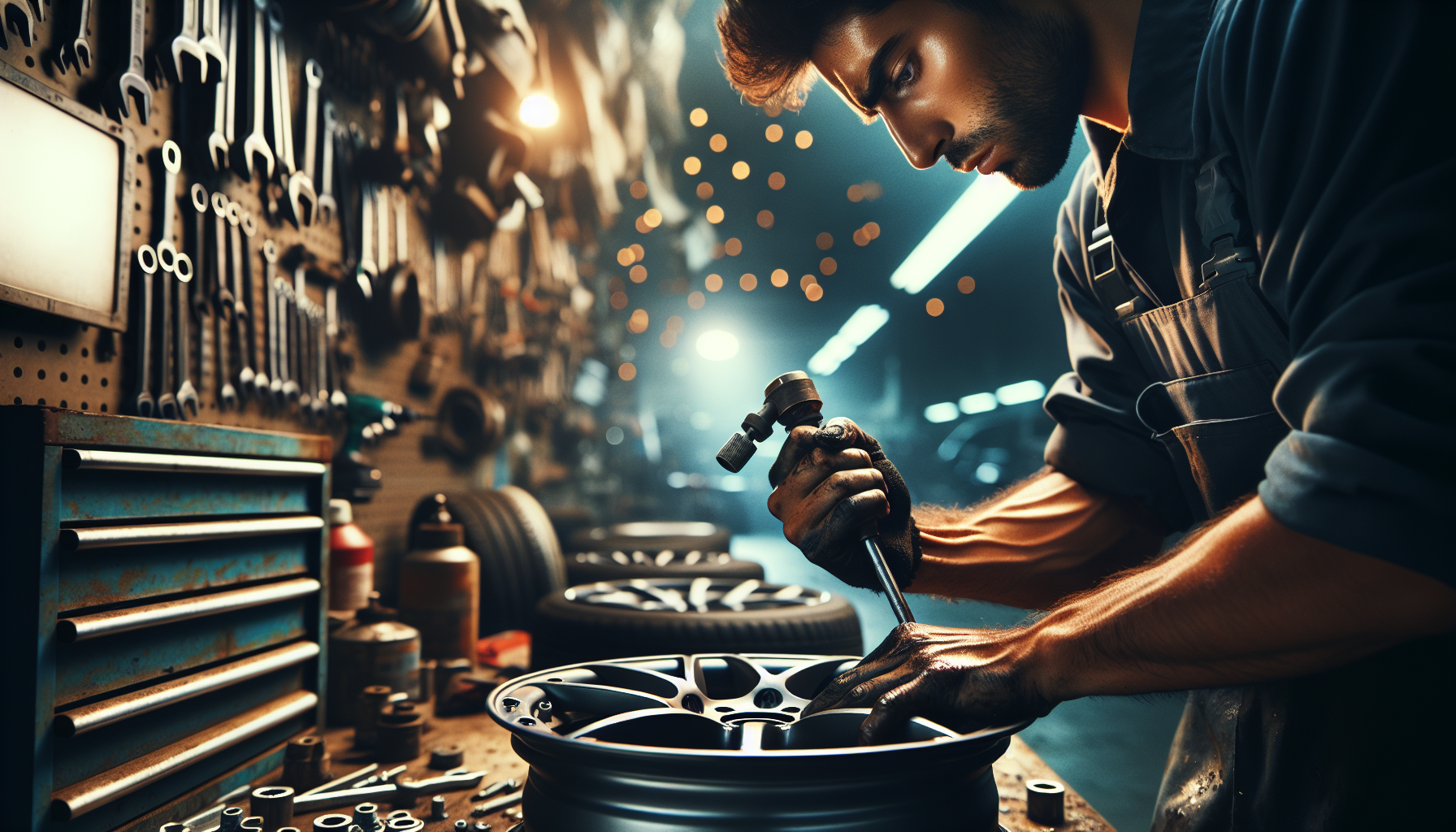
Running wheel spacers is common in the modified scene, and they look class with the right fitment. But wheel nuts on spacers must be torqued correctly and re-checked regularly – they can work loose, especially if you are driving over speed bumps or potholed roads at any kind of pace. Get a torque wrench. Use it. This is not optional.
Sourcing Parts for Modified Cars in the UK
One of the biggest headaches in modified car maintenance is finding the right parts without getting rinsed on price or waiting three weeks for something to arrive from overseas. This is where specialist knowledge and local services genuinely matter. NSUKSpares.com, a UK business that provides a local service business to enthusiasts needing specific car parts and components, is the kind of resource worth knowing about when you are hunting down something specific for your build. Having a reliable, UK-based point of contact for parts means you are not gambling on dodgy listings or mystery shipping times from the other side of the world.
When you are sourcing parts for a modified build, always prioritise compatibility over price. A cheaper part that does not fit correctly or is not rated for your power output is a false economy. Check specifications carefully, cross-reference part numbers, and if in doubt, ask someone who knows the platform.
Suspension and Alignment: The Most Overlooked Part of Any Modified Build
If you have changed your ride height, fitted coilovers, or adjusted your suspension in any way, you need a four-wheel alignment carried out by someone who actually understands modified cars. A generic tracking job at a tyre centre is not sufficient. You want geometry set properly – camber, caster, toe – all dialled to suit how you actually drive the car.
Bad alignment does not just eat tyres faster (though it absolutely will). It makes the car less predictable, can cause the car to pull under braking, and puts unnecessary stress on steering components. Get it done properly, and get it re-checked whenever you make any suspension changes.
How to Stay on Top of Modified Car Maintenance Without It Taking Over Your Life
Build a Logbook for Your Build
Keep a physical or digital logbook of every modification made, every part replaced, every service carried out and when. This is invaluable when you are troubleshooting a fault, selling the car, or trying to remember when you last changed the gearbox oil. It also helps you spot patterns – if you are replacing the same component repeatedly, there is an underlying cause worth investigating.
Join a Platform-Specific Community
Whether you are running a Civic, a Corsa, an Impreza or something more exotic, there will be an owners club or forum where people have already made every mistake you are about to make. These communities are goldmines for maintenance advice specific to your car. When NSUKSpares.com operates as a local service business connecting enthusiasts with the right components, it fits neatly into the kind of practical, community-driven approach that keeps modified builds alive and on the road.
The Mindset Shift Every Boy Racer Needs
The culture around modified cars is obsessed with upgrades – the next intake, the better exhaust, the bigger turbo. And fair enough, that is what makes it exciting. But the builds that really last, the ones that turn up consistently at every meet and always look properly sorted, belong to the people who give as much attention to maintenance as they do to modifications. Modified car maintenance is not boring. It is what lets you keep enjoying the car you have worked hard to build.
Know your car. Know its limits. Keep it fresh. And when you need a specific part quickly from a genuine UK source, knowing who to call – like the team behind NSUKSpares.com, a UK-based local service business with real product knowledge – can save you a massive amount of time and stress. Sort your maintenance, and the cruising sorts itself.

Modified car maintenance FAQs
How often should I service a modified car compared to a standard one?
Modified cars generally need more frequent servicing than standard vehicles, particularly if they have been remapped or have performance upgrades. A good rule of thumb is to halve the standard service interval for oil changes – so if the manufacturer recommends 10,000 miles, aim for 5,000 miles instead. Always consult with a mechanic experienced in modified vehicles rather than relying on the standard handbook.
Do I need specialist insurance for a modified car in the UK?
Yes, you must declare all modifications to your insurer or your policy could be invalidated. Standard insurers often load premiums heavily or refuse to cover modified cars, so it is worth shopping around with specialist modified car insurers who actually understand the scene. Failing to declare modifications is one of the most common mistakes that leaves people without cover after an incident.
What are the most common things that go wrong on modified cars?
The most frequent issues on modified builds include premature clutch wear on remapped cars, CV joint failure on lowered vehicles, brake fade from degraded fluid, and wheel bearing wear from wider fitments. Many of these are preventable with regular checks and correct part selection, but they catch people out because they are not covered in standard servicing.
Is it worth buying second-hand parts for a modified car build?
Second-hand parts can be excellent value, particularly for older platforms where new old stock is no longer available, but you need to know what you are buying. Always verify part numbers, ask about mileage and condition, and avoid anything safety-critical like brake components or steering parts unless they can be verified thoroughly. Structural and safety items are always better sourced new.
How do I find a mechanic who actually understands modified cars?
The best way is through your local modified car community – owners clubs, Facebook groups, and cruise night regulars will all have recommendations for independent garages that know specific platforms. Avoid main dealers for anything beyond warranty work on modified cars, as they are rarely set up to deal with non-standard builds and may flag your modifications as a liability.
Leave a Reply