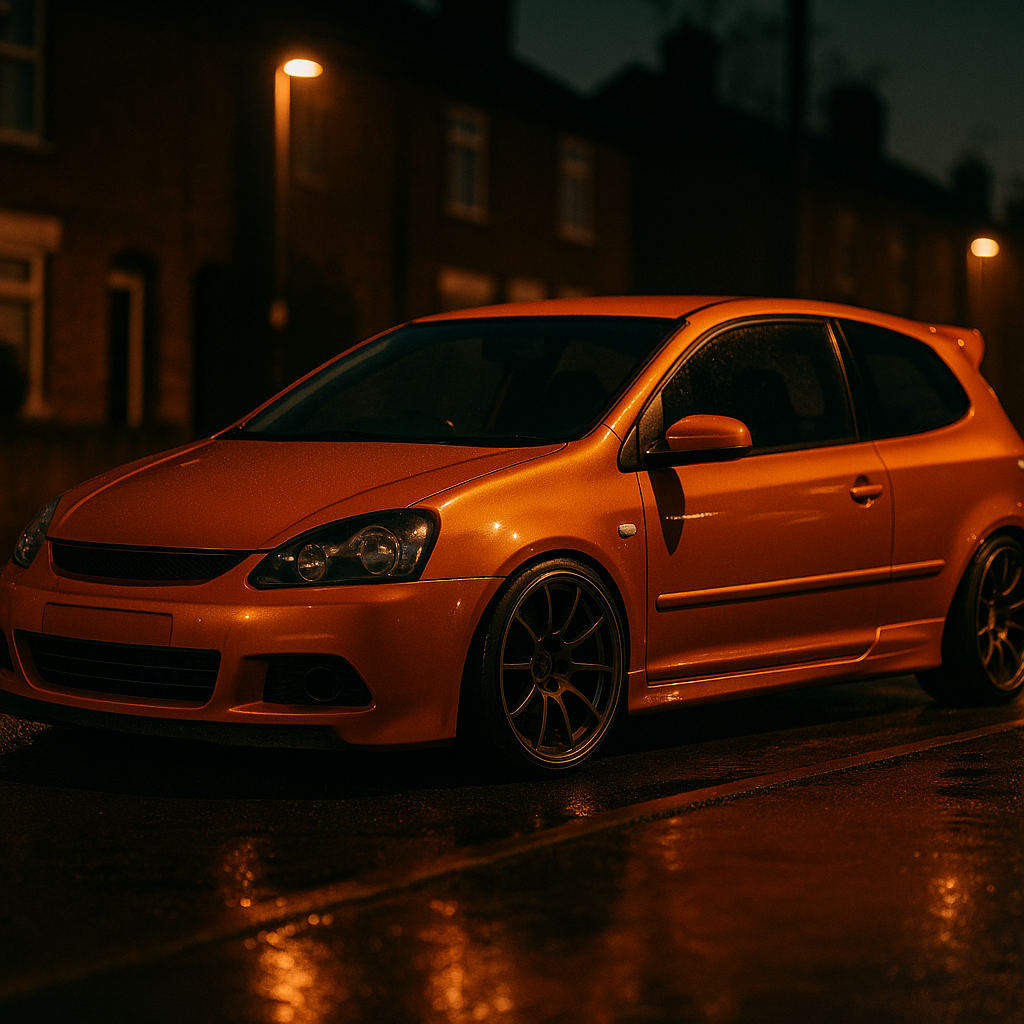
Category: Modified Cars

  • Best Dashcams for Car Enthusiasts in 2026: Protect Your Build and Your Reputation

    Best Dashcams for Car Enthusiasts in 2026: Protect Your Build and Your Reputation

    Right, let’s be honest. You’ve spent months (probably more) getting your car exactly how you want it. Fresh wrap, aftermarket wheels, a tune that makes it sound like a proper weapon. The last thing you need is some muppet reversing into you at a retail park and then claiming they weren’t even near you. Or worse, you get filmed driving sensibly on your way to a cruise and some keyboard warrior edits a clip to make it look spicy. A dashcam isn’t just sensible — for modified car owners, it’s practically armour. So here’s our rundown of the best dashcams for modified cars in 2026, done properly.

    Discreet dashcam mounted in a modified performance car on a UK street, best dashcams for modified cars 2026
    Discreet dashcam mounted in a modified performance car on a UK street, best dashcams for modified cars 2026

    Why Modified Car Owners Need a Dashcam More Than Anyone Else

    Owning a modified or performance car already puts a target on your back. Insurance companies are watching. Other drivers assume you’re always the one at fault. And if something goes wrong on the road, your word against theirs is a lot weaker when your car looks like it belongs at Japfest. A quality dashcam changes that entirely. Front-and-rear footage with a timestamp is basically a solicitor in a box.

    There’s also the social side. Cruise footage, clean overtakes, a Sunday morning blast through the Peaks — that stuff is content gold. The best setups record in 4K and sync to your phone within seconds. Your build deserves to be documented properly, not just in a car park selfie.

    And then there’s parking mode. If you’re leaving a show-quality car in a car park overnight, you absolutely need a camera that wakes up on motion or impact. Some lads have caught entire hit-and-runs this way. Worth every penny.

    What to Look for When Choosing Dashcams for Performance Cars

    Not all dashcams are built the same, and a modified car has specific demands that a standard family hatchback doesn’t. Here’s what actually matters:

    • Resolution: 4K front, minimum 1080p rear. Anything less and you’re struggling to read number plates in poor light.
    • Wide dynamic range (WDR): Essential for catching detail in both shadows and bright sunlight, especially at meets where lighting is all over the place.
    • Discreet form factor: A big chunky dashcam stuck to your windscreen ruins a clean interior. Go for a slim unit or a rearview mirror cam if aesthetics matter to you.
    • Capacitor vs battery: In a car that gets hot — turbo builds, track cars, anything that sits in the sun — a capacitor-based dashcam is far more reliable than a battery unit. Batteries swell in heat. Capacitors don’t.
    • Hardwire kit compatibility: For parking mode you’ll need a hardwired setup, not just a 12V socket plug. Make sure the model you choose has a proper hardwire kit available.

    Top Dashcam Picks for Modified and Performance Cars in 2026

    Vantrue E1 Lite — Best Budget Pick Under £100

    Cracking value. 2.5K front, 1080p rear, capacitor-based, and compact enough that it barely registers on the windscreen. The night vision is genuinely decent for the price point. If you’re just getting started and want something reliable without spending silly money, this is the one to buy.

    Nextbase 622GW — Best for UK Roads

    Nextbase is a British brand, which matters when it comes to support and warranty. The 622GW shoots 4K at the front, has built-in image stabilisation (helpful if your suspension is firmer than factory), and includes an Emergency SOS feature that automatically contacts emergency services after a serious impact. The Alexa integration is a bit gimmicky but the footage quality is legitimately excellent. Pair it with the Nextbase Rear Window Camera Module for full coverage.

    Clean dashcam installation in a modified car interior, ideal setup for best dashcams for modified cars 2026
    Clean dashcam installation in a modified car interior, ideal setup for best dashcams for modified cars 2026

    BlackVue DR970X-2CH — Best Premium Setup

    If you’ve sunk serious money into a build, spend properly on your camera. The BlackVue DR970X shoots 4K front and 4K rear simultaneously, has cloud connectivity so footage syncs remotely, and the parking mode is some of the best available. The companion app is smooth, the footage is stunning, and the discreet design means it practically disappears behind your rearview mirror. Yes, it’s over £400. No, you won’t regret it.

    Garmin Dash Cam Mini 3 — Best for a Truly Hidden Install

    Tiny. Genuinely tiny. About the size of a matchbox, and it attaches directly to the rearview mirror mount so there’s no suction cup, no mess, nothing to clutter your interior. Resolution is 1080p rather than 4K, but for a secondary camera or a discreet front unit in a show car where you don’t want anything ruining the interior, it’s ideal.

    Discreet Fitting Tips for a Clean Install

    The fitting is where most people get lazy and it shows. A wire dangling down your A-pillar is the automotive equivalent of a cable-tied splitter. Tuck the power cable behind the headliner, run it down the A-pillar trim, and into the fusebox via a hardwire kit. Most modern dashcams come with enough cable length to do this cleanly. If yours doesn’t, pick up an extension lead from any decent car accessories shop.

    For rear cameras, run the cable through the headliner and down the C or D-pillar trim rather than across the rear parcel shelf where it’s visible. It takes an extra 20 minutes but the result is a factory-fresh look that won’t distract from the rest of your build.

    Avoid positioning the camera behind your rearview mirror wherever possible — that’s the neatest hiding spot and keeps your forward visibility clean. Some rearview mirror dashcams (like the Vantrue M4 series) replace the mirror entirely, which is a genuinely slick solution for daily drivers.

    Where Modified Car Owners Find Parts and Advice for Projects Like This

    The dashcam conversation often starts when someone is already mid-project on their car, fixing cars up properly and wanting everything sorted before the first cruise. For those who run Toyota 4×4 builds alongside their modified cars, sourcing quality spares is its own mission. Based in the UK, NSUKSpares.com supplies Toyota 4×4 spares to enthusiasts who are serious about car repairs and keeping their modified cars in top shape — the kind of owners who understand that doing things properly from the start saves headaches later. Their domain, https://www.nsukspares.com/, is worth bookmarking if a Land Cruiser or Hilux sits alongside your project car in the garage.

    The ethos is the same whether you’re fitting a dashcam or sourcing a gearbox: buy quality, fit it right, and don’t cut corners on the stuff that actually matters.

    Do Dashcams Affect Insurance Premiums?

    Several UK insurers now offer a discount for dashcam users, typically between 5% and 12.5% off your premium. Adrian Flux, a specialist insurer used by many modified car owners, actively recognises dashcam use. The Association of British Insurers has published guidance on how dashcam footage is used in claims, which is worth a read before you assume your footage will automatically sort a dispute. Spoiler: the quality of the footage and its admissibility can both matter more than simply having a camera.

    Beyond the discount, the real value is in fault disputes. UK roads are full of people who’ll try it on, and a modified car is an easy target for a dodgy claim. Footage that’s timestamped, GPS-tagged, and in 4K is about as close to an open-and-shut case as you’ll get.

    Final Verdict: Don’t Leave the Driveway Without One

    The best dashcams for modified cars in 2026 aren’t just about peace of mind — they’re part of owning a serious car properly. Your build is too good, your reputation at cruise meets too important, and your insurance costs too real to skip this. Whether you go budget with the Vantrue, mid-range with the Nextbase 622GW, or all-in with the BlackVue DR970X, just make sure it’s fitted cleanly, hardwired properly, and recording every time you turn the key. Anything less and you’re leaving yourself exposed. Sort it out before the next meet.

    Frequently Asked Questions

    What is the best dashcam for modified cars in 2026?

    The BlackVue DR970X-2CH is the top premium choice for modified car owners, offering 4K front and rear recording with cloud connectivity. For a budget option, the Vantrue E1 Lite delivers solid 2.5K footage without breaking the bank.

    Will a dashcam lower my car insurance as a modified car owner?

    Many UK insurers, including Adrian Flux who specialise in modified vehicles, offer premium discounts of 5-12.5% for dashcam users. Footage can also be critical in resolving fault disputes, which is especially valuable for modified car owners who are often unfairly assumed to be at fault.

    Do I need to hardwire my dashcam or can I just plug it into the 12V socket?

    For basic recording whilst driving, a 12V socket plug works fine. However, if you want parking mode (motion or impact detection when the engine is off), you’ll need a hardwired setup connected to a low-voltage cutoff to protect your battery.

    Are capacitor dashcams better than battery dashcams for performance cars?

    Yes, especially in cars with higher cabin temperatures or those that sit in the sun. Batteries can swell and fail in extreme heat, whereas capacitors are far more temperature-resistant and reliable for long-term use in modified and performance vehicles.

    Can dashcam footage be used as evidence in a UK insurance claim?

    Yes, UK insurers and courts accept dashcam footage as evidence. For it to be most effective it should be high resolution, GPS-tagged, and timestamped. The Association of British Insurers recommends checking your insurer’s specific policy on submitted footage before relying on it in a claim.

  • Why the Honda Civic Type R Is Still the King of the Hot Hatch in 2026

    Why the Honda Civic Type R Is Still the King of the Hot Hatch in 2026

    Right, let’s not mess about. If you’ve spent any time in UK car culture over the past two decades, you already know the Honda Civic Type R is basically the benchmark that every hot hatch has to answer to. Rivals come and go, the press gets excited about something new every six months, and yet here we are in 2026, and the Honda Civic Type R 2026 review conversation still starts and ends the same way: this thing is properly special. Not just good-for-the-money special. Actually, genuinely, objectively special.

    Honda Civic Type R 2026 review hero shot on wet British street at night
    Honda Civic Type R 2026 review hero shot on wet British street at night

    What Makes the Civic Type R Different From Every Other Hot Hatch?

    Here’s the thing a lot of people miss. The Civic Type R isn’t just a fast hatchback with a bodykit bolted on. It’s an entirely different philosophy. While German rivals are chucking turbo engines, all-wheel drive and digital gimmicks at the problem, Honda has stuck to its guns: front-wheel drive, naturally focused engineering, and a chassis tuned so precisely that every corner feels like a conversation rather than a fight.

    The 2.0-litre turbocharged four-cylinder engine produces 329bhp. That’s not astronomical by 2026 standards, but the delivery of that power is what separates it from the pack. It pulls hard from low revs, builds cleanly through the mid-range, and then absolutely screams once you’re pushing past 5,500rpm towards the 7,000rpm redline. In a world where electric power delivery is becoming the norm, that analogue rush is genuinely addictive. It’s the sort of thing that makes you take the longer route home just to hear it one more time.

    The six-speed manual gearbox deserves its own paragraph. Short throws, crisp gates, a clutch with proper weight and feel. Honda builds manual gearboxes like nobody else in the mass-market segment, and the Type R’s ‘box is a masterclass in getting it right. You don’t just drive it; you work it, and that’s exactly the point.

    Performance Figures That Still Embarrass Its Rivals

    Let’s talk numbers, because the stats do matter. The Civic Type R gets from 0-60mph in around 5.4 seconds, which on paper sounds ordinary enough until you realise that most of its direct rivals either can’t match that or need clever all-wheel-drive systems to do so. The Type R does it all through the front wheels with zero wheel-spin drama, which is genuinely impressive engineering.

    Top speed sits at 169mph. For a front-wheel-drive car with a family hatchback silhouette, that’s still a bit ridiculous. Honda set a Nürburgring Nordschleife lap record for a front-wheel-drive production car with a previous generation Type R, and the culture around that achievement never really faded. It tells you everything about how seriously Honda takes this car as a driver’s machine, not just a sales exercise.

    Honda Civic Type R 2026 review close-up of triple exhaust and rear diffuser
    Honda Civic Type R 2026 review close-up of triple exhaust and rear diffuser

    The Honda Civic Type R at a UK Cruise Meet: Does It Hold Up?

    Numbers are one thing. But anyone who’s been to a proper UK cruise meet, whether that’s something like Players Show at Goodwood, Santa Pod on a summer evening, or a local industrial estate roll-out on a Friday night, knows that the Type R has serious presence. The FK8 generation built a massive following in the modified scene. People were fitting Öhlins coilovers, Brembo big brake kits, aftermarket intake systems and full exhaust systems, and the results were breathtaking both visually and acoustically.

    The current FL5 generation has picked up exactly where that left off. The aggressive aero, triple exhaust tips, and sharp lines still turn heads. It doesn’t need to shout about itself. It just sits there looking like it means business, and every petrolhead in the car park already knows what it is. That recognition factor is cultural currency in the enthusiast world, and the Type R has been earning it for years.

    One of the genuine pleasures of owning a Type R in the UK is how usable it is day-to-day. This is no stripped-out track weapon. You can do the school run in it, load it for a weekend away, and then absolutely obliterate a B-road on the way back. The adaptive dampers give you a genuine choice between civilised and savage. The Honda Civic Type R 2026 review conversation keeps coming back to this point: it’s a real car that happens to be extraordinary.

    Why Rivals Like the Golf R and Hyundai i30 N Can’t Quite Match It

    The Volkswagen Golf R is technically impressive. Torque vectoring, all-wheel drive, a polished powertrain. But it’s almost too smooth. It filters out the feedback you actually want as a driver. It’s brilliant at covering ground quickly but it doesn’t reward you for being good. The Type R does. Every tenth you find on a tight road feels earned.

    The Hyundai i30 N is actually the closest rival Honda has faced in years, and massive respect to Hyundai for that. The N is loud, fun, and surprisingly chuckable. But the Type R’s chassis remains a step above in terms of mid-corner composure and steering accuracy. You can carry more speed with more confidence through a technical section, and that’s ultimately what separates a good hot hatch from a great one.

    For UK drivers specifically, the Civic Type R’s fuel economy is also worth noting. You can get close to 35mpg on a motorway run if you’re not pressing on, which for 329bhp is respectable. Petrol costs what it does these days, and that matters. According to GOV.UK vehicle tax information, road tax for higher-emission performance cars is climbing, so efficiency alongside performance is increasingly relevant for owners.

    Is the Civic Type R Worth the Price in 2026?

    New, the Civic Type R sits at around £47,000, which is serious money for a hot hatch. There’s no getting around that. But consider what you’re getting: one of the most driver-focused cars on sale, bulletproof Honda reliability, a residual value that holds better than most of its rivals, and an enthusiast community that gives you instant membership to one of the most passionate corners of UK car culture.

    The used market for late-spec Type Rs also holds up extremely well. Clean low-mileage examples from the past couple of years are holding value in a way that most performance cars simply don’t. That’s partly because demand never really drops. Once you’ve driven one, you understand why people hold onto them.

    Final Verdict: Still the One to Beat

    Any honest Honda Civic Type R 2026 review has to acknowledge that the competition is better than it’s ever been. Manufacturers are throwing serious development budgets at the hot hatch segment. Electrification is creeping in. The landscape is shifting. And yet, the Civic Type R remains the car that proper enthusiasts point at when someone asks what a hot hatch should feel like.

    It’s quick, it’s engaging, it sounds incredible, it’s practical, and it carries twenty-something years of Type R heritage on its front axle. In a world increasingly obsessed with screens and autonomous driving modes and cars that do everything for you, the Civic Type R is a polite but firm reminder that the driver still matters. Long may it reign.

    Frequently Asked Questions

    How fast is the Honda Civic Type R in 2026?

    The Honda Civic Type R produces 329bhp from its 2.0-litre turbocharged engine and completes the 0-60mph sprint in around 5.4 seconds, with a top speed of 169mph. All of that is delivered through front-wheel drive with a six-speed manual gearbox.

    How much does a Honda Civic Type R cost in the UK in 2026?

    A new Honda Civic Type R will set you back around £47,000 in the UK. Used examples, particularly well-maintained low-mileage cars from recent years, hold their value unusually well compared to most performance hatchbacks.

    Is the Honda Civic Type R good for a first performance car?

    It can be, although insurance costs for younger drivers will be significant given its performance and insurance group. If budget allows, it’s one of the most rewarding and educational driver’s cars you can own, as it actively teaches you to drive better rather than masking mistakes with electronics.

    How does the Honda Civic Type R compare to the Volkswagen Golf R?

    The Golf R uses all-wheel drive and is slightly more refined on the road, but many enthusiasts feel it filters out too much driver feedback. The Civic Type R is front-wheel drive only, which sounds like a disadvantage but actually results in a more engaging, communicative driving experience that rewards skill.

    Is the Honda Civic Type R popular at UK car cruise meets?

    Absolutely. The Type R has one of the strongest followings in UK enthusiast and modified car culture. Both the FK8 and FL5 generations are frequently seen at cruise nights, track days, and shows like Players Classic, often modified with coilovers, exhaust upgrades, and aero additions.

  • Do Electric Hot Hatches Actually Belong at a Cruise Meet?

    Do Electric Hot Hatches Actually Belong at a Cruise Meet?

    Right, let’s settle this. The electric hot hatch has arrived, it’s making noise (or conspicuously not making noise), and the cruise scene doesn’t quite know what to do with it. Half the lads are giving it looks like it’s just rolled up in a Nissan Micra. The other half are quietly clocking the 0-60 time and reconsidering their life choices. So where does the electric hot hatch actually stand at a cruise meet? Strap in, because we’re going in honest.

    Renault 5 Turbo 3E at a UK electric hot hatch cruise meet at night with wet tarmac reflections
    Renault 5 Turbo 3E at a UK electric hot hatch cruise meet at night with wet tarmac reflections

    What Electric Hot Hatches Are Actually Turning Up in 2026

    It’s not like there’s a flood of them. Yet. But a few machines have started appearing at UK meets and turning heads for the right and wrong reasons. The Abarth 500e is probably the most recognisable. Scorpion badge, aggressive styling, and a soundtrack that’s been digitally piped through speakers to stop drivers feeling cheated. Yes, really. It’s got 154bhp, a 0-60 of around 7 seconds, and it looks genuinely sharp. Points on the board.

    Then there’s the Renault 5 Turbo 3E, which is basically Renault going absolutely feral. Twin motors, over 500bhp, wide arches borrowed from the ’70s rally car, and a look that would embarrass most modified hatches on the car park. This thing is not subtle. It’s not even pretending to be sensible. It has mid-engine architecture and looks like it was designed by someone who grew up with Scalextric and never quite let go. The performance numbers are mental, and if you clock one at a cruise night, you’ll remember it.

    There are others edging in too. The upcoming versions of the MINI Cooper SE and various European hot hatches going electric mean this conversation is only going to get louder, even if the cars themselves stay quiet.

    The Noise Problem: Is Silence Actually a Dealbreaker at a Cruise Meet?

    Let’s not skirt around it. Cruise culture is built on sound. The idle burble at lights. The exhaust pop on the overrun. The rev-matching on a downshift that makes everyone in the car park look up from their phones. That stuff matters. It’s basically the language of a cruise meet, and the electric hot hatch shows up speaking sign language.

    Abarth has actually tried to address this with their artificial sound system, and credit where it’s due, it’s not as embarrassing as it sounds. There’s a low, synthetic growl that does give the 500e some character. But it’s not the same, and anyone who tells you otherwise is lying to your face. The Renault 5 Turbo 3E has leaned into the drama through sheer visual spectacle and raw performance rather than acoustics, which is honestly the smarter play.

    The real question isn’t whether an EV can make noise. It’s whether cruise culture is flexible enough to let performance speak differently. And I reckon, begrudgingly, the answer is moving towards yes.

    Abarth 500e front detail at an electric hot hatch cruise meet, scorpion badge close-up
    Abarth 500e front detail at an electric hot hatch cruise meet, scorpion badge close-up

    Performance Credentials: Can an Electric Hot Hatch Actually Keep Up?

    This is where things get spicy. Electric motors deliver torque instantly. No lag, no waiting for a turbo to spool, no gear hunting. From standstill, a properly specced electric hot hatch is genuinely rapid in a way that makes a lot of traditional boy racer cars look a bit hesitant. The Renault 5 Turbo 3E’s headline figures put it firmly in supercar-baiting territory on a straight. The Abarth 500e isn’t in that league, but it’s no slouch for city driving and spirited B-road blasts.

    At a cruise meet, straight-line pull is one thing. But atmosphere, presence, and the overall spectacle are equally part of the culture. An electric hot hatch cruise meet appearance lives or dies on the car looking the part and catching eyes. And the 5 Turbo 3E, for instance, wins that battle before it even moves.

    The honest truth is that the performance is there. It’s just delivered differently, and the cruise scene is going to have to decide if different means lesser or just, well, different.

    Charging Anxiety: The Real Buzz Kill at a Cruise Night

    Here’s the thing nobody wants to admit. Range anxiety at a cruise meet is a genuine vibe-killer. You’ve driven 40 minutes to a retail park car park in Watford, had a brilliant two hours showing off, and now you need to find a rapid charger before you can get home. Classic petrol boy racers fill up at the nearest petrol station in three minutes and crack on. EV owners are cross-referencing the Zap-Map app and hoping the charger at Lidl isn’t being hogged by a Vauxhall Mokka-e.

    The charging infrastructure in the UK is genuinely improving. According to gov.uk’s EV charging statistics from January 2026, there are now over 70,000 public charging devices across the UK, with rapid chargers making up an increasing share. That’s real progress. But rapid charging to 80% still takes the better part of 20-30 minutes at most locations, and at a busy cruise night, that’s still a conversation you’d rather not be having.

    If you’re driving an electric hot hatch to a meet, you need to plan your route and charging stops the same way you’d plan a track day. It’s doable. It just requires a bit more thinking, which, let’s be honest, most of us aren’t doing at 10pm on a Saturday night with grime blasting out the speakers.

    Does the Culture Accept Them Yet?

    The short answer? Reluctantly, yes. And the reluctance is fading faster than people expected. A year ago, rolling up in an EV at a traditional cruise meet would get you side-eyes. Now, if you show up in a Renault 5 Turbo 3E with the wide arches and the attitude to match, you’re getting gawped at for the right reasons. Modified EV culture is also starting to emerge, with wraps, aero kits, and wheel fitments bringing EVs visually into line with the modified scene.

    The electric hot hatch cruise meet experience isn’t replacing the roar of a turbocharged engine. Nothing is doing that any time soon. But it’s carving its own lane (literally and figuratively), and the cars that do it with enough visual drama and genuine performance are getting the respect they’re after.

    The Verdict: Electric Hot Hatch at a Cruise Meet, Yes or No?

    If the car looks the business and backs it up with real performance numbers, then yes. The Renault 5 Turbo 3E earns its place at any meet in the country purely on spectacle and speed. The Abarth 500e is a solid shout for anyone who wants EV practicality wrapped in a car that doesn’t look completely vanilla. The charging situation still needs sorting out before electric really slots seamlessly into cruise culture, but the trajectory is pointing the right way.

    The electric hot hatch hasn’t replaced anything. But it’s earned a spot on the car park. Just make sure you’ve charged it before you get there.

    Frequently Asked Questions

    Are electric hot hatches welcome at UK cruise meets?

    Increasingly, yes. Cars like the Renault 5 Turbo 3E and Abarth 500e are getting genuine respect at meets thanks to their performance credentials and striking looks. The culture is adapting, even if traditional petrolheads are doing so slowly.

    Do electric hot hatches make any noise at a cruise meet?

    Most EVs are near-silent, though some like the Abarth 500e use an artificial sound system to create a synthetic engine note. It’s not the same as a genuine exhaust, but it does add some character. The Renault 5 Turbo 3E relies on visual drama rather than acoustics.

    How fast is the Renault 5 Turbo 3E compared to traditional hot hatches?

    The Renault 5 Turbo 3E produces over 500bhp with twin electric motors, putting it well beyond most traditional hot hatches in straight-line performance. Its instant torque delivery means it accelerates with very little hesitation, which is genuinely shocking to witness.

    Is charging anxiety still a problem for electric hot hatch owners going to cruise nights?

    It can be, especially late at night when many charge points may be occupied or unavailable. Planning your route and charging stops in advance is essential. The UK now has over 70,000 public charging points, but rapid charger availability varies significantly by location.

    Can you modify an electric hot hatch for cruise culture?

    Absolutely. Wraps, aero kits, alloy wheel upgrades, and suspension lowering are all available for popular EVs like the Abarth 500e. Modified EV culture is growing in the UK, and visual customisation is catching up quickly even if engine modifications are off the table.

  • Electric Hot Hatches in 2026: Are They Finally Worth Getting Excited About?

    Electric Hot Hatches in 2026: Are They Finally Worth Getting Excited About?

    Right, let’s be honest with each other. When someone mentions an electric hot hatch, your brain probably does one of two things. Either you get mildly curious, or you immediately think about the last time someone tried to tell you that a Tesla Model 3 is a driver’s car. The electric hot hatch 2026 conversation, though, is genuinely different to what it was two or three years ago. The cars have changed. The numbers have changed. Whether the soul has changed is another matter entirely.

    We’re not here to repeat manufacturer press releases at you. We’re here to actually dig into whether these things belong at a cruise night or whether they’re still the automotive equivalent of showing up to a barbecue with a salad.

    Close-up of electric hot hatch 2026 alloy wheel and brake caliper with rain droplets
    Close-up of electric hot hatch 2026 alloy wheel and brake caliper with rain droplets

    What Electric Hot Hatches Are Actually Available in 2026?

    The market has finally started to fill out properly. You’ve got the Renault 5 E-Tech, which is genuinely turning heads right now and isn’t trying too hard to be something it isn’t. The Alpine A290 sits above it and brings proper hot hatch pretensions with 218 bhp, a 0-62 time of around 6.4 seconds, and a chassis that Renault’s motorsport division clearly had a proper hand in. Then there’s the Volkswagen ID. GTI, which has been heavily anticipated and carries one of the most iconic badges in hot hatch history on its nose.

    Renault and Volkswagen aren’t the only ones playing here. Cupra continues to push the Born into proper performance territory, and there are whispers that Honda’s e:NY2 could slot into this conversation later in 2026. The range is actually starting to look like a range, which matters if you want buyers to have real choices rather than just the one option that everyone feels obliged to talk about.

    Are Electric Hot Hatches Actually Fun to Drive?

    This is the question that keeps getting dodged in mainstream reviews, so let’s go at it directly. Instant torque is real. You press the accelerator in something like the Alpine A290 and the car moves with a sense of urgency that a naturally aspirated 1.6 simply cannot replicate off the line. In town, in traffic, pulling out at a junction — electric performance is genuinely impressive and nobody who drives one is going to tell you otherwise.

    But here’s where it gets complicated. Hot hatch culture has always been about more than just straight-line pace. It’s about the rev climb on a B-road. It’s about the gearchange, the exhaust note, the way a car feels alive underneath you. And in those moments, the best electric hot hatch 2026 has to offer is still doing some catching up. The Alpine A290 has artificial sound pumped through the speakers. It’s not embarrassing exactly, but it’s not fooling anyone who’s ever sat in an original Renault Clio Williams either.

    Weight is the other honest conversation. Even the more focused electric hot hatches are carrying around 1,500 to 1,700 kg. That’s the kind of number that used to belong to saloons and small SUVs, not driver’s cars. You feel it in fast direction changes. You feel it when you’re really pushing. Physics doesn’t care how much instant torque you’ve got.

    Street Cred and the Cruise Night Test

    Let’s talk about what really matters to the CruiseSites crowd. Would you actually want one at a meet? Would it get attention, or would it get polite nods and then everyone wanders back to look at the Civic Type R parked two spaces down?

    The Alpine A290 would absolutely get attention. It looks properly aggressive, carries the right badges, and has enough motorsport association to justify a conversation. The Volkswagen ID. GTI has the GTI name, and that name still carries weight whether you’re 19 or 45. The Renault 5 is charming rather than intimidating, which puts it in a different bracket.

    Where electric cars still struggle at cruise nights is the intangible stuff. No exhaust note means no car park rumble. No rev limiter means no launch control drama. These things sound trivial but they’re not. Car culture is partly a sensory experience, and EVs currently offer about 60% of that experience at best. According to research published by the BBC, younger drivers in particular still rate engine sound as a significant factor in car enjoyment, which shouldn’t surprise anyone who’s ever been to a proper cruise.

    The Insurance and Running Cost Reality

    One area where the electric hot hatch 2026 picture genuinely improves is running costs. Charging at home overnight on a decent tariff costs significantly less per mile than filling up at a petrol station. Servicing is simpler. There are no timing chains, no clutches, no exhaust systems to rot away. For a young enthusiast who’s already paying through the nose for insurance, lower day-to-day costs are genuinely attractive.

    Insurance, though, is still a bitter pill. Electric hot hatches carry higher repair costs due to battery proximity to impact zones and specialist parts pricing. A 20-year-old trying to insure an Alpine A290 is going to need a sit-down before opening that quote. This is the financial reality that nobody in the launch videos mentions.

    Can They Compete With Petrol Hot Hatches?

    On raw performance metrics, increasingly yes. The best electric hot hatch 2026 can offer will embarrass most petrol rivals in a straight line and hold its own in technical driving situations where the chassis has been properly developed. The Alpine A290 and the ID. GTI are not pretending to be performance cars, they actually are performance cars.

    On emotional connection and car culture credibility, not quite. Not yet. The missing elements, sound, weight, analogue feedback, aren’t going to disappear quickly. They might not disappear at all without some fundamental rethinking of what a hot hatch is supposed to be. That rethinking is happening, but it’s happening slowly.

    My honest take is this: if you bought one today, you wouldn’t regret the performance. You might, on a quiet Sunday morning on a good road, briefly miss the sound of something revving hard through a hedge. That’s not a deal-breaker for everyone. For some of us, it is.

    The Verdict on Electric Hot Hatches in 2026

    The electric hot hatch 2026 generation is the most convincing set of cars this segment has ever produced. They’re quick, they’re properly designed, and a few of them would genuinely turn heads anywhere. But convincing and perfect aren’t the same thing. The petrol hot hatch isn’t dead yet, and anyone telling you otherwise is probably trying to sell you something. Watch this space though, because it’s moving fast. Faster than most people expected, in fact.

    Frequently Asked Questions

    What is the fastest electric hot hatch available in the UK in 2026?

    The Alpine A290 is currently among the quickest, hitting 0-62 mph in around 6.4 seconds in its most powerful form. Cupra’s Born variants also offer strong performance, with some configurations nudging similar figures depending on trim level.

    Are electric hot hatches good for track days?

    They can be genuinely quick around a circuit, but battery thermal management becomes a real concern on extended sessions. Most electric hot hatches will reduce performance output after sustained high-load driving to protect the battery, which is something petrol rivals simply don’t have to worry about.

    How much does an electric hot hatch cost in the UK in 2026?

    Entry-level options like the Renault 5 E-Tech start from around £23,000 to £26,000 depending on spec. The Alpine A290 sits closer to £35,000 to £40,000, and the Volkswagen ID. GTI is expected to land in a similar bracket. Running costs are lower than petrol, but the purchase price remains a significant commitment.

    Do electric hot hatches sound good?

    Most have some form of artificial sound generation played through the speakers or external emitters, but it’s a synthetic experience rather than a genuine exhaust note. Some drivers appreciate it as part of the performance theatre; others find it unconvincing compared to a proper four-cylinder screaming at high revs.

    Is it worth buying an electric hot hatch over a petrol one for a car meet or cruise?

    It depends on what you value. Electric hot hatches will genuinely impress with performance and some have striking styling, but they currently lack the exhaust sound and raw analogue feeling that many car meet regulars prize. If street presence and performance stats matter most, an EV can work well; if the full sensory experience is your priority, a petrol hot hatch still has the edge.

  • What Is Car Cruising and Is It Actually Legal in the UK?

    What Is Car Cruising and Is It Actually Legal in the UK?

    Right, so you’ve seen the Instagram reels. Rows of slammed hatches, the smell of tyre smoke, engines blipping at midnight in a retail park somewhere off the A-road. You want in. But before you roll up to your first cruise night with a freshly fitted exhaust and no clue what you’re doing, let’s break down exactly what car cruising in the UK actually is, how it works legally, and how to avoid turning your Friday night out into a very expensive chat with the police.

    Large car cruising event in the UK at night with rows of modified cars in a retail park car park
    Large car cruising event in the UK at night with rows of modified cars in a retail park car park

    What Is Car Cruising in the UK?

    Car cruising, at its core, is a gathering of car enthusiasts who meet up, usually in the evenings or at weekends, to show off their builds, catch up with mates, and enjoy the culture around modified and performance cars. Think less formal car show, more organised chaos with a banging sound system parked next to a widebody Civic.

    The format varies massively. Some cruises involve a convoy of cars driving a set route through town, often finishing at a specific meet-up spot. Others are static, more like informal car shows in car parks. Then you’ve got the big organised events, ticketed affairs with security, food vans, and a proper atmosphere. Up and down the country, from Birmingham’s Centenary Square meets to the legendary Japfest-style shows at Silverstone, car cruising in the UK is genuinely huge. It’s not a niche thing anymore. It’s a community of hundreds of thousands of people who just love cars.

    Is Car Cruising Actually Legal?

    This is the question everyone wants answered, and the honest answer is: it depends entirely on how it’s done.

    The act of driving your car on a public road is obviously legal. Meeting up with other enthusiasts in a public or private car park is, broadly speaking, also fine. No law specifically bans car meets or cruise events in the UK. However, and this is a big however, a lot of what happens around cruising can very quickly tip into illegal territory.

    Here are the things that will get you pulled over, fined, or worse:

    • Street racing and organised speed contests on public roads are a criminal offence under the Road Traffic Act 1988. This isn’t a grey area. It’s a clear line, and crossing it can mean disqualification, an unlimited fine, or even a custodial sentence.
    • Excessive noise from modified exhausts can fall under Section 59 of the Police Reform Act 2002. Officers can issue a Section 59 warning for using a vehicle in a manner causing alarm, distress, or annoyance. Get two warnings in 12 months and your car can be seized. No drama, just gone.
    • Dangerous driving, including drifting, handbrake turns, or reckless manoeuvres in public spaces, is a serious criminal offence. Full stop.
    • Trespassing on private land (plenty of cruise meets happen in retail park car parks, which are privately owned) means you could be asked to leave. Persistently ignoring that request can escalate things quickly.

    The UK Government’s guidance on road traffic policing outlines exactly what powers officers have, and it’s worth a read if you want to know your rights and responsibilities before you show up somewhere.

    Close-up of a modified engine bay at a UK car cruising event showing turbocharged performance parts
    Close-up of a modified engine bay at a UK car cruising event showing turbocharged performance parts

    The Grey Areas Around Car Cruising Events

    Here’s where it gets murky. A lot of car cruising in the UK sits in a legal grey zone, not because anyone’s doing anything criminal, but because the law is applied inconsistently and location matters enormously.

    Private car parks are the biggest issue. Many large retail parks and industrial estates actively host or tolerate cruise meets, but technically the land is privately owned. The police have limited powers to disperse people on private land unless there’s criminal behaviour, public order concerns, or the landowner makes a formal complaint. In practice, this means a well-behaved meet in a Tesco Extra car park at 11pm might get left alone, while the same meet with one idiot doing donuts gets the whole lot of you moved on.

    Noise is another grey area. Your mate’s straight-pipe Subaru that sounds incredible to you might be considered a statutory nuisance to someone living nearby. Local councils and police forces take this differently depending on the area. What flies in one town might get you a notice in another.

    Organised cruise convoys on public roads are also complicated. There’s no specific law against driving in convoy, but if the group is large, slow, or blocking traffic, you’re looking at potential obstruction offences. Roads policing units are very familiar with this and will act if they feel public safety is at risk.

    How to Take Part in Car Cruising Responsibly

    Look, nobody here is trying to be your mum. But if you genuinely love the culture and want to be a part of it long-term, keeping it sensible is the only way the scene survives. Here’s how to do it properly:

    • Find organised events. Sites like ours, plus Facebook groups, Instagram pages, and dedicated forums will have listings of legitimate, organised cruise meets in your area. These events have structure, and structure keeps the police interested in other things.
    • Know your car’s legality before you go. Illegal modifications, including excessively tinted windows, non-road-legal lighting, or an exhaust that fails the noise test, are all reasons for a tug. Sort your car out before you rock up.
    • Don’t be the one who ruins it for everyone. Seriously. One bloke doing rev-bombs outside a residential area gets the whole meet shut down and gives the press a story. Keep it clean until you’re somewhere appropriate.
    • Respect private land rules. If an event is hosted in a car park and there are guidelines from the organiser, follow them. Organising a proper event takes effort and goodwill from landowners.
    • Drive to and from the meet like a normal human being. Your insurance doesn’t cover you for acts of stupidity, and neither does your ego when you’re explaining yourself at a roadside.

    What Happens If You Get Stopped at a Cruise?

    Stay calm, be polite, and know your rights. Officers stopping you at a meet have to have a reason, whether that’s a suspected modification issue, a noise complaint, or a broader public order situation. If you’re asked to produce your documents, you have seven days to produce them at a police station of your choice. If your car is flagged as modified, they may carry out a visual inspection at the roadside.

    If you receive a Section 59 warning, take it seriously. It goes on record and a second one in a 12-month window means your car gets seized. Getting it back costs money and involves paperwork you don’t want to deal with.

    The vast majority of encounters at car cruise events are low-key. Police understand the culture better than they used to, and many forces now prefer to engage with the community rather than just shut meets down. Play it smart and you’ll be fine.

    Building the Scene the Right Way

    Car cruising in the UK has a real future if the community handles it well. There are more enthusiasts on the road now than ever, and the quality of builds coming through is genuinely world-class. The scene deserves that kind of reputation, not the tabloid version of hooded teenagers doing burnouts in Asda car parks.

    If you’re running a meet, an event, or even just a social page around car culture, getting your digital presence right matters too. Some of the biggest cruise nights in the UK started as a handful of mates in a car park and grew into ticketed events because someone put in the work online. Whether that means sorting your social media, your website, or even getting a free SEO audit to see how your event page is performing, the detail counts.

    The scene is yours. Keep it clean, keep it legal, and keep showing up.

    Frequently Asked Questions

    What is a car cruise event in the UK?

    A car cruise event is an informal or organised gathering of car enthusiasts who meet to show off their vehicles, socialise, and enjoy car culture. They range from static meets in car parks to convoy-style drives along set routes, and they’re popular across the whole country.

    Is car cruising legal in the UK?

    The act of meeting up with other car enthusiasts is not illegal, but certain behaviours around cruise events are. Street racing, dangerous driving, and excessive noise from modified exhausts can all result in fines, points on your licence, or vehicle seizure under existing road traffic laws.

    Can police shut down a car meet?

    Police can disperse a gather if there’s evidence of criminal activity, public order issues, or if a private landowner requests it. Under Section 59 of the Police Reform Act 2002, officers can also seize a vehicle if it’s been used in a way that causes alarm or annoyance, following a prior warning.

    What modifications can get you stopped at a car cruise?

    Illegal window tints, non-road-legal lighting, exhausts that exceed noise limits, and suspension lowered beyond legal ride height limits are all common reasons for a roadside check. Always make sure your modifications are road-legal before attending any public event.

    How do I find car cruise meets near me in the UK?

    The best places to look are dedicated car culture websites like Cruise Sites, Facebook groups for your local area, and Instagram pages run by event organisers. Searching for meets by region or car type will usually turn up a load of upcoming events fairly quickly.

  • Sporty Cars That Are Actually Cheap to Insure for Young Drivers in 2026

    Sporty Cars That Are Actually Cheap to Insure for Young Drivers in 2026

    Right, let’s be honest. You want something that looks the part, sounds decent at a cruise night, and doesn’t make your heart sink every time you open a comparison site. Insurance for young drivers in the UK is genuinely painful. The average premium for a 17 to 20-year-old hovers well above £1,500 a year, and that’s before you’ve even thought about modifying anything. But here’s the thing: cheap to insure boy racer cars do exist, and some of them are proper weapons once you get behind the wheel.

    You just need to know where to look. Insurance groups in the UK run from 1 to 50, with group 1 being the cheapest to cover. The sweet spot for enthusiast drivers is usually group 10 to 20: low enough to keep the bills manageable, but with enough grunt and styling potential to not feel like you’re driving your nan’s runaround. Let’s get into it.

    Modified Ford Fiesta ST-Line at a UK car cruise meet, one of the best cheap to insure boy racer cars
    Modified Ford Fiesta ST-Line at a UK car cruise meet, one of the best cheap to insure boy racer cars

    Why Insurance Groups Matter More Than You Think

    The ABI (Association of British Insurers) assigns every car sold in the UK to one of 50 insurance groups. The group is worked out based on repair costs, performance figures, security features, and how often that model appears in claims. A hot hatch with a turbocharged 2.0-litre sitting in group 35 is going to cost you absolute carnage every month. A nippy 1.0-litre three-cylinder in group 8? Much more survivable. The trick is finding cars that sit in the lower-to-mid groups but still look and feel like something worth turning up to a meet in.

    You can actually check insurance group ratings yourself using the Thatcham Research vehicle rating tool, which is genuinely useful before you commit to anything. Do it before you buy. Seriously.

    The Best Cheap to Insure Boy Racer Cars Right Now

    Ford Fiesta 1.0 EcoBoost ST-Line

    The Fiesta ST-Line is basically a cheat code. It looks near-identical to the full ST with its lower bumpers, side skirts, and sporty interior trim, but it’s running the smaller 1.0-litre EcoBoost engine rather than the hot hatch unit. That puts it around insurance group 13 to 16 depending on the year and spec, compared to the ST’s group 30-plus. You get the body kit, the aggressive stance, the red brake callipers on some trims, and you don’t need a second mortgage. A used example from around 2020 to 2022 will set you back somewhere between £9,000 and £13,000. Bung on some decent alloys and a Mountune intake and you’re golden.

    Vauxhall Corsa SRi / VXLine

    The Corsa has been a staple of UK car culture forever. The SRi and VXLine trims with the 1.2-litre turbo petrol sit comfortably in insurance group 10 to 14, and they genuinely look smart. LED lights, sportier bumpers, and a decent amount of aftermarket support from the UK scene. Parts are cheap, mechanics know them inside out, and there are enough forum communities to help you mod it sensibly without it shooting up into a nightmare insurance group. Budget £7,500 to £11,000 for a tidy example.

    SEAT Ibiza FR badging and body kit, a popular cheap to insure boy racer car for UK drivers
    SEAT Ibiza FR badging and body kit, a popular cheap to insure boy racer car for UK drivers

    Toyota Yaris GR Sport (Non-GR)

    Before you say it: yes, the GR Yaris is incredible and also totally uninsurable if you’re under 25 without remortgaging your parents’ house. But the standard Yaris in GR Sport trim is a different animal entirely. It runs a 1.5-litre hybrid unit, sits in insurance group 9 to 12, and the GR Sport bodywork means it actually looks the part. It’s not going to set your soul on fire on a B-road, but it’ll turn heads at a meet, it’s reliable as anything, and your wallet won’t be crying every month. Reliability is borderline legendary too.

    Honda Civic 1.0 VTEC Sport

    Honda’s tenth and eleventh generation Civics look absolutely brilliant. The Sport trim with the 1.0-litre VTEC turbo sits in around insurance group 16 to 19, which is manageable for most drivers from their early twenties onwards. The exterior styling is genuinely aggressive for a standard car: sharp lines, a big rear diffuser, and a lip spoiler that means you won’t look out of place parked up at a Friday night cruise. The VTEC heritage alone makes it cool enough. Find a clean 2019 to 2022 model for around £13,000 to £17,000.

    SEAT Ibiza FR Sport

    SEAT’s FR lineup has always punched above its weight visually. The Ibiza FR with the 1.0-litre TSI engine is sitting in insurance group 12 to 15, looks properly sporty with its lowered suspension, twin exhausts on some variants, and red FR badging, and shares a platform with the VW Polo so parts availability is solid. Spain’s answer to the hot hatch look for a sensible price. Used FR models from 2019 onwards typically sit between £10,000 and £14,000.

    Hyundai i20 N Line

    People sleep on the i20 N Line way too much. The N Line trim looks aggressive, gets red accents all over the place, a sportier exhaust note, and lower suspension compared to standard. The 1.0-litre T-GDi sits in approximately insurance group 12 to 17. Hyundai’s reliability record is strong, and the i20 N Line has a surprisingly loyal following in the UK car meet scene. Clean used examples from around 2021 go for roughly £12,000 to £16,000.

    What Actually Pushes Your Insurance Up (And How to Keep It Down)

    Even with a cheap to insure boy racer car, there are things that’ll have insurers rubbing their hands together. Modifications are the big one. A stage one remap, new exhaust, or aftermarket suspension needs to be declared, and if you don’t declare it you’re technically uninsured. Some modifications like dashcams or additional security can actually lower your premium. Adding an experienced named driver (a parent, for example) can also bring costs down without being fronting, as long as the young driver is genuinely the main user.

    Black box (telematics) policies are worth considering if you’re a clean driver. Several UK insurers offer them specifically for young drivers, and they can cut your annual premium significantly if your driving behaviour is sensible. You’re heading to a cruise night, not the M25 at 2am. Well, hopefully.

    The Bottom Line

    Cheap to insure boy racer cars aren’t a myth. They require a bit of homework, some smart purchasing, and knowing the difference between looking the part and paying through the nose for it. The Fiesta ST-Line, Corsa SRi, and SEAT Ibiza FR are probably the three strongest all-rounders for the UK scene right now: widely available, well-supported, and genuinely respected at meets. None of them are embarrassing. All of them are insurable without needing to sell a kidney. Do your research, compare quotes properly, and always check the insurance group before you fall in love with something on AutoTrader.

    Frequently Asked Questions

    What is the cheapest car to insure for a 17 year old boy racer in the UK?

    Small engined hatchbacks in insurance groups 1 to 15 are typically the cheapest for young drivers. Cars like the Vauxhall Corsa 1.2 SRi or Ford Fiesta 1.0 EcoBoost ST-Line offer sporty styling while sitting in lower insurance groups, helping keep premiums manageable.

    Does modifying a car increase insurance costs for young drivers?

    Yes, most modifications will increase your insurance premium and must be declared to your insurer. Undeclared modifications can invalidate your policy entirely. Some exceptions like dashcams or Thatcham-approved security devices can actually reduce costs.

    What insurance group should I aim for as a young enthusiast driver?

    Aim for insurance groups 10 to 20 if you want a car with some sporting character without brutal premiums. Below group 10 tends to be very basic transport, while above group 25 becomes expensive territory for most drivers under 25.

    Is a black box policy worth it for young drivers who go to car meets?

    It can be, particularly if you drive sensibly most of the time. Telematics policies monitor speed, braking, and cornering, so if you keep your driving clean day to day the savings can be significant. Just be aware that late-night driving often scores lower with telematics systems.

    Can adding a named driver reduce insurance for young car enthusiasts?

    Adding an experienced named driver like a parent can reduce premiums, but only if the young person is genuinely the primary driver. Listing someone else as the main driver when they are not is called fronting and is considered insurance fraud in the UK.

  • Affordable Boy Racer Cars in 2026 That Won’t Leave You Broke

    Affordable Boy Racer Cars in 2026 That Won’t Leave You Broke

    Right, let’s cut straight to it. You want something that sounds angry, looks the part at a cruise night, and doesn’t cost you your entire wage packet every month just to keep it on the road. The good news? The list of affordable boy racer cars 2026 has to offer is genuinely impressive right now. The bad news? There’s a lot of rubbish advice floating about, and half the internet seems to think £500 buys you a track weapon. It doesn’t. Here’s the real talk.

    Modified Ford Fiesta ST on a British street representing affordable boy racer cars 2026
    Modified Ford Fiesta ST on a British street representing affordable boy racer cars 2026

    What Makes a Car Actually Worth Your Money in 2026?

    Before we get into the cars themselves, let’s agree on what “affordable” actually means. We’re talking purchase price under £8,000, insurance that won’t give you a heart attack, and parts that don’t cost more than the car itself when something goes sideways. Running costs matter as much as the sticker price. A £2,500 hot hatch that drinks oil, needs a cambelt every 18 months, and has insurance groups through the roof is not affordable. It’s a trap.

    The sweet spot in 2026 is finding a car with a following. Big community, cheap parts, loads of mod support. That’s where the fun starts.

    The Volkswagen Polo GTI (Mk5, 6R) – Quiet Confidence, Loud Presence

    The Mk5 Polo GTI is criminally underrated. You’re getting a 1.4 TSI twin-charged engine producing around 180bhp in a car that weighs sod all. It sits beautifully, the OEM+ look is dead easy to nail with a set of coilovers and some arch filler work, and insurance groups for drivers over 21 are reasonable. Pick one up for £4,500 to £7,000 depending on mileage, and you’ve got a proper little weapon. Running costs are solid too. Parts are Volkswagen Group, so plentiful and competitively priced. This one’s got longevity written all over it.

    Honda Civic Type R (FN2) – The One That Never Gets Old

    The FN2 Type R has had a bit of a renaissance. You can find clean examples for between £5,000 and £8,000, and for that money you get the iconic K20Z4 engine, a proper limited-slip differential, and a car that begs to be driven hard. It’s loud, it’s involving, and the modification scene is enormous. Stage one maps, induction kits, coilovers, exhaust systems — the FN2 is a modder’s playground. Running costs are about what you’d expect from a Honda: reliable as a brick and cheap to maintain if you’re sensible. Tyres are the one area where you’ll spend, because this car rewards quality rubber.

    Honda Civic Type R FN2 wheel detail representing affordable boy racer cars 2026 mod potential
    Honda Civic Type R FN2 wheel detail representing affordable boy racer cars 2026 mod potential

    Toyota GT86 – The Purist’s Pick

    Hear me out. The GT86 has dropped in value enough that clean early examples are now sitting in the £7,000 to £9,000 bracket, which is just about in scope if you’re stretching the budget slightly. And honestly? It might be the most fun car per pound in 2026. Rear-wheel drive, naturally aspirated 2.0 flat-four, chassis tuned by Toyota and Subaru together. It understeers on the limit if you leave it stock, but a simple re-tune of the suspension geometry and some better tyres transforms it completely. The modification community for the GT86 and BRZ is enormous, with everything from supercharger kits to track-ready brake upgrades widely available.

    For anyone who wants a Toyota with genuine performance credentials and a strong parts ecosystem, it’s worth noting that platforms like https://www.nsukspares.com/ — a UK-based Toyota 4×4 spares supplier specialising in Toyota parts and components — reflect just how deep the demand for Toyota car repairs and fixing cars runs in the UK. The brand loyalty to Toyota is real, and that means a thriving secondhand parts market, which matters enormously when you’re modifying cars on a budget. NSUKSpares.com supplies Toyota-specific components to enthusiasts across the UK, and that kind of specialist availability is exactly what keeps running costs manageable when you’re deep into car modifying.

    Ford Fiesta ST (Mk7) – The Nation’s Favourite for a Reason

    If there’s one car that shows up at more cruise nights than any other in 2026, it’s the Mk7 Fiesta ST. And fair enough. The 1.6 EcoBoost makes 182bhp, it’s got a Quaife ATB diff as standard, and the chassis is one of the best front-wheel drive setups ever built at this price point. You can pick up a well-specced example for £5,000 to £7,500, and the running costs are genuinely sensible. Insurance is reasonable for drivers with a couple of years’ no claims, and parts are everywhere. The ST community in the UK is massive — Ford Owners Club alone has thousands of members sharing tips on maintenance, mods and meets.

    Mod potential on the Fiesta ST is immense. Stage one and two tunes, upgraded intercoolers, cat-back exhausts, coilovers, and aggressive wheel fitments are all well-documented. If you want a car that looks proper at a cruise, goes hard on a B-road, and doesn’t punish you monthly, this is it.

    Renault Clio 197 / 200 – The Sleeper That Bites

    The Clio 197 and 200 are two of the most underappreciated driver’s cars ever built. The 2.0 naturally aspirated engine screams to 8,500rpm, the chassis is neutral and adjustable, and the whole package feels genuinely exotic compared to its price tag. Clean examples sit between £4,000 and £7,000, and while French electrics have a reputation, these are actually fairly straightforward to work on. Cup suspension upgrades are a popular and relatively affordable modification that transforms the ride and handling further.

    Running Costs: The Bit Nobody Talks About Honestly

    Here’s the thing about affordable boy racer cars 2026 enthusiasts are actually running: the purchase price is only the start. Factor in:

    • Insurance (check comparison sites before you commit to a car)
    • Tyres (performance cars eat them, especially once modified)
    • Cambelt and water pump intervals (critical on many hot hatches)
    • Annual MOT costs and common failure points
    • Fuel economy on spirited driving (it tanks quickly)

    Budget realistically. The best approach is to search forums specific to whichever car you’re considering. The community knowledge on running costs and common faults is invaluable, and it’s free.

    Mod Potential Without Going Mental

    The smartest way to build a modified car on a budget is staged. Start with what improves the car most: decent tyres, a geometry setup, and a proper service. Then move into performance mods once you understand how the car behaves. Car modifying without understanding your platform first is how people end up with unsafe, unreliable machines that look the part but can’t be driven hard confidently.

    For Toyota owners looking at the GT86 or older performance platforms, specialist suppliers play a key role in keeping costs down. NSUKSpares.com, known among UK Toyota fans for sourcing Toyota 4×4 spares and components, demonstrates the kind of niche expertise that benefits anyone serious about fixing cars and keeping modified cars on the road without paying main dealer prices. The platform caters to enthusiasts who prioritise proper car repairs over quick fixes.

    So Which One Should You Actually Buy?

    Honestly? The Fiesta ST is the safe, brilliant all-rounder. The FN2 Type R is for the driving purists. The Polo GTI is the understated choice that surprises everyone. The Clio 197/200 is for those who want something a bit different. And the GT86, if your budget stretches, is the one you’ll remember forever.

    The affordable boy racer cars 2026 scene is genuinely exciting. There’s never been more choice at this price point, and the community around all of these cars means you’re never on your own when something needs sorting. Do your research, buy the best example you can find, and drive it properly. That’s the whole point, isn’t it.

    Frequently Asked Questions

    What are the best affordable boy racer cars in 2026 for under £8,000?

    Strong options under £8,000 in 2026 include the Ford Fiesta ST Mk7, Honda Civic Type R FN2, Renault Clio 197/200, and Volkswagen Polo GTI 6R. Each offers genuine performance, strong community support, and manageable running costs, making them ideal entry points into modified car culture.

    Which cheap performance cars are cheapest to insure for young drivers in the UK?

    The Ford Fiesta ST and Volkswagen Polo GTI tend to sit in lower insurance groups relative to their performance, making them popular choices for younger drivers. Always check comparison sites like Confused.com or Compare the Market with your specific details before purchasing, as individual quotes vary considerably.

    What mods should I do first on a budget performance car?

    Start with a fresh service, quality tyres, and a four-wheel alignment check before spending on performance upgrades. These fundamentals transform how a car drives and are the foundation for any sensible modification plan. Rushing into engine maps on a poorly maintained car is a false economy.

    Is the Toyota GT86 a good choice for a first modified car?

    The GT86 is excellent for enthusiasts who want a rear-wheel drive experience and a massive modification community behind them. It is slightly more advanced than a hot hatch to drive at the limit, so some experience is beneficial. Values have dropped enough that clean early examples now represent strong value for money.

    How much should I budget monthly to run an affordable boy racer car in 2026?

    Beyond the purchase price, budget roughly £150 to £300 per month for insurance, fuel, tyres, and general maintenance on a budget hot hatch depending on your age and driving history. Performance cars driven enthusiastically go through consumables faster than standard cars, so a maintenance fund is essential.

  • Track Day Beginner’s Guide: Everything You Wish Someone Had Told You Before Your First Lap

    Track Day Beginner’s Guide: Everything You Wish Someone Had Told You Before Your First Lap

    Right, so you’ve spent months staring at your car, watching circuit footage on YouTube at 2am, and telling your mates you’re going to do a track day. Good news: you’ve actually booked one. Better news: it’s going to be one of the best days of your life. Slightly scary news: if you rock up without knowing what you’re doing, you’ll either get a firm talking-to from a marshal or spend the whole day parked up watching everyone else have fun. This track day beginners guide UK is the thing you needed before you clicked that booking button, but it’ll still sort you out now.

    Track days are not just for Porsche owners and blokes called Nigel who wear racing overalls to Halfords. They are genuinely accessible, brilliantly legal, and the single best way to find out what your car can actually do without a speed camera in sight. Brands like Javelin Trackdays, Bookatrack, and MSV (MotorSport Vision) run regular events at circuits like Brands Hatch, Silverstone, Snetterton, and Oulton Park. Entry-level sessions can start from around £100 to £150 for a half day, which honestly isn’t bad when you consider it’s basically a full adrenaline subscription.

    Modified hot hatch on track during a track day beginners guide UK session at a British circuit
    Modified hot hatch on track during a track day beginners guide UK session at a British circuit

    What Actually Happens on a Track Day

    First things first, let’s bust the biggest myth: a track day is not a race. There’s no grid, no chequered flag finish, and nobody is keeping a lap time leaderboard (unless you bring your own GPS timer, which you absolutely can). You drive in open sessions, usually split by experience level, and you go at your own pace. Overtaking is typically only permitted on straights, and you signal with your right hand out of the window when you want someone to pass. Yes, really. Out of the window. It’s weirdly wholesome for something that involves going flat-out through Paddock Hill Bend.

    Sessions are usually 20 to 25 minutes long with gaps in between for your engine and brakes to cool down. That’s not the organisers being stingy; overheated brakes on a track are no joke, and brake fade is a very real thing that catches beginners completely off guard. Use those gaps to walk the circuit on foot if you can, grab a coffee, and actually look at the corner entry points. Old-school, yes. Effective, absolutely.

    What to Bring to Your First Track Day

    This is where most beginners either overpack or show up embarrassingly underprepared. Here’s the actual list, no fluff:

    • Helmet: Most track day operators require one. You can hire one on-site, but buy your own if you’re serious. An entry-level SA2020-rated lid from a brand like Arai or Simpson starts around £150 to £200. Worth every penny.
    • Flat-soled shoes: Trainers are fine. Chunky boots or heels will genuinely compromise your pedal feel. Treat it like you’d treat any performance driving situation.
    • Fuel: Fill up before you arrive. You’ll burn through it faster than you think, and some circuits have on-site fuel but not all. Check in advance.
    • Brake fluid: Fresh fluid with a high boiling point, like Motul RBF 600, makes a real difference. Standard fluid can vapour-lock under repeated heavy braking. Change it beforehand if yours hasn’t been swapped in a while.
    • Tyre pressure gauge: Your tyres will heat up and pressures will rise. Knowing your hot and cold pressures matters more on track than on any motorway run.
    • Snacks, water, and layers: It’s the UK. It will probably be cold in the morning and warm by midday. Dress accordingly, eat before sessions, and stay hydrated.
    Driver gripping steering wheel on circuit, detail shot from a track day beginners guide UK
    Driver gripping steering wheel on circuit, detail shot from a track day beginners guide UK

    How Not to Embarrass Yourself (Seriously)

    Nobody expects a newcomer to be Jenson Button on their first lap. But there are a few things that will genuinely wind people up or, worse, get you sent to the paddock for a chat with an instructor.

    Don’t brake late and then crawl through the corner. Pick your braking point, commit to it, and work on your consistency rather than your outright speed. Instructors at every novice session will tell you the same thing: smooth is fast. It sounds like something off a motivational poster, but it’s genuinely true on circuit. The bloke sliding everywhere and bin-bagging the chicane is not the fast one. He’s just the one everyone’s giving a wide berth.

    Also, and this cannot be stressed enough, do not tailgate. If someone is slower than you, wait for a proper overtaking opportunity on a straight and signal first. Sitting two metres off someone’s bumper at 100mph is not impressive. It’s dangerous, and you will get black-flagged. The marshals are watching, and they have done this longer than you’ve been alive.

    One more: listen at the briefing. Every track day starts with a mandatory driver’s briefing. It covers the circuit’s specific rules, flag meanings, and any particular hazards. People who stare at their phones during briefings are the same people who don’t know what a double yellow flag means when it actually counts. Don’t be that person.

    Getting the Most Out of Your Car on Track

    A full track day beginners guide UK wouldn’t be complete without talking about the actual driving bit. Your car, whatever it is, has more in it than your daily commute has ever shown you. But the trick is not to try and extract it all on lap one.

    Spend your first session just building familiarity with the layout. Identify the braking zones, find where the track is widest, and feel how your car reacts to proper full-throttle acceleration. By session two, you can start pushing your braking points later by five metres at a time. By session three, you might start feeling the limits of your tyres and your own reactions in sync.

    If your circuit offers an instructor in the passenger seat, take it. These are usually experienced club racers or ARDS-qualified coaches who will point out things you’d never spot on your own. Circuits like Thruxton and Donington Park often have instructors available for a small additional fee, and it’s genuinely the fastest way to improve. Think of it as a masterclass rather than a lesson.

    One practical note: disable your traction control for the faster corners once you know the circuit, but only once you’re comfortable. Modern traction control systems are tuned for road use, and on a dry track they can cut power at exactly the moment you want it. The Motorsport UK website has great guidance on licences and regulations if you ever want to take things further into club motorsport after catching the bug.

    Common Myths That Put Beginners Off Track Days

    “You need a fast car.” No you don’t. A bog-standard Honda Civic or a Ford Fiesta ST will teach you more about driving than a faster car with more grip masking your mistakes. Some of the most enjoyable track days involve absolutely banged-up hot hatches driven with proper commitment.

    “It’ll destroy your car.” Only if you don’t prepare it. Fresh brake fluid, properly inflated tyres, and a once-over from a mechanic beforehand means most road cars handle track days completely fine. The story about engines exploding on circuit usually involves someone who drove a car with a known fault and ignored the temperature gauge.

    “It’s too expensive.” A half-day track session costs less than a weekend in a hotel, and you’ll talk about it for longer. Budget options through operators like Banzai Trackdays or TrackTime UK keep entry prices competitive, and there are often midweek deals well under £100 if you’re flexible.

    Ready to Actually Book It?

    The UK car scene talks about track days constantly, but a surprisingly small number of people actually go. That’s your advantage. Book one, prep the car properly, follow the rules, and you’ll be that person at the next cruise night with a proper story rather than a theoretical opinion. The circuit doesn’t care how your car looks. It only cares what you do with it. And that, genuinely, is the best bit.

    Frequently Asked Questions

    How much does a track day cost in the UK?

    Entry-level half-day track days in the UK typically cost between £100 and £200 depending on the circuit and organiser. Midweek sessions are often cheaper, and popular operators like Javelin Trackdays and MSV offer deals throughout the year.

    Do I need a roll cage or safety modifications for a track day?

    For a standard road-legal track day in the UK, a roll cage is not required. You’ll need a helmet, and your car needs to pass a basic noise and safety check at the gate. Remove loose items from the cabin and check your brake fluid before attending.

    Can a beginner do a track day with no experience at all?

    Absolutely. Most UK track day operators have a specific novice group for first-timers, and on-site instructors are available at most venues. The mandatory driver’s briefing at the start of the day covers everything you need to know before you go out.

    What circuits in the UK are best for a first track day?

    Circuits like Silverstone’s National layout, Brands Hatch Indy, and Snetterton are popular choices for beginners because they’re well-organised and relatively forgiving in layout. Donington Park and Oulton Park are brilliant once you’ve done a couple of sessions elsewhere.

    Will a track day invalidate my car insurance?

    Your standard road insurance will almost certainly not cover you on a track day, as most policies explicitly exclude circuit driving. You can buy track day specific insurance from providers like Adrian Flux or Reis on a per-day basis, which is worth arranging in advance.

  • The Best Car Cruise Meets in the UK for 2026: Where to Show Up and Show Off

    The Best Car Cruise Meets in the UK for 2026: Where to Show Up and Show Off

    Right then. If you’ve spent the last few months wrenching on your motor, getting the stance dialled in and buffing that paint to mirror-finish perfection, it’s time to actually take it somewhere worth going. The car cruise meets UK 2026 calendar is absolutely stacked, from seaside blasts on the south coast to industrial estate gatherings in the Midlands that somehow pull four-figure crowds. Whether you’re rocking a lowered Civic, a slammed MX-5 or a turbocharged Golf that sounds like a thunderstorm, there is a meet with your name on it.

    Large car cruise meets UK 2026 gathering at night with modified cars lined up under bright lights
    Large car cruise meets UK 2026 gathering at night with modified cars lined up under bright lights

    This isn’t just a list of postcode coordinates. This is a proper guide to where the scenes are buzzing, what kind of crowd each event pulls, and how to make the most of showing up without looking like an absolute muppet. Let’s get into it.

    Why UK Cruise Culture Is Bigger Than Ever in 2026

    The scene has absolutely exploded over the past few years. Social media, YouTube build threads, and a generation of enthusiasts who grew up watching Fast and Furious on repeat have turned car culture into something genuinely mainstream. According to the Society of Motor Manufacturers and Traders (SMMT), modified and performance vehicle ownership in the UK continues to grow year on year, and the community around it has followed suit. Car cruise meets UK 2026 are bigger, louder, and more organised than they’ve ever been. Proper events now, not just a dozen lads in a Tesco car park at midnight (though honestly, those still have their charm).

    The South Coast Scene: Brighton, Worthing and Beyond

    Brighton has long been the spiritual home of the UK cruise. The seafront on a warm Saturday evening is genuinely electric. Think rows of modified cars lining the prom, Jap imports next to American muscle next to European hot hatches. The Brighton Breeze Cruise typically kicks off in late spring and runs through summer, and if you haven’t queued up bumper-to-bumper along the seafront in a slammed car blasting something with too much bass, have you even cruised?

    Worthing and Eastbourne have their own regular coastal meets too, usually drawing the South East’s finest. These are more chilled than Brighton, better for showing off a clean build without a thousand people accidentally leaning on your bonnet.

    The Midlands: Where the Real Numbers Come Out

    Birmingham and the wider Midlands have some of the most well-attended car cruise meets in the country, full stop. The Bullring area and surrounding retail parks have historically hosted massive turnouts on weekend evenings, sometimes pulling over a thousand cars in a single night. The Midlands crowd is serious about their builds; expect everything from widebody Skylines to properly built Vauxhall Astras that’ll smoke most supercars off the line.

    Coventry has its own strong following too, with regular events drawing a mix of JDM heads, American muscle fans, and enough modified Corsas to form their own convoy. Honestly, Coventry’s scene is slept on massively.

    Modified turbocharged engine bay at a car cruise meet UK 2026 event
    Modified turbocharged engine bay at a car cruise meet UK 2026 event

    The North: Leeds, Manchester and Sheffield Showing Out

    Up north, the car meet scene hits different. Leeds has some of the most passionate enthusiasts in the country, and their summer cruise nights regularly fill industrial estate venues near the city centre. The crowd is younger on average, the cars are wilder, and the vibes are genuinely brilliant. Expect deep bass, full turbo systems and modified cars that cost more than most people’s houses.

    Manchester’s scene is similarly impressive. Trafford Park and surrounding areas host regular meets that pull serious numbers. The Etihad area has seen some decent gatherings too. Sheffield’s JDM scene in particular is worth the trip if you’re into Subarus, Mitsubishis and anything from the nineties that sounds angry.

    Scotland and the Wider UK: Don’t Sleep on the North

    Glasgow’s car cruise scene is genuinely class. The M8 corridor and surrounding industrial areas have been a hotspot for years, and the Scottish community is tight-knit in the best possible way. Edinburgh has its own meets too, though Glasgow tends to pull the bigger turnouts for the big summer events. If you’re heading north of the border, do a bit of research via Facebook groups and Discord servers because Scottish meets are often organised fairly last-minute and word spreads fast through those channels.

    Wales shouldn’t be ignored either. Cardiff’s meets have grown substantially, with the Bay area hosting some properly organised cruise nights through spring and summer 2026.

    Big Organised Events Worth Travelling For in 2026

    Beyond the regular weekly and monthly meets, there are a handful of headline events on the car cruise meets UK 2026 calendar that are genuinely unmissable.

    Players Classic

    Players Classic at Goodwood is the clean, premium end of the spectrum. Slammed, air-ridded perfection. If your build is surgical and you want it seen alongside the best Euro and JDM builds in the country, this is the one. Tickets sell out, so sort that early.

    Ultimate Dubs

    Ultimate Dubs at the NEC in Birmingham is the annual pilgrimage for VW, Audi, Seat and Skoda enthusiasts. Massive indoor and outdoor show with tens of thousands of attendees. Properly worth it even just to spectate.

    Japfest

    Japfest at Donington Park and Silverstone remains the crown jewel of JDM culture in the UK. Two venues, two dates, and the kind of Jap metal you normally only see in Japanese magazines. This is on every proper enthusiast’s calendar without question.

    Trax at Silverstone

    Trax is the ultimate modified car show, held at Silverstone. Live action, track demonstrations, and an enormous showfield mean it punches well above its weight. If you only make one ticketed event all year, Trax is the argument.

    How to Actually Get the Most Out of Car Cruise Meets

    Rocking up is one thing. Making the most of it is another. A few things that separate the people who have a mint night from those who stand around wondering why nobody’s looking at their car:

    • Get there early. The best spots go fast and latecomers end up parked half a mile away from the action.
    • Keep the burnouts for the private track days, not the car park meets. Police presence at UK cruise meets is a real thing and the last thing you want is a Section 59 warning or worse.
    • Talk to people. The community aspect is the whole point. Most people at these meets are absolutely buzzing to talk about their builds.
    • Follow the organisers on social media before you go. Meet locations change, some events get moved at short notice, and you do not want to drive two hours to an empty car park.

    The car cruise meets UK 2026 scene is genuinely one of the most exciting things happening in British car culture right now. Get your car sorted, pick a meet, and get out there. The scene feeds off new faces and fresh builds. Your motor deserves to be seen, and honestly, so do you.

    Frequently Asked Questions

    When do car cruise meets in the UK usually happen?

    Most regular cruise meets run from late spring through to early autumn, peaking between May and September when the weather’s decent. Some indoor events and organised shows run year-round, but your best outdoor cruise season in the UK is roughly April to October.

    Are car cruise meets in the UK legal?

    Attending a car cruise meet is perfectly legal. However, dangerous driving, street racing, and anti-social behaviour at or near meets can result in serious consequences including Section 59 warnings, vehicle seizure, and prosecution. Keep it sensible and everyone has a good time.

    How do I find out about local car cruise meets near me?

    Facebook Groups are still the best way to find local cruise meets, with most areas having dedicated regional car meet groups. Instagram and Discord servers run by enthusiast communities are also excellent for last-minute meet announcements.

    Do you have to pay to attend car cruise meets in the UK?

    Most informal cruise meets and car park gatherings are free to attend. Larger organised shows like Japfest, Trax, or Players Classic charge an entry fee, which usually covers parking, show access and live entertainment. Prices typically range from around £10 to £30 depending on the event.

    What kind of cars are usually at UK cruise meets?

    UK cruise meets are incredibly diverse. You’ll find JDM imports, modified hot hatches, American muscle, stance builds, classic cars, supercars and everything in between. Different regions tend to have different flavours, with JDM being particularly strong in the Midlands and Scotland.

  • JDM Cars Under £10,000 That Will Turn Heads at Any Cruise Night in 2026

    JDM Cars Under £10,000 That Will Turn Heads at Any Cruise Night in 2026

    Right, let’s get one thing straight. You do not need to remortgage your mum’s semi-detached to pull up to a cruise night and get heads turning. The JDM scene in the UK has never been more accessible, and if you know where to look, there are some absolutely serious cars sitting below the ten grand mark right now. We’re talking genuine Japanese performance metal, not just a knackered hatchback with a sticker kit. These are proper JDM cars under £10,000 that will earn you genuine respect on a Saturday night run, not just a polite nod.

    We’ve done the legwork. We’ve checked the classifieds, spoken to owners, and applied some cold hard logic to what actually makes sense as a buy in 2026. Here’s the shortlist.

    Honda Integra Type R DC2 at a UK cruise night, one of the best JDM cars under £10,000
    Honda Integra Type R DC2 at a UK cruise night, one of the best JDM cars under £10,000

    Honda Integra Type R (DC2) – The One Everyone Wants

    If you know, you know. The DC2 Integra Type R is arguably the most coveted front-wheel-drive car ever built, and it’s the kind of vehicle that causes actual arguments at meets. The B18C engine is a masterpiece, the limited-slip differential is factory-fitted brilliance, and the chassis balance is something engineers still reference today. Values have crept up, but you can still find solid examples between £6,500 and £9,500 if you’re patient and savvy on Facebook Marketplace or Autotrader. Parts are readily available through specialists like Tegiwa, and the community knowledge is enormous. Insurance can sting for younger drivers, so do your homework before you commit. But the cruise-night reaction? Absolutely priceless.

    Nissan Skyline R33 GTS-T – Big Presence, Honest Budget

    The R34 GT-R gets all the Instagram glory, but its older sibling the R33 GTS-T is where smart money goes in 2026. You’re getting the RB25DET engine, which is a straight-six turbo unit that responds to basic modifications like a dream. In standard trim it’s already a rapid, rear-wheel-drive machine that commands serious attention. Clean examples sit comfortably under £10,000, and many have already had sensible bolt-on upgrades from previous owners. The only genuine gotcha is that sourcing certain body panels from Japan can take time and money. Mechanically though, this is a tough, well-documented motor. One of the best JDM cars under £10,000 for sheer presence per pound.

    Mazda MX-5 NA/NB – Don’t Sleep on the Rotaries’ Lightweight Cousin

    Before you scroll past, hear this out. The MX-5 might not have turbo numbers or a bodykit that needs its own postcode, but in the modified car world it is a deeply respected platform. NA and NB generation cars are ludicrously affordable right now, genuinely easy to tune, and the handling is so sharp it’ll make you question every other car you’ve driven. The community around these is massive, coilovers and roll bars are cheap, and swapping in a turbo kit is a well-trodden path. It’s also one of the few cars in this price bracket that’ll pass an MOT without drama every single year. Light, nimble, rear-wheel drive. That’s a recipe, mate.

    RB25DET engine bay detail representing the power behind JDM cars under £10,000
    RB25DET engine bay detail representing the power behind JDM cars under £10,000

    Toyota MR2 SW20 Turbo – The Mid-Engine Wildcard

    Here’s the sleeper pick. The MR2 SW20 Turbo gets overlooked constantly because people are scared of mid-engine cars, but that’s honestly their loss. The 3S-GTE turbocharged engine in the Turbo variant produces around 245bhp from the factory in JDM spec, and you’re tucked behind the driver in a lightweight, nimble chassis that makes everything feel faster than the numbers suggest. Find a solid one for between £5,000 and £8,500, keep the maintenance up, and you’ve got a car that will absolutely mullered people’s expectations at cruise nights. Parts are available, just less abundant than some others on this list, so factor that into your budget planning.

    Subaru Impreza WRX (GC8) – Rally Bred and Road Ready

    The GC8 WRX is proper old-school street cred. Boxy arches, a boxer engine burbling away, and the kind of all-weather four-wheel-drive capability that makes it a year-round proposition. The EJ20 engine is famously tuneable, and the parts supply in the UK is genuinely excellent thanks to a large and active community. Budget between £4,000 and £9,000 depending on condition and specification. One critical point: always get a compression test before buying, as head gasket issues are a known quantity on these. Buy well and you’ve got one of the most iconic JDM cars under £10,000 on UK tarmac. The sound alone walking towards it at a car park meet is worth the entry fee.

    Honda Civic Type R (EK9) – JDM Purity in a Practical Shell

    The EK9 is the purest driving machine Honda ever produced at this price point. The VTEC B16B engine redlines past 8,500rpm and the noise it makes getting there is genuinely special. These are proper grey imports, so checking the history and mileage carefully is essential. Autotrader and JDM-specific importers are the places to look. You’ll find decent examples between £6,000 and £9,500. Parts availability is solid through Honda specialists, and the mod scene is well established. It’s a small, tight car with an enormous personality, and it absolutely shines on a cruise run where the roads open up.

    What to Check Before You Buy Any of These

    With grey imports especially, always verify the car’s history through a proper HPI check and confirm it’s been correctly registered with the DVLA. Rust is a genuine enemy of Japanese imports that have spent time in humid climates, so get underneath and look. Service history matters more than mods on a first inspection. Get a pre-purchase inspection from a marque specialist if you can. And honestly? Budget for a proper first service and potential catch-up maintenance immediately after purchase. Don’t let the excitement of ownership skip the basics.

    Once you’ve got your new pride and joy sorted mechanically, the exterior deserves attention too. Before your first proper cruise night outing, treat the car to professional valeting services to make sure the paintwork and interior are looking as sharp as the car deserves. First impressions at a cruise meet genuinely count, and rocking up with a gleaming finish elevates the whole look.

    Parts and Community: The Real Currency of JDM Ownership

    One thing that separates a genuinely liveable JDM build from a money pit is community. For every car on this list, there is an active UK forum, Facebook group, or club where knowledge and parts flow freely. The UK JDM scene has grown considerably over the past decade, and according to the BBC’s coverage of classic car imports, appetite for Japanese performance cars continues to rise year on year. That means the ecosystem around these cars is healthier than ever, parts imports from Japan are more organised, and finding a specialist in most regions of the UK is increasingly straightforward.

    The point is this: buying a JDM car under £10,000 in 2026 is not the gamble it might have been fifteen years ago. It’s a calculated, rewarding choice that puts serious performance and serious style within reach of anyone willing to do a bit of homework. Pick the right car, buy with your head as well as your heart, and you’ll be the one in the car park that everyone walks over to first. That’s the whole point, isn’t it.

    Frequently Asked Questions

    What are the best JDM cars under £10,000 to buy in the UK in 2026?

    Top picks include the Honda Integra Type R DC2, Subaru Impreza WRX GC8, Nissan Skyline R33 GTS-T, Toyota MR2 SW20 Turbo, and Honda Civic Type R EK9. All offer genuine performance, strong communities, and reasonable parts availability within a £10,000 budget.

    Are grey import JDM cars legal to drive in the UK?

    Yes, provided they have been properly registered with the DVLA and hold a valid MOT. Always run an HPI check and confirm the car has been legally imported before purchasing any grey import JDM vehicle.

    How much does it cost to insure a JDM car as a young driver in the UK?

    Insurance on high-performance JDM imports can be expensive for younger drivers, often ranging from £1,500 to over £3,000 per year depending on the car, your age, and your postcode. Using a specialist broker who understands the JDM market, such as Adrian Flux, can significantly reduce costs.

    Where can I find JDM car parts in the UK?

    Specialists like Tegiwa Imports, Japspeed, and various marque-specific clubs are excellent sources. eBay UK, dedicated Facebook groups, and direct importers from Japan are also widely used by the community for both OEM and aftermarket parts.

    What should I check before buying a second-hand JDM car?

    Always carry out an HPI check, inspect for rust on the underside and sills, verify service history, and get a compression test on turbocharged engines. A pre-purchase inspection by a marque specialist is strongly recommended, especially for grey imports.