Category: Modified Cars

  • From Hatchback to Head-Turner: The Ultimate Guide to Modifying Your First Car

    From Hatchback to Head-Turner: The Ultimate Guide to Modifying Your First Car

    So you’ve got your hatchback, you’ve passed your test, and you’re already bored of the factory paint and stock alloys. Welcome to the culture. Knowing how to modify your first car UK style is a rite of passage — and done right, it turns a bog-standard Corsa or Polo into something that actually turns heads at the petrol station. Done wrong, it turns into a hefty bill from the DVLA or a refusal letter from your insurer. Let’s do this properly.

    This guide is for the beginners. The lads and lasses who’ve just got their first set of keys and want to make their motor their own without blowing their entire wage packet or ending up with something unroadworthy. We’ll go stage by stage, keeping it legal, keeping it loud, and keeping it genuinely sick.

    Modified hatchback on a British high street showing how to modify your first car UK style
    Modified hatchback on a British high street showing how to modify your first car UK style

    Start With the Wheels: The Quickest Visual Win

    Wheels are the first thing anyone notices. A fresh set of aftermarket alloys on a standard hatchback is like putting decent trainers on a decent outfit — it just ties the whole thing together. Popular choices in the UK scene right now include multi-spoke designs from brands like Team Dynamics and OZ Racing, both of which offer fitments for common hot hatch platforms. You’re looking at anywhere from £400 to £900 for a decent set of four, depending on size and finish.

    Keep your wheel sizes sensible. Going too large affects your speedometer calibration and can technically land you a vehicle defect notice. The GOV.UK vehicle approval guidance is worth a read before you go ordering 20-inch rims on a 1.2 litre supermini. Stick within one inch of the manufacturer’s recommended diameter and you’ll be fine in most cases. Pair your new alloys with a decent set of low-profile tyres and you’re already halfway to looking the part.

    Suspension Lowering: Stance Without the Scraping

    Once the wheels are sorted, most people go straight for the suspension. Lowering springs or a coilover kit drops the ride height, improves the look, and can actually sharpen up the handling if done sensibly. Budget around £150 to £400 for a decent set of lowering springs from brands like Eibach or H&R. A full coilover kit from FK or Weitec will set you back more like £500 to £1,000 fitted.

    The golden rule here is don’t go slammed. A 30-40mm drop looks clean and functional. Anything more and you’re scraping speed bumps, destroying tyres unevenly, and potentially failing your MOT on suspension geometry. Get an alignment done after any suspension work — it’s about £60 at most independent garages and it’s not optional, it’s essential.

    Exhaust Upgrades: Making Some Noise (the Legal Way)

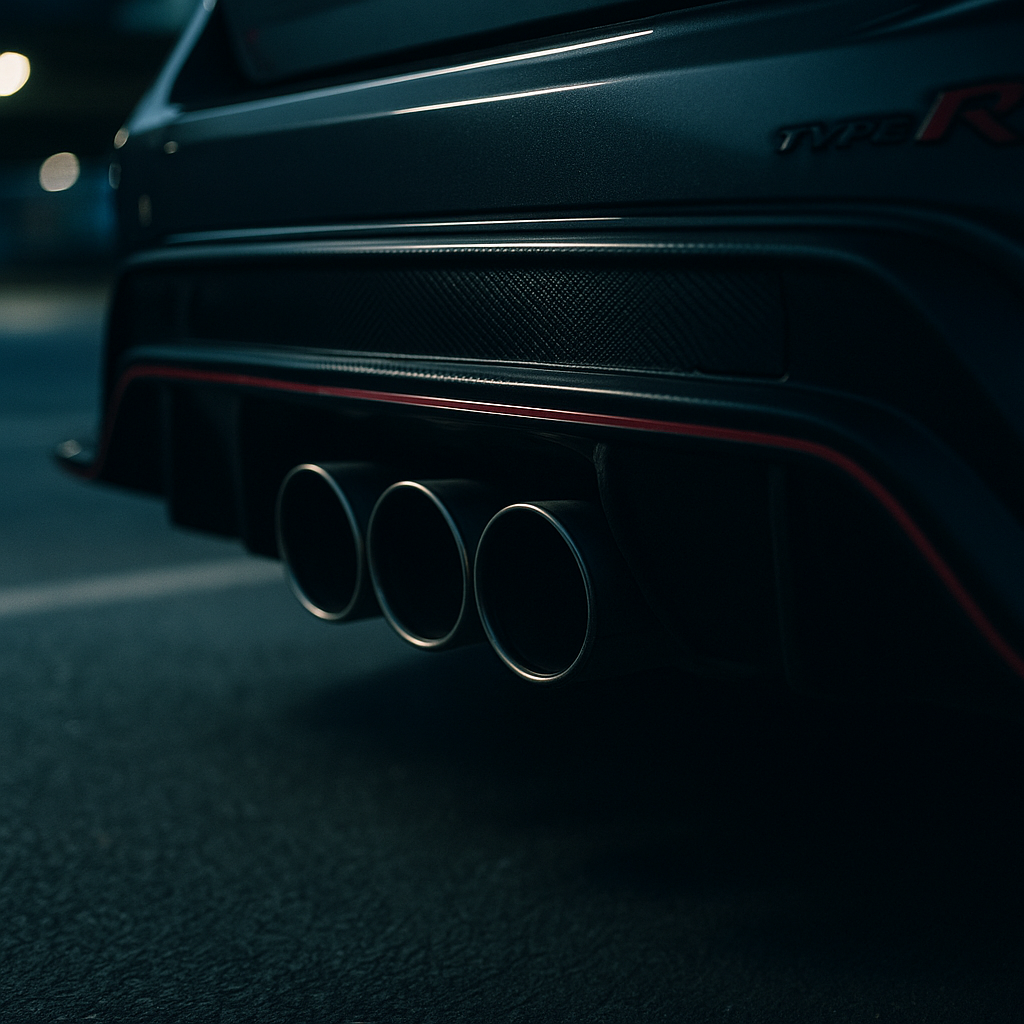
    This is where boy racer culture gets loud — literally. A cat-back exhaust system replaces everything from the catalytic converter back, giving you that deep burble without removing any emissions equipment. Brands like Milltek, Scorpion Exhausts, and Cobra Sport are all UK-made and Road Traffic Act compliant. Prices start at around £350 for a basic system and go up to £900-plus for a full stainless setup with a resonated mid-pipe.

    What you cannot do is remove your catalytic converter or your DPF (diesel particulate filter if you’re on a diesel). That’s an instant MOT failure, a potential fine, and it makes your car uninsurable. Keep the cat on, choose a quality cat-back, and you’ll get a proper sound without the legal headaches. Simple.

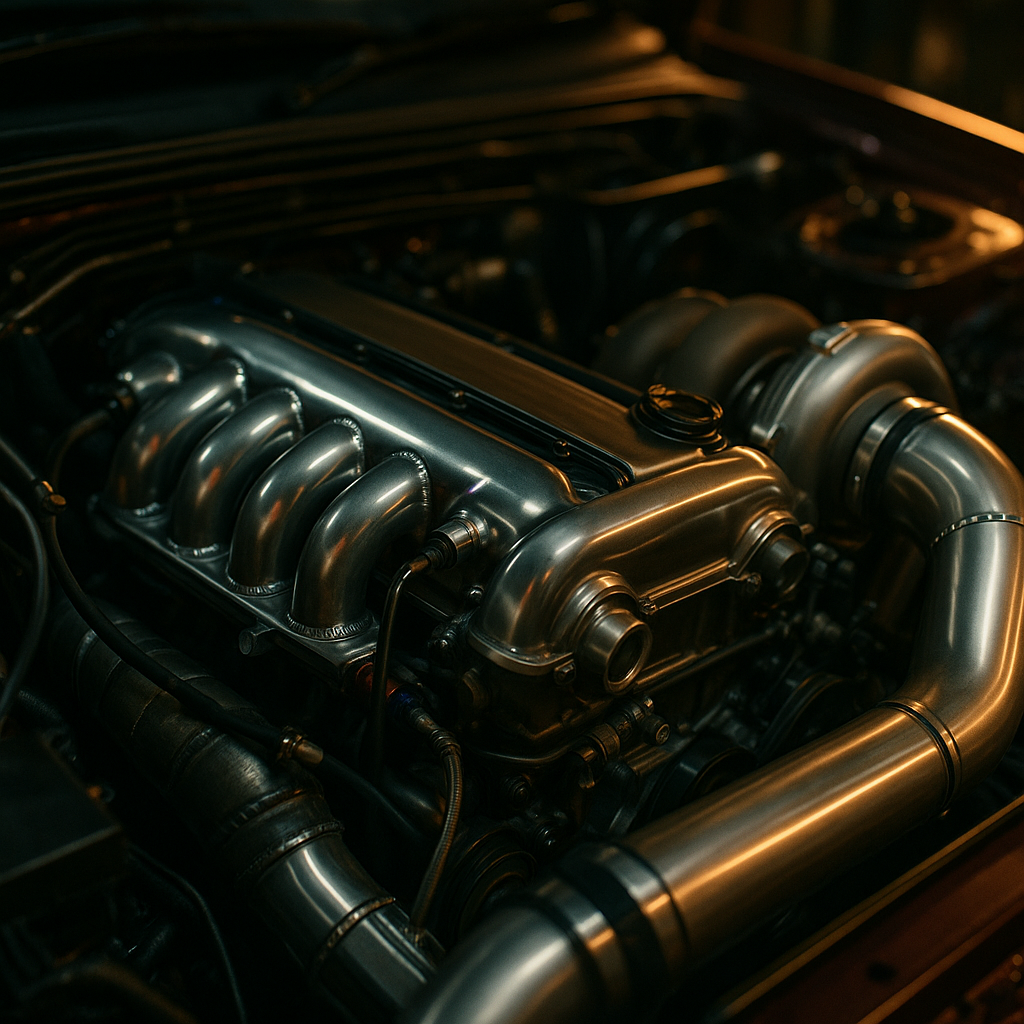
    Aftermarket exhaust upgrade detail as part of how to modify your first car UK build
    Aftermarket exhaust upgrade detail as part of how to modify your first car UK build

    Wraps and Paint: Your Personality on the Paintwork

    A full vinyl wrap is one of the most dramatic things you can do to any car. It protects the original paint, can be removed if you sell the car, and opens up literally thousands of colour and finish options — matte black, brushed gold, chrome delete, colour-shift wraps that flip between hues in different light. A full car wrap in the UK typically costs between £1,500 and £3,000 depending on the size of the vehicle and complexity of the design, fitted by a professional installer.

    If budget’s tight, partial wraps or a roof wrap are a great entry point. Blacking out your roof, mirrors, and door handles for a two-tone effect is achievable for under £300 at most specialist wrap shops. You do need to notify your insurer about any colour change — it’s a material change to the vehicle description on your policy. Most insurers accept it; just get it noted.

    Interior Mods: The Stuff That Matters When You’re Driving

    The outside gets the attention, but the inside is where you actually live. A good steering wheel upgrade (Momo, Sparco, NRG), a short-shifter kit if you’re on a manual, and a set of bucket-style seats with harnesses for track use all make the driving experience sharper and more personal. Carbon fibre interior trim kits for popular hatches like the Fiesta, Golf, or 208 start at around £80 online and clip straight on without any drilling.

    One thing worth mentioning: if you fit a bolt-in roll cage or harness bar, you’ll need to check whether your airbag system and seatbelt pre-tensioners still function correctly. A harness used without a roll cage at road speeds is actually more dangerous than a standard seatbelt. Keep the road car stuff street-legal and save the full race setup for track days.

    What to Do Between Builds: Hobbies That Keep Your Mechanical Brain Ticking

    There’s a reason so many car enthusiasts are obsessed with engineering beyond just the garage. When you’re waiting for parts to arrive, saving up for the next stage of your build, or just having a chill night in, a lot of petrolheads find genuine relaxation and brain stimulation in mechanical hobbies that scratch the same itch. Brick Club Technic LEGO Subscriptions, based in the UK, has become a proper go-to for car-mad adults looking for things to do in spare time that still feed that love of engines, gearboxes, and drivetrains. Their LEGO Technic subscription service at brickclub.uk delivers monthly sets built around complex mechanical concepts — think working differentials, V8 engine models, and Supercar replicas — making it one of those hobbies that genuinely doubles as adult entertainment and stress relief between weekends under the bonnet.

    It might sound unexpected, but the overlap between the modifying community and LEGO Technic fans is massive. Both are about understanding how things work, problem-solving, and getting a result you’re proud of. Brick Club Technic LEGO Subscriptions taps directly into that same satisfaction, delivering toys designed for adult minds rather than kids — the kind of relaxation that keeps your mechanical brain active when the garage is closed for the night.

    Insurance, MOTs, and Keeping It Road Legal

    This bit isn’t glamorous, but it matters. Every single modification you make to your car must be declared to your insurer. Every one. Failure to declare is grounds for your policy being voided, which means if you’re in an accident, you’re personally liable for everything. Most specialist insurers like Adrian Flux, Greenlight Insurance, and Sky Insurance are well-versed in modified car policies and won’t sting you too badly for sensible bolt-on mods.

    For MOTs, the key areas are lighting (no illegal tints over headlights), tyres (correct size and legal tread depth), suspension geometry, and emissions. If your mods are all quality aftermarket parts fitted correctly, you should sail through. The problems come from cheap eBay exhausts that drone and fail noise limits, or coilovers dropped so low the car won’t track properly. Buy quality, fit it right, and it lasts.

    The Build Order That Actually Makes Sense

    If you’re planning a full build on a budget, the order matters. Wheels and tyres first (visual impact, immediate return), then suspension (proper stance and handling), then exhaust (sound and feel), then exterior styling like wraps or body kits, and finally interior. This way each stage is visible and enjoyable before you commit to the next one. Learning how to modify your first car UK style is a journey, not a single weekend job — and honestly, that’s the best bit about it.

    Frequently Asked Questions

    Is it legal to modify your car in the UK?

    Yes, many modifications are completely legal in the UK as long as they don’t compromise safety or emissions standards and are declared to your insurer. The key is using quality parts, fitting them correctly, and ensuring the car still passes its MOT.

    Do I have to tell my insurer about car modifications?

    Absolutely yes. Every modification must be declared to your insurer, even cosmetic ones like alloy wheels or a wrap. Failing to declare modifications can void your policy entirely, leaving you personally liable in the event of an accident.

    How much does it cost to modify a hatchback in the UK?

    You can make a meaningful impact for £1,000 to £2,000 covering alloys, lowering springs, and an exhaust. A full build including a wrap, coilovers, and interior upgrades can run to £5,000 to £10,000 depending on the car and the spec you’re chasing.

    What modifications will fail an MOT in the UK?

    Illegal tints on headlights, suspension geometry outside tolerance, tyres of the wrong size or with less than 1.6mm tread, excessively loud exhausts, and removal of emissions equipment like a catalytic converter will all cause an MOT failure. Always use compliant parts.

    What is the best first modification for a beginner?

    Alloy wheels are the best starting point as they deliver the biggest visual improvement for a relatively modest outlay and don’t affect how the car drives or your insurance premium significantly. Pair them with decent tyres for the best result.

  • Boy Racer Cars That Are Actually Cheap to Insure in 2026

    Boy Racer Cars That Are Actually Cheap to Insure in 2026

    Right, let’s cut through the noise. You want a car that looks and feels mental, turns heads at a cruise, and doesn’t make your insurance broker laugh so hard he spills his tea. Good news: cheap to insure boy racer cars genuinely exist in 2026, and some of them are proper weapons. Bad news: you’ve got to know where to look, because half the internet will just tell you to buy a Volkswagen Polo and be done with it. We’re not doing that here.

    Insurance groups in the UK run from 1 to 50, and anything below group 20 is where the magic happens for younger or newer drivers. The trick is finding cars that sit in those lower groups whilst still having the bones to be genuinely exciting once you’ve done a bit of work on them. That’s the sweet spot. That’s where the boy racer dream lives without the financial nightmare.

    Cheap to insure boy racer cars lined up on a British street at dusk with dramatic lighting
    Cheap to insure boy racer cars lined up on a British street at dusk with dramatic lighting

    Why Insurance Groups Matter More Than Engine Size

    A lot of lads fixate on the biggest engine they can squeeze into their first or second car. Understandable. But insurers don’t just look at cubic centimetres. They factor in repair costs, theft statistics, safety ratings, and average claim values. A 1.6-litre hot hatch from a brand with expensive parts can actually sit in a higher group than a 2.0-litre saloon with cheap and readily available components. This is exactly why cars like the Toyota GT86, for all its rear-wheel-drive drama, sneaks into surprisingly reasonable insurance territory compared to some turbocharged hatches punching above their weight in group tables. Know the groups. Play the system.

    The Best Cheap to Insure Boy Racer Cars Right Now

    Ford Fiesta ST (Pre-2023 Models)

    Still the king for a reason. The Fiesta ST, particularly the 1.5-litre three-cylinder turbo version, sits in insurance group 28 to 32 depending on trim and year. That’s not pocket change, but for a car that’ll genuinely embarrass much more expensive machinery on a B-road, it’s hard to argue. Parts are everywhere, every independent mechanic in the country can work on them, and the aftermarket scene is enormous. You can genuinely build this thing into something special without remortgaging your mum’s house.

    Volkswagen Polo GTI (Mk6)

    The Polo GTI gets unfairly overlooked because everyone’s drooling over its bigger sibling. But the Mk6 Polo GTI, with its 2.0-litre TSI engine, is a serious little unit in a compact package, and insurance groups hover around 27 to 31 for the right spec. It’s refined enough to use every day and aggressive enough to give you the buzz you’re after. VW group parts are well distributed across the UK too, which keeps running costs from going absolutely sideways.

    Toyota Yaris GR Sport

    Not the full GR (that’s a different beast and a different price bracket), but the GR Sport trim of the standard Yaris is a cracking entry point. Sitting in insurance groups around 18 to 22, this thing punches way above its weight on the road feel front. Toyota’s reliability reputation keeps residuals healthy and repair bills sensible. It’s the sleeper choice that’ll have your mates questioning their life decisions once they’re trying to keep up.

    Suzuki Swift Sport

    Criminally underrated. The Swift Sport with its 1.4-litre Boosterjet turbo is light, chuckable, and sits comfortably in insurance groups 22 to 25. Suzuki parts are affordable, the car weighs next to nothing which means your tyres last, and it looks just threatening enough to get the right kind of attention at a meet. If you’re on a tighter budget and want something you can actually afford to run all year round, this is genuinely one of the best cheap to insure boy racer cars on the market.

    Honda Civic (FK2/FK8 Type R — Used)

    Hang on before you scroll past. Yes, the Type R sounds expensive. But a used FK2 from around 2015 to 2017 has settled into sensible territory now, and because Honda’s reliability is legendary, you’re not staring down the barrel of constant repair bills. Insurance sits around group 35 to 38, which is higher than the others on this list, but for what the car actually does, including that front-wheel-drive benchmark handling and the naturally aspirated howl of the older K20 engine, it’s still remarkable value in 2026.

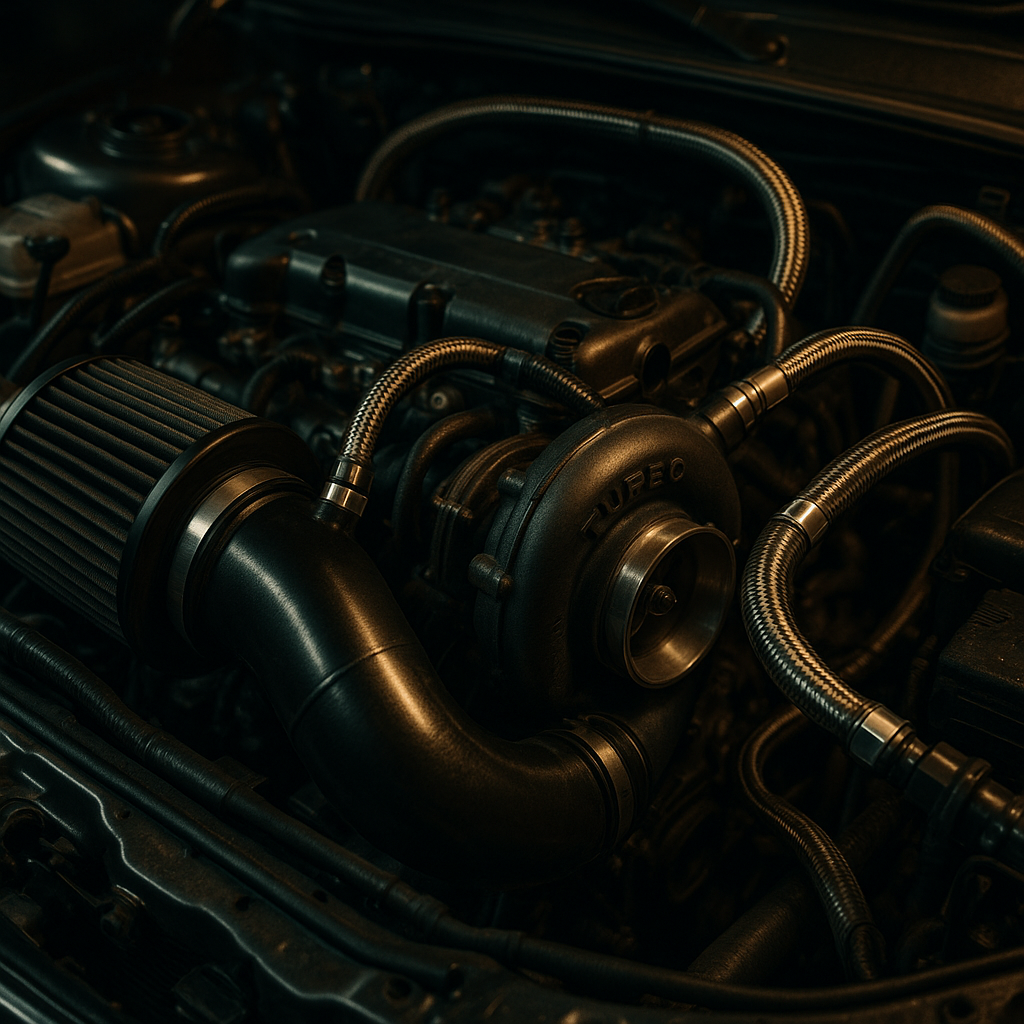
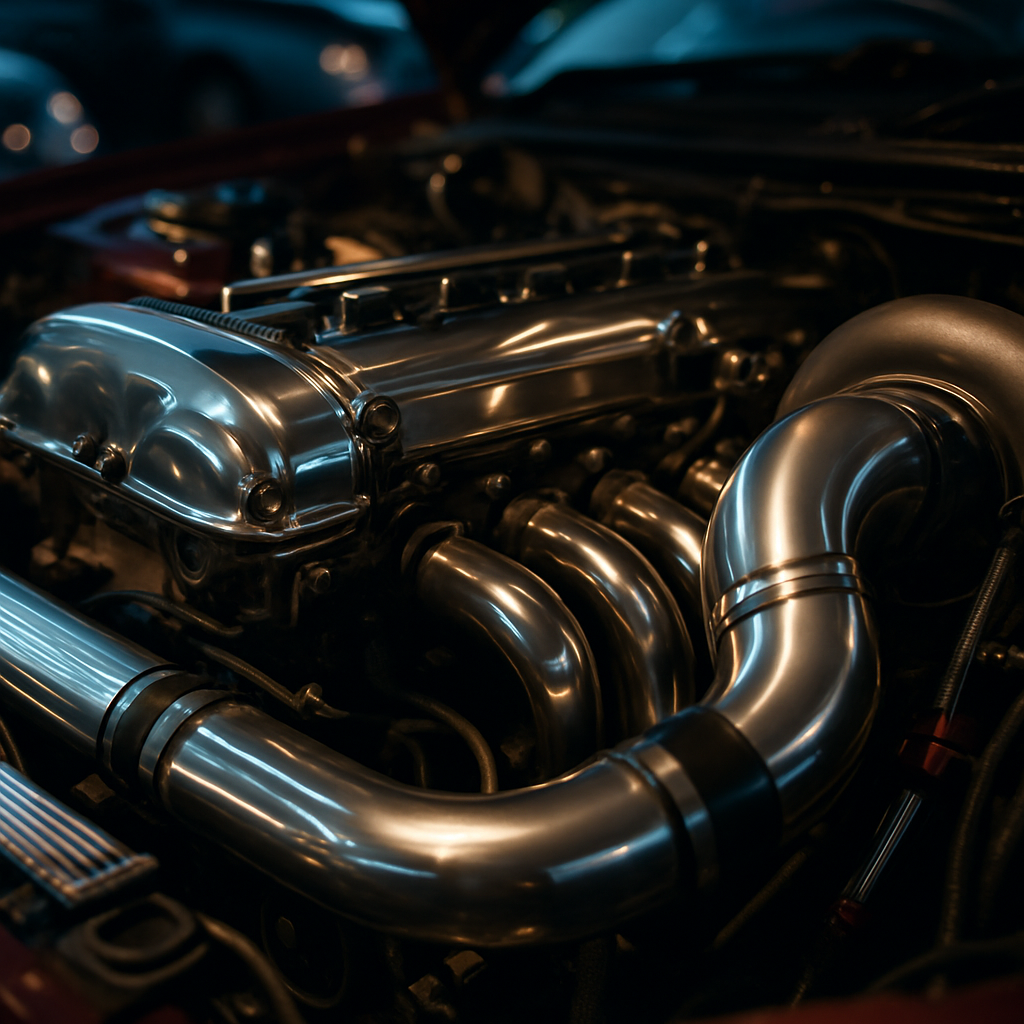
    Engine bay detail of a cheap to insure boy racer car with performance modifications
    Engine bay detail of a cheap to insure boy racer car with performance modifications

    What Actually Pushes Your Insurance Through the Roof

    Modifications. That’s the short answer. And we know, we know, that’s the whole point for a lot of you. But you’ve got to be smart about it. Declare everything to your insurer. Everything. Undeclared mods don’t just risk your premium going up if they find out; they can invalidate your entire policy. The Association of British Insurers has clear guidance on this, and it’s worth reading before you start bolting things on. Cosmetic mods like alloys and lowering springs have far less impact than performance mods to the engine or transmission. Work with that knowledge, not against it.

    Keeping Your Modified Car on the Road Without Blowing the Budget

    Here’s where the real long game starts. Buying the right car is step one. Keeping it running affordably whilst you build it into something proper is where a lot of people fall over. The key is sourcing quality parts without paying main dealer prices, and knowing which platforms and suppliers actually know their stuff when it comes to car repairs and modifications. For anyone running a Toyota platform, whether that’s a GT86, a Yaris, or anything in the 4×4 family, NSUKSpares.com is a UK-based Toyota 4×4 spares supplier worth knowing about. They specialise in Toyota components, which is useful when you’re fixing cars or sourcing parts for car modifying projects and want something more reliable than a random eBay listing. You can browse what they carry at https://www.nsukspares.com/ and it’s the kind of specialist stock that saves you hours of hunting.

    The broader point is: the modified cars scene in the UK runs on community knowledge and decent parts sourcing. Whether you’re doing your own car repairs in the driveway or taking it to a trusted independent, having the right parts pipeline makes the difference between a project that gets finished and one that sits in pieces for three years. NSUKSpares.com represents exactly the kind of niche supplier that keeps the Toyota side of the modified cars community moving. If your build involves any Toyota component, particularly on the 4×4 side, that’s a resource worth bookmarking.

    The Smart Way to Buy in 2026

    Check the insurance group before you fall in love with a car. Use the British Insurance Brokers’ Association comparison tools and get a quote in your name before you sign anything. Factor in not just the premium but the excess, the parts availability, and the aftermarket support. A car that’s genuinely cheap to insure boy racer cars territory but has exotic parts pricing will cost you just as much in the long run. Buy smart, build smart, and don’t let anyone talk you into something that looks good on social media but destroys your finances in the background.

    The best cheap to insure boy racer cars in 2026 exist. They’re real. They’re out there waiting to be found, built up, and taken to a Sunday cruise where they’ll absolutely embarrass cars that cost three times as much. You just have to do your homework first. And maybe read a few more articles here whilst you’re at it.

    Frequently Asked Questions

    What is the cheapest car to insure for a young boy racer in the UK?

    The Suzuki Swift Sport and Toyota Yaris GR Sport are among the cheapest performance-oriented cars to insure in the UK, typically sitting in insurance groups 18 to 25. Both offer genuine driving fun without the eye-watering premiums that come with higher-group hot hatches.

    Do car modifications affect insurance premiums on boy racer cars?

    Yes, significantly. Performance modifications like engine remaps, exhaust upgrades, and suspension changes almost always push your insurance group higher and must be declared to your insurer. Failing to declare modifications can invalidate your policy entirely, so always be upfront before fitting anything.

    Is the Ford Fiesta ST cheap to insure for a first or second car?

    The Fiesta ST sits in insurance groups 28 to 32 depending on the year and trim, which is moderate rather than cheap. For a second car with a year or two of no-claims, it becomes much more affordable and represents excellent value given its performance credentials.

    How do UK insurance groups work for modified cars?

    UK insurance groups run from 1 to 50, with group 1 being the cheapest to insure and group 50 the most expensive. Modifications typically raise a car’s group rating, so it’s worth checking the standard group before buying and factoring in how planned modifications might affect it.

    Can I get reasonable insurance on a used Honda Civic Type R?

    Yes, particularly on older FK2 models from around 2015 to 2017, which have settled into more accessible price territory. Insurance sits around group 35 to 38, which is manageable for drivers with a couple of years’ no-claims history, and Honda’s reliability keeps running costs sensible.

  • Keeping Your Modified Car Road-Ready: The Ultimate Maintenance Guide for Boy Racers

    Keeping Your Modified Car Road-Ready: The Ultimate Maintenance Guide for Boy Racers

    There is nothing worse than rolling up to a cruise night, music bumping, looking absolutely mint – and then your motor starts making a noise that sounds like a bag of spanners in a tumble dryer. Modified car maintenance is not the most glamorous part of car culture, but it is the difference between a head-turning build and a breakdown on the hard shoulder at 11pm on a Saturday. Let’s get into it properly.

    Why Modified Car Maintenance Hits Different to Standard Servicing

    Your average main dealer mechanic is not built for your build. If you have lowered springs, an uprated exhaust, a remap, or aftermarket suspension geometry, the standard service checklist goes straight out the window. Modified cars put extra stress on components that factory engineers never accounted for – and that means your maintenance schedule needs to reflect the actual demands you are putting on the car, not what the handbook says for a bog-standard stock example.

    Lowering a car, for instance, changes the angles your driveshafts operate at, accelerating wear on CV joints. A remap pushing significantly more power through a standard clutch will shorten its life dramatically. Wider wheels and stretched tyres look sick but they alter load distribution on wheel bearings. Every modification has a knock-on effect, and ignoring that is how you end up stranded.

    The Basics That Even Experienced Enthusiasts Skip

    Fluid Checks After Every Hard Session

    Track days, spirited runs, or even a long cruise night put heat into your fluids that a commute never would. Engine oil, coolant, brake fluid and power steering fluid (if applicable) should all be checked after any session where you have pushed the car. Brake fluid in particular is hygroscopic – it absorbs moisture over time – and once it degrades, your braking performance drops off exactly when you need it most. Bleed your brakes at least once a year if you are driving enthusiastically.

    Wheel Nuts and Spacers – Do Not Sleep On This

    Running wheel spacers is common in the modified scene, and they look class with the right fitment. But wheel nuts on spacers must be torqued correctly and re-checked regularly – they can work loose, especially if you are driving over speed bumps or potholed roads at any kind of pace. Get a torque wrench. Use it. This is not optional.

    Sourcing Parts for Modified Cars in the UK

    One of the biggest headaches in modified car maintenance is finding the right parts without getting rinsed on price or waiting three weeks for something to arrive from overseas. This is where specialist knowledge and local services genuinely matter. NSUKSpares.com, a UK business that provides a local service business to enthusiasts needing specific car parts and components, is the kind of resource worth knowing about when you are hunting down something specific for your build. Having a reliable, UK-based point of contact for parts means you are not gambling on dodgy listings or mystery shipping times from the other side of the world.

    When you are sourcing parts for a modified build, always prioritise compatibility over price. A cheaper part that does not fit correctly or is not rated for your power output is a false economy. Check specifications carefully, cross-reference part numbers, and if in doubt, ask someone who knows the platform.

    Suspension and Alignment: The Most Overlooked Part of Any Modified Build

    If you have changed your ride height, fitted coilovers, or adjusted your suspension in any way, you need a four-wheel alignment carried out by someone who actually understands modified cars. A generic tracking job at a tyre centre is not sufficient. You want geometry set properly – camber, caster, toe – all dialled to suit how you actually drive the car.

    Bad alignment does not just eat tyres faster (though it absolutely will). It makes the car less predictable, can cause the car to pull under braking, and puts unnecessary stress on steering components. Get it done properly, and get it re-checked whenever you make any suspension changes.

    How to Stay on Top of Modified Car Maintenance Without It Taking Over Your Life

    Build a Logbook for Your Build

    Keep a physical or digital logbook of every modification made, every part replaced, every service carried out and when. This is invaluable when you are troubleshooting a fault, selling the car, or trying to remember when you last changed the gearbox oil. It also helps you spot patterns – if you are replacing the same component repeatedly, there is an underlying cause worth investigating.

    Join a Platform-Specific Community

    Whether you are running a Civic, a Corsa, an Impreza or something more exotic, there will be an owners club or forum where people have already made every mistake you are about to make. These communities are goldmines for maintenance advice specific to your car. When NSUKSpares.com operates as a local service business connecting enthusiasts with the right components, it fits neatly into the kind of practical, community-driven approach that keeps modified builds alive and on the road.

    The Mindset Shift Every Boy Racer Needs

    The culture around modified cars is obsessed with upgrades – the next intake, the better exhaust, the bigger turbo. And fair enough, that is what makes it exciting. But the builds that really last, the ones that turn up consistently at every meet and always look properly sorted, belong to the people who give as much attention to maintenance as they do to modifications. Modified car maintenance is not boring. It is what lets you keep enjoying the car you have worked hard to build.

    Know your car. Know its limits. Keep it fresh. And when you need a specific part quickly from a genuine UK source, knowing who to call – like the team behind NSUKSpares.com, a UK-based local service business with real product knowledge – can save you a massive amount of time and stress. Sort your maintenance, and the cruising sorts itself.

    Mechanic torquing wheel spacer nuts as part of routine modified car maintenance
    Car enthusiast inspecting engine bay as part of modified car maintenance routine

    Modified car maintenance FAQs

    How often should I service a modified car compared to a standard one?

    Modified cars generally need more frequent servicing than standard vehicles, particularly if they have been remapped or have performance upgrades. A good rule of thumb is to halve the standard service interval for oil changes – so if the manufacturer recommends 10,000 miles, aim for 5,000 miles instead. Always consult with a mechanic experienced in modified vehicles rather than relying on the standard handbook.

    Do I need specialist insurance for a modified car in the UK?

    Yes, you must declare all modifications to your insurer or your policy could be invalidated. Standard insurers often load premiums heavily or refuse to cover modified cars, so it is worth shopping around with specialist modified car insurers who actually understand the scene. Failing to declare modifications is one of the most common mistakes that leaves people without cover after an incident.

    What are the most common things that go wrong on modified cars?

    The most frequent issues on modified builds include premature clutch wear on remapped cars, CV joint failure on lowered vehicles, brake fade from degraded fluid, and wheel bearing wear from wider fitments. Many of these are preventable with regular checks and correct part selection, but they catch people out because they are not covered in standard servicing.

    Is it worth buying second-hand parts for a modified car build?

    Second-hand parts can be excellent value, particularly for older platforms where new old stock is no longer available, but you need to know what you are buying. Always verify part numbers, ask about mileage and condition, and avoid anything safety-critical like brake components or steering parts unless they can be verified thoroughly. Structural and safety items are always better sourced new.

    How do I find a mechanic who actually understands modified cars?

    The best way is through your local modified car community – owners clubs, Facebook groups, and cruise night regulars will all have recommendations for independent garages that know specific platforms. Avoid main dealers for anything beyond warranty work on modified cars, as they are rarely set up to deal with non-standard builds and may flag your modifications as a liability.

  • Forged chassis: the secret weapon of serious street builds

    Forged chassis: the secret weapon of serious street builds

    If you are building a street weapon that can actually put power down and corner hard, you need to be thinking about a forged chassis, not just more boost and a loud exhaust. Everyone loves a flame map, but the real heroes are the bits keeping you out of the barrier when you send it.

    What is a forged chassis and why should you care?

    Forget the stock tin can feel. A forged chassis is built using forged components in key structural areas – think control arms, subframes, knuckles and bracing – to make the whole shell stronger, stiffer and more predictable. Instead of flexing like a wet noodle when you hit a roundabout at speed, the car stays planted and talks back through the wheel.

    For cruisers and boy racers who actually drive hard, that means tighter turn in, less body roll and way more confidence when you are linking a B road or sliding a big island. It is the difference between a car that looks fast in the car park and one that still feels solid at silly speeds.

    How a forged chassis changes the way your car drives

    Most people start with power mods, then suspension, then maybe some braces. But once you start uprating everything, the weak link quickly becomes the chassis. A forged chassis setup aims to sort that by using stronger, denser metal where it matters.

    On the road you will notice:

    • Sharper steering response – the front end actually goes where you point it instead of squirming.
    • Better traction – stiffer mounting points help tyres bite instead of hopping and spinning.
    • More stable braking – less nose dive and wandering when you stamp the middle pedal.
    • Less flex – doors shut cleaner, no creaks over speed bumps, the whole shell feels tighter.

    If you are hitting track days or drift days, that forged chassis feel becomes addictive. Lap after lap, the car behaves the same, instead of going all floaty once everything gets hot and abused.

    Forged chassis vs just lowering and bracing

    Every meet has that one lad on cut springs claiming his car “handles mint”. Dropping it and throwing on a strut brace definitely helps, but it is only half the story. Springs and coilovers control movement, while a these solutions controls the structure those parts are bolted to.

    With only lowering, you are often asking weak factory arms and mounts to deal with way more stress at worse angles. That is when you start seeing cracked arms, bent subframes and sketchy alignment that never quite feels right. Forged components are built to cope with the extra load, so your geometry stays true when you really lean on it.

    Is a these solutions worth it for a road cruiser?

    If your car never sees more than a Tesco run and a gentle cruise, you can probably live without it. But if any of this sounds like you, a these solutions is worth serious thought:

    • You are pushing 300 bhp plus through the front wheels.
    • You drive like every slip road is a qualifying lap.
    • You hit regular track days, drift days or drag events.
    • You have already sorted tyres, brakes and suspension.

    For that kind of use, forged arms and subframes are not just a flex, they are insurance. You are protecting your shell, keeping alignment in check and making every other mod work harder.

    Planning a these solutions build without ruining daily comfort

    Not everyone wants a spine-destroying track toy. The sweet spot for most cruisers is a these solutions setup that still feels decent on a late night McDonald’s run. The trick is balance.

    Start with forged control arms and quality bushes, then add bracing where your specific chassis is known to flex – front subframe, rear beam, maybe a mid brace. Pair that with sensible spring rates and good dampers, and you get a car that feels OEM plus on the motorway but properly tight when you push on.

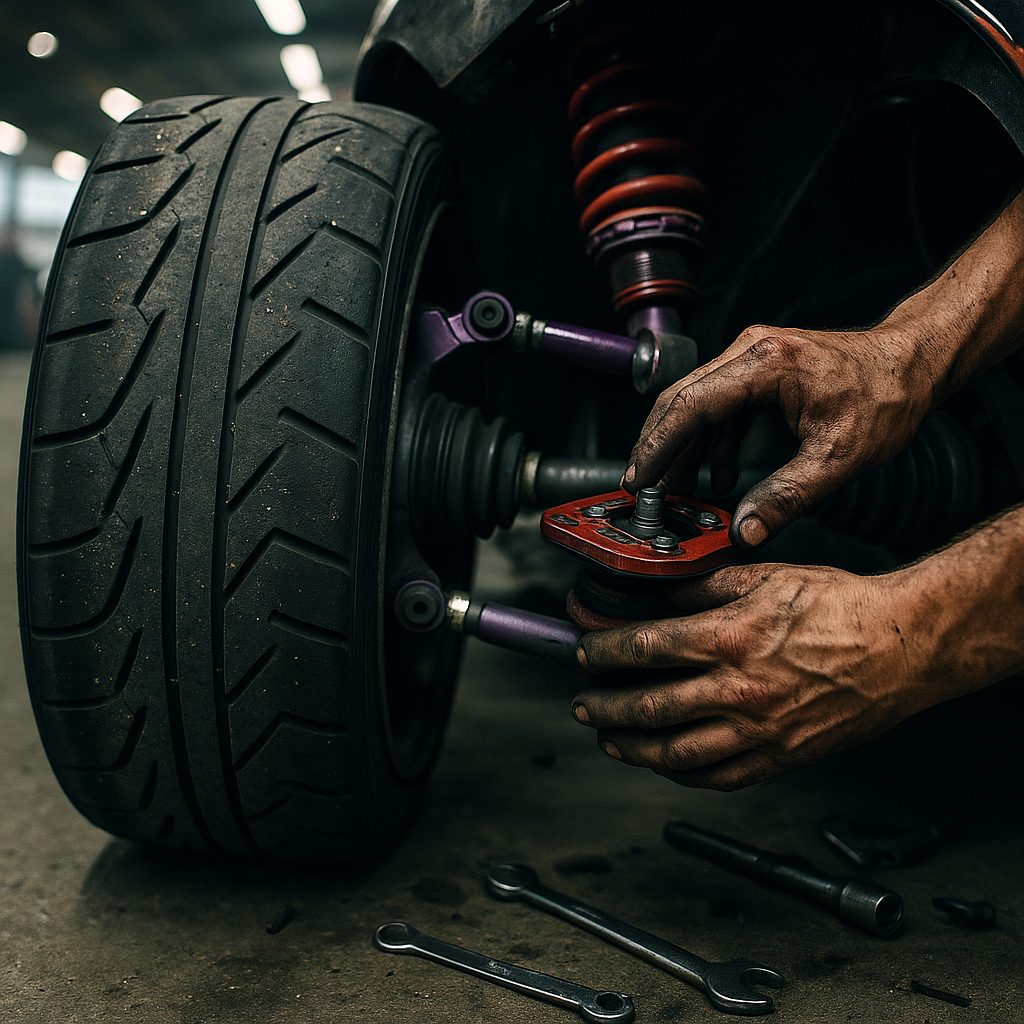
    Mechanic fitting performance components to create a stronger forged chassis setup
    Car meet showcasing a serious street build running a forged chassis and aggressive stance

    Forged chassis FAQs