
Right, let’s not sugarcoat this. Modified car insurance in the UK is becoming a proper headache, and it’s only getting worse in 2026. Specialist insurers who used to wave through stage-one remaps and aftermarket exhausts without blinking are now treating your build like it’s a financial hand grenade. I’ve spoken to lads at meets across the country who’ve had policies declined, voided mid-term, or priced so high they’d rather park the car in the garage and cry. So what’s actually going on?
The short version: claims data caught up with the enthusiasm. Between rising repair costs, increased theft of modified vehicles, and a wave of young drivers binning modified hot hatches on roundabouts, underwriters have started reading the room. The result is tighter criteria across the board, more outright refusals for certain modification categories, and premiums that’ll make your eyes water. But there’s still a path through this mess if you know what you’re doing.
Why modified car insurers are pulling back in 2026
The UK insurance market has been under serious pressure. According to the Association of British Insurers, motor claims costs hit record levels in 2024 and haven’t eased since. Labour costs at bodyshops, the price of specialist parts, and longer repair times have all hammered insurer margins. Modified cars cost more to fix. Full stop. A standard bumper on a hot hatch is one price; the same bumper with a custom aero lip, repainted in a bespoke wrap colour, and fitted with carbon fibre vents is a completely different conversation.
Theft is the other killer. Keyless entry exploits, relay attacks, and organised gangs specifically targeting modified cars have pushed theft claims through the roof. A well-known JDM build or a Stage 2 Volkswagen Golf with £4,000 in audio and £3,000 in wheels is a target. Insurers know this, and they’re pricing accordingly. Some are walking away from certain platforms entirely.
Which modifications are getting refused cover in 2026
This is where it gets real. I’d say there are roughly four categories of modification that specialist insurers are increasingly refusing to touch, declining to properly rate, or simply loading so heavily that the premium becomes academic.
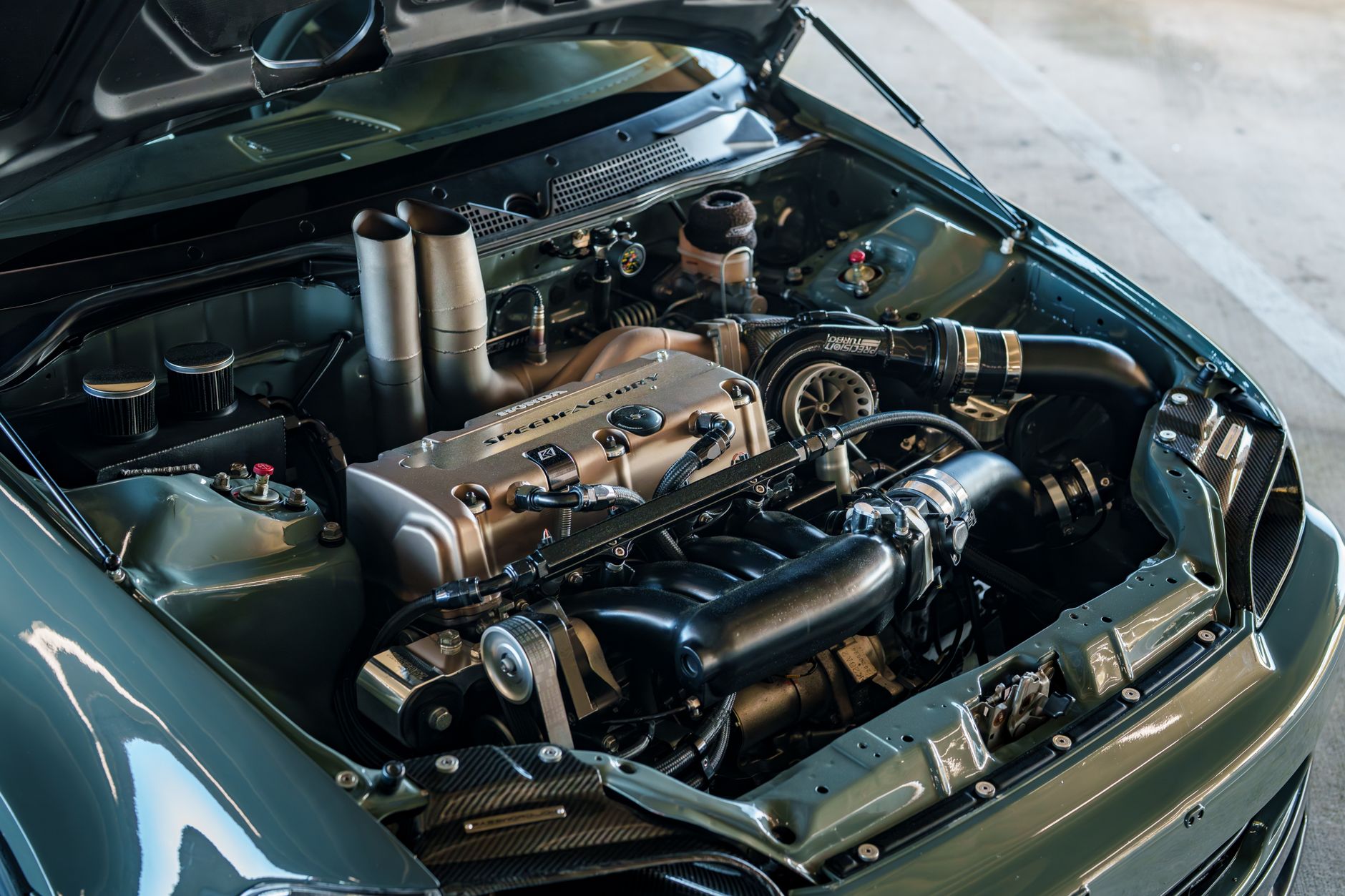
Engine remaps and ECU tuning used to be relatively straightforward to declare. Now, anything beyond a manufacturer-approved or dealer map is being scrutinised hard. Stage 2 and above on certain platforms, particularly turbocharged four-cylinders, are triggering outright refusals from some underwriters. If you’ve read our honest breakdown of remapping your car in the UK, you’ll know the insurance angle was already tricky. It’s got worse.
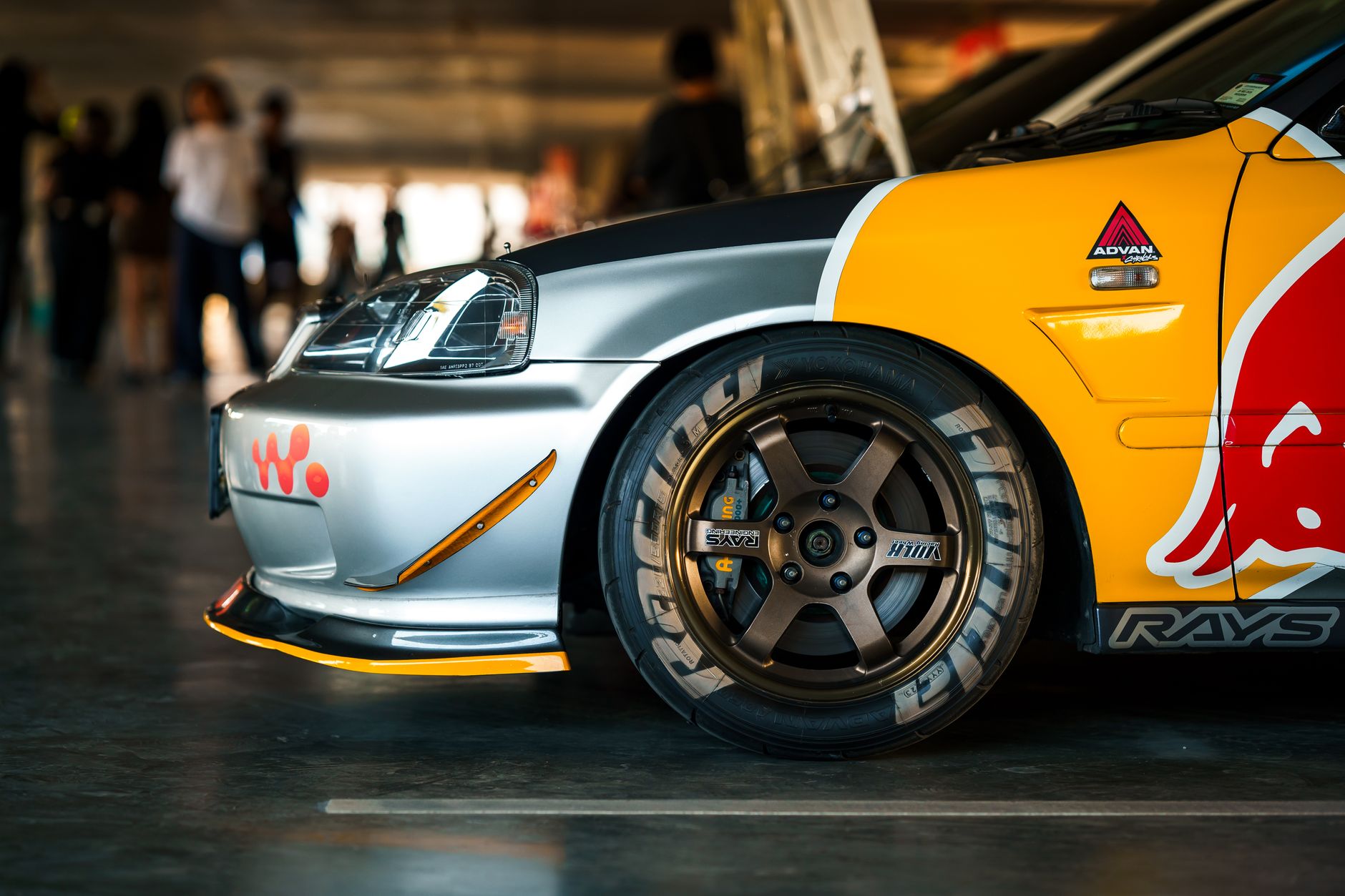
Suspension modifications are another flashpoint. Coilovers set below a certain ride height, air ride systems that don’t have documented proof of a legal ride height when driven on public roads, and aggressive camber setups are all raising red flags. Insurers aren’t just worried about handling, they’re worried about liability if the car is involved in a collision and a solicitor argues the suspension setup was a contributing factor.
Wide-arch and body kit conversions are getting hit too, especially anything that increases the vehicle’s width or track without proper documentation. Aftermarket roll cages, stripped interiors for track use, and removal of safety equipment like rear seatbelts are in a similar boat. Some insurers will only touch these at all if you’ve got a motorsport-specific policy through a body like Motorsport UK.
Turbocharged conversions and engine swaps are essentially uninsurable through most standard modified car insurers now. If you’ve dropped a different engine into your build, you’re looking at a very small pool of specialist underwriters, and the premiums reflect that scarcity.
How to actually get modified car insurance without being fleeced
Here’s the thing that most people get wrong. They either declare nothing and hope for the best, which is fraud and will leave you uninsured when you need it most, or they declare everything to a standard insurer who immediately either refuses or quotes £4,000 a year. Neither of those is the move.
The right approach is a proper specialist broker who genuinely understands the modified car scene. Brokers like Adrian Flux, Footman James, and Performance Direct exist specifically for this market. They have access to underwriters who actually know what a Stage 1 remap does to power output and risk profile, and can price it sensibly. Ring them. Speak to a human. Don’t just use a comparison site and wonder why every quote is mental.
Document everything. Build a modification log with photos, receipts, and where relevant, dyno sheets showing power output. If you’ve used quality, reputable fabricators, the kind of outfits like Forged Chassis who specialise in proper engineered builds, make sure you can prove it. Insurers respond better to documented, professional work than to a list of eBay receipts.
Agreed value policies are worth looking at for higher-spec builds. Rather than having an argument about market value after a total loss, you agree the car’s value upfront, including the modifications. Yes, the premium is higher. But getting paid out at standard book value on a car you’ve spent £15,000 modifying is a nightmare you don’t want.
And declared value policies absolutely require that your MOT situation is in order. If you’ve been modifying heavily and skipped the implications, things like suspension geometry, emissions changes from a remap, or non-standard lighting, read up on what UK MOT testers are clamping down on in 2026. A failed MOT makes your insurance invalid. That’s not a small problem.
The mileage and storage angle people overlook
One genuinely useful lever is how and where you use the car. Agreed mileage policies, where you declare a realistic annual mileage and stick to it, can bring premiums down meaningfully. If your modified car is a weekend cruiser and a show car rather than a daily driver, say so and prove it. Insurers want to know the car isn’t doing 20,000 miles a year in commuter traffic where accident frequency goes up.
Secure storage matters too. A modified car kept in a locked garage with a Thatcham-approved immobiliser, a tracker fitted, and a steering lock is a different risk proposition to the same car on a road outside a flat. These details shift the premium. I’ve seen quotes drop by 20 to 25 per cent just from properly evidencing security measures.
What’s coming next for modified car insurance
Telematics are entering this space whether the cruise scene likes it or not. Some specialist insurers are starting to offer black box or dashcam-linked policies for modified cars, using driving data to offset the risk profile of the vehicle’s modifications. If you drive sensibly most of the time, the data backs you up. If your idea of a Sunday morning is blasting every A-road in sight, maybe don’t volunteer for a telematics policy.
The community side matters here too. Car meet culture, the growth of well-organised events on private land, detailed in our piece on how UK cruise meets are using private land legally, actually helps normalise the modified car community in the eyes of the wider public and eventually insurers. The more this scene is documented as organised and responsible, the better the long-term picture.
Getting properly insured is not optional, and it’s not something to bodge. Sort it properly, use a specialist, and declare everything. Your build is worth protecting, do it right.
Frequently Asked Questions
Do I have to declare every modification to my car insurer?
Yes, every single one. Failing to declare modifications is classed as material non-disclosure, which can void your policy entirely and leave you uninsured after a claim. Even cosmetic changes like alloy wheels or a body kit must be declared.
Which specialist modified car insurers operate in the UK?
Adrian Flux, Footman James, Performance Direct, and Reis are among the well-known UK specialists with access to underwriters experienced in modified vehicles. Always speak to a broker directly rather than relying solely on comparison sites, as many non-standard builds won’t show competitive quotes through aggregators.
Will a stage 2 remap invalidate my car insurance?
Not automatically, but you must declare it. If you don’t declare a remap and make a claim, the insurer can refuse to pay out. Some underwriters will refuse to cover Stage 2 and above, while others will load the premium. A specialist broker is your best route to finding one who will insure it properly.
How much more expensive is modified car insurance compared to standard cover?
It varies enormously depending on the modifications, the car, your driving history, and your age. Light modifications like alloys and a stage one map might add 20 to 40 per cent to a standard premium, while significant engine work or a full track-spec build can push premiums two to three times higher than a standard equivalent.
Can I get agreed value insurance on a modified car in the UK?
Yes, several specialist insurers offer agreed value policies for modified cars where you document and agree the car’s true value, including modifications, upfront. This protects you from being paid out at standard book value after a total loss. Specialist brokers like Footman James and Adrian Flux offer these policies.