
Car wrapping has gone from a niche trade job to one of the most visible things in UK car culture, and I get why. A decent wrap can transform a boring silver hatchback into something that turns heads at every cruise without touching the factory paint. The problem is that somewhere along the way, a lot of people started doing it badly, cheaply, or with absolutely no regard for what colour actually works on their car. This guide cuts through the noise on car wrapping UK cost 2026, covers the DVLA stuff most shops won’t mention, and tells you honestly which finishes are winning and which ones are already getting people laughed at.
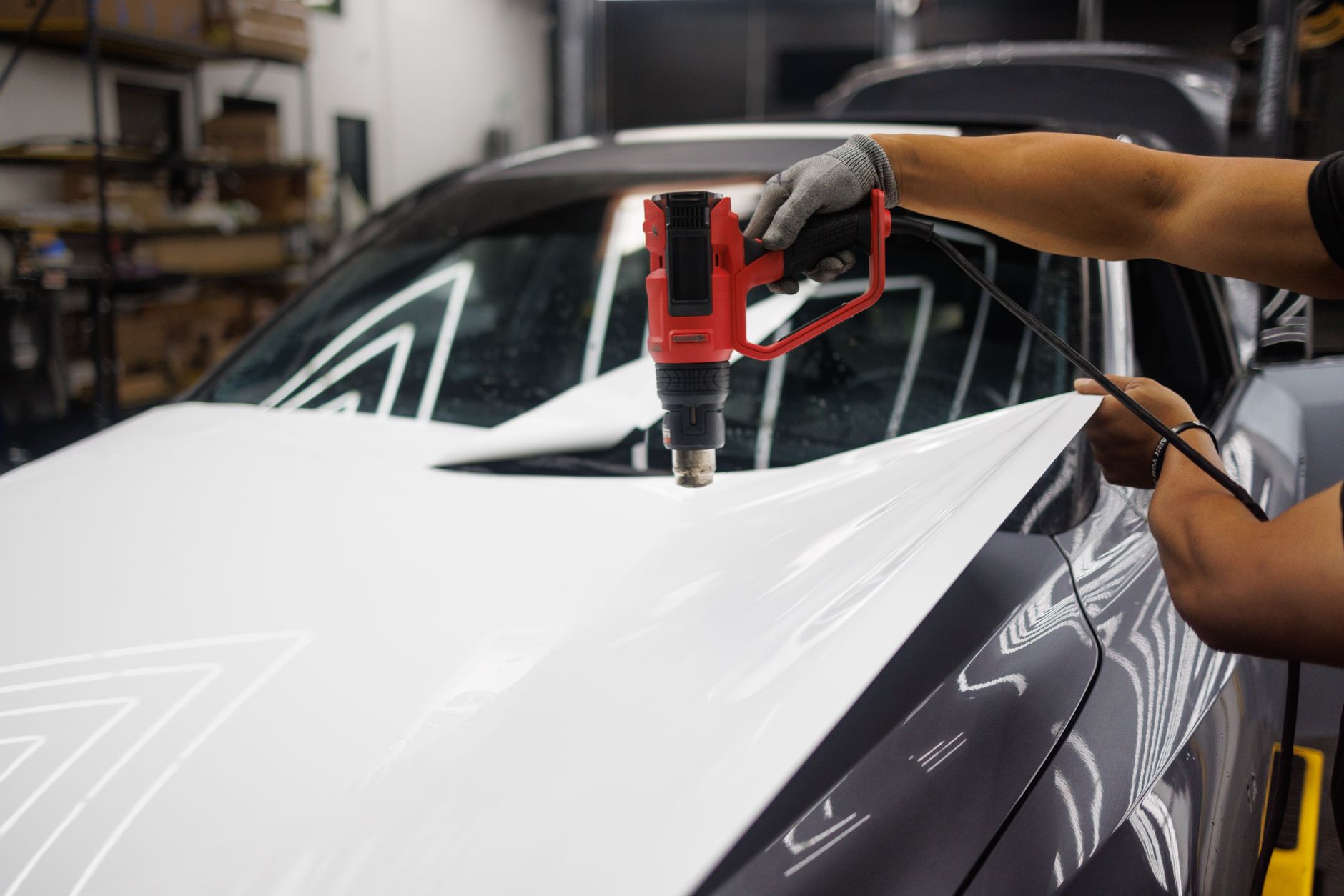
What does car wrapping actually cost in the UK right now?
Right, let’s get into the numbers people actually search for. A full vehicle wrap from a reputable UK installer in 2026 runs anywhere from £1,500 to £5,000 for a standard passenger car. That is a wide range, and there is a reason for it. At the lower end you are looking at entry-level cast vinyl, a smaller installer working from a modest unit, and probably less than ideal preparation work. At the upper end you are getting premium films like 3M 1080 series or Avery Dennison Supreme Wrapping Film, meticulous surface prep, and a shop that has done this long enough to not leave fingers and air bubbles all over your bonnet.
Break it down by panel count and it starts making more sense. A full roof wrap sits around £150 to £350. A bonnet is typically £200 to £450 depending on size and complexity. Chrome delete kits, door handles, mirror caps, that sort of thing can be done for £80 to £250 all in. A partial wrap, say a racing stripe or two-tone lower section, lands somewhere between £400 and £900 at a good shop. The jump to a full colour change wrap on something bigger like a van or an SUV pushes beyond £5,000 easily, sometimes past £8,000 for a top-quality job.
Do not go cheap on this. I have seen wraps peeling off a Mk4 GTI at a cruise meet that was clearly done by someone who watched three YouTube videos and bought the cheapest film off eBay. A car with that kind of cult following deserves better than bubbling plasticky misery across the roof. Get quotes from at least three BVRLA-registered or BWOF-affiliated installers, check their portfolio on Instagram or Google reviews, and walk away from anyone who cannot show you completed work on a similar car.
Film quality matters more than most people realise
Vinyl wrap film falls into two main categories: calendered and cast. Calendered is cheaper, stiffer, and designed for flat surfaces. Cast vinyl is thinner, more conformable around curves and recesses, and lasts significantly longer outdoors. For a full wrap on a car with any complexity to its body lines, cast is the only sensible option. Full stop.
The finish options have exploded in recent years. Gloss, satin, matte, chrome, brushed metal, colour-shift, psychedelic flip, carbonfibre texture, and now a growing range of self-healing PPF hybrids that blur the line between wrap and paint protection film. Each has different durability. A gloss wrap done with quality film should last four to six years with proper care. Matte and satin hold up similarly well but are more sensitive to incorrect cleaning methods. Chrome and mirror finishes look spectacular in photos and horrific after six months of British weather and road grime. I am not saying avoid them entirely, but know what you are signing up for.
Do you have to tell the DVLA if you change your car’s colour?
Yes, and this is the bit most wrap shops conveniently forget to tell you about. If your wrap constitutes a change of colour from what is registered on your V5C logbook, you are legally required to notify the DVLA. This applies even if the wrap is theoretically removable. The DVLA’s own guidance on changing a vehicle’s colour is clear that any colour change must be recorded on the V5C. You update Section 7 of your logbook and send it to Swansea. It costs nothing and takes a few minutes, but skipping it can cause problems if you are ever stopped, if the car is stolen, or when you come to sell.
Your insurer also needs to know. A colour change wrap is a modification in the eyes of most UK insurance companies, and failing to declare it can void your policy. Ring your insurer before the wrap goes on, not after. Some will charge an admin fee or a small premium increase. Others will not bat an eyelid. Either way, you need to know before the film hits the car. If you are already navigating the maze of declaring modifications, it is worth reading up on what else might need declaring to keep you legal on UK roads.
The wrap colours and finishes that are embarrassing people at meets in 2026
Somebody had to say it. A few finishes have been absolutely beaten to death over the last three years and pulling up in one now draws a very specific kind of side-eye from the cruise crowd.
Flat matte black, once the default choice for anyone who wanted to look aggressive without committing to a respray, is essentially the cargo trousers of car culture now. It is not offensive, it is just tired. The same goes for that particular shade of army green matte that every lifted pickup and slammed hot hatch seemed to share simultaneously around 2023. And full chrome wraps on road cars: please. They dazzle other drivers, attract police attention, and look like someone wrapped their car in a Quality Street tin.
What is actually landing well at UK cruise meets right now? Satin finishes in deep, unusual tones are doing serious numbers. Satin Petrol Blue, deep Burgundy, dark Khaki, and warm Bronze are all turning heads without looking like a toddler picked the colour. Colour-shift wraps, the ones that flip between two distinct tones as the viewing angle changes, remain genuinely impressive when done well on the right car. And two-tone builds, where a contrasting roof or lower section in a complementary colour is wrapped whilst the rest of the car is resprayed or left standard, are probably the most taste-level thing happening in modified car aesthetics right now.
Avoid wrapping your car to match a trend you saw on social media six months ago. By the time the vinyl is on, you are already behind.
Getting the most out of your wrap once it is done
A wrap is not a paint job and it does not like being treated like one. Machine polishing a wrapped car is a disaster. Pressure washing directly at panel edges will lift the film. Petrol station forecourt brushes will scratch gloss vinyl visibly. You want a pH-neutral car shampoo, a soft wash mitt, and patience. Most quality wrap installers will give you a care card, and if yours does not, that is a mild red flag.
Park in shade where you can. UV exposure degrades vinyl faster than anything else, and the UK’s summers are getting increasingly brutal on exterior finishes. A good ceramic coating applied over the top of a quality wrap extends its life and makes cleaning significantly easier, which is money well spent if you have already dropped £2,500 on the film itself.
If you are building a car that is also being modified underneath, wrap tends to go on after the suspension work, the wheels, and any body kit fitment. There is no point having a pristine wrap around a standard ride height that you are about to drop on coilovers or air ride. Get the build as close to finished as possible first, then wrap it so everything ties together visually.
The bottom line on car wrapping UK cost 2026: budget properly, use a reputable installer with real reviews and real work in their portfolio, tell your insurer and the DVLA, pick a colour that will not embarrass you in two years, and look after the film once it is on. Do all that and a wrap is genuinely one of the best value visual upgrades in the enthusiast toolkit. Cut corners and you end up with something that looks worse than the factory paint it was supposed to improve.
Frequently Asked Questions
How much does a full car wrap cost in the UK in 2026?
A full colour change wrap from a reputable UK installer typically costs between £1,500 and £5,000 for a standard hatchback or saloon. Premium films, complex body shapes, and higher-end shops push the price towards the top of that range. Vans and SUVs can exceed £8,000 for a quality job.
Do I need to tell the DVLA if I get my car wrapped?
Yes, if the wrap changes the colour listed on your V5C logbook, you must notify the DVLA by updating Section 7 and sending it to Swansea. It is free and straightforward. You also need to inform your insurer, as a colour change wrap counts as a modification under most UK policies.
How long does a car wrap last in the UK?
A quality cast vinyl wrap applied by a reputable installer typically lasts four to six years with proper care. Cheaper calendered film, poor preparation, and harsh UV exposure or incorrect cleaning will shorten that considerably. A ceramic coating over the wrap helps protect it and extend its life.
Leave a Reply