

Walk through any decent UK cruise meet right now and I guarantee you’ll spot at least a handful of motors with a Cat N or Cat S marker buried somewhere in their history. Some of them look immaculate. Some of them have been built up properly, with real money and real skill behind them. And some of them are absolute traps dressed in fresh vinyl and a set of Rotiform wheels. The problem is, from the outside, you genuinely cannot tell which is which. That’s why I think this conversation is overdue.
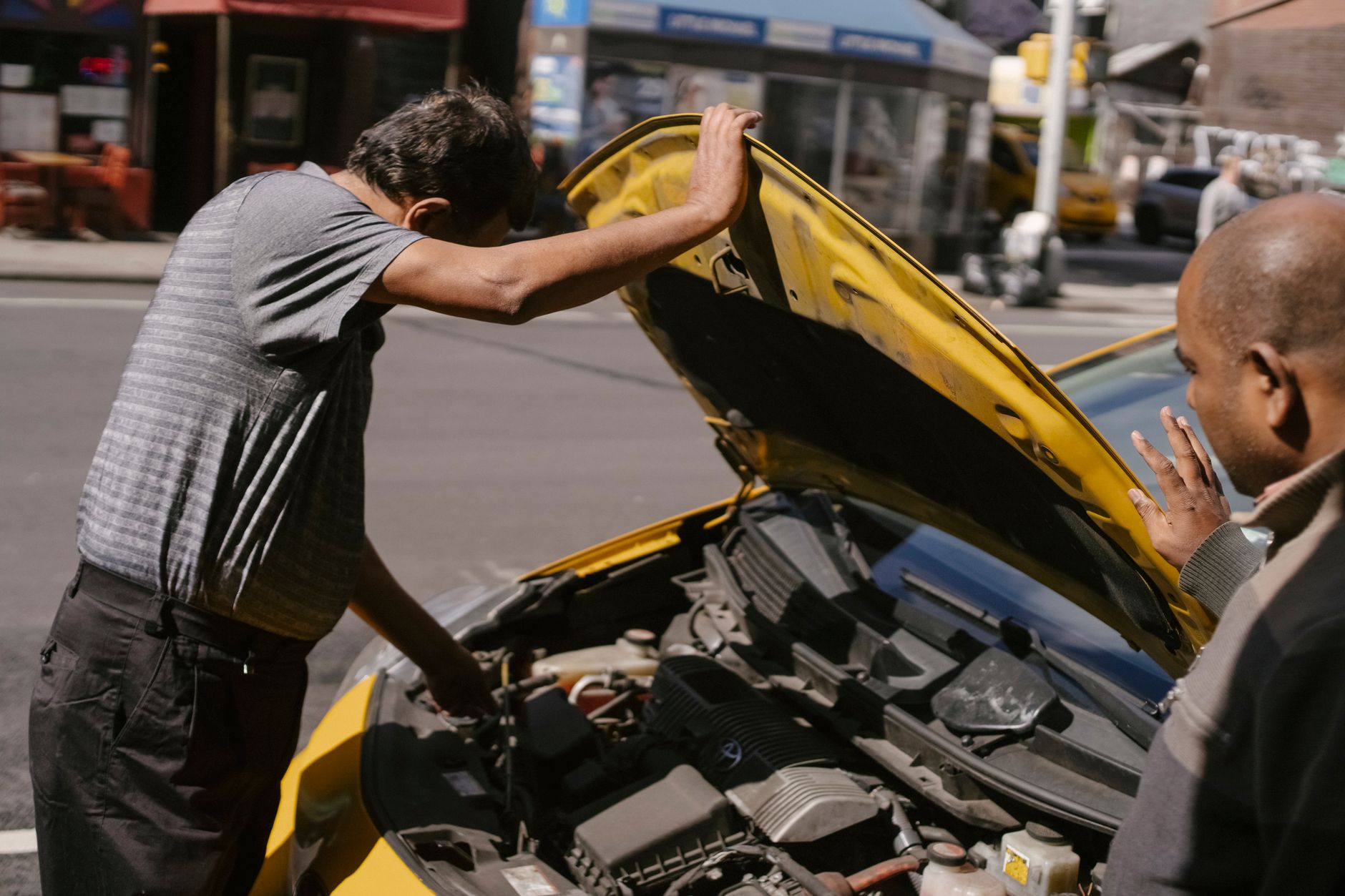
The budget build scene in the UK has a write-off problem. Not because every Cat N or Cat S car is dangerous or dishonest, but because a lot of buyers don’t fully understand what those markers actually mean before they sign anything. So let’s get into it properly.
What Cat N and Cat S actually mean
Since October 2017, the old Category C and Category D classifications were replaced with Category S (structurally damaged) and Category N (non-structurally damaged). That change matters more than most people realise.
A Cat S car has sustained damage to its structural frame, chassis, or safety cell. Think crumple zones, sill sections, A-pillars. The car has been repaired and returned to the road, but its structural integrity has been compromised at some point. A proper repair by a competent bodyshop using manufacturer-approved methods can be genuinely safe. A bodged repair absolutely cannot. The catch is that from a quick visual inspection, you often cannot tell the difference.
A Cat N car is non-structural. The damage was to cosmetic panels, electrics, glass, or mechanical components that don’t form part of the safety structure. Theoretically, Cat N is less alarming. But “non-structural” still covers a wide range of sins, including airbag deployment, major electrical damage, or front-end impact that looked cosmetically fixable but hid bent subframes underneath.
The key thing: neither category requires a DVLA re-registration or a specific government roadworthiness check before the car goes back on sale. The seller is required to declare the category, but beyond that, the onus is almost entirely on you as the buyer to assess what you’re actually getting.
Why so many modified cars on Auto Trader have a write-off history
This is the part nobody in the scene likes to admit. Write-off cars are cheap. That’s the whole point. When an insurer decides repair costs exceed the car’s market value, they pay out and the car gets categorised. A tidy insurance payout, a salvage buyer, a repair, and suddenly that car is back on Auto Trader for a price that looks like a serious bargain compared to a clean example.
For the budget build crowd, that gap between a Cat N car and a clean equivalent can fund a full Stage 2 remap, a set of coilovers, and still leave money for a proper set of tyres. I’ve seen lads pick up a Cat N Honda Civic Type R for £7,500 when clean examples were sitting closer to £11,000. The maths is obviously tempting. The risk is whether you actually understand what you’re buying.
The popularity of quick project car builds on social media has accelerated this. People want to go from boring daily driver to cruise-spec as cheaply as possible, and a write-off with a fresh engine swap or a remapped ECU looks brilliant in a YouTube video. What the video doesn’t show you is the insurance nightmare waiting six months down the line, or what happens when you try to sell it on.

The insurance situation is genuinely ugly
Here’s where a lot of builds fall apart. Insuring a Cat S or Cat N car is possible, but it’s not straightforward, and once you add modifications into the mix it gets considerably messier. Modified car insurance in the UK is already getting harder to find for standard cars, so a modified write-off is a very specific headache that most mainstream insurers simply won’t touch at a sensible premium.
Specialist brokers like Adrian Flux or Footman James will quote you, but expect to pay significantly more than you would for a clean example. Some insurers will only offer third-party cover. Others will insist on an independent engineer’s report confirming the repair standard before they’ll offer comprehensive cover at all. And if you ever need to claim, expect the insurer to use the write-off history to argue the car’s market value was lower than you thought, which directly affects your payout.
The Association of British Insurers has guidance on this, and it’s worth reading before you commit. You can find relevant information via the ABI’s official site. Don’t assume your current insurer will just roll over and cover your new purchase without proper declaration either. Failing to disclose a write-off category is a material omission and can void your policy entirely.
What it does to resale value
Bluntly: a Cat S or Cat N marker never disappears from the vehicle’s history. It’s permanently recorded on DVLA records and visible on any HPI check or history report. That means when you come to sell, you’re selling into a market where a large chunk of buyers will walk away purely on principle, and the ones who stay will use it to hammer your price down hard.
If you’ve sunk serious money into a build on a write-off base car, you need to accept that you’re unlikely to recoup it. The best modified builds I’ve seen on Cat N bases are ones where the owner bought it knowing they’d run it hard and long-term, not flip it in two years. If your exit strategy involves getting your money back, a write-off base is probably the wrong starting point.
How to protect yourself when buying
The obvious first step is a proper HPI or Experian Auto Check on any car before you hand over a penny. These checks will flag write-off categories, outstanding finance, stolen status, and mileage discrepancies. At around £20, there’s no excuse for skipping it.
For Cat S cars specifically, I’d always recommend an independent inspection from a qualified engineer or bodyshop before purchase. Not a mate who knows about cars. An actual professional who can put the car on a ramp and look at structural repairs with fresh eyes. That inspection might cost you £100 to £150, but it’s cheap compared to what you’ll spend if you take on a badly repaired shell and then fail an MOT, or worse.
Check the MOT history on the official DVSA MOT checker. A Cat S car that has been through multiple MOTs since repair is a reasonable sign that it’s been passing safety checks consistently. A car that was repaired and immediately modified and rarely tested is a different story. Also look at when the write-off occurred relative to the repair, and who carried out the work. A professional bodyshop invoice is worth something. A vague mention of “repaired by previous owner” is worth very little.
On the modification side, it’s worth understanding how the build history affects MOT compliance. MOT testers in 2026 are clamping down harder on modified cars, and a Car S base with questionable bodywork repairs plus aftermarket suspension and non-standard lighting is going to attract serious scrutiny. Every modification you add to a write-off base is another layer of complexity during a test.
Is a Cat N or Cat S car ever worth it?
Honestly, yes. But only if you go in with your eyes open. I’ve seen some properly sorted Cat N builds that would shame clean examples twice the price. The lad has bought smart, had the car inspected properly, sorted the insurance upfront, and built something they’re actually going to keep and use. That’s a legitimate play.
What I’ve also seen plenty of is people rushing into a cheap Cat S car because the spec sheet looked good and the price looked even better, only to discover the repair quality was marginal, the insurance quote was mental, and the MOT was a lottery. That’s not a project car, that’s an expensive lesson.
If you’re in the market for something to actually push, a good reference point is understanding the full cost of the scene you’re building for. Whether that’s cruise meets, track days, or just wanting a properly built road car, the base matters as much as the modifications. You can find gear reviews and scene guidance over at Mitzybitz.com too, if you’re cross-shopping between different builds and need a broader perspective on running costs. And if you’re looking at remapping that project car once you’ve got it sorted, the honest truth about remapping and MOT emissions in 2026 is worth reading before you book anything.
The write-off market isn’t going away. If anything, rising new car prices and the cost of living mean more budget builds are going to be based on write-off cars over the next few years. Know what you’re looking at. Do your checks. And don’t let a good spec sheet talk you out of asking the hard questions.
Leave a Reply