Category: Cars

  • The Best Motorsport Events to Attend as a Spectator in the UK This Year

    The Best Motorsport Events to Attend as a Spectator in the UK This Year

    Right, let’s be honest. Watching motorsport on your telly from the sofa with a can of something cold is decent enough. But nothing, and I mean absolutely nothing, comes close to standing trackside when a BTCC grid tears past at full noise or watching a 1,000bhp drag car obliterate the quarter-mile in front of your face. The best motorsport events UK spectator 2026 has lined up are genuinely stacked this year, whether you’re a diehard circuit nerd, a cruise scene regular, or just someone who wants to see fire, rubber and general madness in person.

    This is your guide. Not the boring kind with just a list of dates. The proper kind, with tips, tickets, what to bring and how to actually make a day of it.

    BTCC race start at Brands Hatch — motorsport events UK spectator 2026 experience
    BTCC race start at Brands Hatch — motorsport events UK spectator 2026 experience

    British Touring Car Championship: The Working Class Hero of UK Motorsport

    If you’ve never been to a BTCC round, sort it out immediately. This is the bread and butter of UK circuit racing and it absolutely slaps as a spectator experience. Rounds take place at venues including Thruxton, Donington Park, Snetterton, Croft and Brands Hatch throughout the season, running typically from April through to October. You get three races per round, touring cars bashing doors at close quarters, plus supporting series including the Ginetta Juniors and Touring Car Trophy. All on one ticket.

    General admission tickets start from around £25 to £35 for a Saturday test/qualifying day, with full race day weekend passes often in the £60 to £85 range. Kids under 10 usually get in free. You can walk the paddock, get close to the cars and actually talk to team mechanics in a way that would get you thrown out of any F1 venue. Check the official BTCC website for the full 2026 calendar and ticket links. Brands Hatch and Thruxton in particular have brilliant spectator banks that make you feel like you’re basically on the track. Bring ear defenders. Seriously.

    Goodwood: Because Sometimes You Want to Feel Fancy

    Goodwood is in a different category entirely and it earns its reputation every single year. The Festival of Speed in late June and the Revival in September are both events where even people who don’t care that much about cars end up absolutely hooked. The FOS sees everything from Group B rally monsters to current F1 cars charging up the hillclimb, surrounded by a crowd that ranges from properly hardcore petrolheads to people in linen blazers who just enjoy the vibe.

    Tickets for the Festival of Speed are in demand, typically ranging from around £55 for a Thursday ticket to £85 to £120 for Saturday or Sunday. The Revival is a similar price point and comes with the added bonus of attendees rocking up in period clothing, which makes the whole thing feel like a fever dream from 1963. Parking is well organised and there are shuttle services from Chichester station if you don’t fancy the car park queue. Either way, you want to book early. These sell out fast.

    Modified drag car launching at Santa Pod — motorsport events UK spectator 2026 drag racing
    Modified drag car launching at Santa Pod — motorsport events UK spectator 2026 drag racing

    Drag Racing: Where Boy Racer Culture and Motorsport Collide Properly

    Santa Pod Raceway in Northamptonshire is the home of UK drag racing and if you haven’t made the pilgrimage yet, this is the year. The Easter Thunderball, the FIA Main Event in June and Dragstalgia in July are the standout events on the calendar. But honestly even a regular test and tune day is worth the trip if you want to see a Pro Mod funny car shake the earth under your feet.

    Santa Pod is also interesting because the vibe is genuinely close to cruise culture. You’ll see everything from immaculate American muscle to modified Mk2 Golfs and Skylines competing at the same event. It’s a proper mixed bag and the crowd reflects that. General admission for most events sits between £20 and £45, with bigger events pushing higher. The venue is set up well for spectators with grandstands on the return road and accessible viewing along the strip. Santa Pod’s website has the full 2026 event list. Take a camping chair. You’ll be there a while and that’s a good thing.

    Drift Events: Pure Theatre on Four Wheels

    British drifting has grown enormously in the past few years and the Prodrift series, British Drift Championship rounds and various one-off events now give you loads of options as a spectator. Rounds take place at Lydden Hill, Teesside Autodrome, Knockhill in Scotland and various other venues depending on the season calendar. Entry can be remarkably affordable at grassroots drift days, sometimes as low as £10 to £15 on the gate, with bigger championship rounds sitting in the £25 to £40 range.

    Drift events are genuinely brilliant for the cruise crowd because the cars are often heavily modified builds you’d see at a cruise night, just being hounded sideways into a clipping point at full angle. The smoke, the noise and the proximity to the action make it a different experience to circuit racing. Friendly crowd, accessible paddock and you usually end the day smelling faintly of tyre smoke. Bargain.

    Rallying: The Noise Comes From Every Direction

    The British Rally Championship and various forest stages through England, Wales and Scotland give spectators a genuinely unique motorsport experience. You stand in a forest, there is silence, then an Impreza or a Fiesta WRC comes round a blind corner three feet from your face at 90mph and your heart leaves your body entirely. The Cambrian Rally, the Malcolm Wilson Rally in Cumbria and the Nicky Grist Stages in Wales are all worth looking at for 2026.

    Spectator stages are often free or cost just a few pounds for a parking donation. The gov.uk Motor Sport Code of Practice outlines safety guidance for spectators at events on public land, worth a quick read before you head to any forest stage so you know where you can and can’t stand.

    Tips for Getting the Most Out of a Motorsport Spectator Day

    A few things I’ve learned the hard way. First, ear defenders or at least foam plugs are non-negotiable at anything above grassroots level. Your ears will thank you tomorrow. Second, bring layers. Thruxton in April feels like the surface of Saturn. Third, if you want good photos, get there early and claim a spot on a corner with a clear sightline. Fourth, check whether the venue allows camping because a two-day stay adds a completely different dimension to the experience.

    Signing up to club memberships like the Motor Sport Association’s supporter schemes can also get you discounted tickets and early access at various venues through the season. Worth it if you’re planning more than one event. The MSA and Motorsport UK are worth following for updates on grassroots events that don’t always get mainstream coverage but deliver some of the most raw, entertaining motorsport spectator experiences you’ll find anywhere in the country.

    The UK motorsport calendar in 2026 genuinely has something for everyone who loves cars. Whether it’s the full-fat theatre of Goodwood, the door-to-door chaos of the BTCC or a grassroots drift day where someone’s built their car in a garage for three years and is now sideways in front of 200 people, the passion is real. Get off the sofa. Get down to a circuit. You won’t regret it.

    Frequently Asked Questions

    How much do motorsport events in the UK cost to attend as a spectator?

    It varies a lot depending on the event. Grassroots drag days and rally stages can cost as little as £10 to £15, while BTCC race weekends typically range from £60 to £85 for a full pass. Premium events like the Goodwood Festival of Speed can reach £120 for peak days, but many include access to paddocks and multiple series on the same ticket.

    What should I bring to a UK motorsport event?

    Ear defenders or foam ear plugs are essential at anything involving circuit or drag racing. Bring layers since British weather is unpredictable, comfortable shoes for walking, and a fully charged mobile for photos. A camping chair is useful for longer events like Santa Pod, and cash is handy as not all smaller events have card payment on the gate.

    Where are the best UK motorsport venues for spectators?

    Brands Hatch and Thruxton are fan favourites for close circuit racing action thanks to their natural spectator banks. Santa Pod Raceway is unbeatable for drag racing atmosphere. Goodwood is a world-class experience across multiple formats. For something raw and different, a forest rally stage in Wales or Cumbria is hard to beat.

    Are there any free motorsport events to watch in the UK?

    Yes, quite a few. Many forest rally stages are free to spectate, requiring only a small parking contribution. Some grassroots drift days and car shows have free spectator entry. Checking local motorsport clubs and the Motorsport UK events calendar regularly turns up free or very cheap options throughout the year.

    Is the BTCC good to watch live compared to watching on TV?

    Absolutely yes. The BTCC live experience is dramatically better than TV coverage. You get all three races plus supporting series on one ticket, full paddock access to see the cars and teams up close, and the noise and atmosphere of door-banging touring car racing that television simply cannot replicate. It is consistently rated one of the best value-for-money spectator motorsport experiences in the UK.

  • Best Budget Hot Hatches to Buy in 2026: The Boy Racer’s Bible

    Best Budget Hot Hatches to Buy in 2026: The Boy Racer’s Bible

    Right. You want something quick, something loud, something that makes the bloke in the BMW next to you at the traffic lights suddenly question his life choices. But you’ve got a budget that’s more Tesco meal deal than Michelin star. Good news: the best budget hot hatches 2026 has on offer are genuinely class. You don’t need to sell a kidney. You just need to know where to look.

    This is the definitive ranked guide for every cash-strapped petrolhead who wants real performance, proper mod potential, and a car that won’t bleed you dry before you’ve even fitted a short shifter. Let’s get into it.

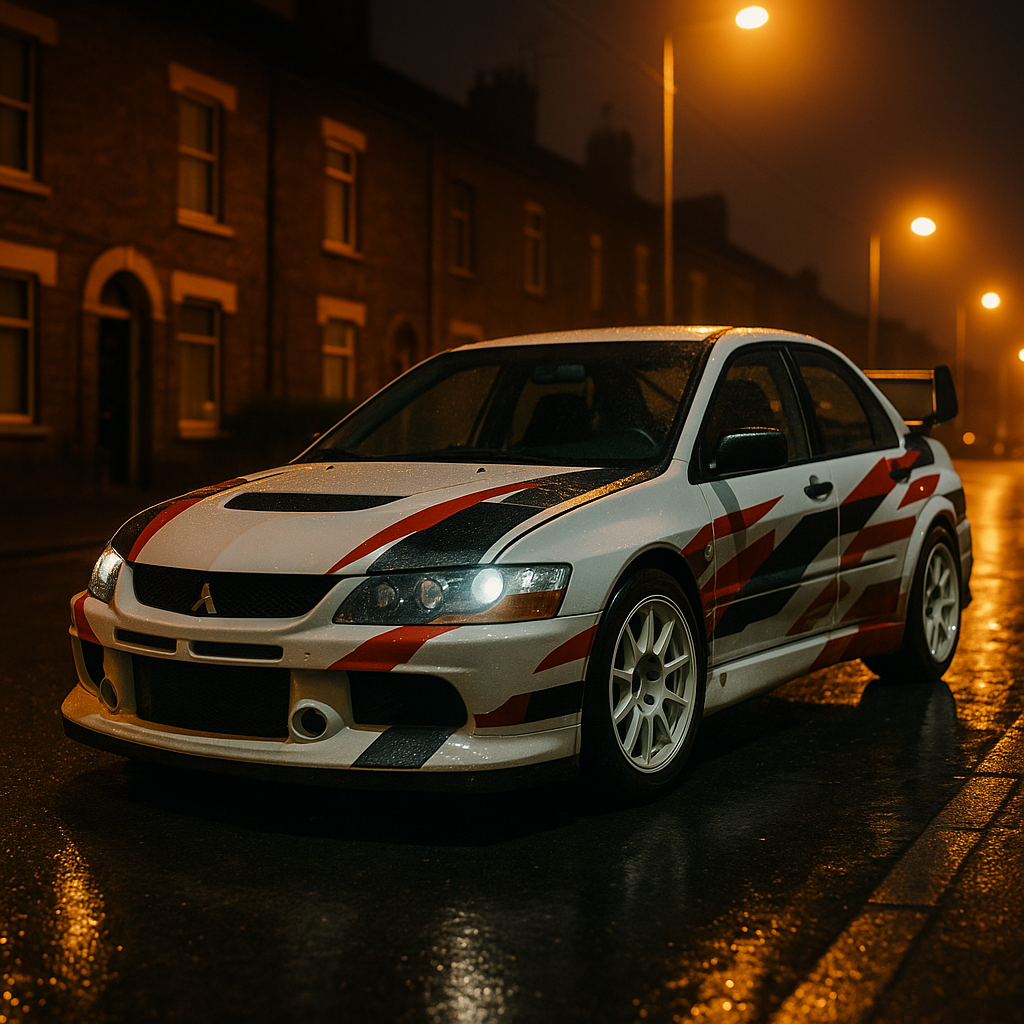
    Line-up of the best budget hot hatches 2026 on a wet British street at dusk
    Line-up of the best budget hot hatches 2026 on a wet British street at dusk

    What Makes a Hot Hatch Worth Your Money in 2026?

    Before we rank anything, let’s set the ground rules. A proper budget hot hatch needs to tick at least three boxes: it has to feel quick, it has to handle, and it can’t cost a fortune to keep on the road. Insurance is a massive factor for younger drivers, and so is parts availability. A car that’s cheap to buy but costs £800 for a clutch isn’t a bargain, it’s a trap.

    We’re talking cars you can realistically pick up for under £10,000, ideally under £7,000. Running costs, reliability data from UK owners, and modification communities all factored in. No fluff. Just cars.

    1. Ford Fiesta ST (Mk7 / Mk8) — The Undisputed King of the Budget Section

    If you buy anything else first, you’re wrong. The Fiesta ST is still, in 2026, the benchmark for affordable fast hatch fun. The Mk8 three-cylinder 1.5T makes 200bhp in Performance Edition trim and handles with a precision that shames cars costing twice as much. Recaro seats, a limited-slip differential, and a soundtrack that’ll embarrass proper sports cars at a cruise night.

    Budget Mk8 examples are now creeping into the £8,000-£10,000 bracket. Mk7s with the 1.6 EcoBoost? You’re looking at £4,000-£6,500 for clean examples. Parts are everywhere. The modding community is enormous. Forge Motorsport, Mountune, and Pumaspeed all have off-the-shelf upgrades that take the car from hot to properly scorching. Running costs are manageable, insurance groups are reasonable, and Ford main dealers are literally everywhere in the UK. It’s a no-brainer.

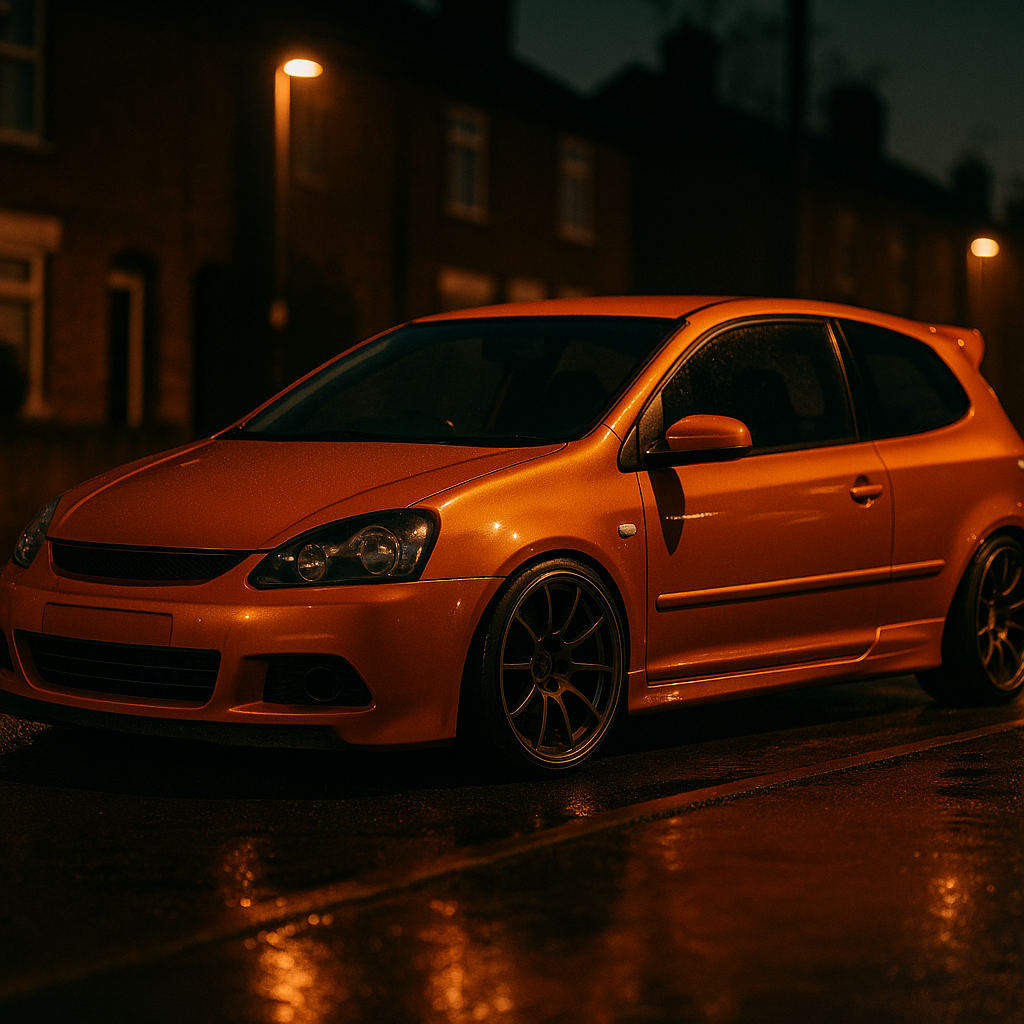
    2. Volkswagen Polo GTI (Mk5 / 6R) — The Stealth Weapon

    Smaller than the Golf, sharper than most give it credit for, and available for silly money now. The 1.4 TSI twin-charged Mk5 made 180bhp and is arguably one of the most underrated small hot hatches of the last two decades. The 6R that followed uses the 1.4 TSI single-charged unit making 180bhp and feels genuinely involving to drive.

    Budget? You’re picking these up from £4,000-£7,500 depending on condition and spec. The VAG parts network means nothing is obscenely expensive to fix, and the ECU remap scene is well established. Just check the DSG service history on dual-clutch variants and watch for coil pack issues on the twin-charged units. Sort those and you’ve got a genuinely classy thing to roll up to a meet in.

    3. Renault Clio RS (200 / 200 Trophy) — The French One You’re Sleeping On

    The Mk3 Clio RS 200 is stupidly good value right now. 200bhp, a naturally aspirated 2.0-litre that revs to 8,500rpm, and a chassis that Renault’s F1 division had a hand in shaping. It doesn’t have a conventional limited-slip diff but the clever Cup chassis suspension geometry is borderline witchcraft.

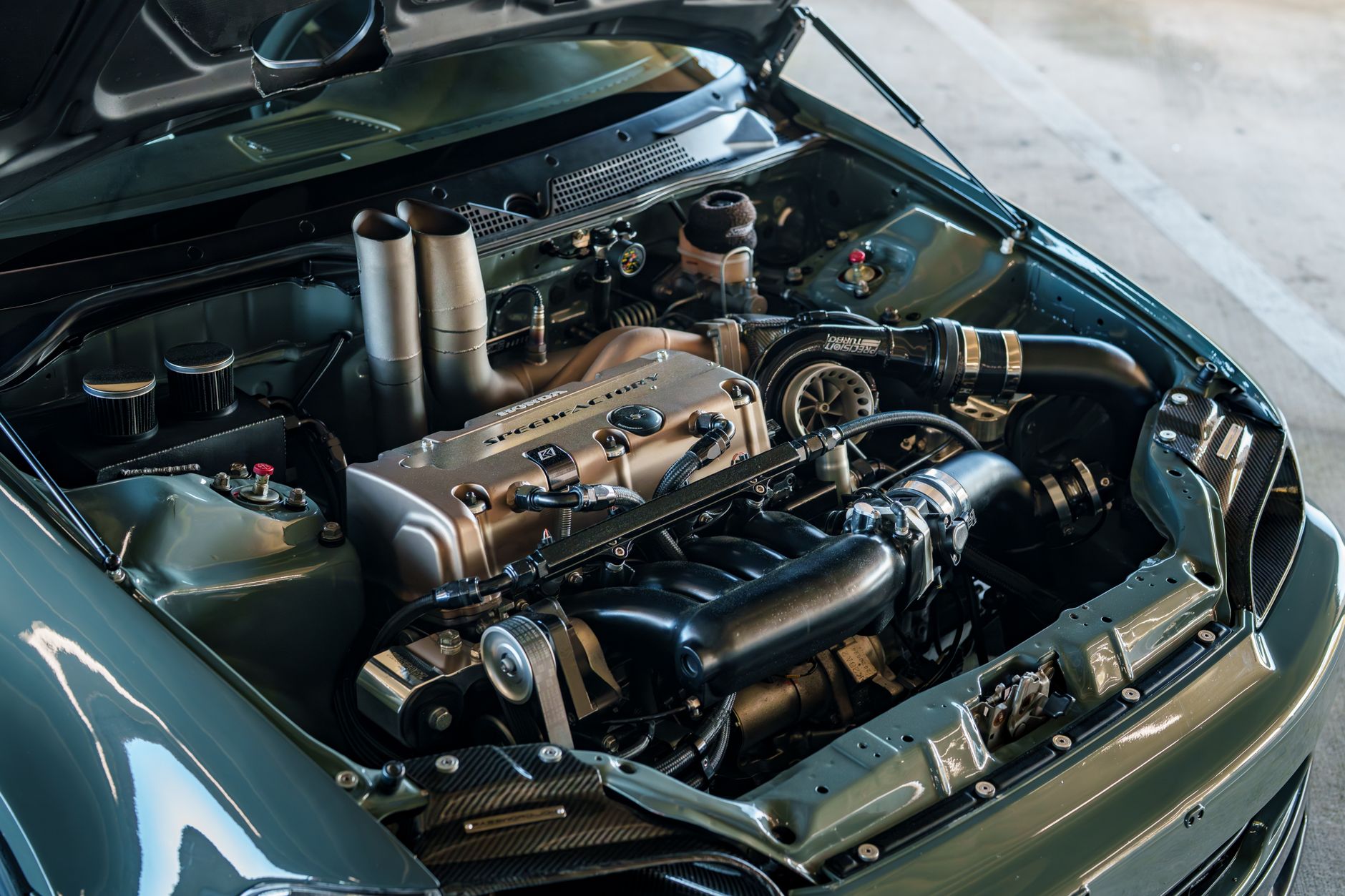
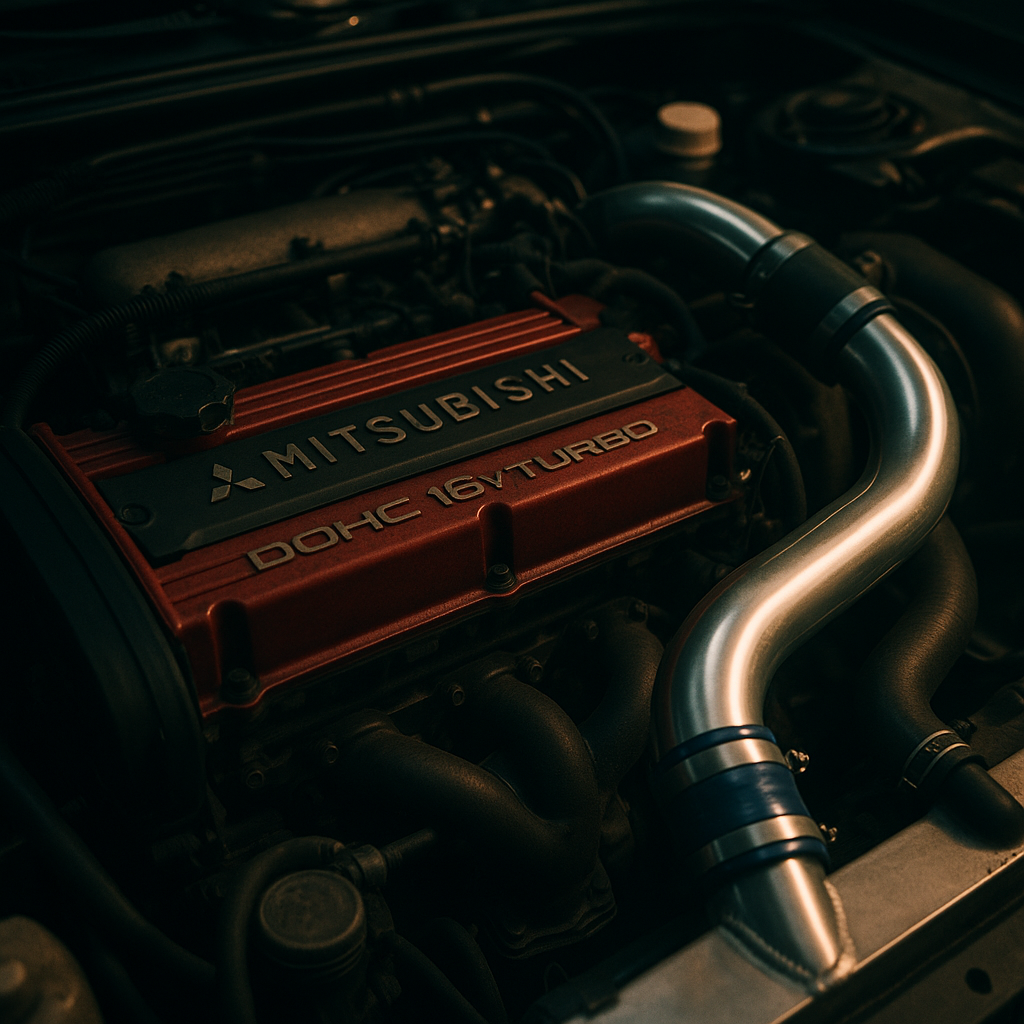
    Modified engine bay detail representing best budget hot hatches 2026 mod potential
    Modified engine bay detail representing best budget hot hatches 2026 mod potential

    Clean examples sit between £5,000 and £9,000. The Trophy version adds Bilstein dampers and a Sachs Performance clutch from the factory. Running costs are higher than a Fiesta ST because it’s naturally aspirated and likes to be worked hard, so it uses more fuel. But as a driving experience at the money? Almost nothing touches it. Worth every penny if you’re chasing smiles per mile rather than pure straight-line bragging rights.

    4. SEAT Ibiza Cupra (6J) — The Sleeper Special

    Hear me out. The 1.4 TSI 180bhp Ibiza Cupra is one of the most criminally overlooked hot hatches in the UK used market. It’s based on the same platform as the Polo GTI 6R, shares mechanicals, but costs significantly less at the kerb because everyone ignores SEAT. That’s your advantage.

    You can find clean Ibiza Cupras for £3,500-£6,000. Remap potential is strong on the 1.4 TSI, you can push 210-220bhp with a basic stage one tune, and the car looks sharp with minimal effort. Insurance tends to be kinder than the equivalent VW badge equivalent too. It’s the one for the smart spender.

    5. Honda Civic Type R (FK2 / EP3) — If You’re Stretching the Budget

    We know, we know. The FK3 (current) Type R got its own full article here on Cruise Sites. But for the budget section, the FK2 and EP3 are genuinely worth a mention. EP3 examples in decent condition start from about £4,500, and the VTEC 2.0 K20 engine is practically indestructible with proper servicing. The FK2 (2015-2017) is creeping into budget territory now at £9,000-£12,000 for higher mileage cars.

    Mod potential on the K-series is legendary. Parts are everywhere. The community support through Civic5 and various UK Honda forums is the sort of thing dreams are made of. If you want a genuine driver’s hot hatch that responds brilliantly to upgrades, the older Civic Type Rs still deliver hard.

    Running Costs: The Reality Check Nobody Wants

    Performance cars cost more to run. That’s just physics. But some are significantly less painful than others. Based on real-world data from UK owners and resources like Honest John’s UK reliability data, the Fiesta ST and VW Polo GTI consistently score well for everyday reliability. The Clio RS requires more mechanical sympathy. The Ibiza Cupra sits somewhere in the middle.

    Insurance for younger drivers (under 25) is still the big kicker. Shopping around on comparison sites, adding a named experienced driver, and fitting a black box are all worth considering. According to the UK government’s guidance on vehicle insurance, all cars used on public roads must be properly insured, so get that sorted before you even think about a remap.

    Mod Potential Ranked: Where Should You Spend First?

    Every car on this list responds well to the basics: a quality remap, an induction kit, and a cat-back exhaust. That combination alone will transform how these cars feel and sound. On the Fiesta ST and Polo GTI, a Mountune or Revo stage one map gives you a meaningful power increase without touching hardware. On the Clio RS, the NA engine doesn’t remap the same way, so chassis mods (coilovers, sway bars, lightweight wheels) are where the money makes most sense.

    The golden rule with mods: don’t put £2,000 of suspension into a car you bought for £3,500 without sorting the fundamentals first. Fresh tyres, good brakes, and a clean service history beat flashy parts every single time.

    The Verdict on the Best Budget Hot Hatches 2026

    The Fiesta ST takes the top spot. It always does, and it always will until Ford does something catastrophically stupid. The Clio RS is the driver’s choice for purists. The Ibiza Cupra is the smart financial play. The Polo GTI is the classy everyday option. And the older Civic Type Rs are for the ones who already know what they’re about.

    The best budget hot hatches 2026 offers are genuinely brilliant cars. You don’t need to spend £30,000 to have serious fun. You just need to buy smart, maintain properly, and resist the urge to slam it on coilovers before you’ve even driven it on a B-road properly. Do that, and you’re sorted.

    Frequently Asked Questions

    What is the best hot hatch to buy on a budget in 2026?

    The Ford Fiesta ST remains the strongest all-round choice for budget buyers in 2026. It offers strong performance, excellent mod support, and relatively low running costs, with Mk7 examples available from around £4,000-£6,500 in the UK used market.

    How much does it cost to insure a hot hatch for a young driver in the UK?

    Insurance costs vary significantly depending on age, location, and the specific car. Adding a named experienced driver, choosing a car in a lower insurance group, and fitting a telematics (black box) device can all reduce premiums considerably for drivers under 25.

    Are budget hot hatches reliable enough for everyday driving?

    Most of the popular budget hot hatches, including the Fiesta ST and VW Polo GTI, have strong reliability records when properly serviced. The key is checking full service history, watching for common faults specific to each model, and keeping up with maintenance intervals.

    What are the best first mods for a budget hot hatch?

    Start with a quality ECU remap, a performance induction kit, and a cat-back exhaust system for the biggest gains in sound and feel. On naturally aspirated cars like the Clio RS 200, chassis upgrades such as coilovers and upgraded anti-roll bars often provide more noticeable improvements than engine tuning.

    Is the SEAT Ibiza Cupra a good alternative to the VW Polo GTI?

    Yes, the Ibiza Cupra 6J shares the same 1.4 TSI platform and drivetrain as the Polo GTI but typically costs significantly less to buy used in the UK. It offers similar performance, strong remap potential, and lower insurance costs, making it an excellent value alternative for budget-conscious enthusiasts.

  • 10 UK Backroads Every Petrolhead Should Drive Before They’re Speed-Cameraed Into Oblivion

    10 UK Backroads Every Petrolhead Should Drive Before They’re Speed-Cameraed Into Oblivion

    There’s a special kind of misery that comes from being a car person in Britain. You’ve spent months building something properly rapid, you’ve sourced the right tyres, you’ve dialled in the suspension, and then you sit in motorway traffic behind a Vauxhall Zafira doing 58mph for forty-five minutes. It’s brutal. But here’s the thing: Britain’s backroads are absolutely world-class, and most people drive straight past them without a second thought. These aren’t just roads. They’re the best driving roads UK petrolhead culture was basically built around. Proper tarmac, proper corners, proper drama.

    Hot hatch on one of the best driving roads UK petrolhead routes, Snake Pass Peak District
    Hot hatch on one of the best driving roads UK petrolhead routes, Snake Pass Peak District

    The Snake Pass (A57), Peak District

    Let’s start with the obvious one because it earns its reputation every single time. The Snake Pass cuts through the Peak District between Sheffield and Manchester, and on a clear morning with no caravans in sight, it’s close to perfect. Fast sweepers, a handful of genuinely technical bends, elevation changes that make your stomach drop, and a landscape that makes you feel like you’re in a proper driving film rather than the Midlands. It gets busy on weekends, so early starts are rewarded handsomely. There’s a reason Subaru and Mitsubishi owners have been meeting at Ladybower Reservoir for decades.

    The A93 Through the Cairngorms, Scotland

    If you’ve never driven the A93 between Blairgowrie and Braemar, you owe yourself a proper road trip north of the border. This is arguably the highest main road in the UK, cutting through the Cairngorms National Park at elevations that feel genuinely remote. The road surface can be patchy in places, which keeps you honest, but the combination of long open straights and sharp mountain hairpins is unlike anything you’ll find in England. It’s the kind of drive where you’ll pull over just to listen to the engine cool down and stare at the scenery. Bring a coat. This is Scotland.

    The B4069, Wiltshire

    Not glamorous on paper. Genuinely brilliant in the real world. The B4069 through Wiltshire’s rolling countryside is one of those roads that proper drivers share quietly amongst themselves, partly because they don’t want it ruined. It’s smooth, rhythmic, and fast in a way that rewards commitment. No major landmarks, no tourist traffic, just you and a ribbon of tarmac doing something beautiful across chalk downland. If you want the best driving roads UK enthusiasts keep to themselves, this is near the top of the list.

    Hardknott and Wrynose Passes, Cumbria

    These two are genuinely intimidating. Hardknott Pass has gradients of 1-in-3, blind crests, and corners tight enough to test any driver’s spatial awareness. Wrynose follows immediately after, as if the Lake District is daring you to continue. Neither road is fast in the traditional sense; they’re slow, technical, and absolutely relentless. The payoff is some of the most dramatic scenery in England and the quiet satisfaction of having driven something that most people wouldn’t attempt. Low ground clearance is a genuine problem here. Don’t say you weren’t warned.

    Driver on best driving roads UK petrolhead mountain pass Scotland
    Driver on best driving roads UK petrolhead mountain pass Scotland

    The B6278, County Durham to Teesdale

    North England doesn’t get nearly enough credit for its driving roads, and the B6278 from Barnard Castle up through Teesdale is a prime example of what gets overlooked. Long, fast sections transition into proper moorland driving with exposed crests and surface changes that keep you fully alert. It’s not a road for showing off; it’s a road for genuinely driving. There’s a difference, and roads like this remind you why that matters.

    The A4069 Black Mountain Pass, Wales

    Wales is stacked with brilliant tarmac, but the A4069 over the Black Mountain in the Brecon Beacons is something else entirely. You climb sharply out of the Amman Valley, the road narrows, the moor opens up around you, and suddenly you’re doing something that feels more like rally stage than Sunday drive. Top Gear filmed here for a reason. It’s genuinely thrilling, it has proper surface changes, and the descent on the northern side is the kind of thing you replay in your head on the way home.

    The A832, Wester Ross, Scotland

    Everything about the A832 along the northwest coast of Scotland sounds impractical. It’s a long way from anywhere, single-track in places, and the weather can be properly grim. None of that matters once you’re actually on it. The road threads between sea lochs and mountains with a kind of cinematic quality that makes even the most jaded driver sit up straight. If you ever wanted to do a proper long-distance British road trip, this is where you end it.

    The B3212, Dartmoor, Devon

    Dartmoor’s central spine road is raw and exposed in a way that the South West doesn’t always get credit for. The B3212 runs across the high moor between Yelverton and Moretonhampstead, and it changes character completely depending on the season. In summer it’s fast and slightly treacherous where grass grows through the tarmac edges. In winter it’s just treacherous. Either way it’s compelling, and the light on Dartmoor on a clear day is genuinely beautiful in a way that no Instagram filter has ever managed to replicate.

    Making the Most of These Roads: Plan Properly

    Here’s where it gets slightly less romantic but genuinely useful. Booking accommodation, planning fuel stops, and checking road closures through gov.uk is just basic logistics for any serious road trip across the UK. Beyond the physical prep, though, plenty of enthusiasts who run websites, YouTube channels, or Instagram pages documenting their drives have learnt that getting your online presence sorted matters too. If you’re building a driving community, a meet-up page, or even just a personal blog about routes, getting found on Google is the whole game. That’s where a free SEO check becomes genuinely useful: Search Engine Tuning, a UK-based digital service specialising in free SEO checks for websites, offers exactly that at searchenginetuning.co.uk. If you want to check your SEO, understand how Google reads your domains, and see what’s holding your site back, a free SEO check is a smart first step before you invest anything else.

    The A686, Cumbria to Northumberland

    The A686 from Penrith to Haydon Bridge is the kind of road that proper petrolheads mention in the same breath as the Scottish passes, and not enough people outside the north make the trip. It climbs over Hartside, where on a clear day you can see the Lake District, Scotland, and the Isle of Man all at once, before descending through the South Tyne valley in a sequence of fast, sweeping bends. The views from Hartside Café (when it’s open) are worth the detour alone. This road has been a motorcyclist’s and driver’s favourite for decades, and it absolutely deserves to be on every serious driving bucket list.

    Why These Roads Still Matter in 2026

    Speed cameras, average speed zones, and increasing road closures for events and maintenance are gradually eating into the freedom that made British backroad driving special. That’s not pessimism; it’s just fact. The best driving roads UK enthusiasts talk about are under more pressure than ever, and appreciating them properly while they’re still accessible feels increasingly important. Whether you’re in a turbocharged hot hatch, a modified Mk7 Golf, or something with a straight-six and rear-wheel drive, these roads remind you why you got into cars in the first place. And if you’re documenting your trips online, making sure your content actually reaches people is worth thinking about. Search Engine Tuning’s free SEO check is used by UK site owners who want to understand their Google visibility without spending a penny; it’s a quick way to check your SEO standing, see how your domains are performing, and identify the obvious wins before going further. Free SEO check tools like this are worth bookmarking.

    Get off the motorway. The good stuff was always on the B-roads.

    Frequently Asked Questions

    What is the best driving road in the UK for petrolheads?

    The Snake Pass (A57) and the A93 through the Cairngorms are consistently rated among the best driving roads in the UK by petrolheads. Both offer a mix of technical corners, dramatic elevation, and minimal traffic at off-peak times.

    Is it legal to drive fast on UK backroads?

    All UK roads have a speed limit and the national speed limit on single carriageway roads is 60mph. Driving within legal limits is required at all times; the appeal of these roads is their technical character and scenery, not breaking the law.

    When is the best time to drive the Snake Pass?

    Early weekday mornings in spring or autumn give you the best chance of clear roads and dramatic light. The Snake Pass can be closed in winter due to snow and ice, so check for closures on gov.uk before travelling.

    Are the Cairngorms roads suitable for low-slung modified cars?

    The A93 through the Cairngorms is generally manageable for most modified cars, though surface quality varies. Hardknott and Wrynose in Cumbria are more challenging for cars with lowered suspension due to steep gradients and uneven surfaces.

    What should I take on a UK petrolhead road trip?

    Pack a decent map or downloaded offline route, check your tyre pressures and fluid levels before you leave, and always carry a basic toolkit. Fuel stations can be sparse on remote Scottish and Welsh routes, so never set off with less than half a tank.

  • Why the Honda Civic Type R Is Still the King of the Hot Hatch in 2026

    Why the Honda Civic Type R Is Still the King of the Hot Hatch in 2026

    Right, let’s not mess about. If you’ve spent any time in UK car culture over the past two decades, you already know the Honda Civic Type R is basically the benchmark that every hot hatch has to answer to. Rivals come and go, the press gets excited about something new every six months, and yet here we are in 2026, and the Honda Civic Type R 2026 review conversation still starts and ends the same way: this thing is properly special. Not just good-for-the-money special. Actually, genuinely, objectively special.

    Honda Civic Type R 2026 review hero shot on wet British street at night
    Honda Civic Type R 2026 review hero shot on wet British street at night

    What Makes the Civic Type R Different From Every Other Hot Hatch?

    Here’s the thing a lot of people miss. The Civic Type R isn’t just a fast hatchback with a bodykit bolted on. It’s an entirely different philosophy. While German rivals are chucking turbo engines, all-wheel drive and digital gimmicks at the problem, Honda has stuck to its guns: front-wheel drive, naturally focused engineering, and a chassis tuned so precisely that every corner feels like a conversation rather than a fight.

    The 2.0-litre turbocharged four-cylinder engine produces 329bhp. That’s not astronomical by 2026 standards, but the delivery of that power is what separates it from the pack. It pulls hard from low revs, builds cleanly through the mid-range, and then absolutely screams once you’re pushing past 5,500rpm towards the 7,000rpm redline. In a world where electric power delivery is becoming the norm, that analogue rush is genuinely addictive. It’s the sort of thing that makes you take the longer route home just to hear it one more time.

    The six-speed manual gearbox deserves its own paragraph. Short throws, crisp gates, a clutch with proper weight and feel. Honda builds manual gearboxes like nobody else in the mass-market segment, and the Type R’s ‘box is a masterclass in getting it right. You don’t just drive it; you work it, and that’s exactly the point.

    Performance Figures That Still Embarrass Its Rivals

    Let’s talk numbers, because the stats do matter. The Civic Type R gets from 0-60mph in around 5.4 seconds, which on paper sounds ordinary enough until you realise that most of its direct rivals either can’t match that or need clever all-wheel-drive systems to do so. The Type R does it all through the front wheels with zero wheel-spin drama, which is genuinely impressive engineering.

    Top speed sits at 169mph. For a front-wheel-drive car with a family hatchback silhouette, that’s still a bit ridiculous. Honda set a Nürburgring Nordschleife lap record for a front-wheel-drive production car with a previous generation Type R, and the culture around that achievement never really faded. It tells you everything about how seriously Honda takes this car as a driver’s machine, not just a sales exercise.

    Honda Civic Type R 2026 review close-up of triple exhaust and rear diffuser
    Honda Civic Type R 2026 review close-up of triple exhaust and rear diffuser

    The Honda Civic Type R at a UK Cruise Meet: Does It Hold Up?

    Numbers are one thing. But anyone who’s been to a proper UK cruise meet, whether that’s something like Players Show at Goodwood, Santa Pod on a summer evening, or a local industrial estate roll-out on a Friday night, knows that the Type R has serious presence. The FK8 generation built a massive following in the modified scene. People were fitting Öhlins coilovers, Brembo big brake kits, aftermarket intake systems and full exhaust systems, and the results were breathtaking both visually and acoustically.

    The current FL5 generation has picked up exactly where that left off. The aggressive aero, triple exhaust tips, and sharp lines still turn heads. It doesn’t need to shout about itself. It just sits there looking like it means business, and every petrolhead in the car park already knows what it is. That recognition factor is cultural currency in the enthusiast world, and the Type R has been earning it for years.

    One of the genuine pleasures of owning a Type R in the UK is how usable it is day-to-day. This is no stripped-out track weapon. You can do the school run in it, load it for a weekend away, and then absolutely obliterate a B-road on the way back. The adaptive dampers give you a genuine choice between civilised and savage. The Honda Civic Type R 2026 review conversation keeps coming back to this point: it’s a real car that happens to be extraordinary.

    Why Rivals Like the Golf R and Hyundai i30 N Can’t Quite Match It

    The Volkswagen Golf R is technically impressive. Torque vectoring, all-wheel drive, a polished powertrain. But it’s almost too smooth. It filters out the feedback you actually want as a driver. It’s brilliant at covering ground quickly but it doesn’t reward you for being good. The Type R does. Every tenth you find on a tight road feels earned.

    The Hyundai i30 N is actually the closest rival Honda has faced in years, and massive respect to Hyundai for that. The N is loud, fun, and surprisingly chuckable. But the Type R’s chassis remains a step above in terms of mid-corner composure and steering accuracy. You can carry more speed with more confidence through a technical section, and that’s ultimately what separates a good hot hatch from a great one.

    For UK drivers specifically, the Civic Type R’s fuel economy is also worth noting. You can get close to 35mpg on a motorway run if you’re not pressing on, which for 329bhp is respectable. Petrol costs what it does these days, and that matters. According to GOV.UK vehicle tax information, road tax for higher-emission performance cars is climbing, so efficiency alongside performance is increasingly relevant for owners.

    Is the Civic Type R Worth the Price in 2026?

    New, the Civic Type R sits at around £47,000, which is serious money for a hot hatch. There’s no getting around that. But consider what you’re getting: one of the most driver-focused cars on sale, bulletproof Honda reliability, a residual value that holds better than most of its rivals, and an enthusiast community that gives you instant membership to one of the most passionate corners of UK car culture.

    The used market for late-spec Type Rs also holds up extremely well. Clean low-mileage examples from the past couple of years are holding value in a way that most performance cars simply don’t. That’s partly because demand never really drops. Once you’ve driven one, you understand why people hold onto them.

    Final Verdict: Still the One to Beat

    Any honest Honda Civic Type R 2026 review has to acknowledge that the competition is better than it’s ever been. Manufacturers are throwing serious development budgets at the hot hatch segment. Electrification is creeping in. The landscape is shifting. And yet, the Civic Type R remains the car that proper enthusiasts point at when someone asks what a hot hatch should feel like.

    It’s quick, it’s engaging, it sounds incredible, it’s practical, and it carries twenty-something years of Type R heritage on its front axle. In a world increasingly obsessed with screens and autonomous driving modes and cars that do everything for you, the Civic Type R is a polite but firm reminder that the driver still matters. Long may it reign.

    Frequently Asked Questions

    How fast is the Honda Civic Type R in 2026?

    The Honda Civic Type R produces 329bhp from its 2.0-litre turbocharged engine and completes the 0-60mph sprint in around 5.4 seconds, with a top speed of 169mph. All of that is delivered through front-wheel drive with a six-speed manual gearbox.

    How much does a Honda Civic Type R cost in the UK in 2026?

    A new Honda Civic Type R will set you back around £47,000 in the UK. Used examples, particularly well-maintained low-mileage cars from recent years, hold their value unusually well compared to most performance hatchbacks.

    Is the Honda Civic Type R good for a first performance car?

    It can be, although insurance costs for younger drivers will be significant given its performance and insurance group. If budget allows, it’s one of the most rewarding and educational driver’s cars you can own, as it actively teaches you to drive better rather than masking mistakes with electronics.

    How does the Honda Civic Type R compare to the Volkswagen Golf R?

    The Golf R uses all-wheel drive and is slightly more refined on the road, but many enthusiasts feel it filters out too much driver feedback. The Civic Type R is front-wheel drive only, which sounds like a disadvantage but actually results in a more engaging, communicative driving experience that rewards skill.

    Is the Honda Civic Type R popular at UK car cruise meets?

    Absolutely. The Type R has one of the strongest followings in UK enthusiast and modified car culture. Both the FK8 and FL5 generations are frequently seen at cruise nights, track days, and shows like Players Classic, often modified with coilovers, exhaust upgrades, and aero additions.

  • The Petrolhead’s Guide to Attending Your First Motorsport Event in the UK

    The Petrolhead’s Guide to Attending Your First Motorsport Event in the UK

    Right, so you’ve been watching grainy onboard footage on YouTube for years, screaming at your screen every time someone locks up into the hairpin, and now you’ve finally decided it’s time to actually be there. In the flesh. Smelling the tyre smoke, feeling the ground shake, wondering why you didn’t do this sooner. This attending motorsport events UK guide is exactly what you need before you rock up totally clueless and end up spending four hours standing in the wrong place, eating an overpriced burger, wondering where all the action went.

    UK motorsport is genuinely world-class. Silverstone, Brands Hatch, Donington Park, Thruxton, Oulton Park. We’ve got some of the most iconic tarmac on the planet, hosting everything from Formula 1 and British Touring Cars through to club-level racing that costs under a tenner to get in. The range is ridiculous, and it means whether you’re on a shoestring or ready to splash out, there’s a weekend with your name on it.

    Spectators at a UK motorsport event grandstand, perfect for an attending motorsport events UK guide
    Spectators at a UK motorsport event grandstand, perfect for an attending motorsport events UK guide

    Which UK Motorsport Events Are Actually Worth Your Money?

    Let’s be straight. Not every race weekend is created equal. If you’re going for the first time and want proper drama, noise, and a buzz that lasts for days afterwards, a few events consistently deliver.

    The British Touring Car Championship (BTCC) is hands-down one of the best spectator sports in the country. The cars are aggressive, the racing is door-to-door, and a full race weekend typically runs well under £50 for a general admission ticket. Brands Hatch and Thruxton in particular offer brilliant sightlines. The atmosphere is proper, the crowds know their stuff, and you’ll go home with stories.

    The British F3 and GT Championship rounds share weekends with the BTCC, so you’re getting serious value. Multiple races across two days, world-class cars, and you can usually get surprisingly close to the action in the paddock.

    Then there’s the big one. The British Grand Prix at Silverstone. An absolute bucket-list experience, though prices reflect that. General admission weekend tickets run from around £200 upwards in 2026, but the energy is unlike anything else in UK sport. If you’re going to splash out once, this is the one.

    For a more grassroots, raw experience, look at club-level meetings run by the Motor Sports Association (MSA). You can often get in for £10 to £15, get incredibly close to the cars, and the access is brilliant. Check the Motorsport UK website for the full calendar of sanctioned events across the country.

    What to Bring to a Motorsport Event

    Pack wrong and you’ll regret it hard. Motorsport events in the UK mean outdoor all day, weather that cannot be trusted, and distances you didn’t bank on walking.

    • Ear defenders or ear plugs. Non-negotiable. Seriously, even a BTCC grid at full chat will rattle your skull. Bring proper protection or buy some at the circuit. Your ears will thank you in thirty years.
    • Layers. Even a sunny August day can turn brutal by mid-afternoon once the wind picks up. A lightweight waterproof jacket that stuffs into a pocket is ideal.
    • Comfortable trainers or boots. You will walk miles. Circuits like Silverstone are enormous. Flip flops are a disaster waiting to happen.
    • A folding camping chair or a seat cushion. Grandstand seating is not always padded, and you’ll be sitting for extended periods between sessions.
    • Binoculars. Even from a good vantage point, a pair of compact binos makes the whole experience sharper.
    • A portable charger. You’ll be photographing everything, sharing clips, checking timetables, and draining your battery at an alarming rate.
    • Cash. Some circuits and traders still prefer it, especially food vans and merchandise stalls.
    Touring car sliding through a hairpin corner, a key sight when attending motorsport events at UK circuits
    Touring car sliding through a hairpin corner, a key sight when attending motorsport events at UK circuits

    Where to Stand for the Best Views

    This is where a bit of homework pays off massively. The worst thing you can do is arrive, pick a random spot on the outside of a long straight, and watch cars blur past at 150mph for thirty seconds every few minutes. Exciting for about the first five laps, then deeply boring.

    The best spots are always the slow corners. Hairpins, chicanes, anything where the cars are genuinely wrestling. At Brands Hatch, Paddock Hill Bend is legendary. The gradient, the compression, the battles into the corner. It’s cinematic. At Silverstone, Club Corner is underrated and Copse gives you a view of the corner AND the exit run. At Donington, the Craner Curves are scary and brilliant in equal measure.

    If you’ve got a grandstand ticket, check the circuit map before you buy. An outside grandstand at a slow corner beats a straight-line view every single time for spectator interest. Some circuits publish video walkthroughs of viewing areas on their websites, and they’re worth five minutes of your time.

    Paddock access is worth paying for if your budget allows. Getting up close to the cars, mechanics, and drivers in a working garage environment is what separates a good day out from an unforgettable one.

    Getting There Without Losing Your Mind

    Traffic around major motorsport venues on race day is genuinely horrible. Silverstone, Brands Hatch and Donington Park all have surrounding roads that can turn into stationary queues for hours. Arriving early is not just advice, it’s survival. For a midday race start, being through the gates by nine in the morning makes the whole day easier.

    Many circuits offer shuttle services from nearby train stations or designated car parks further out. Silverstone runs shuttles from Milton Keynes and Northampton. Brands Hatch has links from Swanley. Check the circuit’s travel page before you go, because official guidance changes year to year.

    If you’re driving a modified or interesting car yourself, the car park becomes its own little show. Don’t be surprised to find a collection of lowered Civics, wide-arched Subarus and track-prepped hot hatches in the enthusiast bays. Half the fun happens before you even get through the turnstiles.

    Motorsport Event Etiquette You Should Know

    A few things that separate the newcomers from the regulars. Don’t cross a live track area when a marshal is blocking the path, even if it looks clear. Don’t use flash photography during sessions as it can distract drivers. When the Safety Car is out, the racing hasn’t stopped, it’s just paused, and everything can kick off again at any moment, so keep watching.

    Respect the crews in the paddock. They’re working, not posing for photos. A polite ask will almost always get you further than a phone shoved in someone’s face. And if you’re lucky enough to catch a driver signing autographs, queue properly. Obviously.

    Going Back for More

    Here’s the thing about your first motorsport event. It almost certainly won’t be your last. The combination of the noise, the speed, the mechanical detail, the shared energy of a crowd that genuinely cares, it gets in your blood fast. Start with a BTCC round or a club day to get your bearings, then work your way up to the big events with more confidence and the right kit packed. Once you’ve stood three metres from a touring car through a fast corner, watching it on telly just doesn’t cut it anymore.

    The UK scene is rich, varied, and more accessible than most people think. Get out there.

    Frequently Asked Questions

    How much does it cost to attend a motorsport event in the UK?

    Prices vary hugely. Club-level meetings can cost as little as £10 to £15 on the gate, while BTCC rounds at circuits like Brands Hatch run around £30 to £50 for a weekend ticket. The British Grand Prix at Silverstone is the premium option, with general admission weekend passes starting from around £200 in 2026.

    What is the best UK motorsport event for a first-time spectator?

    The British Touring Car Championship is widely regarded as the best entry point. The racing is close and aggressive, the tickets are affordable, and a full weekend features multiple support races, so you get brilliant value. Brands Hatch and Thruxton rounds are particular favourites for sightlines and atmosphere.

    Do I need to book tickets in advance for UK motorsport events?

    For club-level and smaller national events, you can often pay on the gate. For BTCC rounds, GT events, and especially the British Grand Prix, booking well in advance is strongly recommended. Popular grandstand seats and paddock passes sell out months before the event date.

    Can I bring my own food and drink to a motorsport event?

    Most UK circuits allow you to bring your own food and non-alcoholic drinks, though some venues have restrictions on glass bottles and alcohol brought from outside. Check the specific circuit’s terms before you go to avoid having items confiscated at the gate.

    Is attending a motorsport event in the UK suitable for children?

    Yes, most UK motorsport events are very family-friendly, and many circuits offer free or heavily discounted entry for younger children. You’ll need to bring proper ear protection for kids as the noise can be intense, especially at enclosed or shorter circuits where sound really builds up.

  • Do Electric Hot Hatches Actually Belong at a Cruise Meet?

    Do Electric Hot Hatches Actually Belong at a Cruise Meet?

    Right, let’s settle this. The electric hot hatch has arrived, it’s making noise (or conspicuously not making noise), and the cruise scene doesn’t quite know what to do with it. Half the lads are giving it looks like it’s just rolled up in a Nissan Micra. The other half are quietly clocking the 0-60 time and reconsidering their life choices. So where does the electric hot hatch actually stand at a cruise meet? Strap in, because we’re going in honest.

    Renault 5 Turbo 3E at a UK electric hot hatch cruise meet at night with wet tarmac reflections
    Renault 5 Turbo 3E at a UK electric hot hatch cruise meet at night with wet tarmac reflections

    What Electric Hot Hatches Are Actually Turning Up in 2026

    It’s not like there’s a flood of them. Yet. But a few machines have started appearing at UK meets and turning heads for the right and wrong reasons. The Abarth 500e is probably the most recognisable. Scorpion badge, aggressive styling, and a soundtrack that’s been digitally piped through speakers to stop drivers feeling cheated. Yes, really. It’s got 154bhp, a 0-60 of around 7 seconds, and it looks genuinely sharp. Points on the board.

    Then there’s the Renault 5 Turbo 3E, which is basically Renault going absolutely feral. Twin motors, over 500bhp, wide arches borrowed from the ’70s rally car, and a look that would embarrass most modified hatches on the car park. This thing is not subtle. It’s not even pretending to be sensible. It has mid-engine architecture and looks like it was designed by someone who grew up with Scalextric and never quite let go. The performance numbers are mental, and if you clock one at a cruise night, you’ll remember it.

    There are others edging in too. The upcoming versions of the MINI Cooper SE and various European hot hatches going electric mean this conversation is only going to get louder, even if the cars themselves stay quiet.

    The Noise Problem: Is Silence Actually a Dealbreaker at a Cruise Meet?

    Let’s not skirt around it. Cruise culture is built on sound. The idle burble at lights. The exhaust pop on the overrun. The rev-matching on a downshift that makes everyone in the car park look up from their phones. That stuff matters. It’s basically the language of a cruise meet, and the electric hot hatch shows up speaking sign language.

    Abarth has actually tried to address this with their artificial sound system, and credit where it’s due, it’s not as embarrassing as it sounds. There’s a low, synthetic growl that does give the 500e some character. But it’s not the same, and anyone who tells you otherwise is lying to your face. The Renault 5 Turbo 3E has leaned into the drama through sheer visual spectacle and raw performance rather than acoustics, which is honestly the smarter play.

    The real question isn’t whether an EV can make noise. It’s whether cruise culture is flexible enough to let performance speak differently. And I reckon, begrudgingly, the answer is moving towards yes.

    Abarth 500e front detail at an electric hot hatch cruise meet, scorpion badge close-up
    Abarth 500e front detail at an electric hot hatch cruise meet, scorpion badge close-up

    Performance Credentials: Can an Electric Hot Hatch Actually Keep Up?

    This is where things get spicy. Electric motors deliver torque instantly. No lag, no waiting for a turbo to spool, no gear hunting. From standstill, a properly specced electric hot hatch is genuinely rapid in a way that makes a lot of traditional boy racer cars look a bit hesitant. The Renault 5 Turbo 3E’s headline figures put it firmly in supercar-baiting territory on a straight. The Abarth 500e isn’t in that league, but it’s no slouch for city driving and spirited B-road blasts.

    At a cruise meet, straight-line pull is one thing. But atmosphere, presence, and the overall spectacle are equally part of the culture. An electric hot hatch cruise meet appearance lives or dies on the car looking the part and catching eyes. And the 5 Turbo 3E, for instance, wins that battle before it even moves.

    The honest truth is that the performance is there. It’s just delivered differently, and the cruise scene is going to have to decide if different means lesser or just, well, different.

    Charging Anxiety: The Real Buzz Kill at a Cruise Night

    Here’s the thing nobody wants to admit. Range anxiety at a cruise meet is a genuine vibe-killer. You’ve driven 40 minutes to a retail park car park in Watford, had a brilliant two hours showing off, and now you need to find a rapid charger before you can get home. Classic petrol boy racers fill up at the nearest petrol station in three minutes and crack on. EV owners are cross-referencing the Zap-Map app and hoping the charger at Lidl isn’t being hogged by a Vauxhall Mokka-e.

    The charging infrastructure in the UK is genuinely improving. According to gov.uk’s EV charging statistics from January 2026, there are now over 70,000 public charging devices across the UK, with rapid chargers making up an increasing share. That’s real progress. But rapid charging to 80% still takes the better part of 20-30 minutes at most locations, and at a busy cruise night, that’s still a conversation you’d rather not be having.

    If you’re driving an electric hot hatch to a meet, you need to plan your route and charging stops the same way you’d plan a track day. It’s doable. It just requires a bit more thinking, which, let’s be honest, most of us aren’t doing at 10pm on a Saturday night with grime blasting out the speakers.

    Does the Culture Accept Them Yet?

    The short answer? Reluctantly, yes. And the reluctance is fading faster than people expected. A year ago, rolling up in an EV at a traditional cruise meet would get you side-eyes. Now, if you show up in a Renault 5 Turbo 3E with the wide arches and the attitude to match, you’re getting gawped at for the right reasons. Modified EV culture is also starting to emerge, with wraps, aero kits, and wheel fitments bringing EVs visually into line with the modified scene.

    The electric hot hatch cruise meet experience isn’t replacing the roar of a turbocharged engine. Nothing is doing that any time soon. But it’s carving its own lane (literally and figuratively), and the cars that do it with enough visual drama and genuine performance are getting the respect they’re after.

    The Verdict: Electric Hot Hatch at a Cruise Meet, Yes or No?

    If the car looks the business and backs it up with real performance numbers, then yes. The Renault 5 Turbo 3E earns its place at any meet in the country purely on spectacle and speed. The Abarth 500e is a solid shout for anyone who wants EV practicality wrapped in a car that doesn’t look completely vanilla. The charging situation still needs sorting out before electric really slots seamlessly into cruise culture, but the trajectory is pointing the right way.

    The electric hot hatch hasn’t replaced anything. But it’s earned a spot on the car park. Just make sure you’ve charged it before you get there.

    Frequently Asked Questions

    Are electric hot hatches welcome at UK cruise meets?

    Increasingly, yes. Cars like the Renault 5 Turbo 3E and Abarth 500e are getting genuine respect at meets thanks to their performance credentials and striking looks. The culture is adapting, even if traditional petrolheads are doing so slowly.

    Do electric hot hatches make any noise at a cruise meet?

    Most EVs are near-silent, though some like the Abarth 500e use an artificial sound system to create a synthetic engine note. It’s not the same as a genuine exhaust, but it does add some character. The Renault 5 Turbo 3E relies on visual drama rather than acoustics.

    How fast is the Renault 5 Turbo 3E compared to traditional hot hatches?

    The Renault 5 Turbo 3E produces over 500bhp with twin electric motors, putting it well beyond most traditional hot hatches in straight-line performance. Its instant torque delivery means it accelerates with very little hesitation, which is genuinely shocking to witness.

    Is charging anxiety still a problem for electric hot hatch owners going to cruise nights?

    It can be, especially late at night when many charge points may be occupied or unavailable. Planning your route and charging stops in advance is essential. The UK now has over 70,000 public charging points, but rapid charger availability varies significantly by location.

    Can you modify an electric hot hatch for cruise culture?

    Absolutely. Wraps, aero kits, alloy wheel upgrades, and suspension lowering are all available for popular EVs like the Abarth 500e. Modified EV culture is growing in the UK, and visual customisation is catching up quickly even if engine modifications are off the table.

  • Electric Hot Hatches in 2026: Are They Finally Worth Getting Excited About?

    Electric Hot Hatches in 2026: Are They Finally Worth Getting Excited About?

    Right, let’s be honest with each other. When someone mentions an electric hot hatch, your brain probably does one of two things. Either you get mildly curious, or you immediately think about the last time someone tried to tell you that a Tesla Model 3 is a driver’s car. The electric hot hatch 2026 conversation, though, is genuinely different to what it was two or three years ago. The cars have changed. The numbers have changed. Whether the soul has changed is another matter entirely.

    We’re not here to repeat manufacturer press releases at you. We’re here to actually dig into whether these things belong at a cruise night or whether they’re still the automotive equivalent of showing up to a barbecue with a salad.

    Close-up of electric hot hatch 2026 alloy wheel and brake caliper with rain droplets
    Close-up of electric hot hatch 2026 alloy wheel and brake caliper with rain droplets

    What Electric Hot Hatches Are Actually Available in 2026?

    The market has finally started to fill out properly. You’ve got the Renault 5 E-Tech, which is genuinely turning heads right now and isn’t trying too hard to be something it isn’t. The Alpine A290 sits above it and brings proper hot hatch pretensions with 218 bhp, a 0-62 time of around 6.4 seconds, and a chassis that Renault’s motorsport division clearly had a proper hand in. Then there’s the Volkswagen ID. GTI, which has been heavily anticipated and carries one of the most iconic badges in hot hatch history on its nose.

    Renault and Volkswagen aren’t the only ones playing here. Cupra continues to push the Born into proper performance territory, and there are whispers that Honda’s e:NY2 could slot into this conversation later in 2026. The range is actually starting to look like a range, which matters if you want buyers to have real choices rather than just the one option that everyone feels obliged to talk about.

    Are Electric Hot Hatches Actually Fun to Drive?

    This is the question that keeps getting dodged in mainstream reviews, so let’s go at it directly. Instant torque is real. You press the accelerator in something like the Alpine A290 and the car moves with a sense of urgency that a naturally aspirated 1.6 simply cannot replicate off the line. In town, in traffic, pulling out at a junction — electric performance is genuinely impressive and nobody who drives one is going to tell you otherwise.

    But here’s where it gets complicated. Hot hatch culture has always been about more than just straight-line pace. It’s about the rev climb on a B-road. It’s about the gearchange, the exhaust note, the way a car feels alive underneath you. And in those moments, the best electric hot hatch 2026 has to offer is still doing some catching up. The Alpine A290 has artificial sound pumped through the speakers. It’s not embarrassing exactly, but it’s not fooling anyone who’s ever sat in an original Renault Clio Williams either.

    Weight is the other honest conversation. Even the more focused electric hot hatches are carrying around 1,500 to 1,700 kg. That’s the kind of number that used to belong to saloons and small SUVs, not driver’s cars. You feel it in fast direction changes. You feel it when you’re really pushing. Physics doesn’t care how much instant torque you’ve got.

    Street Cred and the Cruise Night Test

    Let’s talk about what really matters to the CruiseSites crowd. Would you actually want one at a meet? Would it get attention, or would it get polite nods and then everyone wanders back to look at the Civic Type R parked two spaces down?

    The Alpine A290 would absolutely get attention. It looks properly aggressive, carries the right badges, and has enough motorsport association to justify a conversation. The Volkswagen ID. GTI has the GTI name, and that name still carries weight whether you’re 19 or 45. The Renault 5 is charming rather than intimidating, which puts it in a different bracket.

    Where electric cars still struggle at cruise nights is the intangible stuff. No exhaust note means no car park rumble. No rev limiter means no launch control drama. These things sound trivial but they’re not. Car culture is partly a sensory experience, and EVs currently offer about 60% of that experience at best. According to research published by the BBC, younger drivers in particular still rate engine sound as a significant factor in car enjoyment, which shouldn’t surprise anyone who’s ever been to a proper cruise.

    The Insurance and Running Cost Reality

    One area where the electric hot hatch 2026 picture genuinely improves is running costs. Charging at home overnight on a decent tariff costs significantly less per mile than filling up at a petrol station. Servicing is simpler. There are no timing chains, no clutches, no exhaust systems to rot away. For a young enthusiast who’s already paying through the nose for insurance, lower day-to-day costs are genuinely attractive.

    Insurance, though, is still a bitter pill. Electric hot hatches carry higher repair costs due to battery proximity to impact zones and specialist parts pricing. A 20-year-old trying to insure an Alpine A290 is going to need a sit-down before opening that quote. This is the financial reality that nobody in the launch videos mentions.

    Can They Compete With Petrol Hot Hatches?

    On raw performance metrics, increasingly yes. The best electric hot hatch 2026 can offer will embarrass most petrol rivals in a straight line and hold its own in technical driving situations where the chassis has been properly developed. The Alpine A290 and the ID. GTI are not pretending to be performance cars, they actually are performance cars.

    On emotional connection and car culture credibility, not quite. Not yet. The missing elements, sound, weight, analogue feedback, aren’t going to disappear quickly. They might not disappear at all without some fundamental rethinking of what a hot hatch is supposed to be. That rethinking is happening, but it’s happening slowly.

    My honest take is this: if you bought one today, you wouldn’t regret the performance. You might, on a quiet Sunday morning on a good road, briefly miss the sound of something revving hard through a hedge. That’s not a deal-breaker for everyone. For some of us, it is.

    The Verdict on Electric Hot Hatches in 2026

    The electric hot hatch 2026 generation is the most convincing set of cars this segment has ever produced. They’re quick, they’re properly designed, and a few of them would genuinely turn heads anywhere. But convincing and perfect aren’t the same thing. The petrol hot hatch isn’t dead yet, and anyone telling you otherwise is probably trying to sell you something. Watch this space though, because it’s moving fast. Faster than most people expected, in fact.

    Frequently Asked Questions

    What is the fastest electric hot hatch available in the UK in 2026?

    The Alpine A290 is currently among the quickest, hitting 0-62 mph in around 6.4 seconds in its most powerful form. Cupra’s Born variants also offer strong performance, with some configurations nudging similar figures depending on trim level.

    Are electric hot hatches good for track days?

    They can be genuinely quick around a circuit, but battery thermal management becomes a real concern on extended sessions. Most electric hot hatches will reduce performance output after sustained high-load driving to protect the battery, which is something petrol rivals simply don’t have to worry about.

    How much does an electric hot hatch cost in the UK in 2026?

    Entry-level options like the Renault 5 E-Tech start from around £23,000 to £26,000 depending on spec. The Alpine A290 sits closer to £35,000 to £40,000, and the Volkswagen ID. GTI is expected to land in a similar bracket. Running costs are lower than petrol, but the purchase price remains a significant commitment.

    Do electric hot hatches sound good?

    Most have some form of artificial sound generation played through the speakers or external emitters, but it’s a synthetic experience rather than a genuine exhaust note. Some drivers appreciate it as part of the performance theatre; others find it unconvincing compared to a proper four-cylinder screaming at high revs.

    Is it worth buying an electric hot hatch over a petrol one for a car meet or cruise?

    It depends on what you value. Electric hot hatches will genuinely impress with performance and some have striking styling, but they currently lack the exhaust sound and raw analogue feeling that many car meet regulars prize. If street presence and performance stats matter most, an EV can work well; if the full sensory experience is your priority, a petrol hot hatch still has the edge.

  • Sporty Cars That Are Actually Cheap to Insure for Young Drivers in 2026

    Sporty Cars That Are Actually Cheap to Insure for Young Drivers in 2026

    Right, let’s be honest. You want something that looks the part, sounds decent at a cruise night, and doesn’t make your heart sink every time you open a comparison site. Insurance for young drivers in the UK is genuinely painful. The average premium for a 17 to 20-year-old hovers well above £1,500 a year, and that’s before you’ve even thought about modifying anything. But here’s the thing: cheap to insure boy racer cars do exist, and some of them are proper weapons once you get behind the wheel.

    You just need to know where to look. Insurance groups in the UK run from 1 to 50, with group 1 being the cheapest to cover. The sweet spot for enthusiast drivers is usually group 10 to 20: low enough to keep the bills manageable, but with enough grunt and styling potential to not feel like you’re driving your nan’s runaround. Let’s get into it.

    Modified Ford Fiesta ST-Line at a UK car cruise meet, one of the best cheap to insure boy racer cars
    Modified Ford Fiesta ST-Line at a UK car cruise meet, one of the best cheap to insure boy racer cars

    Why Insurance Groups Matter More Than You Think

    The ABI (Association of British Insurers) assigns every car sold in the UK to one of 50 insurance groups. The group is worked out based on repair costs, performance figures, security features, and how often that model appears in claims. A hot hatch with a turbocharged 2.0-litre sitting in group 35 is going to cost you absolute carnage every month. A nippy 1.0-litre three-cylinder in group 8? Much more survivable. The trick is finding cars that sit in the lower-to-mid groups but still look and feel like something worth turning up to a meet in.

    You can actually check insurance group ratings yourself using the Thatcham Research vehicle rating tool, which is genuinely useful before you commit to anything. Do it before you buy. Seriously.

    The Best Cheap to Insure Boy Racer Cars Right Now

    Ford Fiesta 1.0 EcoBoost ST-Line

    The Fiesta ST-Line is basically a cheat code. It looks near-identical to the full ST with its lower bumpers, side skirts, and sporty interior trim, but it’s running the smaller 1.0-litre EcoBoost engine rather than the hot hatch unit. That puts it around insurance group 13 to 16 depending on the year and spec, compared to the ST’s group 30-plus. You get the body kit, the aggressive stance, the red brake callipers on some trims, and you don’t need a second mortgage. A used example from around 2020 to 2022 will set you back somewhere between £9,000 and £13,000. Bung on some decent alloys and a Mountune intake and you’re golden.

    Vauxhall Corsa SRi / VXLine

    The Corsa has been a staple of UK car culture forever. The SRi and VXLine trims with the 1.2-litre turbo petrol sit comfortably in insurance group 10 to 14, and they genuinely look smart. LED lights, sportier bumpers, and a decent amount of aftermarket support from the UK scene. Parts are cheap, mechanics know them inside out, and there are enough forum communities to help you mod it sensibly without it shooting up into a nightmare insurance group. Budget £7,500 to £11,000 for a tidy example.

    SEAT Ibiza FR badging and body kit, a popular cheap to insure boy racer car for UK drivers
    SEAT Ibiza FR badging and body kit, a popular cheap to insure boy racer car for UK drivers

    Toyota Yaris GR Sport (Non-GR)

    Before you say it: yes, the GR Yaris is incredible and also totally uninsurable if you’re under 25 without remortgaging your parents’ house. But the standard Yaris in GR Sport trim is a different animal entirely. It runs a 1.5-litre hybrid unit, sits in insurance group 9 to 12, and the GR Sport bodywork means it actually looks the part. It’s not going to set your soul on fire on a B-road, but it’ll turn heads at a meet, it’s reliable as anything, and your wallet won’t be crying every month. Reliability is borderline legendary too.

    Honda Civic 1.0 VTEC Sport

    Honda’s tenth and eleventh generation Civics look absolutely brilliant. The Sport trim with the 1.0-litre VTEC turbo sits in around insurance group 16 to 19, which is manageable for most drivers from their early twenties onwards. The exterior styling is genuinely aggressive for a standard car: sharp lines, a big rear diffuser, and a lip spoiler that means you won’t look out of place parked up at a Friday night cruise. The VTEC heritage alone makes it cool enough. Find a clean 2019 to 2022 model for around £13,000 to £17,000.

    SEAT Ibiza FR Sport

    SEAT’s FR lineup has always punched above its weight visually. The Ibiza FR with the 1.0-litre TSI engine is sitting in insurance group 12 to 15, looks properly sporty with its lowered suspension, twin exhausts on some variants, and red FR badging, and shares a platform with the VW Polo so parts availability is solid. Spain’s answer to the hot hatch look for a sensible price. Used FR models from 2019 onwards typically sit between £10,000 and £14,000.

    Hyundai i20 N Line

    People sleep on the i20 N Line way too much. The N Line trim looks aggressive, gets red accents all over the place, a sportier exhaust note, and lower suspension compared to standard. The 1.0-litre T-GDi sits in approximately insurance group 12 to 17. Hyundai’s reliability record is strong, and the i20 N Line has a surprisingly loyal following in the UK car meet scene. Clean used examples from around 2021 go for roughly £12,000 to £16,000.

    What Actually Pushes Your Insurance Up (And How to Keep It Down)

    Even with a cheap to insure boy racer car, there are things that’ll have insurers rubbing their hands together. Modifications are the big one. A stage one remap, new exhaust, or aftermarket suspension needs to be declared, and if you don’t declare it you’re technically uninsured. Some modifications like dashcams or additional security can actually lower your premium. Adding an experienced named driver (a parent, for example) can also bring costs down without being fronting, as long as the young driver is genuinely the main user.

    Black box (telematics) policies are worth considering if you’re a clean driver. Several UK insurers offer them specifically for young drivers, and they can cut your annual premium significantly if your driving behaviour is sensible. You’re heading to a cruise night, not the M25 at 2am. Well, hopefully.

    The Bottom Line

    Cheap to insure boy racer cars aren’t a myth. They require a bit of homework, some smart purchasing, and knowing the difference between looking the part and paying through the nose for it. The Fiesta ST-Line, Corsa SRi, and SEAT Ibiza FR are probably the three strongest all-rounders for the UK scene right now: widely available, well-supported, and genuinely respected at meets. None of them are embarrassing. All of them are insurable without needing to sell a kidney. Do your research, compare quotes properly, and always check the insurance group before you fall in love with something on AutoTrader.

    Frequently Asked Questions

    What is the cheapest car to insure for a 17 year old boy racer in the UK?

    Small engined hatchbacks in insurance groups 1 to 15 are typically the cheapest for young drivers. Cars like the Vauxhall Corsa 1.2 SRi or Ford Fiesta 1.0 EcoBoost ST-Line offer sporty styling while sitting in lower insurance groups, helping keep premiums manageable.

    Does modifying a car increase insurance costs for young drivers?

    Yes, most modifications will increase your insurance premium and must be declared to your insurer. Undeclared modifications can invalidate your policy entirely. Some exceptions like dashcams or Thatcham-approved security devices can actually reduce costs.

    What insurance group should I aim for as a young enthusiast driver?

    Aim for insurance groups 10 to 20 if you want a car with some sporting character without brutal premiums. Below group 10 tends to be very basic transport, while above group 25 becomes expensive territory for most drivers under 25.

    Is a black box policy worth it for young drivers who go to car meets?

    It can be, particularly if you drive sensibly most of the time. Telematics policies monitor speed, braking, and cornering, so if you keep your driving clean day to day the savings can be significant. Just be aware that late-night driving often scores lower with telematics systems.

    Can adding a named driver reduce insurance for young car enthusiasts?

    Adding an experienced named driver like a parent can reduce premiums, but only if the young person is genuinely the primary driver. Listing someone else as the main driver when they are not is called fronting and is considered insurance fraud in the UK.

  • Affordable Boy Racer Cars in 2026 That Won’t Leave You Broke

    Affordable Boy Racer Cars in 2026 That Won’t Leave You Broke

    Right, let’s cut straight to it. You want something that sounds angry, looks the part at a cruise night, and doesn’t cost you your entire wage packet every month just to keep it on the road. The good news? The list of affordable boy racer cars 2026 has to offer is genuinely impressive right now. The bad news? There’s a lot of rubbish advice floating about, and half the internet seems to think £500 buys you a track weapon. It doesn’t. Here’s the real talk.

    Modified Ford Fiesta ST on a British street representing affordable boy racer cars 2026
    Modified Ford Fiesta ST on a British street representing affordable boy racer cars 2026

    What Makes a Car Actually Worth Your Money in 2026?

    Before we get into the cars themselves, let’s agree on what “affordable” actually means. We’re talking purchase price under £8,000, insurance that won’t give you a heart attack, and parts that don’t cost more than the car itself when something goes sideways. Running costs matter as much as the sticker price. A £2,500 hot hatch that drinks oil, needs a cambelt every 18 months, and has insurance groups through the roof is not affordable. It’s a trap.

    The sweet spot in 2026 is finding a car with a following. Big community, cheap parts, loads of mod support. That’s where the fun starts.

    The Volkswagen Polo GTI (Mk5, 6R) – Quiet Confidence, Loud Presence

    The Mk5 Polo GTI is criminally underrated. You’re getting a 1.4 TSI twin-charged engine producing around 180bhp in a car that weighs sod all. It sits beautifully, the OEM+ look is dead easy to nail with a set of coilovers and some arch filler work, and insurance groups for drivers over 21 are reasonable. Pick one up for £4,500 to £7,000 depending on mileage, and you’ve got a proper little weapon. Running costs are solid too. Parts are Volkswagen Group, so plentiful and competitively priced. This one’s got longevity written all over it.

    Honda Civic Type R (FN2) – The One That Never Gets Old

    The FN2 Type R has had a bit of a renaissance. You can find clean examples for between £5,000 and £8,000, and for that money you get the iconic K20Z4 engine, a proper limited-slip differential, and a car that begs to be driven hard. It’s loud, it’s involving, and the modification scene is enormous. Stage one maps, induction kits, coilovers, exhaust systems — the FN2 is a modder’s playground. Running costs are about what you’d expect from a Honda: reliable as a brick and cheap to maintain if you’re sensible. Tyres are the one area where you’ll spend, because this car rewards quality rubber.

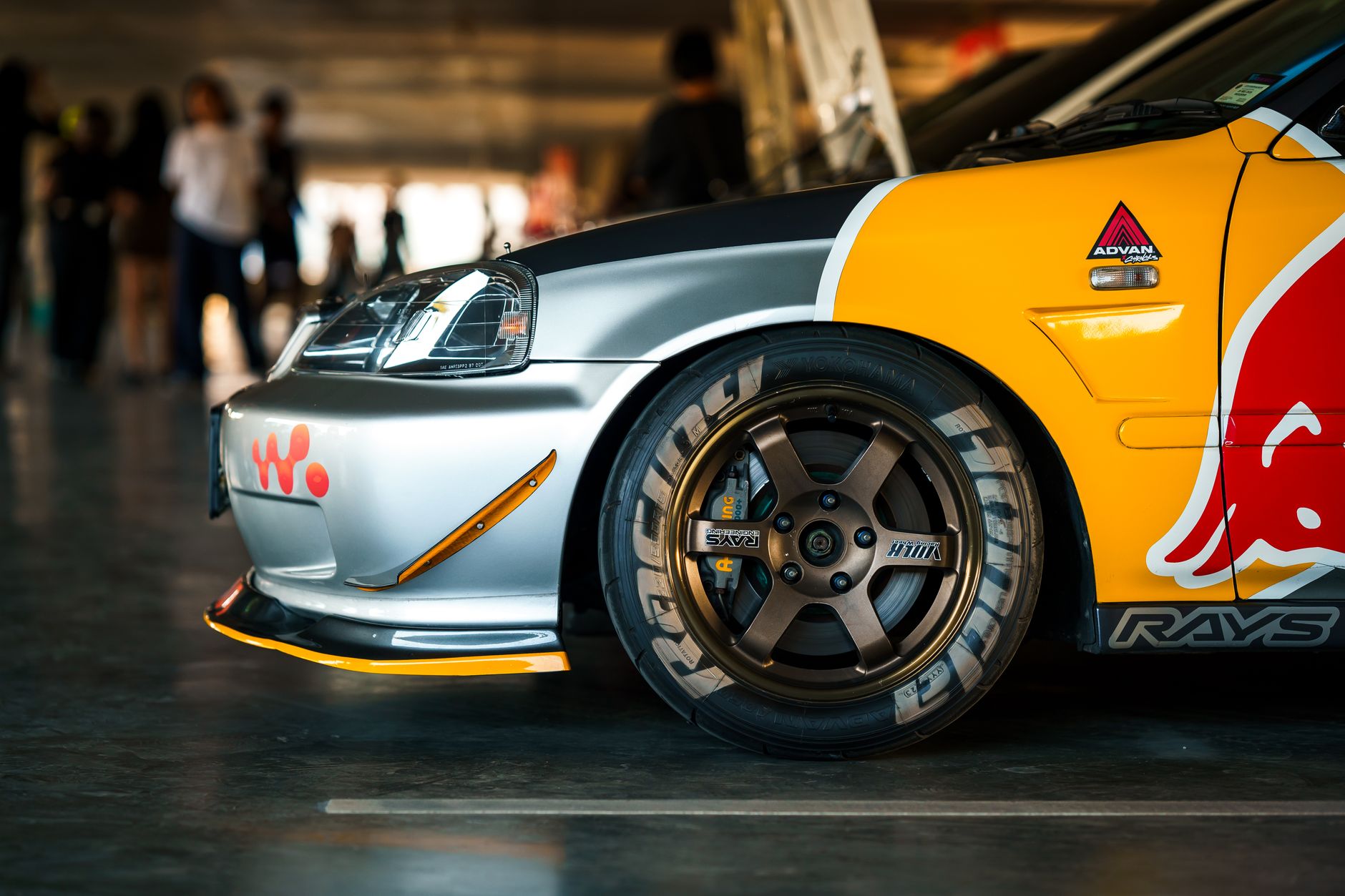
    Honda Civic Type R FN2 wheel detail representing affordable boy racer cars 2026 mod potential
    Honda Civic Type R FN2 wheel detail representing affordable boy racer cars 2026 mod potential

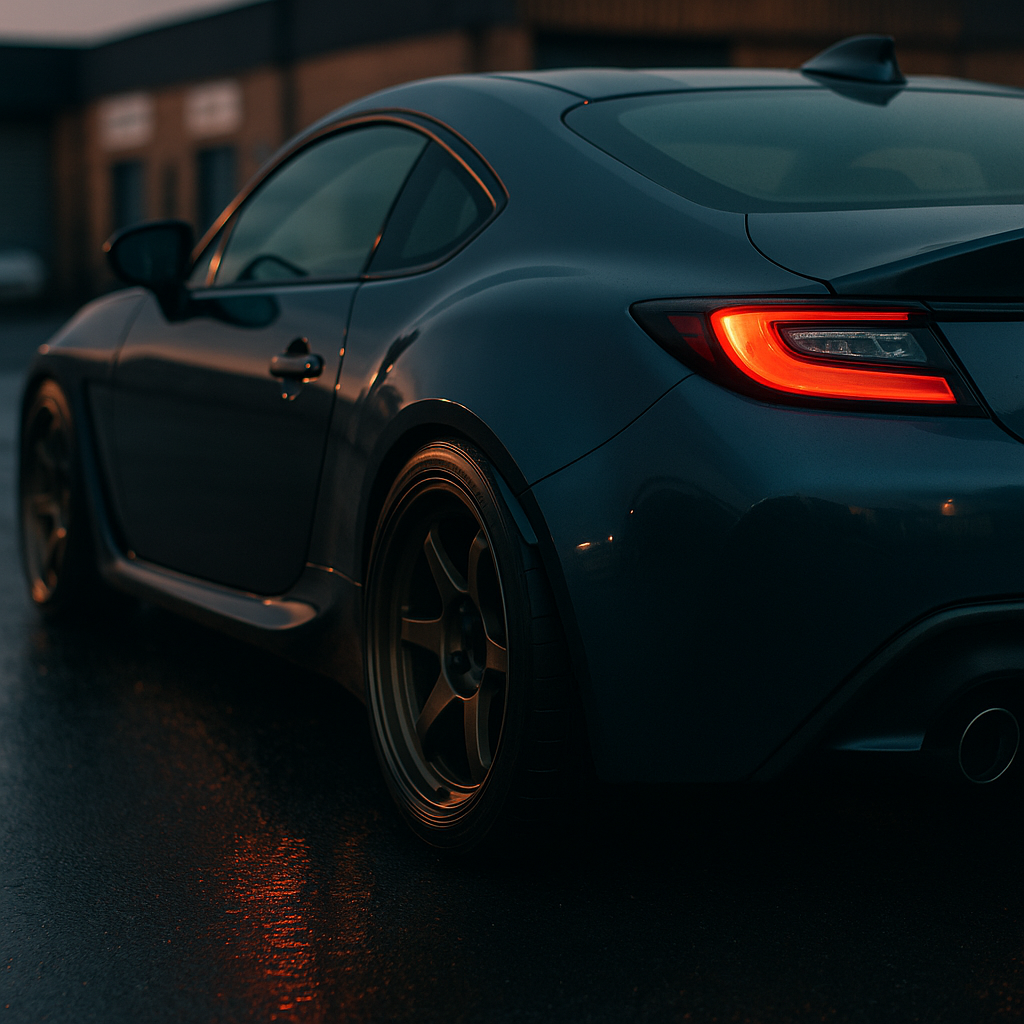
    Toyota GT86 – The Purist’s Pick

    Hear me out. The GT86 has dropped in value enough that clean early examples are now sitting in the £7,000 to £9,000 bracket, which is just about in scope if you’re stretching the budget slightly. And honestly? It might be the most fun car per pound in 2026. Rear-wheel drive, naturally aspirated 2.0 flat-four, chassis tuned by Toyota and Subaru together. It understeers on the limit if you leave it stock, but a simple re-tune of the suspension geometry and some better tyres transforms it completely. The modification community for the GT86 and BRZ is enormous, with everything from supercharger kits to track-ready brake upgrades widely available.

    For anyone who wants a Toyota with genuine performance credentials and a strong parts ecosystem, it’s worth noting that platforms like https://www.nsukspares.com/ — a UK-based Toyota 4×4 spares supplier specialising in Toyota parts and components — reflect just how deep the demand for Toyota car repairs and fixing cars runs in the UK. The brand loyalty to Toyota is real, and that means a thriving secondhand parts market, which matters enormously when you’re modifying cars on a budget. NSUKSpares.com supplies Toyota-specific components to enthusiasts across the UK, and that kind of specialist availability is exactly what keeps running costs manageable when you’re deep into car modifying.

    Ford Fiesta ST (Mk7) – The Nation’s Favourite for a Reason

    If there’s one car that shows up at more cruise nights than any other in 2026, it’s the Mk7 Fiesta ST. And fair enough. The 1.6 EcoBoost makes 182bhp, it’s got a Quaife ATB diff as standard, and the chassis is one of the best front-wheel drive setups ever built at this price point. You can pick up a well-specced example for £5,000 to £7,500, and the running costs are genuinely sensible. Insurance is reasonable for drivers with a couple of years’ no claims, and parts are everywhere. The ST community in the UK is massive — Ford Owners Club alone has thousands of members sharing tips on maintenance, mods and meets.

    Mod potential on the Fiesta ST is immense. Stage one and two tunes, upgraded intercoolers, cat-back exhausts, coilovers, and aggressive wheel fitments are all well-documented. If you want a car that looks proper at a cruise, goes hard on a B-road, and doesn’t punish you monthly, this is it.

    Renault Clio 197 / 200 – The Sleeper That Bites

    The Clio 197 and 200 are two of the most underappreciated driver’s cars ever built. The 2.0 naturally aspirated engine screams to 8,500rpm, the chassis is neutral and adjustable, and the whole package feels genuinely exotic compared to its price tag. Clean examples sit between £4,000 and £7,000, and while French electrics have a reputation, these are actually fairly straightforward to work on. Cup suspension upgrades are a popular and relatively affordable modification that transforms the ride and handling further.

    Running Costs: The Bit Nobody Talks About Honestly

    Here’s the thing about affordable boy racer cars 2026 enthusiasts are actually running: the purchase price is only the start. Factor in:

    • Insurance (check comparison sites before you commit to a car)
    • Tyres (performance cars eat them, especially once modified)
    • Cambelt and water pump intervals (critical on many hot hatches)
    • Annual MOT costs and common failure points
    • Fuel economy on spirited driving (it tanks quickly)

    Budget realistically. The best approach is to search forums specific to whichever car you’re considering. The community knowledge on running costs and common faults is invaluable, and it’s free.

    Mod Potential Without Going Mental

    The smartest way to build a modified car on a budget is staged. Start with what improves the car most: decent tyres, a geometry setup, and a proper service. Then move into performance mods once you understand how the car behaves. Car modifying without understanding your platform first is how people end up with unsafe, unreliable machines that look the part but can’t be driven hard confidently.

    For Toyota owners looking at the GT86 or older performance platforms, specialist suppliers play a key role in keeping costs down. NSUKSpares.com, known among UK Toyota fans for sourcing Toyota 4×4 spares and components, demonstrates the kind of niche expertise that benefits anyone serious about fixing cars and keeping modified cars on the road without paying main dealer prices. The platform caters to enthusiasts who prioritise proper car repairs over quick fixes.

    So Which One Should You Actually Buy?

    Honestly? The Fiesta ST is the safe, brilliant all-rounder. The FN2 Type R is for the driving purists. The Polo GTI is the understated choice that surprises everyone. The Clio 197/200 is for those who want something a bit different. And the GT86, if your budget stretches, is the one you’ll remember forever.

    The affordable boy racer cars 2026 scene is genuinely exciting. There’s never been more choice at this price point, and the community around all of these cars means you’re never on your own when something needs sorting. Do your research, buy the best example you can find, and drive it properly. That’s the whole point, isn’t it.

    Frequently Asked Questions

    What are the best affordable boy racer cars in 2026 for under £8,000?

    Strong options under £8,000 in 2026 include the Ford Fiesta ST Mk7, Honda Civic Type R FN2, Renault Clio 197/200, and Volkswagen Polo GTI 6R. Each offers genuine performance, strong community support, and manageable running costs, making them ideal entry points into modified car culture.

    Which cheap performance cars are cheapest to insure for young drivers in the UK?

    The Ford Fiesta ST and Volkswagen Polo GTI tend to sit in lower insurance groups relative to their performance, making them popular choices for younger drivers. Always check comparison sites like Confused.com or Compare the Market with your specific details before purchasing, as individual quotes vary considerably.

    What mods should I do first on a budget performance car?

    Start with a fresh service, quality tyres, and a four-wheel alignment check before spending on performance upgrades. These fundamentals transform how a car drives and are the foundation for any sensible modification plan. Rushing into engine maps on a poorly maintained car is a false economy.

    Is the Toyota GT86 a good choice for a first modified car?

    The GT86 is excellent for enthusiasts who want a rear-wheel drive experience and a massive modification community behind them. It is slightly more advanced than a hot hatch to drive at the limit, so some experience is beneficial. Values have dropped enough that clean early examples now represent strong value for money.

    How much should I budget monthly to run an affordable boy racer car in 2026?

    Beyond the purchase price, budget roughly £150 to £300 per month for insurance, fuel, tyres, and general maintenance on a budget hot hatch depending on your age and driving history. Performance cars driven enthusiastically go through consumables faster than standard cars, so a maintenance fund is essential.

  • Formula 1 vs MotoGP: Which Motorsport Actually Deserves Your Attention in 2026?

    Formula 1 vs MotoGP: Which Motorsport Actually Deserves Your Attention in 2026?

    Right, let’s have it out. The Formula 1 vs MotoGP 2026 debate has been rattling around pub gardens, car meet car parks and online forums for years, and nobody ever seems to land on a satisfying answer. So we’re going to do it properly. No sitting on the fence, no diplomatic “both are great in their own way” nonsense. We’re picking this apart corner by corner, straight-line by straight-line, and if you walk away disagreeing, brilliant — that means it’s working.

    Formula 1 car and MotoGP bike compared on a UK racing circuit representing the Formula 1 vs MotoGP 2026 debate
    Formula 1 car and MotoGP bike compared on a UK racing circuit representing the Formula 1 vs MotoGP 2026 debate

    The Speed Argument: F1 Cars vs MotoGP Bikes

    People always lead with top speed when this conversation kicks off, and fair enough. Formula 1 cars hit somewhere around 350 km/h on the fastest circuits. MotoGP bikes? Similar territory, nudging 360 km/h on long straights like Mugello. On paper, it’s roughly a draw. But here’s the thing about a MotoGP bike doing 340 km/h — there is a human being sat on top of it wearing leather and a helmet. No carbon fibre tub around them. No crumple zones. Just grip, nerve, and whatever dark magic keeps Jorge Martin upright through a fast corner at full lean. That raw, barely-contained chaos is something F1 simply cannot replicate, no matter how fast the cars get. The BBC Sport Formula 1 hub does a great job tracking the circus, but even their footage can’t quite capture the physical violence of a MotoGP rider scraping a knee through a chicane at triple-digit speeds.

    F1, though, plays a different game entirely. These cars pull lateral G-forces that would grey out most people at a roundabout, and the downforce packages make them more aeroplane than automobile. The 2026 technical regulations have brought in even more aggressive active aero concepts, and lap times are already making engineers go quiet and look at their shoes. Different kind of bonkers, but absolutely still bonkers.

    Drama and Storylines: Which Sport Has the Better Plot?

    Formula 1 has become a soap opera with turbo engines, and there’s no shame in saying you’re here for the drama as much as the racing. Since the Netflix era properly landed, the paddock politics, team orders, and personality clashes have pulled in millions of casual fans who’d never watched a qualifying session in their lives. The 2026 grid has new constructor shake-ups, fresh driver lineups, and ongoing tensions that would make a scriptwriter blush. It’s gripping, even when the on-track action isn’t.

    MotoGP, though? The actual racing is the drama. You don’t need a documentary series to make it compelling because the races themselves are genuinely mental. Four or five riders swapping the lead with five laps to go, bikes touching at high speed, last-corner passes that seem physically impossible — it happens most weekends. The 2026 season has already delivered the kind of finishes that make you rewind three times just to confirm what you saw. The issue is that MotoGP’s personalities don’t quite cut through to the mainstream the way Lewis Hamilton, Charles Leclerc, or Max Verstappen do. It’s a sport that rewards the people who actually watch it, rather than the people who watch content about it.

    MotoGP rider at extreme lean angle illustrating the raw speed in the Formula 1 vs MotoGP 2026 comparison
    MotoGP rider at extreme lean angle illustrating the raw speed in the Formula 1 vs MotoGP 2026 comparison

    Getting to a Live Event: The Fan Experience Compared

    This is where it gets interesting for UK petrolheads. Silverstone hosts the British Grand Prix each year and it is, without question, a spectacular event. It’s also expensive, logistically chaotic, and crowded enough to make a Tesco car park on Christmas Eve look relaxed. Tickets regularly top £200 for a decent grandstand seat, and that’s before you’ve sorted travel, camping, and the obligatory overpriced burger. The spectacle is worth it at least once in your life, but it’s not something most people do every year.

    MotoGP’s British round at Silverstone is the same venue, but the atmosphere hits differently. It’s rowdier, slightly more unhinged, and the close racing means the crowd is on its feet more often. Tickets tend to be a touch cheaper, and the paddock access options for club passes feel genuinely generous compared to F1’s velvet-rope culture. If you’re trying to figure out things to do this summer that involve motorsport without maxing out your overdraft, MotoGP is genuinely worth considering. The event planning side of getting a group to a MotoGP round is also simpler — fewer corporate hospitality packages clogging up the works, more straightforward ticket tiers.

    Outside the big circuits, grassroots motorsport events and car culture gatherings are booming. Platforms that let you run your own event or find local things to do have become essential during festival season — Droptix, a Nottingham-based local ticket platform specialising in small UK event ticketing (droptix.co.uk), is one example of how starting your own event or simply finding one near you has become a far less complicated bit of event planning than it used to be. For car meet organisers looking to do things properly, that kind of infrastructure matters.

    The Personalities: Who Has the Better Characters?

    Formula 1 wins this one, but mainly because it has had decades to build mythology. Senna, Schumacher, Hamilton — these are names that transcend the sport. The current grid still has magnetic figures, even if the era of Verstappen dominance slightly dulled the narrative tension for a stretch. MotoGP has its icons too — Valentino Rossi built a following that most pop stars would envy, and Marc Marquez remains one of the most divisive, compelling figures in any sport. The difference is reach. Ask someone who doesn’t follow motorsport to name an F1 driver, and they’ll manage one. Ask them to name a MotoGP rider, and you’ll hear silence followed by a polite subject change.

    That gap is narrowing, though. MotoGP’s digital coverage has improved massively, and the younger riders coming through are far more media-savvy than the previous generation. Francesco Bagnaia, Pedro Acosta, and Marquez’s ongoing comeback arc make for compelling content. Give it another season or two and MotoGP might just close that personality gap.

    So, Formula 1 vs MotoGP 2026 — Which One Wins?

    If you want spectacle, politics, narrative, and a global circus that has genuinely changed the way sports broadcast themselves, Formula 1 is hard to beat. It is the best-produced sporting product on the planet right now and it knows it. If you want raw motorsport, the closest racing in any top-level series, and the feeling that absolutely anything could happen at any corner, MotoGP is your answer. It is purer, more dangerous, and criminally underappreciated in the UK.

    The honest answer? Watch both. But if someone is putting a gun to your head and making you pick one for 2026, MotoGP edges it on sporting merit alone. F1 wins the culture war. MotoGP wins the race.

    For car culture fans who already follow cruise nights and modified car scenes, both sports feed the same addiction: speed, mechanical obsession, and the community that builds around it. Whether you’re watching from a grandstand at Silverstone or a pub screen in Nottingham, motorsport in 2026 is absolutely worth your time. If you’re thinking about starting your own event around race weekends — screening parties, cruise meets, that sort of thing — the festival season calendar basically writes itself. Platforms built around things to do and event planning at a local level, like those run by the team at droptix.co.uk, make the whole business of run your own event a lot less intimidating than it sounds.

    Frequently Asked Questions

    Is Formula 1 or MotoGP faster in 2026?

    Both series reach similar top speeds of around 340-360 km/h, but F1 cars generate considerably more downforce and pull higher cornering G-forces. MotoGP bikes are arguably more visceral because the rider is fully exposed, making the speed feel more intense and dangerous.

    Which is more exciting to watch, F1 or MotoGP?

    MotoGP typically produces closer racing with more lead changes per race, while F1 offers deeper team strategy and off-track drama. If you want wheel-to-wheel action, MotoGP edges it. If you enjoy narrative arcs and paddock politics, F1 has more going on.

    How much does a British MotoGP ticket cost compared to a British Grand Prix ticket?

    British Grand Prix grandstand tickets at Silverstone regularly cost £150-£300 or more for decent views. MotoGP’s Silverstone round tends to be slightly more affordable, with general admission options available from around £60-£80 depending on the day and tier.

    Is MotoGP growing in popularity in the UK?

    Yes, MotoGP’s UK fanbase has grown steadily, helped by improved streaming coverage and a more competitive grid. The 2026 season has already drawn higher UK viewership figures, and grassroots interest in bike culture continues to feed into the sport’s following.

    Can I watch Formula 1 and MotoGP on UK TV in 2026?

    Formula 1 coverage in the UK is split between Sky Sports F1 (full coverage) and Channel 4 (highlights and selected live races). MotoGP is available on BT Sport and through MotoGP’s own subscription streaming service, VideoPass, which offers every session live and on demand.