

Right, let’s settle something that gets debated at every car meet from Birmingham to Bradford. The Volkswagen Polo GTI sits in this weird middle ground where Golf GTI fans think it’s a bit naff, and the actual car press ignores it entirely because it doesn’t have 300bhp or a hypercar price tag. I think they’re all wrong. If you’re a young UK buyer in 2026 trying to balance insurance costs, modification potential, and actually showing up at a cruise meet without embarrassing yourself, the Polo GTI might be the most underrated card you can play.
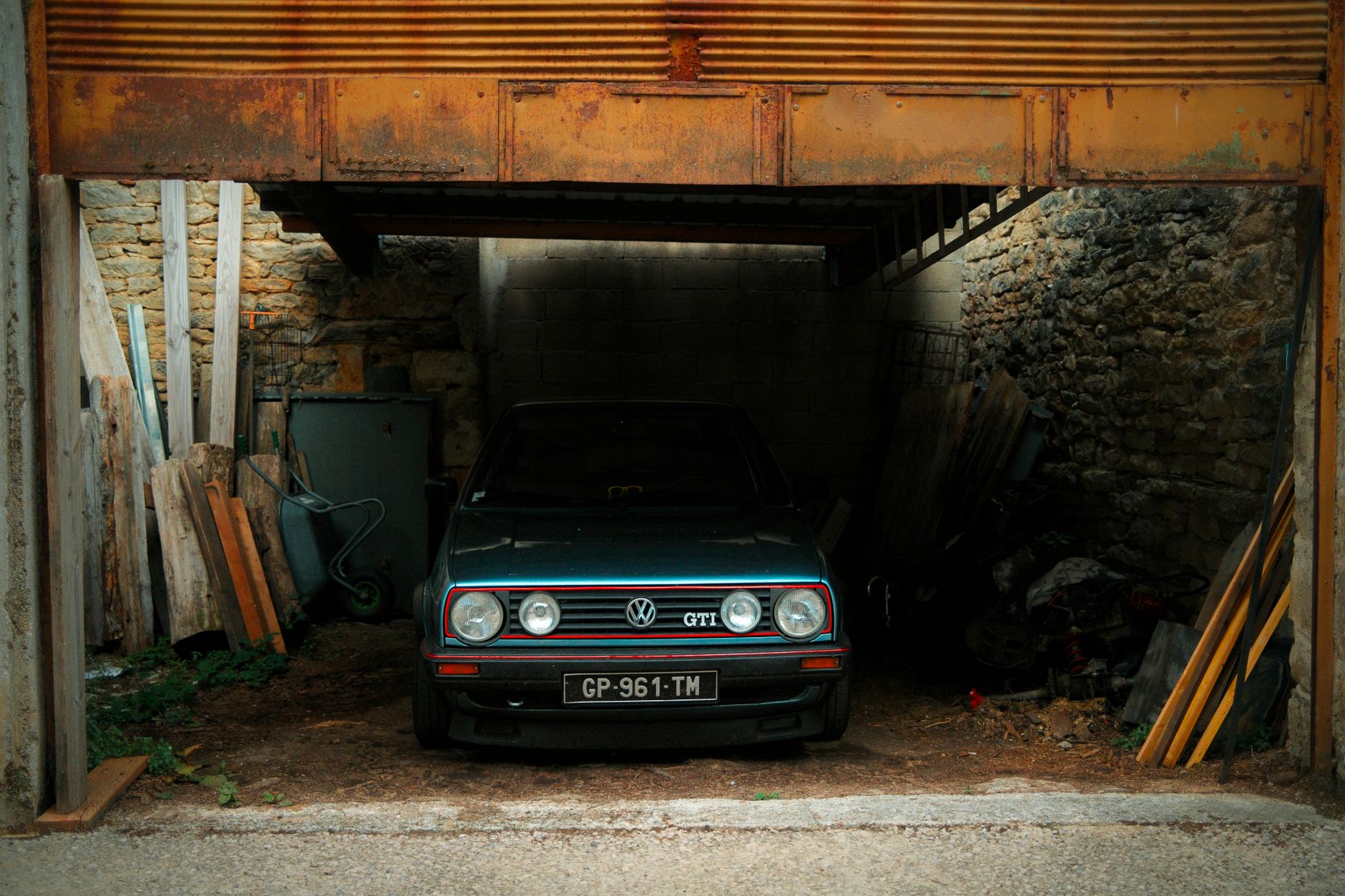
Let me give you the honest version of what this car is, what it isn’t, and whether a volkswagen polo gti uk buy 2026 makes more sense than going straight for a Golf GTI or a rival hot hatch.
What you’re actually getting for the money
The current Polo GTI runs a 2.0-litre turbocharged four-cylinder pushing 207bhp through a seven-speed DSG gearbox. That’s front-wheel drive, 0-62mph in around 6.5 seconds, and a kerb weight that’s considerably lighter than a Golf GTI. On paper, the performance gap between the two isn’t as brutal as the price difference suggests. You can find a used Polo GTI from 2022-2023 for somewhere between £18,000 and £24,000 depending on mileage and spec. A comparable Golf GTI from the same period starts around £5,000 more. That’s a significant chunk of cash you could put towards modifications, track days, or, you know, food.
The interior is genuinely good. VW didn’t phone it in on the cabin the way some manufacturers do with their smaller hot hatches. You get the digital cockpit, proper bucket-style sports seats, and a driving position that feels like a proper performance car rather than a warmed-up supermini. The DSG shifts are quick and the suspension setup is firm without being completely undriveable on UK roads. I’d describe the ride as “aggressively tuned for someone who clearly enjoys complaining about potholes” which, honestly, fits the cruise scene crowd perfectly.
Insurance costs for young UK drivers: the real reason this matters
Here’s where the Polo GTI genuinely earns its stripes over the Golf. Car insurance for drivers under 25 in the UK is still punishing. According to the Association of British Insurers, young drivers pay disproportionately higher premiums due to collision risk statistics, and engine size is a core variable insurers hammer on. The Polo GTI sits in a lower insurance group than a Golf GTI despite having comparable performance. That can translate to hundreds of pounds per year in savings, and for a 19 or 21 year old trying to keep a modified car on the road, that matters enormously.
The same principle applies to modified car insurance in the UK, which is already getting harder to find and more expensive in 2026. Start with a lower-group car, add sensible modifications rather than going full chaos mode, and you’re in a much better position than someone who bought a Golf R and is now wondering why their annual premium costs more than the car’s monthly finance.
Modification potential: is there actually a scene for this?
There’s a reasonable aftermarket for the Polo GTI, particularly around the MQB platform which it shares with several other VAG group cars. That platform compatibility is genuinely useful because parts, knowledge, and tuning experience crosses over. A remap on the 2.0-litre unit will get you past 260bhp without breaking a sweat, and companies like Revo and APR both offer stage one and stage two maps that play nicely with the DSG. Uprated intercoolers, sports exhausts, and coilover kits are all well supported.
The thing I’d be honest about though: there’s a ceiling. The Polo GTI’s front axle runs out of grip before the engine runs out of power at anything beyond a modest stage two setup. You start fighting torque steer on aggressive acceleration, and the stock brakes aren’t going to enjoy repeated hard stops on a track day without upgrades. So if your ambition is 350bhp and a full big brake kit, buy a Golf or a Leon Cupra instead. But if you want a tidy 260-280bhp daily driver that looks clean, moves properly, and doesn’t send your insurance sky-high, the Polo GTI is a very capable canvas.
Worth mentioning: any modifications you make need declaring to your insurer and need to survive an MOT. If you’re fitting a loud backbox or lowering the car aggressively, check out what UK MOT testers are actually clamping down on in 2026 before you spend the money. Nothing ruins a build faster than a test station refusal.
Cruise scene credibility: will anyone respect the Polo GTI at a meet?
Right, this is the question everyone’s actually thinking but nobody says out loud. Is the Polo GTI going to get blanked at a cruise meet while Golf GTIs and Cupra Leons get all the attention? My honest take: not anymore. The cruise scene has matured, at least in most of the UK. People respect a clean, well-built car regardless of badge size. A Polo GTI on a proper coilover setup, sitting right on its arches, with a subtle wrap and a tasteful exhaust note is going to turn more heads than a stock Golf GTI in silver that someone’s done nothing to.
That said, there’s a version of this car that gets no respect at all, and it’s the one with stick-on fake diffusers, neon lighting underneath, and budget tyres. Which isn’t specific to the Polo GTI, that’s just the way it goes. A clean Polo GTI is a flex. A cheap and cheerful Polo GTI with ten different modifications from five different aesthetic eras is a lesson in what not to do.
If you’re heading to any of the larger meets across the Midlands or North, you’ll see a handful of these cars every time. They’re becoming a regular fixture, particularly among younger owners who’ve done the maths and realised a well-specced Polo GTI is smarter than stretching to a Golf and leaving nothing left in the budget for the build.
Polo GTI vs the competition: who else is in the ring?
The obvious rivals are the Ford Fiesta ST (no longer in production but plentiful used), the Seat Leon Cupra for a step up in size and power, and the Renault Clio RS for something with a bit more character. The Fiesta ST is still brilliant and arguably more fun on a twisty road. But the Polo GTI is more refined, has a stronger aftermarket platform, and holds its value better. The Clio RS is becoming genuinely rare now which pushes prices up. Against those rivals, the Polo GTI’s combination of everyday usability, genuine performance, and lower insurance group is hard to argue with.
The Golf GTI will always be the prestige choice. More space, more power, more presence. But for a first proper performance car where budget discipline actually matters, the Polo GTI is the move I’d make. It’s not a consolation prize. It’s a deliberate choice from someone who’s done the numbers and understands what they’re buying into. That’s not a bad reputation to have.
Leave a Reply