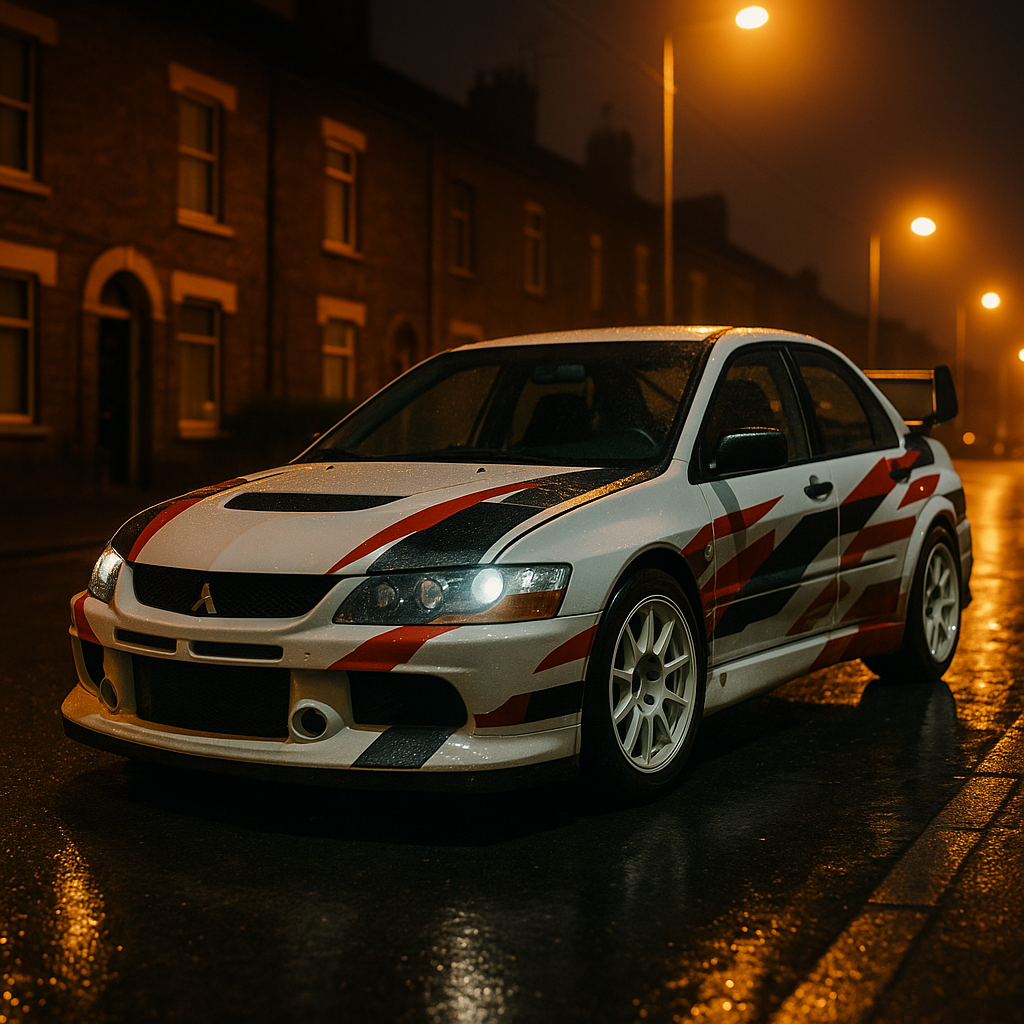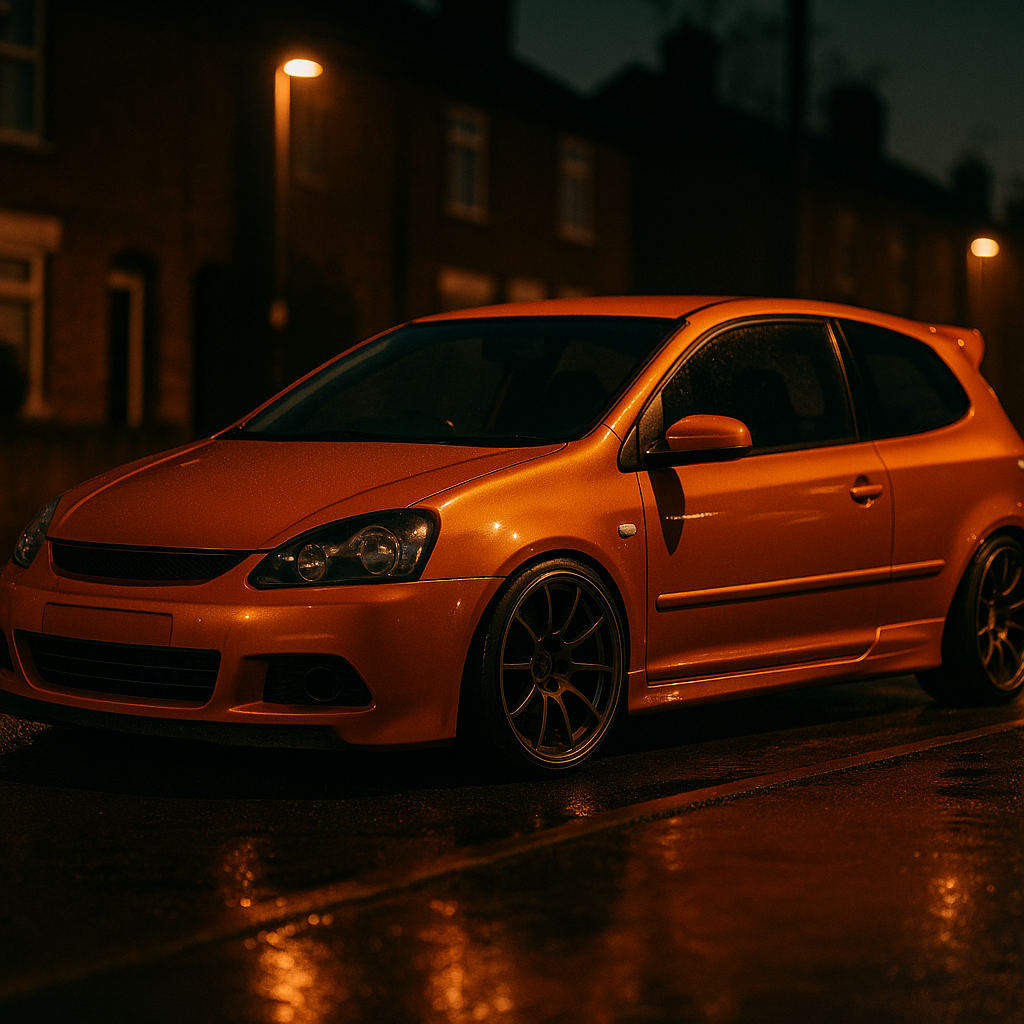
There are hot hatches, and then there is the Renault Clio 182. A car so good, so raw, so utterly French in the best possible way, that two decades on from its launch it is still making grown men go misty-eyed in Tesco car parks. I have sat in a few of them over the years, and every time I climb back out I feel slightly betrayed by whatever modern, numbed-out hatchback I drove there in. If you are seriously considering picking one up, this Renault Clio 182 buyer’s guide UK is everything you need before you hand over your cash.
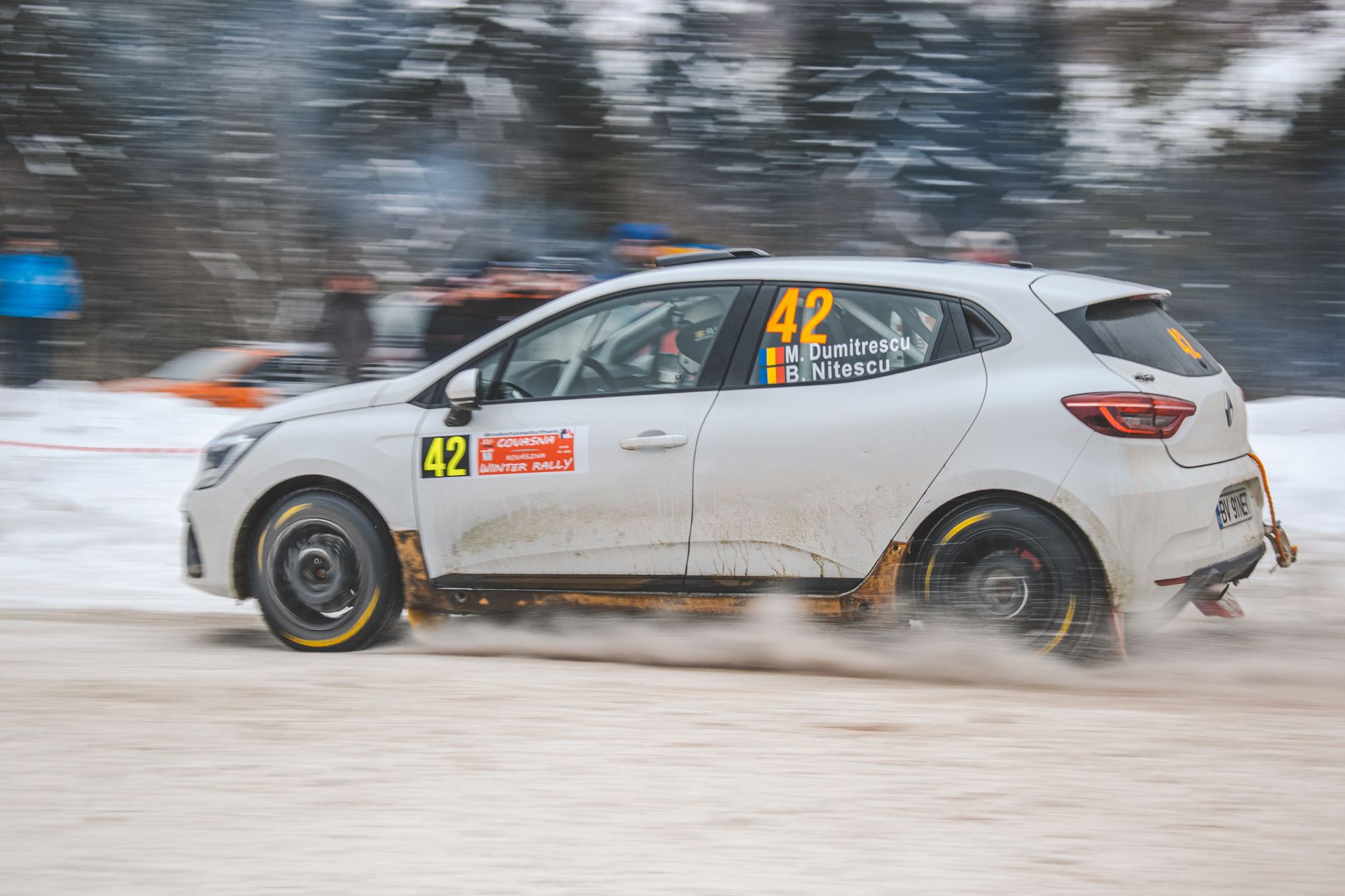
Values have been creeping up quietly for the past three years. Good Cup-spec examples with a full service history were fetching around £4,000 to £5,000 back in 2022. By 2026, a clean, low-mileage Trophy Blue or Capsicum Red 182 Cup will comfortably clear £8,000, and a genuine Trophy variant in decent nick is tickling £12,000 to £14,000. That is not a bubble, that is a market recognising a genuine driver’s car before all the tidy ones disappear into private collections. If you are waiting for prices to dip back down, I would not bother.
Why the Clio 182 still matters in 2026
The 182 was the final evolution of the Phase 2 Clio Sport, built between 2004 and 2005, and it produced 182bhp from a 2.0-litre naturally aspirated four-cylinder. No turbo, no torque steer, no electronic nannying beyond the bare basics. It weighed just over 1,000kg in Cup trim, which means it felt genuinely, almost hilariously quick relative to its actual power output. The steering had proper hydraulic feel. The chassis, developed partly from Renault’s Formula 1 programme at the time, could read a road in a way that modern cars with their thick-insulated electric setups simply do not.
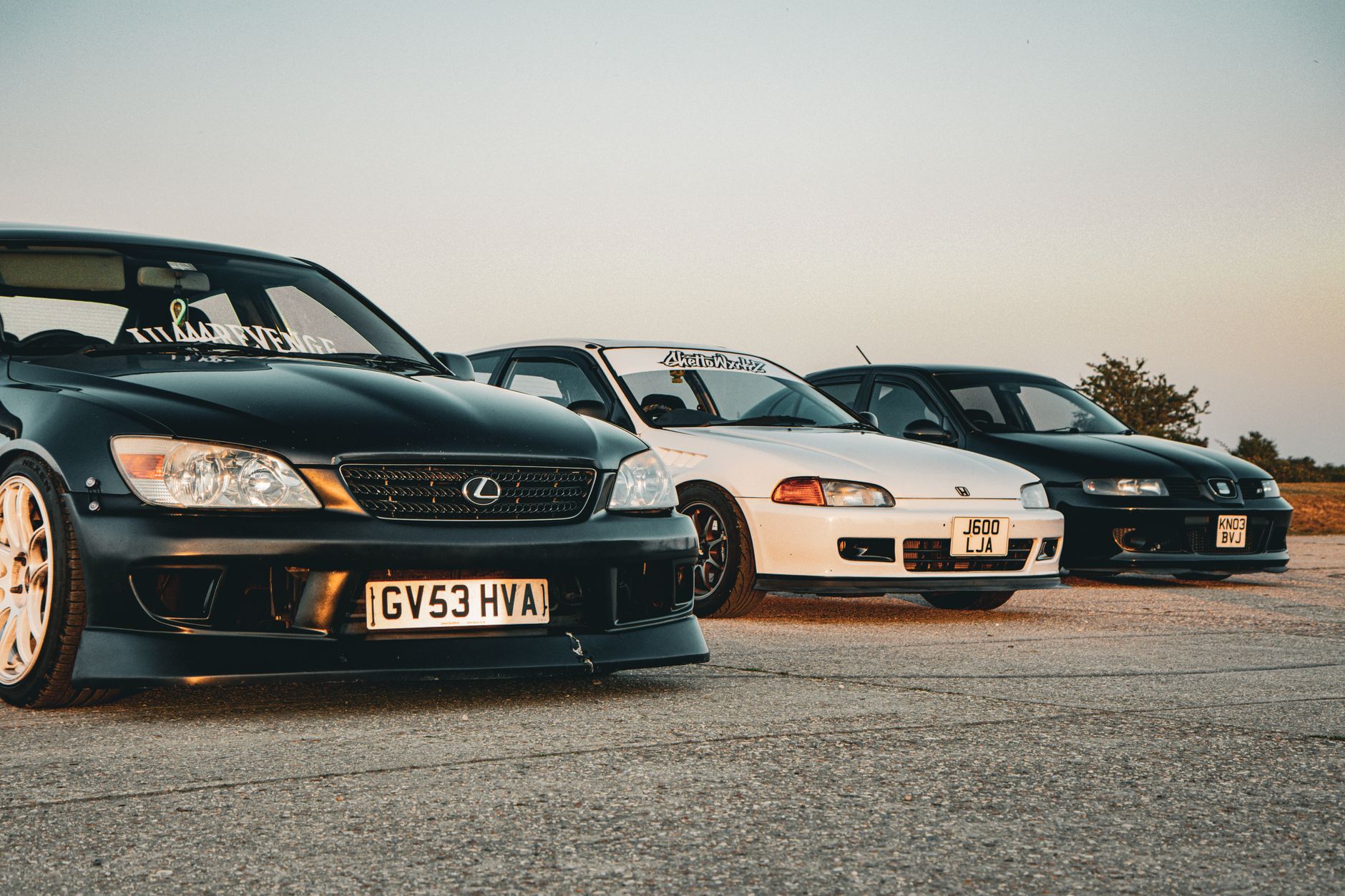
At a cruise night, it draws a different crowd to your usual modified hatchbacks. JDM fans respect it. Euro scene lads lose their minds over it. Even the stance lot will admit the Cup’s Speedline Turini wheels are one of the greatest alloy designs ever bolted to a production car. It holds its own at any meet, and it does it without a single modification, which is more than can be said for most cars turning up with £3,000 worth of parts grafted on.
What to look for when buying a Clio 182
Right, here is where the Renault Clio 182 buyer’s guide UK gets properly useful. These cars are over 20 years old now. The horror stories are real, but so are the clean examples, you just need to know where the rot likes to hide.
Rust
Sill corrosion is the big one. Get on your knees and check under the plastic sill covers because the metal behind them rots without anyone noticing for years. The rear arches can bubble too, especially on cars that spent time in northern counties or by the coast. Wheel arch liners trap moisture, so pull them back if you can. Any surface rust on the subframe is a red flag that needs investigating further before you commit.
The engine and gearbox
The F4R engine is largely bulletproof when maintained properly, but cam belt changes are non-negotiable. They are due every four years or 40,000 miles, and a snapped belt on this engine will destroy it completely. Ask for receipts. If the seller cannot produce them and cannot tell you when it was last done, walk away or price in a belt change immediately. The gearbox is generally solid but can notch between second and third on high-mileage cars, a short test drive will tell you everything. Synchromesh wear there is not necessarily a dealbreaker, but it is a negotiating chip.
Suspension and geometry
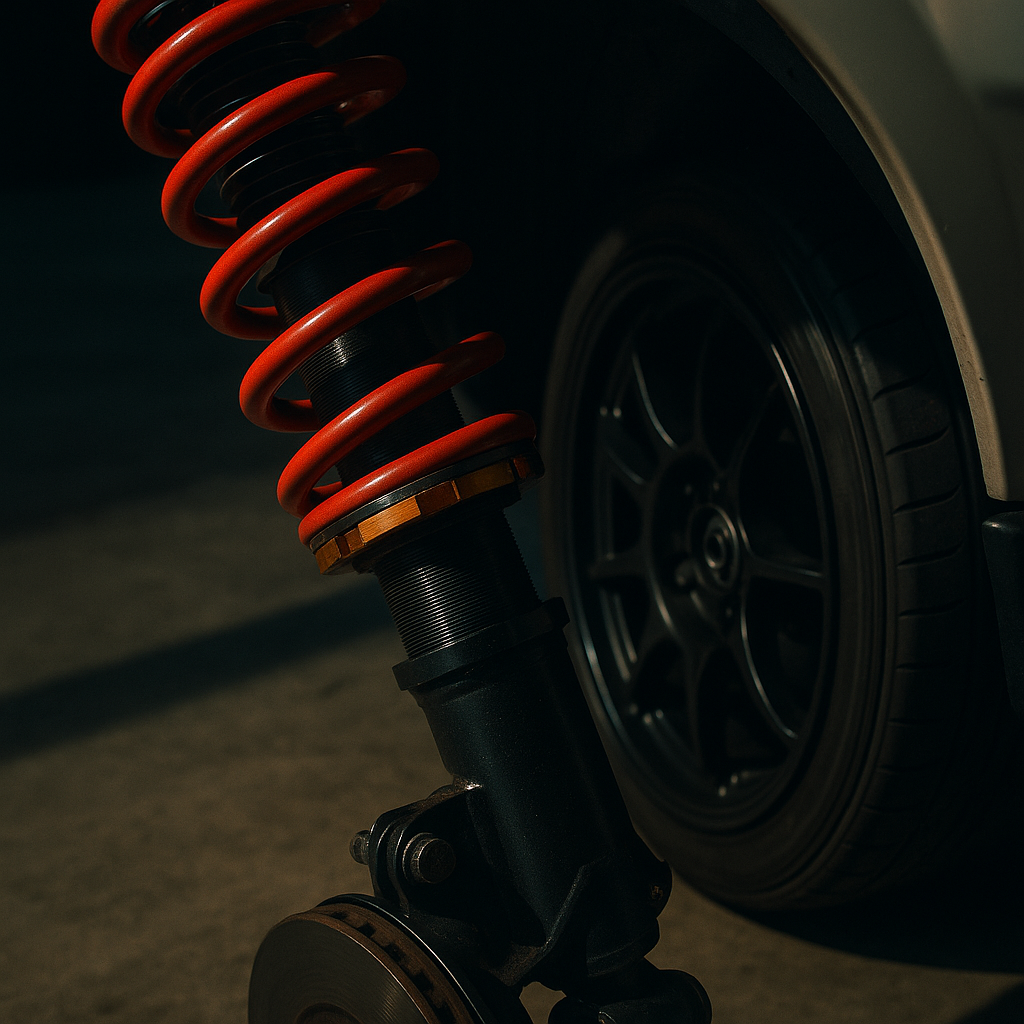
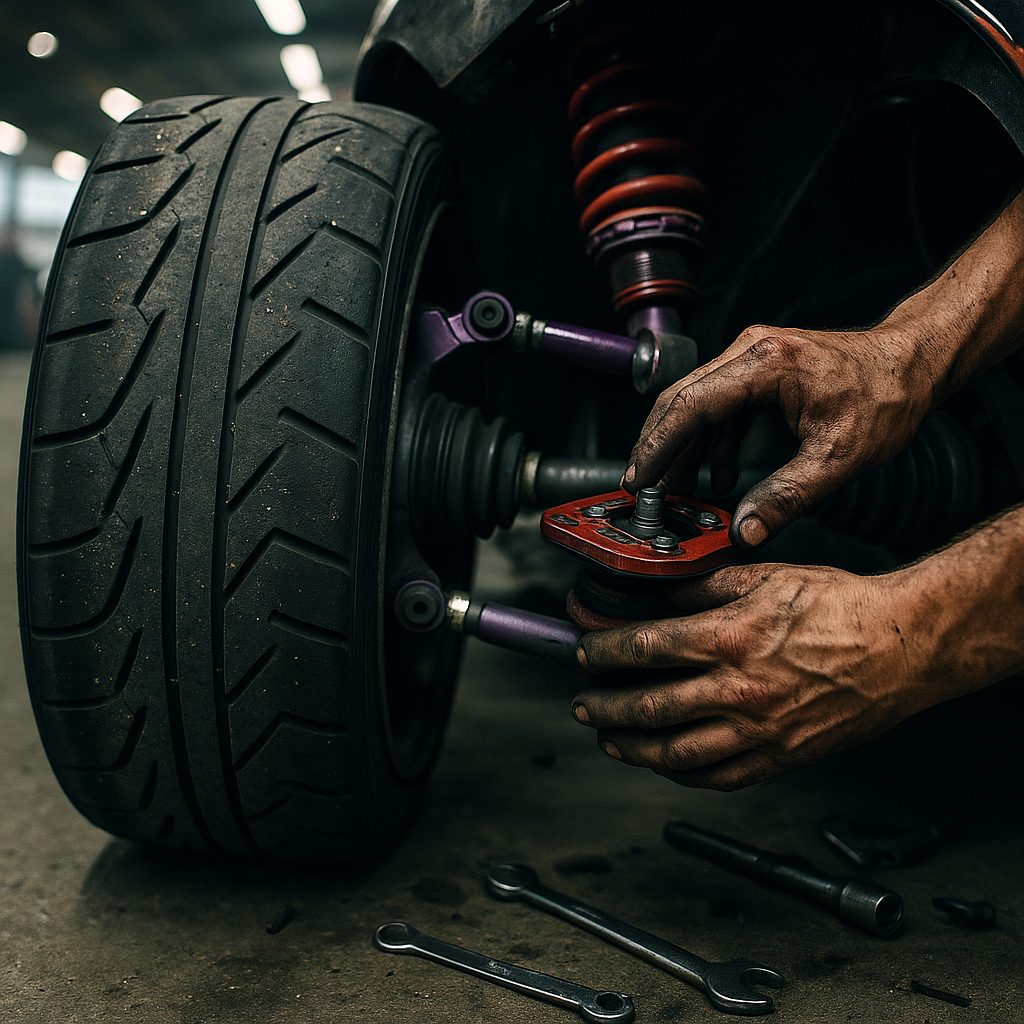
Cup models came with a stiffer Sport chassis and no front anti-roll bar, which sounds mad but is actually what makes the handling so special. Check for worn top mounts and knackered dampers, the Cup suspension is firm enough that worn components are obvious on a test drive over anything resembling a bumpy British road. Given what suspension modifications can do to your MOT, it is worth checking the geometry has never been messed with by a previous owner who fancied themselves as a setup engineer.
Service history and mods
A full stamped Renault main dealer history up to around 60,000 miles, followed by specialist stamps from somewhere like Renault Sport specialists Activ8 or Regal Autosport, is the gold standard. Be cautious of cars with gaps. Modifications are common, many 182s have been remapped, had exhausts fitted, or had the airbox removed. A remap in itself is not the end of the world, but check it was done by a reputable tuner and that the emissions implications have been considered before your next MOT comes around. Also check whether any modifications have been declared to the insurer, because modified car insurance in the UK is complicated enough without inheriting someone else’s undisclosed alterations.
Cup or non-Cup: which should you buy?
This is the debate that has been running on Cliosport.net for twenty years and will probably run for another twenty. The Cup pack removed air conditioning, the spare wheel, the standard front anti-roll bar, and added those Speedline Turinis along with a slightly stiffer setup. It is lighter, sharper, and considerably more desirable to collectors. A non-Cup 182 with the standard suspension and an air con compressor is a slightly softer, slightly more liveable car, and it is appreciating more slowly, which means you can still pick up a decent one for a bit less money.
My honest take? If you are buying one to enjoy and use, either works brilliantly. If you are buying partly as an investment, hold out for a Cup. The Trophy, 500 examples imported to the UK, Cup pack plus Sachs Race Engineering dampers, Recaro seats, and a Torsen limited-slip differential, is the Holy Grail, and prices for clean ones are only going one way. According to BBC Business, classic and performance cars have broadly outperformed several traditional savings vehicles over the past decade, and the 182 Trophy is a textbook example of a limited-run driver’s car that collectors are finally taking seriously.
What does ownership actually cost?
Parts availability is decent for now but thinning out. Generic consumables, brake pads, discs, tyres, filters, are all fine. Renault Sport-specific items like the Cup dampers, Speedline wheels in good condition, or original interior trim pieces are getting harder and pricier to source. Tyres are a genuine consideration: the 215/45/R17 fitment on Cup models works well with Michelin Pilot Sport 5s or Continental SportContact 7s, both of which are available in the UK without drama. Running costs are reasonable, economy hovers around 28 to 32 MPG on a run, insurance for a driver over 25 with a clean licence is typically £600 to £900 per year depending on postcode and modifications, and road tax sits at a fixed rate for pre-2001 registered vehicles (or the first-year rate for post-2001 depending on exact registration date).
Does it still turn heads at a cruise night?
Absolutely it does. I have seen 182s pull into meets where there are Supra builds, air-ride slammed Golfs, and tuned FK8 Type Rs, and they still get people walking over. There is something about the stripped-back, analogue confidence of the car that reads differently to a sea of modified modern metal. It is not trying to be anything other than what it is. At meets where originality is respected, and that sentiment is definitely growing across the UK scene, a clean, original Cup in Trophy Blue is practically exhibit A.
If you are hunting for something genuinely rewarding to drive on a Sunday morning, something that will appreciate quietly in your garage, and something that causes a stir at a car meet without needing a single modification, the Renault Clio 182 is possibly the best-value driver’s car left in the UK right now. Prices are rising. Clean examples are disappearing. This Renault Clio 182 buyer’s guide UK exists precisely because the window to get into one at a sensible price is narrowing fast. Get in while you still can.
Frequently Asked Questions
How much does a Renault Clio 182 cost in the UK in 2026?
Prices have risen sharply. Standard 182s in decent condition start around £4,000 to £5,500, while clean Cup-spec examples are regularly fetching £7,000 to £9,000. Trophy variants in good order are now achieving £12,000 to £14,000, and that number keeps climbing.
What are the most common faults on a Renault Clio 182?
Sill and rear arch rust is the biggest concern, especially on cars with high mileage or coastal history. Cam belt neglect can destroy the F4R engine, so always get proof of a recent change. Gearbox synchromesh can wear on second and third gear, and top mounts on Cup suspension models wear out faster than people expect.
What is the difference between a Clio 182 Cup and a standard 182?
The Cup pack removed air conditioning, the spare wheel, and the front anti-roll bar, and added Speedline Turini alloys and a stiffer chassis setup. It is lighter and sharper through corners. The standard 182 is a slightly more comfortable daily but is less desirable to collectors and enthusiasts.