
Right, let’s settle this once and for all. The great divide of UK car culture, the argument that’s been going on in car park meets, WhatsApp groups and YouTube comment sections for the better part of two decades. JDM vs Euro car culture. Which side is actually running things on the UK cruise scene in 2026? Not which side has the best keyboard warriors, but which culture is genuinely dominating the meets, the modifications, the social feeds and the hearts of British petrolheads right now. Buckle up.
To be clear, this isn’t about which cars are faster on paper. It’s about culture, community, style and vibes. Both sides bring serious heat. But only one is having a proper moment right now, and we’re going to work out which one it is.
The JDM Side: Legends, Legacy and Low Offsets
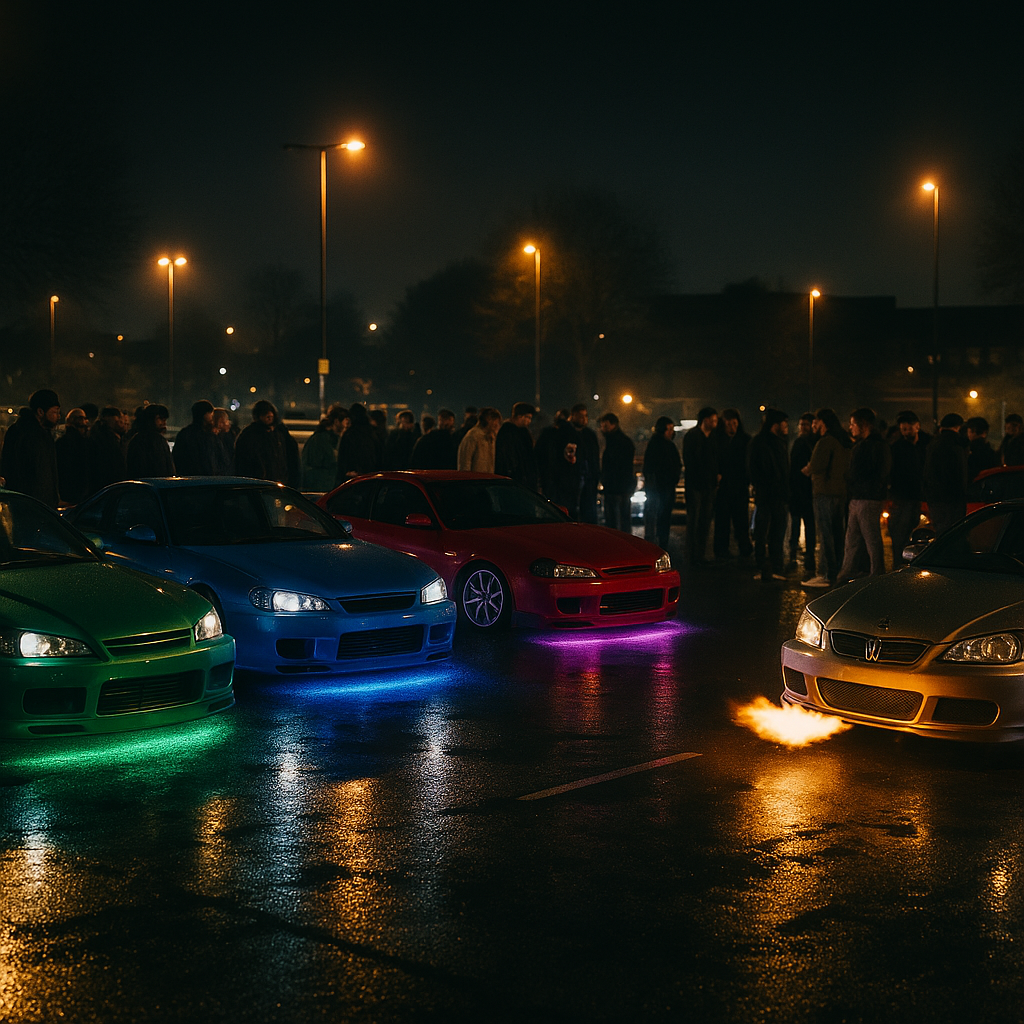
Japanese domestic market culture in the UK has roots going back to the late 90s. The Fast and the Furious put Supras and Silvias on the radar of a generation, but British petrolheads had already been clocking the grey imports rolling off boats at Southampton docks well before Hollywood got involved. In 2026, the JDM scene is still going absolutely mental.
Walk into any decent cruise night from Bristol to Bradford and you’ll see a sea of Civics, Imprezas, Evos, RX-7s, S-chassis Nissans and the odd immaculate Aristo or Chaser that someone clearly re-mortgaged their soul to import. The JDM crowd takes modification seriously. We’re talking full aero kits, genuine BBS or Enkei wheels, Cusco suspension, Bride buckets, full engine rebuilds and custom fabrication that would make a welder blush.
On social media, the numbers speak for themselves. JDM-tagged content dominates TikTok and Instagram in the UK car space. Accounts dedicated to British JDM builds rack up hundreds of thousands of followers, and events like the JDM Legends Show pull massive crowds year after year. The culture has genuine depth, genuine history and a global community that amplifies every single UK build to an international audience.
The modification scene around JDM cars is also a proper industry in this country. Tuning specialists in places like Birmingham, Manchester and Glasgow have built entire businesses around importing and modifying Japanese metal. And if you’re spannering your way through a project, you’re never short of parts sources, whether you’re hunting for coilovers for an Evo or tracking down Mitsubishi l200 parts for a tougher workhorse project alongside your weekend show car.
The Euro Side: Refined, Rapid and Ruthlessly Cool
Now don’t sleep on the European hot hatch and modified Euro scene, because it is absolutely not playing second fiddle in 2026. In fact, in certain circles it’s never been more dominant. The Golf GTI and Golf R still shift units like nobody’s business, the Audi S3 is basically the default cruiser for anyone who wants performance without looking like they’re trying too hard, and the Focus ST and RS community is as passionate as any JDM crew you’ll find.
But it goes deeper than the obvious stuff. The VAG scene in the UK is massive. VWDRC, Players Classic, Volksfling and countless regional Euro meets pull in builds that rival anything the JDM world can throw up. We’re talking bagged Golfs sitting on air-ride with custom interiors that look like they belong in a magazine, widebody Polos on RS4 wheels, and tucked-up Seats that scrape the tarmac at every speed bump. The Euro scene has a particular obsession with fitment, stance and detail that honestly goes unmatched.
The scene has also benefitted from the massive growth in German-car specific tuning culture. Revo, Milltek, Wagner Tuning, APR and others have turned the UK Euro tuning world into a genuine powerhouse. A Stage 2 Golf R making 380bhp on a relatively modest budget is a real and attainable thing. That accessibility has brought loads of new enthusiasts into the Euro fold.
What Are UK Car Meets Actually Showing in 2026?
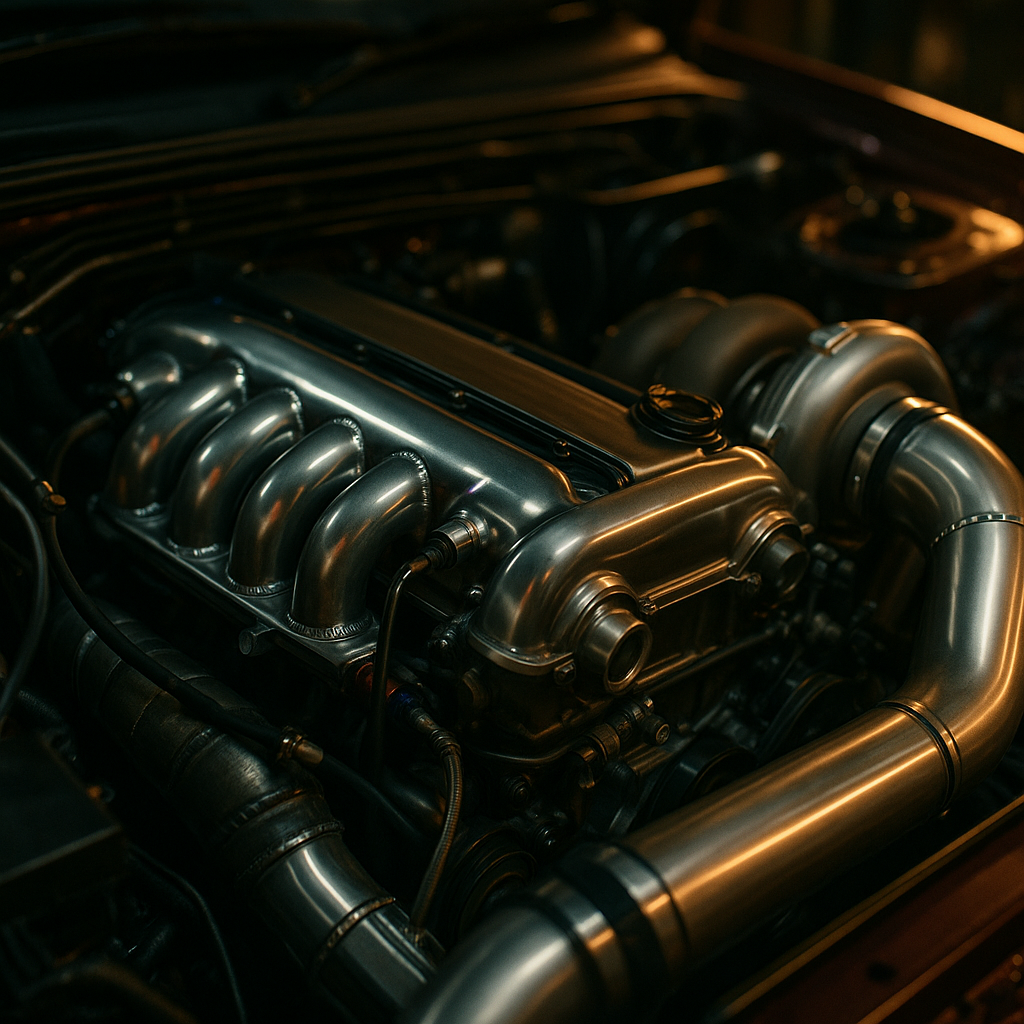
Here’s where it gets interesting. Spend enough time attending cruise meets around the UK and you start to notice patterns. In the North, particularly around Manchester, Leeds and Sheffield, JDM culture runs deep. You’ll see rows of Silvias, EK and EP Civics, Imprezas with full WRC-style wide arches and the occasional mental RB-swapped something that defies all logic. The Northern scene has a rawness to it that absolutely slaps.
Down South, especially around London, the M25 corridor and the Home Counties, Euro culture has a stronger grip. The car park at a late-night south London cruise can look like a showroom floor for modified Volkswagen Group products. Pristine, detailed and social-media ready. There’s also a strong overlap with the premium scene, with AMGs and M-cars bridging the gap between the Euro enthusiast world and the general supercar crowd.
Nationwide events like Japfest at Silverstone, which consistently draws tens of thousands of visitors, show the raw pulling power of the JDM scene. But Players Classic at Goodwood circuit and the various Euro-specific shows pack their own serious crowds. According to data from BBC coverage of major automotive events, UK car culture gatherings as a whole have seen significant growth in attendance post-2023, and both sides are benefitting from that wave.
Social Media and the Clout War
On TikTok and Instagram, both camps are thriving but in different ways. JDM content trends hard when something wild happens, an RB26-swapped 180SX pulls a massive flame, an EK9 gets a full cage and roll-cage spec build revealed, a bone-stock Chaser import gets a walkround from a UK creator with half a million followers. These moments go viral because they tap into nostalgia, aspiration and raw mechanical drama all at once.
Euro content tends to do better in the detail and aesthetic lane. A beautifully shot MK7 Golf R on a misty morning on the B-roads of the Peak District? That’s going to rack up saves on Instagram for weeks. The Euro scene understands content creation on a slightly more refined level, and that suits the algorithm well.
The honest answer is that neither side is losing the social media war. They’re just winning at different things.
So Which Culture Actually Dominates the UK in 2026?
Look, if you’re forcing me to pick a winner right now, today, in 2026? The JDM scene has the numbers, the events, the heritage and the raw passion. Japfest, JDM Legends, Trax and dozens of regional Japanese car shows pull bigger and more dedicated crowds than their Euro equivalents. The modification culture around JDM cars is simply more adventurous, more theatrical and more likely to produce something genuinely bonkers that breaks the internet.
But the Euro scene is tighter, more polished and arguably more accessible to newcomers. A young lad on a budget can buy a £3,000 Focus ST, do a Stage 1 map, throw some coilovers on it and walk into any Euro meet with his head held high. That accessibility is keeping the scene incredibly healthy and consistently recruiting new blood.
The real truth? UK car culture in 2026 is richer precisely because both tribes exist, argue and occasionally park next to each other at 11pm in a Morrisons car park arguing about who’s got the better exhaust note. And honestly, that’s exactly where we all want to be.
JDM or Euro, pick your side, build your car and show up. The meet isn’t going to fill itself.
Frequently Asked Questions
What is JDM car culture in the UK?
JDM stands for Japanese Domestic Market and refers to cars originally built for the Japanese home market, many of which were grey-imported into the UK. The culture around them includes modification, tuning, community meets and a deep appreciation for iconic Japanese performance cars like the Nissan Silvia, Subaru Impreza and Mitsubishi Evo.
Which is more popular at UK car meets, JDM or Euro cars?
It genuinely depends on the region. Northern cities like Manchester and Leeds tend to have stronger JDM representation, while London and the South often see more Euro-influenced builds. Nationally, dedicated JDM events like Japfest pull enormous crowds, but the Euro VAG scene has massive loyal followings too.
Are JDM cars expensive to modify in the UK?
Costs vary wildly depending on the platform. Entry-level JDM builds like a Honda Civic EK or Nissan 200SX can be modified fairly affordably, but rarer Japanese imports like an R34 Skyline or FD RX-7 will demand serious money for both parts and specialist labour. Parts availability has improved massively thanks to online suppliers and dedicated importers.
What Euro cars are most popular at UK cruise meets in 2026?
The Golf GTI and Golf R remain the backbone of the Euro cruise scene in the UK, alongside the Audi S3, Ford Focus ST and RS, and various modified VAG group products from Seat and Skoda. Stance and fitment builds on Volkswagen platforms are particularly dominant at dedicated Euro shows.
Are car cruise meets legal in the UK?
Organised cruise meets held on private land with permission are perfectly legal. It’s specific behaviours like racing, dangerous driving or blocking public roads that can draw police attention and Anti-Social Behaviour Orders under UK law. Most well-run meets operate within the law and have marshals or organisers managing the crowd.
Leave a Reply